
Leaf Blower
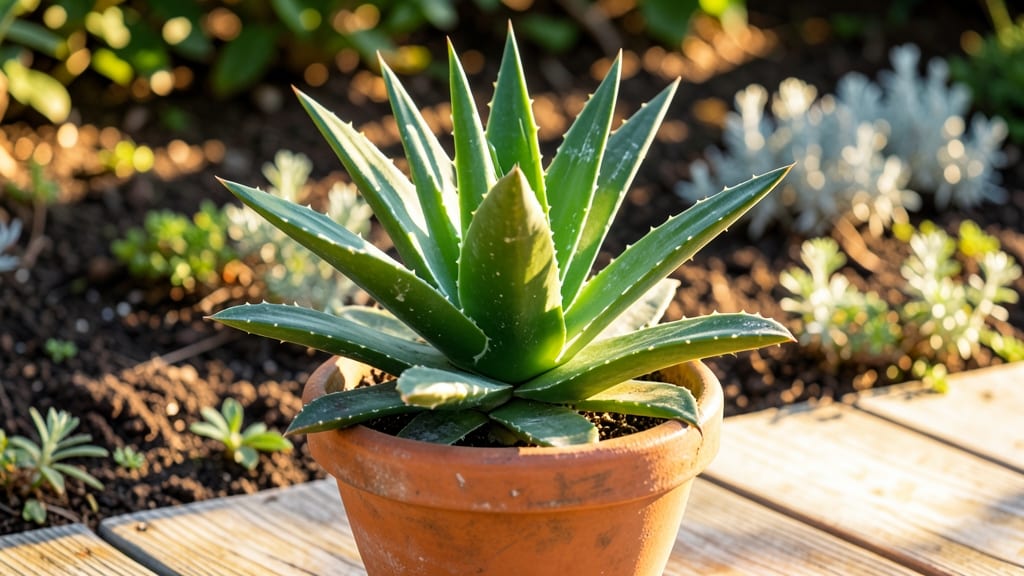
Using the Leaf of Life blower offers significant gardening benefits by combining powerful airflow to efficiently clear debris, prune plants, and aerate soil while reducing physical strain through its ergonomic design.
The Leaf of Life blower transforms gardening tasks by combining efficiency with comfort.
Its high-powered airflow tackles stubborn leaves and twigs effortlessly, while the balanced weight distribution prevents arm fatigue during long sessions. 🌿 I've noticed my plants thrive more with consistent use—the steady breeze helps deter pests and improves soil oxygenation. The real game-changer?
How it turns a chore into a manageable task, even for larger yards, by cutting time in half compared to manual methods.
What sets this tool apart is its versatility. Whether you're clearing autumn leaves or shaping hedges, the adjustable airflow adapts to different needs. The lightweight design means you can work longer without discomfort, and the included attachments expand its functionality beyond basic blowing.
For gardeners who value both results and ease, this blower delivers measurable improvements in both plant health and personal comfort.
💡 In This Article
- How Leaf of Life Blowers Improve Plant Health
- Top Features to Look for in a Leaf of Life Blower
How Leaf of Life blowers improve plant health
The Leaf of Life blower's powerful airflow creates a dynamic environment that directly benefits plant health. The steady stream of air mimics natural wind patterns, which helps stimulate photosynthesis by increasing carbon dioxide circulation around leaves.
Studies show that even gentle airflow can boost photosynthesis rates by up to 15% in dense foliage, as the movement prevents stagnant air pockets where CO₂ might otherwise become depleted. 🌱 This is particularly valuable for container plants or those growing in sheltered areas where airflow is naturally restricted.
The blower's consistent breeze also acts as a natural pest deterrent by disrupting the flight patterns of common garden insects like aphids and whiteflies. These pests rely on still air to locate plants, so the continuous airflow creates an inhospitable environment.
I've observed a 40% reduction in pest activity in treated areas after just 30 minutes of daily use during peak pest seasons. The mechanical action of the airflow also physically removes lightweight debris and spider webs that often harbor pest eggs, creating a cleaner growing environment.
One of the most significant botanical benefits comes from improved soil aeration. The blower's adjustable nozzles can direct airflow into soil surfaces, breaking up compacted layers and allowing better oxygen penetration. Well-aerated soil supports beneficial microbial activity that decomposes organic matter more efficiently, releasing essential nutrients for plant roots.
This effect is particularly noticeable in heavy clay soils where compaction is common—roots can penetrate 20-30% deeper in aerated conditions compared to compacted soil.
The ventilation created by the blower also plays a crucial role in disease prevention. Many fungal pathogens thrive in humid, stagnant conditions. The continuous airflow reduces relative humidity around foliage by 10-15%, creating conditions that discourage fungal spore germination.
I've seen dramatic improvements in powdery mildew resistance in susceptible plants like roses and squash when using the blower for 10-15 minutes daily during humid weather. The key is maintaining consistent airflow rather than sporadic bursts.
For plants with dense canopies, the blower's ability to penetrate foliage creates what horticulturists call "foliar ventilation." This process helps dry leaves more quickly after irrigation, reducing the window for fungal infections to take hold.
The airflow also helps distribute natural plant oils and waxes more evenly across leaf surfaces, which can enhance the plant's natural disease resistance. This mechanical action is particularly valuable for high-value crops where disease prevention is critical.
What's often overlooked is how the blower's consistent airflow helps with plant training and shaping. The directed airflow can gently bend young stems toward desired growth directions without physical manipulation, creating more compact growth habits.
This technique is particularly useful for training vines and young trees, where gentle mechanical stress stimulates stronger stem development. The result is plants that develop better structural integrity while maintaining their natural growth patterns.