
Leaf Blower
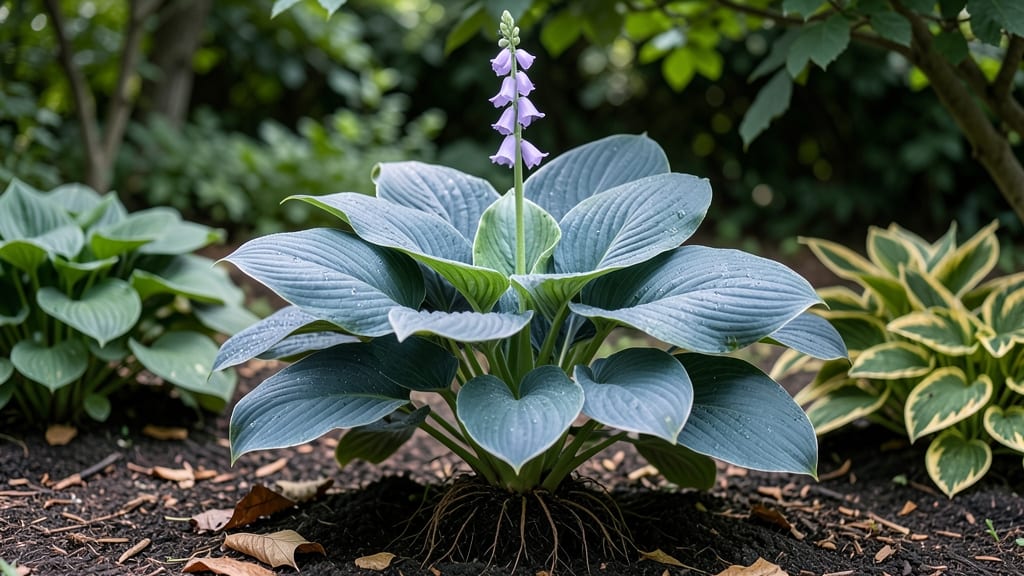
The big leaf hosta stands out with its dramatic, broad foliage—heart-shaped leaves that span 12–18 inches wide, showcasing vibrant blue-green or deep green hues. These plants thrive in shaded, moist garden spots and are instantly recognizable by their bold size, wavy leaf edges, and vigorous growth pattern, making them perfect for creating focal points in any landscape.
The big leaf hosta isn't just about its impressive size—it's the textural contrast that makes it a garden standout. 🌿 These varieties often develop striking variegation as they mature, with cream or gold edges that catch the light in shaded areas.
What sets them apart from smaller hostas is their ability to create instant impact, whether planted in clusters or as solitary specimens. I've seen them transform dull corners into lush, green statements, especially when paired with ferns or astilbes for added depth.
Beyond their visual appeal, these plants are surprisingly adaptable. They handle USDA hardiness zones 3–8 with ease, making them ideal for cool-climate gardens. The key to keeping them thriving? Consistent moisture—they despise drying out, which is why I always recommend mulching heavily in their first growing season.
Their slow but steady growth means they'll reward patience with those signature massive leaves year after year.
💡 In This Article
- Key Features That Define Big Leaf Hosta Varieties
- Optimal Growing Conditions for Big Leaf Hostas
Key features that define big leaf hosta varieties
The big leaf hosta's defining characteristic is its foliage scale, where mature leaves can stretch 12-18 inches wide and 20-30 inches long—nearly the size of a dinner plate! This massive leaf surface area creates a dramatic visual impact unlike smaller hosta varieties.
The leaves themselves have a thick, waxy texture that gives them a slightly leathery feel when touched, which helps them retain moisture in shaded conditions. This thickness also makes them more resistant to tearing from wind or rain compared to delicate perennials.
Color variations are another distinguishing feature. While classic big leaf hostas often showcase deep blue-green foliage (like 'Blue Angel' or 'Sum and Substance'), some varieties develop stunning variegation as they mature, with cream or golden margins that intensify in sunlight.
The blue-green hues actually contain anthocyanin pigments that deepen in cooler temperatures, creating that signature vibrant color. 🌿 What's fascinating is how these pigments interact with light—when grown in partial shade, the blue tones appear more pronounced, while full shade can mute them slightly.
This color science explains why gardeners often see dramatic seasonal shifts in big leaf hostas.
The leaf edges are never smooth—instead, they develop wavy or scalloped margins as the plant matures, adding to their textural appeal. These edges create natural light reflections that make the foliage appear even more substantial.
What most gardeners don't realize is that the leaf arrangement (phyllotaxy) follows a precise mathematical pattern—big leaf hostas typically grow with alternate leaves that spiral at a 137.5-degree angle, a pattern found in many plants that maximizes sunlight exposure. This growth habit contributes to their bushy, statement-making appearance.
Seasonal changes reveal another key feature: the summer-to-fall color transformation. While spring leaves often emerge with softer green tones, summer heat intensifies the blue-green pigments, and by late summer, some varieties develop bronze or purple tinges along the leaf edges.
This color shift happens because the plant's chlorophyll breaks down slightly in response to changing light conditions—a natural process that creates the hosta's seasonal drama. The hardiness zones 3-8 range means they'll survive winter dormancy, often emerging in spring with fresh, vibrant foliage.
One often-overlooked feature is the flowering habit. While not the primary attraction, big leaf hostas produce lavender to white blooms on tall spikes (typically 2-3 feet high) in midsummer, followed by seed pods that add winter interest.
The flowers aren't showy, but they attract pollinators and provide a subtle vertical element to the plant's overall structure. What's particularly interesting is how the flower stalks emerge from the center of the plant, creating a natural focal point that contrasts with the broad leaves.
For gardeners, understanding these features means you can identify varieties more easily. For example, 'Patriot' has striking white edges that turn pink in full sun, while 'Francee' maintains its blue-green color year-round.
The key is to look for leaf size, edge texture, and color consistency—these three factors will help you distinguish big leaf hostas from their smaller cousins in any garden setting. 💫