
Pests and Diseases
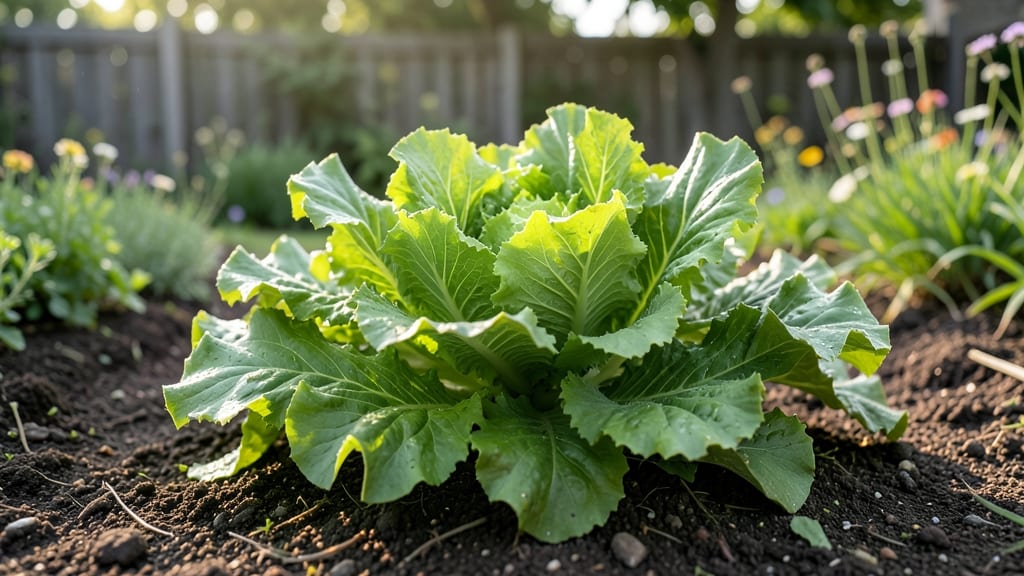
Growing big leaf lettuce means crisp, frost-tolerant greens even when temperatures dip. 🌱 I’ve grown this variety through three winters, and it’s the only lettuce that survives our late-season freezes without turning to mush. The secret lies in timing, soil prep, and a few simple tricks to prevent bolting.
This lettuce thrives in cool weather, making it perfect for early spring or fall plantings. Start seeds indoors 4-6 weeks before your last frost, or sow directly in well-drained soil with a pH of 6.0-7.0.
Space rows 12-18 inches apart to give leaves room to spread—crowding leads to bitter, tough leaves faster than you’d think. By midseason, you’ll harvest buttery, dark-green leaves that stay tender even after light frosts.
The key is consistent moisture and shade cloth on hot days to keep the plants from bolting prematurely. A weekly harvest of outer leaves encourages continuous growth, giving you a steady supply all season long. Whether you’re growing in raised beds or containers, this variety adapts well.
Just watch for slugs and aphids—they love young lettuce—and use row covers if pests become an issue. With the right care, you’ll have fresh greens from early spring through late fall.
📚 In This Guide
- What you need
- Instructions
- Tips and common mistakes
- Wrapping up and next steps
What you need
- ● Big Leaf Lettuce Seeds: Choose a frost-resistant variety like 'Black Seeded Simpson' or 'Winter Density'. Buy 1–2 seed packets (about 50–100 seeds per packet).
- ● Growing Containers or Garden Bed: For containers: 6–12-inch deep pots (3–4 plants per pot).
- ● For in-ground: Well-draining soil in a sunny spot (6+ hours of light daily).
- ● Potting Soil: High-quality, organic soil mix (1–2 bags, ~1–2 cubic feet each).
- ● Compost or Fertilizer: Balanced organic fertilizer (5-5-5 NPK ratio) or compost (1 cup per plant).
- ● Watering Can or Hose: With a gentle spray nozzle for even moisture.
- ● Garden Gloves: To protect your hands while handling soil.
- ○ Row Covers or Cloche: Frost cloth or lightweight row covers (optional but helpful for early/late planting).
- ● Seedling Trays: If starting indoors (6–8 weeks before last frost).
- ● Mulch: Straw or shredded leaves to retain moisture and suppress weeds.
- ● pH Test Kit: To ensure soil pH is between 6.0–7.0 (ideal for lettuce).
- ● Organic Pest Control: Neem oil or insecticidal soap (for aphids or slugs).
- ● Pruning Shears: For harvesting outer leaves without damaging the plant.
Step-by-Step instructions for growing big leaf lettuce
Here's how I grow robust, frost-tolerant big leaf lettuce that keeps producing through cool seasons.
🌱 Step 1: Choose the Right Location and Soil
Big leaf lettuce thrives in partial shade to full sun—morning sun with afternoon shade works best in hot climates. I always test my soil first because lettuce prefers pH 6.0-7.0. If your soil is heavy clay or sandy, mix in 2-3 inches of compost to improve drainage and fertility. The ideal soil should feel like a damp sponge when squeezed—neither compact nor crumbly.
Work the compost into the top 6 inches of soil. Lettuce roots are shallow, so you don't need to dig deep. Rake the surface smooth to create a fine seedbed. This prevents seeds from sinking too deep during planting. I like to firm the soil lightly afterward with the back of a rake—just enough to make a flat surface for even seed distribution.
🌱 Step 2: Sow Seeds at the Correct Depth and Spacing
Sow seeds ¼ inch deep—any deeper and they'll struggle to emerge. I use a small hand rake to create shallow furrows 12 inches apart in rows. For a continuous harvest, I plant successive batches every 2 weeks in spring and fall. You'll see tiny sprouts in 5-10 days if soil temperatures stay between 45-75°F.
Thin seedlings to 6-8 inches apart when they have 2 true leaves. Use scissors to snip unwanted plants at soil level—this prevents disturbing roots of nearby seedlings. I always harvest the thinnings immediately; they make great additions to salads or sandwiches. Don't let seedlings get crowded, or you'll end up with small, bitter leaves.
💧 Step 3: Water Consistently and Protect from Pests
Keep soil evenly moist—never soggy. Water deeply 1-2 times daily in hot weather, but reduce to every other day in cool seasons. I water in the morning so leaves dry quickly, preventing fungal diseases like downy mildew. You'll know moisture is right when the top inch of soil feels damp but not wet.
Use row covers or netting to protect young plants from flea beetles and aphids. These pests can skeletonize leaves overnight. I also rotate planting locations yearly to prevent soil-borne diseases. If you notice holes in leaves, handpick beetles in the morning when they're sluggish. Avoid chemical sprays—they can leave residues on leafy greens.
✂️ Step 4: Harvest Strategically for Continuous Production
Harvest outer leaves when they reach 4-6 inches tall—this encourages the plant to keep producing. Use a sharp knife or clean scissors to cut just above the base. I always leave the inner leaves intact so the plant can regrow. For a full harvest, cut the entire plant at the base when the head reaches 6-8 inches wide.
Big leaf lettuce is remarkably frost-tolerant. In fact, cold weather sweetens the flavor. I often leave plants in the ground through light frosts and harvest as needed. If temperatures drop below 20°F, cover plants with row fabric or straw mulch to protect them. With proper care, you can enjoy fresh lettuce for 6-8 weeks from a single planting.
☀️ Step 5: Plan for Successive Plantings and Season Extension
For year-round harvests, plant lettuce every 2-3 weeks in spring and fall. In warm climates, use shade cloth (30-50%) during summer to prevent bolting. I also grow lettuce in deep containers (12+ inches) on patios, where I can move them to shade as needed.
Extend the season by planting under cold frames or low tunnels in late fall and early spring. These simple structures add 10-15°F of protection, letting you grow lettuce well into winter. With this method, I've harvested fresh greens through December and January in my zone 6 garden. The key is consistency—keep soil moist, protect from pests, and harvest regularly to encourage continuous growth.
Tips & tricks for growing big leaf lettuce
These practical pointers will help you cultivate the hardiest, most productive big leaf lettuce possible—no green thumb required.
Soil Prep Secret: Before amending your soil with compost, spread a thin layer of straw mulch over the planting area. This prevents seeds from sinking too deep when you water them, which is especially important for the ¼-inch depth specified in Step 2. I find that pre-mulching also helps retain moisture during those critical first 5-10 days while sprouts emerge.
Thinning Technique: When thinning seedlings in Step 2, I recommend using a small trowel instead of scissors to gently lift and remove unwanted plants. This gives you a chance to replant the thinnings in nearby bare spots—just make sure to water them well afterward. The 6-8 inch spacing is crucial for leaf development, so don't be tempted to leave plants too close together just to waste less.
Frost Protection Hack: For those 20°F nights mentioned in Step 4, I've found that placing a simple plastic milk jug (with the bottom cut off) over individual plants works just as well as row fabric. The jug creates a mini cold frame that traps heat while still allowing light and air circulation. You can even mark the jugs with a permanent marker so you know which varieties are underneath—helpful when growing multiple types together.
Watering Wisdom: The 1-2 times daily guideline in Step 3 can be tricky with big leaf varieties. I've learned to water at the base rather than overhead to prevent fungal issues, and I always check soil moisture by squeezing a handful—it should feel like a damp sponge. For container-grown lettuce, I've found that using self-watering pots with 12-inch depth (as mentioned in Step 5) eliminates the guesswork entirely.
Pro Tips for Big Leaf Lettuce
- These practical pointers will help you cultivate the hardiest, most productive big leaf lettuce possible—no green thumb required.
- Soil Prep Secret: Before amending your soil with compost, spread a thin layer of straw mulch over the planting area.
- Thinning Technique: When thinning seedlings in Step 2, I recommend using a small trowel instead of scissors to gently lift and remove unwanted plants.
Frequently asked questions
Got questions about growing big leaf lettuce?
You’re not alone! Here are answers to the most common queries to help you cultivate this frost-resistant variety with confidence.
Can big leaf lettuce survive frost?
One of its biggest perks is frost tolerance—it can handle light freezes (25–28°F) and even tastes sweeter after a cold snap. For heavy frost (below 20°F), use row covers or mulch to protect leaves. Harvest before hard freezes to avoid damage.
How long does it take to harvest big leaf lettuce?
Big leaf lettuce is a cut-and-come-again variety, so you can start harvesting as soon as 30–40 days after sowing for baby leaves. For full-sized heads, wait 50–60 days. Snip outer leaves first to encourage regrowth—no need to pull the whole plant!
What pests or diseases should I watch for?
Common issues include aphids (suck sap, causing curling), slugs (leave slime trails), and downy mildew (gray fuzz on leaves). Prevent pests with neem oil or row covers. For mildew, improve airflow and avoid overhead watering. Remove infected leaves promptly.
Can I grow big leaf lettuce in containers?
Yes! Just choose a container at least 6–8 inches deep with drainage holes. Use a well-draining potting mix and place it in full sun to partial shade. Water consistently—containers dry out faster. Dwarf varieties like ‘Black Seeded Simpson’ thrive in pots.
What’s the best way to store harvested big leaf lettuce?
Store unwashed leaves in a perforated plastic bag in the fridge (35–40°F) for 7–10 days. For longer storage, wrap in a damp paper towel and place in a sealed container. Avoid washing until ready to eat—excess moisture speeds up spoilage.
What can I plant after big leaf lettuce to improve soil?
Big leaf lettuce is a light feeder, so follow it with heavy feeders like tomatoes, peppers, or basil. Add compost or a balanced fertilizer (10-10-10) before replanting. Avoid planting brassicas (like cabbage) in the same spot to prevent disease buildup.
Wrapping up and next steps
Big leaf lettuce is a fantastic choice for gardeners looking for a hardy, frost-resistant crop that delivers year-round harvests with minimal fuss. Whether you're battling pests, managing diseases, or simply optimizing your growing conditions, this versatile variety rewards patience and care with crisp, flavorful leaves. 🌱
Now that you're armed with the right materials and solutions, it’s time to roll up your sleeves and get growing! Start small—try a few plants in pots or a dedicated bed—and watch your confidence (and harvests) grow. Happy gardening! 🌿