
Tools
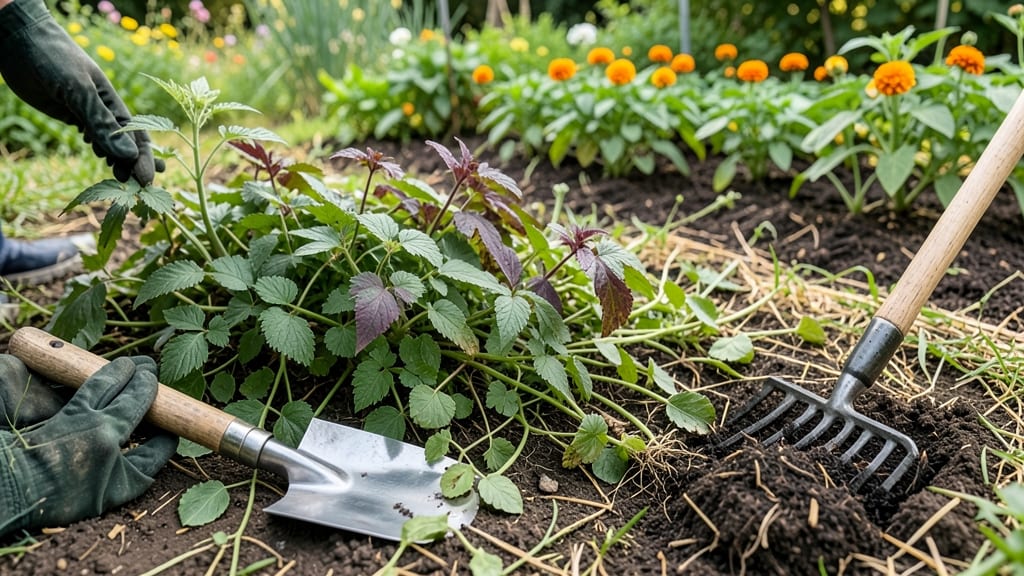
Big leaf weeds like dock and plantain can turn your garden into a jungle faster than you can say "pull session." 🌱 I've battled them for years, and I'll show you how to reclaim your space without toxic chemicals—starting with the right tools and timing.
Dock leaves are arrow-shaped with wavy edges, while plantain has broad, oval leaves and a rosette shape. Bindweed, another troublemaker, has heart-shaped leaves and twines aggressively.
The key to beating them? Pull when soil is moist (after rain) and grab the roots—even a tiny piece left behind grows into a new plant.
For stubborn patches, try smothering with thick cardboard or newspaper topped with mulch. Or mix a 1-gallon vinegar solution (1 part vinegar to 1 part water with a drop of dish soap) and spray on sunny days—it kills leaves but won’t harm your soil or plants.
Prevention is easier than cleanup: keep beds mulched, plant densely to block sunlight, and weed weekly. Your garden will thank you with fewer battles and more blooms.
Root Causes of Broadleaf Weeds
Understanding why broadleaf weeds take over your garden is the first step to stopping them naturally. These persistent plants thrive due to a mix of environmental factors, garden habits, and even soil conditions. Let’s break down the science behind their dominance—and how you can outsmart them.
Broadleaf weeds like dandelions, chickweed, and plantain love open spaces where sunlight hits the soil directly. When garden beds are overcrowded or plants are spaced too tightly, they create gaps that weeds exploit.
Why it happens:
- Sunlight access: Weeds need light to germinate and grow. Dense plantings block sunlight for weeds, but if your garden is sparse—whether due to new plantings, thinning, or bare spots—weeds rush in to fill the void.
- Competition imbalance: Healthy garden plants compete for nutrients, water, and space. If your vegetables or flowers are struggling (due to poor soil, pests, or disease), they weaken, leaving room for weeds to dominate.
- Mulch breakdown: Organic mulch (like straw or wood chips) suppresses weeds by blocking light. But if mulch decomposes too quickly or is applied too thinly, weeds sneak through.
Actionable fix: Space plants properly (check seed packets for ideal distances) and maintain a consistent 2–3 inch layer of mulch. For new beds, use living mulches like clover or creeping thyme to outcompete weeds naturally.
Weeds thrive in soil that’s been recently disturbed—whether by tilling, digging, or even foot traffic. This disrupts the natural soil structure and brings dormant weed seeds to the surface.
Why it happens:
- Seed germination trigger: Many weed seeds lie dormant in the soil for years. When you till or loosen the top layer, these seeds get exposed to light and moisture, triggering germination.
- Compaction from tools: Heavy garden tools or machinery can compact soil, creating a hardpan that prevents water and roots from penetrating deeply. Weeds with shallow roots (like purslane) thrive in these conditions.
- Erosion & bare spots: Wind or water can wash away soil, leaving exposed areas where weeds take hold quickly.
Actionable fix:
- ✅ Avoid tilling: Instead of tilling, use no-till gardening or hand-pull weeds before they seed.
- ✅ Improve soil structure: Add compost or aged manure to loosen compacted soil without disturbing weed seeds.
- ✅ Use ground covers: Plant dense ground covers (like ajuga or vinca) to protect soil and block light.
Weeds like lamb’s quarters and pigweed love moist soil because they grow quickly in damp conditions. Poor drainage, overwatering, or clay-heavy soil can create the perfect breeding ground.
Why it happens:
- Water retention: Weeds with broad leaves (like plantain) have shallow root systems that absorb water quickly. If your soil stays soggy, these weeds flourish while deeper-rooted plants struggle.
- Fungal growth: Excess moisture encourages fungal diseases that weaken garden plants, making them less competitive against weeds.
- Clay or compacted soil: These soils repel water, creating surface puddles that weeds exploit.
Actionable fix:
- 💡 Test your soil: If drainage is poor, amend with sand or perlite (for sandy soils) or compost (for clay).
- 💡 Water deeply but less often: Encourage deep root growth in plants, making them more resilient. Use drip irrigation to avoid wetting leaves (which spreads disease).
- 💡 Raise beds or use containers: For clay-heavy areas, consider raised beds with a mix of soil and organic matter.
Weeds often outcompete garden plants because they adapt to poor soil conditions. If your soil lacks nitrogen, phosphorus, or organic matter, weeds like crabgrass and bindweed take advantage.
Why it happens:
- Fast growth advantage: Many weeds grow rapidly in low-nutrient soil because they’ve evolved to thrive in disturbed or nutrient-poor environments. For example, chickweed fixes its own nitrogen, making it resilient in depleted soil.
- pH imbalances: Weeds like dandelions prefer slightly acidic to neutral soil (pH 6.0–7.0), while others (like mallow) tolerate alkaline conditions. If your garden’s pH is off, weeds may outcompete your intended plants.
- Lack of organic matter: Healthy soil with plenty of compost or humus supports strong plant roots. Without it, weeds with shallow roots dominate.
Actionable fix:
- 🌱 Test your soil: Use a home soil test kit to check pH and nutrient levels. Adjust with lime (to raise pH) or sulfur (to lower pH) as needed.
- 🌱 Feed your soil, not just plants: Add compost, worm castings, or well-rotted manure to improve organic matter and nutrient retention.
- 🌱 Use green manures: Plant clover or winter rye in empty beds to fix nitrogen naturally before tilling it in.
In a healthy ecosystem, insects, birds, and beneficial microbes keep weed populations in check. But in many gardens, these natural controls are missing—leaving weeds to spread unchecked.
Why it happens:
- Pesticide overuse: Chemical herbicides or broad-spectrum pesticides kill beneficial insects (like ladybugs and lacewings) that eat weed seeds and larvae.
- Monoculture planting: Planting the same crops year after year reduces biodiversity, giving weeds fewer natural competitors.
- Urban/suburban isolation: Gardens in cities or suburbs often lack the wildlife (like quail or rabbits) that would graze on weeds.
Actionable fix:
- 🐞 Encourage beneficial insects: Plant native wildflowers, dill, or fennel to attract predatory insects.
- 🐦 Create wildlife habitats: Add a bird feeder, bat house, or small pond to attract natural weed eaters.
- 🌿 Diversify your garden: Mix flowers, herbs, and vegetables to disrupt weed life cycles and support a balanced ecosystem.
Natural Ways to Remove Stubborn Weeds
Big leaf weeds can be a stubborn nuisance, but you don’t need harsh chemicals to tackle them. The key is understanding the root cause and applying the right method—whether it’s smothering, pulling, or targeting their growth cycle.
Below are practical, eco-friendly solutions tailored to common causes, plus tips to keep your garden weed-free long-term.
If weeds thrive because they’re outcompeting your plants for sunlight, block their access to light with these methods:
- 🍳 Use Cardboard or Newspaper Mulch Lay down 2-3 layers of cardboard or thick newspaper (ink-side down) over the weed-infested area. Wet it thoroughly, then top with 2-3 inches of mulch (straw, wood chips, or leaves).
This cuts off sunlight while breaking down naturally. Best for: Bare soil, garden beds, or pathways.
- 🔥 Solarize the Soil (For Extreme Cases) Cover the area with clear plastic sheeting (secured tightly) for 4-6 weeks in hot sun. The trapped heat kills weeds and seeds in the soil. Best for: Small, contained patches (like between paving stones).
- 🌿 Plant a Living Mulch Sow fast-growing ground covers like clover, creeping thyme, or microgreens to outcompete weeds naturally. These plants suppress weeds while adding nutrients to the soil.
Manual removal works best for small patches or when weeds are still young. Here’s how to do it effectively:
- 🔪 Grab the Root Use a weeding tool, fork, or gloved hands to dig deep and remove the entire root. If you leave fragments, the weed will regrow. Pro tip: Pull after rain when soil is soft.
- 💡 Target the Right Time Weeds are easiest to pull when soil is moist (early morning or post-rain). Avoid pulling in dry conditions—it can break the plant, leaving stubborn roots behind.
- 🗑️ Dispose of Weeds Properly Don’t compost weeds that have gone to seed (like dandelions or plantain). Instead, bag them tightly or burn them (if legal in your area) to prevent reseeding.
For small, isolated weeds, natural herbicides can work—but use them sparingly to avoid harming nearby plants.
- 🍶 Vinegar Spray (Acetic Acid) Mix 1 gallon of white vinegar (20% acetic acid) + 1 cup salt + 1 tbsp dish soap.
Spray directly on leaves (avoid windy days). Works best on: Broadleaf weeds like chickweed or lamb’s quarters. Caution: Can kill grass and delicate plants—test on a small area first.
- 🧂 Salt Solution (For Driveways/Paths Only) Sprinkle coarse salt directly on weeds, then water lightly. Salt draws moisture out of plants, causing them to die. Best for: Cracks in concrete or gravel areas (not garden beds—it harms soil).
Weeds spread via seeds and underground runners. Disrupt their growth cycle with these long-term strategies:
- 🌡️ Mow High and Often Keep lawns at 3-4 inches tall—taller grass shades out weed seeds and makes it harder for them to establish. Bonus: Stronger grass = fewer bare spots for weeds to invade.
- 🎯 Remove Weeds Before They Seed If you spot weeds flowering or producing seed heads, pull them immediately. Even a single dandelion can release thousands of seeds!
- 🔄 Rotate Your Garden Avoid planting the same crops in one spot yearly. Weeds like bindweed or nutsedge thrive in disturbed soil. Crop rotation disrupts their growth patterns.
- 🌿 Improve Soil Health – Healthy soil = strong plants that outcompete weeds.
Add compost or organic matter to boost microbial activity. - 🚫 Use Landscape Fabric Strategically – Install perforated fabric under mulch to block weeds without smothering plants (just ensure it’s breathable). - 🐝 Encourage Beneficial Insects – Ladybugs, lacewings, and ground beetles naturally prey on weed seeds.
Plant native flowers to attract them. - 🌱 Plant Dense Ground Covers – Options like creeping jenny, ajuga, or hostas create a living barrier that weeds can’t penetrate.
Final Thought: The best time to tackle weeds is before they take over. Combine manual removal, smothering, and prevention for a garden that stays lush, green, and weed-free—without the chemicals! 🌿✨
Frequently asked questions
How can I tell if a big leaf weed is dock or plantain?
Dock leaves are arrow-shaped with wavy edges and often have a slightly hairy texture. Plantain leaves are broad, oval, and form a rosette at ground level. Dock leaves also have prominent veins, while plantain leaves are smoother. Check the base too—dock has a thick, fibrous root, while plantain has a shallow, fibrous network.
Will vinegar really kill big leaf weeds?
Yes, but you need the right concentration! Use 20-30% acetic acid vinegar (not household vinegar) mixed with 1 cup salt and 1 tablespoon dish soap per gallon. Spray on sunny days—it works best when leaves are dry. Test a small area first, as it can harm nearby plants if oversprayed.
Why do big leaf weeds keep coming back after I pull them?
You’re likely missing parts of the root system! Many big leaf weeds (like bindweed) have deep or sprawling roots. Use a weeding fork to dig deeper, and pull when soil is moist. Even a tiny root fragment can regrow into a new plant—always check the soil around the base.
Can I use mulch to stop big leaf weeds permanently?
Mulch helps but won’t eliminate weeds permanently. Use 2-3 inches of organic mulch (wood chips, straw) to block sunlight, but check monthly for new sprouts. For stubborn weeds, layer cardboard or newspaper under mulch to create a stronger barrier. Combine with regular weeding for best results.
Are big leaf weeds harmful to my garden plants?
Most aren’t toxic, but they compete aggressively for water, nutrients, and sunlight. Weeds like bindweed can strangle young plants, while others (like plantain) spread rapidly. The real danger is their ability to take over—removing them early prevents this competition before it starts.