
Pests and Diseases
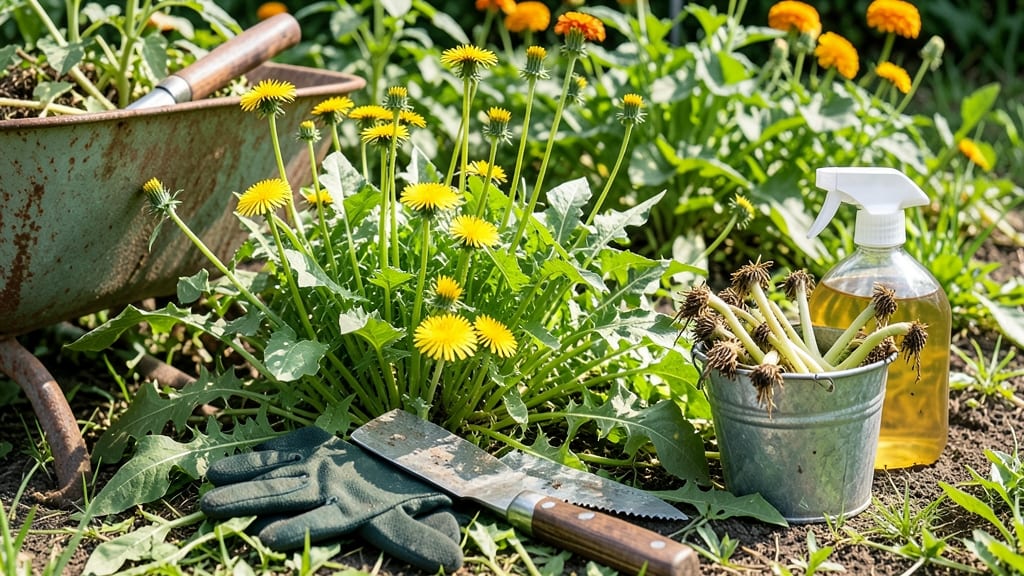
Big leaf weeds are the silent garden killers—before you know it, your carefully tended plants are choked out by broad, aggressive foliage that steals sunlight and nutrients. 🌱 I’ve spent years wrestling with dock, bindweed, and other stubborn broadleaf invaders, and I’ve learned the hard way that early action is everything.
The worst offenders—like curly dock with its arrow-shaped leaves or bindweed with its heart-shaped vines—can double in size overnight. Pulling them by hand feels like a losing battle, but the right tools and timing make all the difference.
A sharp hoe at the right moment can prevent them from seeding, while targeted herbicides (when absolutely necessary) can give you the upper hand. You’ll reclaim your garden’s health by understanding their growth patterns and attacking them before they spread.
The key is consistency—check your beds weekly, especially after rain, and you’ll catch them before they take over. This works for any garden, from vegetable plots to flower beds. Let’s stop them before they start.
Understanding The Root Causes
Big leaf weeds can turn your lush garden into an overgrown jungle if left unchecked. But why do they pop up in the first place? The answer lies in a mix of environmental factors, human habits, and even the hidden behaviors of your soil.
Let’s break down the science behind their stubborn presence so you can tackle them like a pro.
Weeds thrive where native plants struggle—especially in soil that’s either too rich or too depleted. Here’s how it happens:
- Excess Nitrogen 💥: Fertilizers high in nitrogen (like lawn food) create the perfect buffet for fast-growing weeds. While your grass or flowers may look lush, weeds like dandelions or plantain take advantage of the easy nutrients, producing broad, hardy leaves.
- Compacted or Poor-Draining Soil 🏗️: Heavy foot traffic, construction, or clay-heavy soil prevents water and air from reaching roots. Weeds with deep taproots (like bindweed) exploit these gaps, crowding out weaker plants.
- Lack of Competition 🛑: Bare spots in lawns or gardens create open space where weed seeds—often dormant for years—sprout en masse. Without competing plants, they spread unchecked.
💡 Pro Tip: Test your soil’s pH and nutrient levels (kits are cheap!). Aim for a balanced NPK ratio (e.g., 10-10-10) and improve drainage with compost or sand if needed.
Mother Nature plays a huge role in weed outbreaks. Certain conditions act like a green light for weeds to germinate and spread:
- Warm, Wet Springs 🌦️: Many weeds (like crabgrass) germinate when soil temps hit 55–65°F and moisture is high. A rainy spring = a weed explosion.
- Drought Stress 🏜️: When lawns or gardens dry out, established plants weaken, leaving gaps for weeds to invade. Purslane and chickweed love drought-prone soil.
- Mulch Overload 🌿: Too much organic mulch (especially thick layers) can smother soil, trapping moisture and heat—ideal for weeds like nutsedge to pop up.
🌡️ Actionable Fix: Adjust watering to encourage deep roots in desired plants (1–1.5 inches per week). In drought areas, use straw mulch (instead of wood chips) to reduce weed seeds.
Even the best gardeners accidentally create weed havens. Here’s how everyday actions invite them in:
- Over-Trimming Grass 🪒: Cutting lawns too short (below 2–3 inches) exposes bare soil, letting weed seeds germinate. Clover and dandelions love the sunlight.
- Ignoring Leaf Litter 🍂: Fallen leaves or grass clippings can harbor weed seeds. If left to decompose in place, they become a seed bomb for next year.
- Using Contaminated Tools 🔪: Mowers, rakes, and shovels can carry weed seeds from one area to another. Bindweed spreads aggressively this way!
- Skipping Soil Prep 🏗️: Planting flowers or veggies without clearing weeds first leaves roots and seeds in the ground, ready to regrow.
✨ Prevention Hack: Clean tools with a 10% bleach solution between uses. Before planting, smother weeds with cardboard + mulch for 4–6 weeks to starve them.
Not all weed causes are visible. Beneath the surface, soil fungi and microbes can alter conditions to favor weeds:
- Mycorrhizal Fungi Imbalance 🍄: These beneficial fungi help plants absorb nutrients. But if disrupted (by pesticides or poor soil), they can weaken desired plants, giving weeds an edge.
- Weed Seed Banks 🌱💰: A single dandelion can produce 1,000+ seeds that lie dormant for years. Disturbing the soil (tilling, aerating) can wake them up.
- Allelopathic Weeds 🚫: Some weeds (like black walnut or johnsongrass) release chemicals that suppress other plants—creating a monopoly for more weeds.
🔥 Solution: Avoid tilling (it spreads seeds). Instead, use sheet mulching or smother crops to break weed seed cycles naturally.
Now that you know why these leafy invaders take over, the next step is how to kick them out for good. The battle starts with understanding their weaknesses—and your garden’s strengths.
Tackling Overgrown Leafy Invaders
Big leaf weeds can transform your garden from a lush retreat into a tangled mess—fast! But don’t stress. With the right approach, you can reclaim your space efficiently.
Below, we’ve mapped out practical solutions based on the root causes of your leafy takeover, plus tips to keep them from staging a comeback.
Cause: Weeds thrive in spaces where sunlight, water, and nutrients are plentiful—often because your garden lacks competition.
Fix:
- 🔥 Pull by Hand (Best for Small Patches)
- Wait for rainy or damp days when soil is soft (weeds slide out easier!).
- Grasp the base of the weed (not just the leaves) and tug firmly. Use a weed puller or gloved hands for stubborn roots.
- Pro Tip: 💡 Wear long sleeves—some weeds (like stinging nettle) pack a punch!
- 🍳 Smother with Mulch (Low-Maintenance Solution)
- Apply 3–4 inches of organic mulch (straw, wood chips, or shredded leaves) to block sunlight.
- Replenish mulch every 6–12 months to maintain the barrier.
- Bonus: Mulch also retains moisture and suppresses future sprouts.
- 👨🍳 Sheet Mulching (For Large Areas)
- Layer cardboard or thick newspaper over weeds, then top with mulch.
- Weeds decompose under the layers in 3–6 months—no digging required!
Prevention: ✅ Plant densely with ground covers (like clover or creeping thyme) to outcompete weeds. ✅ Water deeply but less frequently—shallow watering encourages weed seeds to germinate.
Cause: Overwatering creates the perfect environment for weeds to sprout and spread rapidly.
Fix:
- 🥘 Adjust Your Watering Routine
- Water early in the morning (5–7 AM) to reduce evaporation and fungal growth.
- Aim for deep, infrequent watering (1–1.5 inches per week) to encourage stronger plants that outcompete weeds.
- Pro Tip: 🌡️ Check soil moisture before watering—stick your finger 1 inch down. If it’s dry, water; if damp, wait.
- 🔪 Use a Soaker Hose or Drip Irrigation
- Delivers water directly to plant roots, minimizing weed-friendly moisture in between.
- Bonus: Saves water and reduces weed seeds from splashing onto soil.
- 🌧️ Improve Drainage
- Amend clay-heavy soil with compost or sand to prevent waterlogging.
- Install French drains or swales in low-lying areas to redirect excess water.
Prevention: ✅ Group plants with similar water needs to avoid overwatering gaps. ✅ Use rain barrels to collect runoff and water intentionally rather than relying on random downpours.
Cause: Weeds flourish in soil that’s over-fertilized or depleted of organic matter, often because gardeners compensate for weak plants by adding too many nutrients.
Fix:
- 🍎 Feed Your Plants, Not the Weeds
- Switch to slow-release, organic fertilizers (like compost or worm castings) to nurture your plants without overfeeding weeds.
- Avoid broadcast spraying high-nitrogen fertilizers—target only the base of desired plants.
- 🔥 Solarize the Soil (For Stubborn Weeds)
- Cover weed-infested soil with clear plastic for 4–6 weeks in hot sun.
- The trapped heat kills weeds and seeds without chemicals.
- Best for: Late spring/early summer when temps are consistently above 85°F (29°C).
- 🌱 Build Healthy Soil Naturally
- Mix in 2–3 inches of compost into the top 6 inches of soil.
- Plant cover crops (like winter rye or buckwheat) to starve out weeds and improve soil structure.
Prevention: ✅ Test your soil (DIY kits are cheap!) to avoid over-fertilizing. ✅ Rotate crops to prevent nutrient depletion and weed buildup.
| Method | Best For | How to Apply | Safety Notes |
|---|---|---|---|
| Vinegar + Dish Soap | Small patches of broadleaf weeds | Mix 1 gallon vinegar + 1 tbsp dish soap in a spray bottle. Apply on sunny days (avoids drift). | ⚠️ Non-selective—kills plants it touches. Test on a small area first. |
| Boiling Water | Cracked pavement or driveways | Pour slowly over weeds to scorch roots. | ❄️ Works best in warm weather. |
| Corn Gluten Meal | Prevention (pre-emergent) | Sprinkle 20 lbs per 100 sq ft in early spring. Water in. | 🌱 Safe for edibles once established. |
| Glyphosate (Roundup) | Large-scale infestations (last resort) | Follow label instructions carefully. | ⚠️ Avoid windy days—drift harms nearby plants. |
Prevention: ✨ Pre-emergent herbicides (like corn gluten) only work before weeds sprout—apply in early spring. ✨ Post-emergent options (like vinegar) are best for spot treatment—not entire lawns.
- 🌿 Plant Strategically: Use native perennials or dense ground covers to block sunlight and crowd out weeds.
- 🕰️ Stay Consistent: Pull weeds weekly—they grow faster than you think!
- 🔍 Inspect Regularly: Check under plants, along fences, and in mulch—weeds love hiding spots.
- 🚫 Don’t Compost Weeds with Seeds: If possible, bag and trash weeds like dandelions or thistles before they go to seed.
Final Thought: 🎯 An ounce of prevention beats a pound of pulling. With these targeted fixes, you’ll regain control—and keep your garden looking lush, intentional, and weed-free for good!
Frequently asked questions
What are the most common big leaf weeds I’ll find in my garden?
Look for dock (arrow-shaped leaves), bindweed (heart-shaped vines), plantain (broad, ribbed leaves), and lamb’s quarters (triangle-shaped greens). These aggressive broadleaf weeds spread quickly and compete with your plants for sunlight and nutrients.
Is vinegar an effective way to kill big leaf weeds?
Yes, but it’s best for spot treatment on small patches. Mix 1 gallon of white vinegar + 1 tablespoon dish soap and spray directly on leaves (avoid windy days). The acid burns the foliage, but you’ll need to repeat for roots. For large areas, consider targeted herbicides or smothering methods instead.
How do I prevent big leaf weeds from coming back next year?
Start with sheet mulching (cardboard + mulch) in fall to smother seeds. Use pre-emergent herbicides like corn gluten in early spring, and plant dense ground covers (like clover) to outcompete weeds. Regularly check soil moisture—weeds thrive in overwatered or compacted soil.
Can I use boiling water to kill big leaf weeds?
Pour boiling water slowly over weeds to scorch roots and leaves. This works best in warm weather and is ideal for cracks in pavement or small garden patches. Just avoid using it near desirable plants—it’s non-selective. For stubborn weeds like bindweed, you may need to repeat the treatment.
When is the best time to pull big leaf weeds?
Pull them on damp, cool days (early morning after rain) when soil is soft. Weeds slide out easier, and you’ll avoid disturbing dormant seeds. For deep-rooted weeds like dock, use a weed puller or hoe to prevent regrowth. Consistency is key—check your garden weekly to stay ahead.