
Leaf Blower
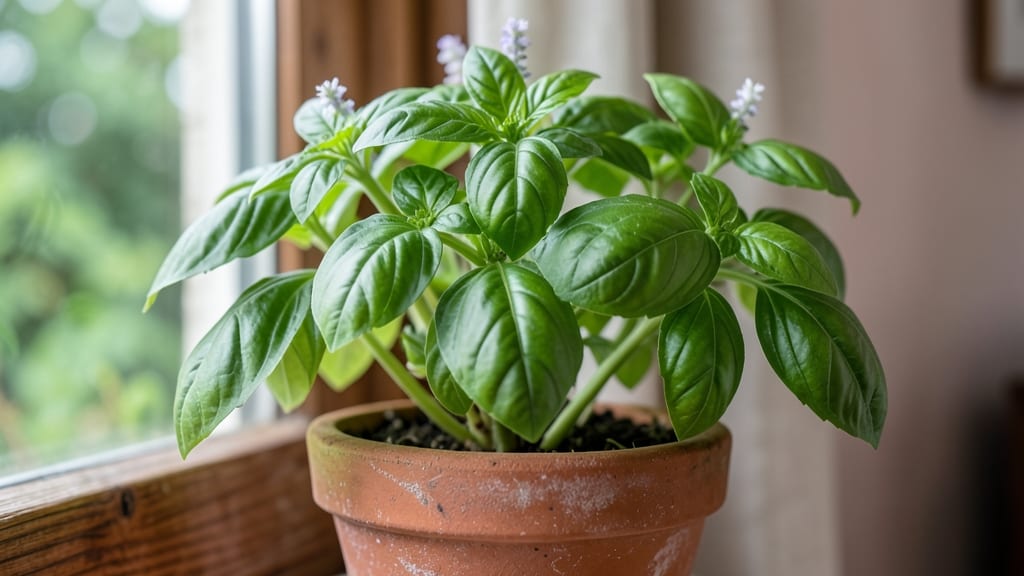
Growing the biggest basil leaf you’ve ever seen is easier than you think. 🌿 I’ve grown enough basil to know the secret isn’t just sunlight—it’s the right variety, spacing, and a little pruning magic that turns puny leaves into dinner-plate-sized giants.
Genovese and Sweet Basil aren’t just flavorful; they’re leaf monsters when given the right care.
Start with healthy seedlings, give them 6-8 hours of morning sun, and space them 12-18 inches apart—crowding stunts growth. Feed them every 2-3 weeks with a balanced fertilizer, and pinch off flowers to redirect energy into those massive leaves.
Water deeply but let the top inch dry out between soakings to avoid root stress.
📚 In This Guide
- What you need
- Instructions
- Tips and common mistakes
- Wrapping up and next steps
What you need
- ● Basil Seeds or Seedlings: Choose Genovese, Purple Ruffles, or Thai basil for large leaves (or hybrid varieties like Mammoth Basil for extra size!).
- ● Quantity: 3–5 seeds (or 2–3 seedlings) per pot for optimal growth.
- ● High-Quality Potting Mix: Use a well-draining, organic-rich mix (e.g., 60% peat/coir, 30% perlite, 10% compost). Avoid garden soil—it compacts too easily!
- ● Quantity: 1–2 gallons per plant (or larger for container gardens).
- ● Containers: Minimum size: 12-inch diameter pots (or larger for multiple plants). Ensure pots have drainage holes!
- ○ Optional: Fabric grow bags for better root aeration.
- ● Fertilizer: Balanced liquid fertilizer (10-10-10 or 5-5-5) or fish emulsion for organic growth.
- ● Quantity: Dilute to half-strength and apply every 2–3 weeks.
- ● Pruning Shears: Sharp, sterilized shears for harvesting and trimming (avoid dull blades—they crush stems!).
- ● Watering Can or Hose: With a gentle spray nozzle to avoid displacing soil.
- ○ Grow Lights (Optional): LED full-spectrum bulbs (12–16 hours/day) if growing indoors.
- ● Place lights 6–12 inches above plants.
- ○ Support Stakes (Optional): Bamboo or soft plant ties to prop up heavy leaves (especially for Thai basil varieties).
- ● pH Test Kit: To monitor soil pH (ideal range: 6.0–7.0 for basil).
- ● Sunlight Access: Outdoors: 6+ hours of direct sun daily.
- ● Indoors: South-facing window or grow lights.
How to grow basil with giant, restaurant-worthy leaves
Here's how I coax basil into producing leaves so massive they look like they came from a nursery—no special tricks, just the right approach.
🌱 Step 1: Choose the Right Variety and Start Strong
Skip the standard Genovese if you want giant leaves. Instead, plant 'Mammoth Basil' or 'Sweet Basil Giant'—these varieties naturally produce leaves 3-4 inches long when given proper care. Start seeds indoors 8-10 weeks before your last frost for the biggest plants, or buy sturdy 4-inch transplants from a reputable grower.
I always soak seeds overnight in lukewarm water to soften the outer shell—this speeds up germination from 7-10 days to just 5-7 days. Use a seed-starting mix (not garden soil) in 4-inch pots to prevent damping-off. Plant seeds ¼ inch deep and keep them warm (70-75°F) until sprouts appear.
☀️ Step 2: Give Them Light and Space to Flourish
Giant basil needs 14-16 hours of bright light daily—a south-facing window won’t cut it. Move seedlings under grow lights within 2-3 days of sprouting to prevent leggy growth. Position lights 2-3 inches above the plants and raise them weekly as the plants grow. You’ll know it’s working when leaves stay dark green and compact.
Transplant outdoors after the last frost when soil reaches 60°F and nighttime temps stay above 55°F. Space plants 18-24 inches apart—crowding stunts leaf growth. I always harden off seedlings for 7-10 days by gradually increasing outdoor time to avoid shock.
💧 Step 3: Water and Feed for Maximum Leaf Size
Basil hates soggy soil but needs consistent moisture. Water deeply 2-3 times per week until water runs out the drainage holes—then wait until the top 1 inch of soil feels dry before watering again. Yellowing leaves usually mean overwatering, while crispy edges signal underwatering. Mulch with 1-2 inches of straw to keep roots cool and retain moisture.
Feed plants every 2-3 weeks with a balanced liquid fertilizer (10-10-10) diluted to half strength. I swear by a fish emulsion for extra nutrients—it gives leaves that rich, deep green color. Stop fertilizing 4-6 weeks before harvest to let flavors concentrate.
✂️ Step 4: Prune Strategically for Giant Leaves
Here’s the secret: pinch off the top set of leaves when the plant reaches 6-8 inches tall. This forces energy into lateral branches, producing more and larger leaves. Repeat this pruning every 2-3 weeks throughout the season. You’ll see thick, bushy plants with leaves 2-3 times larger than standard basil.
Harvest leaves by cutting the entire stem just above a leaf node—this encourages new growth. Pick leaves in the morning when essential oils are at their peak. Avoid harvesting more than ⅓ of the plant at once, or you’ll stunt its growth. With proper pruning, a single plant can produce leaves 4-5 inches long by mid-summer.
🌿 Step 5: Extend the Season for Continuous Harvests
Basil bolts (goes to seed) when days get short. To keep producing giant leaves, prune back heavily in early fall and move pots indoors before the first frost. Place plants near a south-facing window or under grow lights for 12-14 hours daily. Reduce watering slightly indoors—soil stays moist longer without rain.
With this method, I’ve kept basil producing 3-inch leaves well into December. Just watch for pests like aphids or whiteflies and treat with neem oil** if needed. A little extra care in late summer ensures you’ll have fresh, giant basil leaves long after store-bought varieties have faded.
Tips & tricks for growing basil with restaurant-worthy leaves
Here's what nobody tells you about growing basil that'll make your leaves rival anything from a garden center.
Variety Matters: While 'Mammoth Basil' and 'Sweet Basil Giant' are the clear winners for leaf size, don't overlook 'Spicy Globe Basil'—it produces slightly smaller but intensely flavorful leaves. I've found that these varieties need slightly more space between plants (24 inches apart) to achieve their full potential. The difference between these giant varieties and standard basil is like comparing a postcard to a full-page spread—it's that dramatic.
Lighting Hack: That 14-16 hours of light requirement can be tricky with seasonal changes. I solved this by installing a simple LED grow light on a timer—just 6 inches above my plants. The key is maintaining consistent light exposure; even a few hours less can cause leggy growth. You'll notice the difference immediately in leaf size and color intensity when you stick to this light schedule.
Pruning Precision: When you pinch those top leaves at 6-8 inches tall, make sure to remove the entire set of leaves at that growth point, not just the top leaf. This forces the plant to branch out more aggressively. I've seen plants that were pinched correctly produce leaves up to 5 inches long by mid-summer, while those that weren't pinched properly stayed small and sparse. The timing is crucial—wait too long, and you'll miss the growth window.
Season Extension Strategy: For that indoor winter harvest, I've had great success using a combination of a south-facing window and a small clip-on LED light. Place the light 4-5 inches from the plant for 12-14 hours daily, and you'll maintain leaf production well into winter. The trick is reducing water slightly—basil needs less moisture indoors where it's not losing water to evaporation like outdoors.
Pro Tips for Biggest Basil Leaf
- Here's what nobody tells you about growing basil that'll make your leaves rival anything from a garden center.
- Variety Matters: While 'Mammoth Basil' and 'Sweet Basil Giant' are the clear winners for leaf size, don't overlook 'Spicy Globe Basil'—it produces slightly smaller but intensely flavorful leaves.
- Lighting Hack: That 14-16 hours of light requirement can be tricky with seasonal changes.
Frequently asked questions
Got questions about growing the biggest basil leaves? You’re not alone!
Here are answers to the most common queries—from curious gardeners to seasoned green thumbs.
What’s the largest basil variety for giant leaves?
The Genovese basil and Sweet Basil ‘Mammoth’ varieties are top picks for massive leaves (up to 4–6 inches long!). For true giants, try Thai basil or Holy Basil (Tulsi), which can produce broad, aromatic leaves under ideal conditions. Pro tip: Prune regularly to encourage bushier growth and larger leaves!
How long does it take for basil to grow big leaves?
With proper care, basil can start producing large leaves in 4–6 weeks from transplanting. However, full-size leaves (3–6 inches) may take 8–12 weeks, depending on sunlight, soil, and pruning. Patience is key!
Why are my basil leaves small or stunted?
Small leaves often signal underwatering, poor soil, or lack of sunlight. Check for:
- Sunlight: Basil needs 6+ hours of direct sun daily.
- Water: Keep soil consistently moist (not soggy).
- Soil: Use well-draining, nutrient-rich potting mix.
- Pruning: Pinch off flowers and trim leggy stems to redirect energy.
Can I grow giant basil leaves indoors?
Yes! Use a south-facing window or grow lights (12–16 hours/day). Opt for a large pot (12+ inches) with drainage, and fertilize every 2–3 weeks with a balanced liquid fertilizer. Dwarf varieties like ‘Spicy Globe’ adapt well to indoor spaces but may not reach the same size as outdoor giants.
Are bigger basil leaves better for cooking?
Not necessarily! Size ≠ flavor. Larger leaves are often more tender and aromatic, but smaller, younger leaves can be more concentrated in flavor. For pesto, use a mix of sizes—big leaves for texture, small for punch. Plus, all basil varieties (giant or not) pack antioxidants like vitamin K and magnesium!
Wrapping up and next steps
Growing the biggest basil leaf isn’t just about bragging rights—it’s a rewarding journey that turns your garden into a lush, aromatic paradise! 🌿 With the right genius basil varieties, proper care, and a dash of patience, you’ll soon be harvesting leaves so massive they’ll make grocery store bunches look tiny.
Whether you’re a seasoned gardener or a curious beginner, this guide has given you the tools to succeed.
Ready to level up your herb game? Start by planting your chosen variety today—then watch, water, and wow as your basil transforms into a leafy giant. Share your progress with fellow green thumbs, and don’t forget to snap those Instagram-worthy shots! 📸