
Aphids
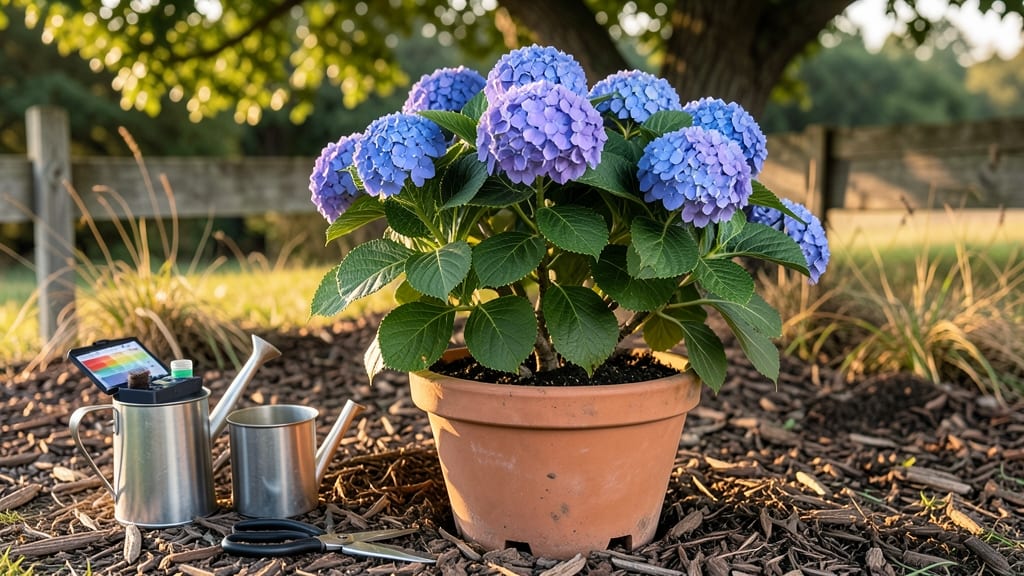
Bigleaf hydrangea care starts with sunlight secrets that transform floppy stems into vibrant, long-lasting blooms. 🌿 I’ve watched these plants go from struggling to showstopping in just one season by mastering the balance of light, water, and timing—no fancy tricks, just the right conditions.
The key isn’t full sun (that’s where most gardeners go wrong), but smart sunlight management that keeps those iconic blooms lush from summer through fall.
Morning sun and afternoon shade create the perfect recipe for bigleaf hydrangeas. Think of it like a cozy spot on a porch—enough light to thrive, but protection from the harsh afternoon rays that can scorch leaves or cause bud drop.
If your plant gets too much sun, the edges of leaves will crisp like paper, and blooms may fade faster. Too little? You’ll get leggy stems and sparse flowers. The sweet spot? 4-6 hours of morning sun with afternoon relief.
Once you’ve got the light right, watering becomes the next game-changer. Bigleaf hydrangeas love moisture but hate soggy roots—think of it like a thirsty houseplant that needs a drink when the top inch of soil feels dry.
Mulch helps retain that moisture, and consistent watering keeps those blooms plump and colorful. Prune in late winter or early spring to shape the plant and encourage fresh growth, but never cut back old wood where next year’s blooms are forming.
Troubleshooting is half the fun. Leaf drop? Often just the plant adjusting to seasonal changes. Bud failure? Usually a sign of inconsistent watering or pruning at the wrong time.
With the right care, your bigleaf hydrangea will reward you with clusters of blooms that last longer than most annuals—and yes, you can even change their color by tweaking the soil pH. Let’s get those stems strong and those blooms bold!
📚 In This Guide
- What you need
- Instructions
- Tips and common mistakes
- Wrapping up and next steps
What you need
- ● Bigleaf hydrangea plant (choose a healthy, well-established specimen with vibrant green leaves and buds).
- ● Well-draining potting soil (or garden soil amended with compost—aim for a pH of 5.5–6.2 for optimal blooms). Quantity: Enough to fill the pot or garden bed (1–2 bags per plant).
- ● Containers or garden bed: For pots: 15–20 gallon container (minimum) with drainage holes.
- ● For in-ground: Partial shade spot with 6+ feet of space for mature growth.
- ● Balanced fertilizer (e.g., 10-10-10 NPK) or hydrangea-specific food. Quantity: Follow package instructions (typically 1–2 tbsp per plant every 4–6 weeks during growing season).
- ● Mulch (e.g., pine bark or shredded leaves). Quantity: 2–3 inches around the base (keep mulch 3–4 inches away from the stem to prevent rot).
- ● Watering can or hose with gentle spray nozzle (hydrangeas hate soggy roots!).
- ● Pruning shears (sterilized with rubbing alcohol to prevent disease).
- ○ Gloves (optional but helpful for handling thorns or soil).
- ● pH test kit (to monitor soil acidity—hydrangeas love slightly acidic conditions!).
- ● Aluminum sulfate or chelated iron (to blue up blooms if your soil is alkaline).
- ● Slow-release fertilizer spikes (for hassle-free feeding).
- ● Plant support stakes (if your hydrangea gets top-heavy with blooms).
- ● Rain gauge or moisture meter (to track watering needs—1–1.5 inches per week is ideal).
Step-by-Step instructions for bigleaf hydrangea care
Here's how to coax vibrant blooms from your bigleaf hydrangea—sunlight is the game-changer.
☀️ Step 1: Master the Sunlight Balance
Bigleaf hydrangeas thrive in morning sun and afternoon shade—think 4-6 hours of direct sunlight daily. Too much hot afternoon sun scorches leaves, while too little shade weakens blooms. I place mine where morning rays hit the leaves but afternoon shade takes over by midday.
Watch for yellowing leaves—that's a sign of too much sun. If leaves crisp at the edges, move the plant to a shadier spot. Conversely, if growth is sparse and flowers small, it needs more morning light. Adjust gradually over a week to avoid shocking the plant.
💧 Step 2: Water Deeply and Consistently
Bigleaf hydrangeas demand 1-2 inches of water weekly, more in extreme heat. I water deeply twice a week at the base, avoiding wetting the leaves to prevent fungal issues. The soil should feel damp 2-3 inches down—probe with your finger to check.
Yellowing leaves can mean underwatering, but soggy soil leads to root rot. If the plant wilts, water immediately, but then adjust your schedule. Mulch with 2-3 inches of organic mulch (like shredded bark) to retain moisture and regulate soil temperature.
✂️ Step 3: Prune for Next Year's Blooms
Prune bigleaf hydrangeas right after flowering (late summer to early fall) to shape the plant and encourage next year’s blooms. Remove dead or crossing branches first, then cut back last year’s growth by about ⅓. Never prune into old wood—this removes next year’s flower buds.
I use clean, sharp pruners to make cuts just above a leaf node. If you prune in spring, you’ll sacrifice this year’s blooms, but the plant will still grow. For best results, wait until after the flowers fade—this gives you a clear view of the structure.
🌿 Step 4: Feed for Vibrant Color
Bigleaf hydrangeas respond well to balanced fertilizer in early spring. Use a 10-10-10 or 20-20-20 formula at half-strength to avoid burning roots. I apply it when new growth appears, about 2-3 weeks after pruning. For blue flowers, add aluminum sulfate (follow package rates).
Over-fertilizing causes weak stems and fewer blooms. If your hydrangea’s leaves turn brown at the tips, flush the soil with water to remove excess salts. Yellow leaves? It might need iron or magnesium—try a chelated supplement in the soil.
⏰ Step 5: Protect Through Seasonal Changes
In winter, bigleaf hydrangeas need mulch protection if temperatures drop below 10°F. Pile 4-6 inches of mulch around the base, but avoid touching the stems. In spring, remove old mulch but leave fresh mulch in place to regulate soil temperature.
If your hydrangea struggles with powdery mildew (white powder on leaves), improve air circulation by pruning dense growth. Spray with neem oil as a preventive measure. For pests like aphids, blast them off with water or use insecticidal soap.
Tips & tricks for perfect bigleaf hydrangea care
Sunlight isn't just important—it's the foundation for everything else. Here's what I've learned after years of growing these beauties.
Location Strategy: The 4-6 hours of morning sun in Step 1 is non-negotiable, but here's the secret: position your hydrangea where the morning sun hits the leaves, not just the top. I rotate mine slightly every few weeks to ensure even exposure on all sides. This prevents one-sided growth and keeps the foliage lush all season. Think of it like giving your plant a full-body sunbath rather than just a tan on top.
Watering Wisdom: When checking soil moisture in Step 2, I use a simple trick: stick your finger 2-3 inches down and feel for dampness—not wetness, not dryness, but that in-between state. If your soil feels like a damp sponge, you're golden. Too dry means it's time to water, while overly wet soil signals root rot risk. For containers, I weigh them—if they feel light, it's watering time. This method works better than guessing based on days since last water.
Pruning Precision: The ⅓ cut-back in Step 3 might seem drastic, but here's why it works: you're removing last year's growth that's already produced flowers, while leaving this year's new growth to develop next year's blooms. I mark the cut line with a piece of twine before pruning—this helps visualize where to stop. And never use dull shears; clean, sharp pruners make all the difference in preventing damage to the plant.
Seasonal Protection: That 10°F threshold in Step 5 is crucial, but here's what I do differently: I wait until after the first hard frost to add the mulch. This gives the plant time to harden off naturally. For container hydrangeas, I wrap the pots in bubble wrap before adding mulch—this extra layer of insulation makes all the difference in harsh winters. And in spring, I always remove the old mulch before adding fresh, which prevents compaction around the roots.
Pro Tips for Bigleaf Hydrangea Care
- Sunlight isn't just important—it's the foundation for everything else.
- Location Strategy: The 4-6 hours of morning sun in Step 1 is non-negotiable, but here's the secret: position your hydrangea where the morning sun hits the leaves, not just the top.
- Watering Wisdom: When checking soil moisture in Step 2, I use a simple trick: stick your finger 2-3 inches down and feel for dampness—not wetness, not dryness, but that in-between state.
Frequently asked questions
Got questions about keeping your bigleaf hydrangea thriving? We’ve got answers!
Here are some of the most common concerns—plus quick fixes to keep those lush blooms coming year after year.
How much sun does a bigleaf hydrangea really need?
Bigleaf hydrangeas thrive in partial shade—think 4 to 6 hours of morning sun or dappled light. Too much harsh afternoon sun can scorch leaves, while too little shade may reduce blooms. Test your spot: If it’s bright but filtered (like under tall trees), it’s perfect!
Why are my hydrangea leaves turning yellow or brown?
Yellowing leaves often signal overwatering or poor drainage, while brown edges usually mean underwatering or dry air. Check the soil—it should stay moist but not soggy. Mulch around the base to retain moisture, and avoid letting roots sit in water. Pro tip: Adjust your watering based on rainfall; hydrangeas hate "wet feet"!
When should I prune my bigleaf hydrangea for the best blooms?
Prune right after flowering (late summer to early fall) to avoid cutting off next year’s buds. Deadhead spent blooms in spring to encourage new growth, but skip heavy pruning—bigleaf hydrangeas bloom on old wood. Use clean, sharp shears to avoid disease. Warning: Never prune in winter; it removes potential blooms!
How do I prevent aphids or pests from ruining my hydrangeas?
Aphids love hydrangeas! Spray leaves with a soapy water mix (1 tsp mild soap per quart of water) or introduce ladybugs as natural predators. For severe infestations, use neem oil. Inspect undersides of leaves regularly—early action stops pests in their tracks! Bonus: Healthy plants resist pests better, so prioritize proper watering and sunlight.
Can I change my hydrangea’s flower color?
Yes! Bigleaf hydrangeas change color based on soil pH. For blue blooms, add aluminum sulfate (lower pH). For pink, use lime (raise pH). Test soil annually with a kit—aim for 5.5–6.0 for blue or 6.0–7.0 for pink. Patience tip: Color shifts take 2–3 months!
Wrapping up and next steps
Caring for your bigleaf hydrangea is all about balancing sunlight, water, and a little TLC—just like nurturing a prized friend! 🌞 With the right sunlight secrets, you’ll reward yourself with vibrant blooms that last well into fall.
The key? Observation and patience—adjusting shade, pruning smartly, and keeping soil moist will set your plant up for success.
Ready to see those showstopping blooms thrive? Grab your gardening gloves, take notes from this guide, and start experimenting with your hydrangea’s sunlight today! Whether you’re a seasoned gardener or a newbie, every small step brings you closer to that lush, dreamy display. Happy gardening! 🌸