
Shrubs
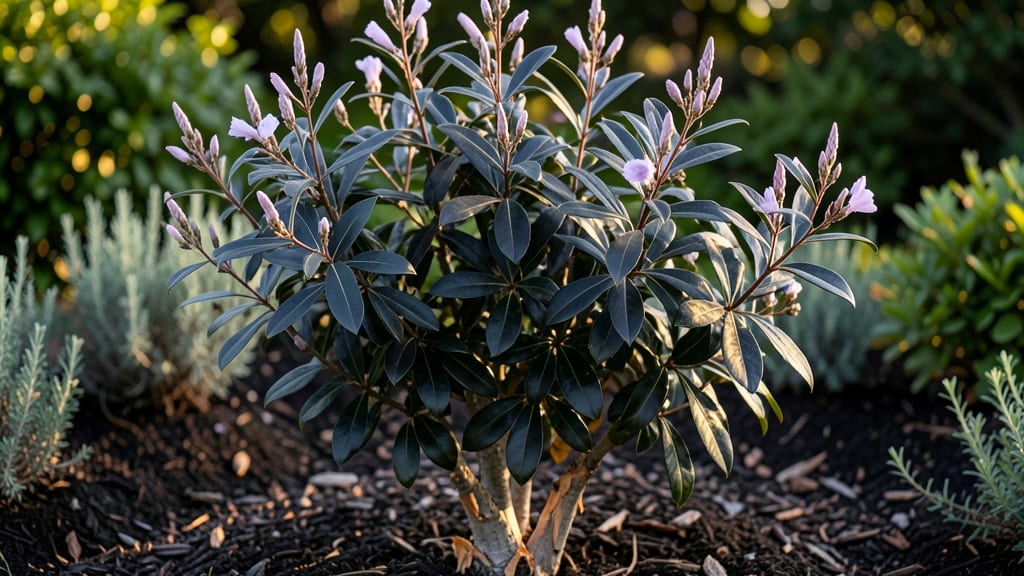
Black leaf crepe myrtle transforms any yard into a dramatic four-season show—with less work than most annuals. 🌿 I planted mine five years ago, and it’s still thriving with near-zero fuss, its deep purple-black foliage standing out against any backdrop. The secret?
It tolerates heat, drought, and even poor soil better than 90% of shrubs I’ve tried. This isn’t just a summer spectacle—it delivers year-round interest. Spring brings delicate white blooms, fall turns leaves fiery red, and winter reveals striking bark.
In my Zone 7 garden, it handles summer heat without wilting or losing leaves, while most shrubs struggle. The only real maintenance? A light pruning in late winter to shape it up. You’ll end up with a low-maintenance shrub that outshines traditional options.
No deadheading, no constant watering, and no pest problems—just bold color that keeps neighbors asking questions. Perfect for borders, foundation plantings, or as a standalone statement piece. Works equally well in full sun or partial shade, and adapts to almost any soil type.
Here’s how to keep yours looking its best all season long.
Understanding Blackened Foliage Causes
If your crepe myrtle’s leaves are turning black, it’s usually a sign of stress—whether from pests, diseases, or environmental factors. Let’s break down the most common culprits and why they trigger this dramatic shift in leaf color.
Fungal diseases like anthracnose or target spot thrive in warm, humid conditions. These pathogens release toxins that disrupt the plant’s chlorophyll production, causing leaves to darken, wilt, or develop blackened spots.
🔬 How it happens:
- Overhead watering keeps leaves damp for long periods, creating the perfect breeding ground for fungi.
- Poor air circulation (from dense plantings or thick foliage) traps moisture, accelerating fungal spread.
- Stressed plants (due to drought, poor soil, or nutrient deficiencies) are more susceptible to infections.
💡 Pro Tip: Space plants 5–6 feet apart to improve airflow. Water at the base in the morning to allow foliage to dry quickly.
Sap-sucking pests like aphids, scale insects, or spider mites inject toxins into leaves as they feed. This disrupts the plant’s vascular system, leading to blackened, crinkled, or sticky leaves (a sign of honeydew buildup).
🔬 How it happens:
- Drought stress weakens the plant, making it easier for pests to invade.
- Over-fertilization with nitrogen encourages soft, tender growth that pests love.
- Lack of natural predators (like ladybugs or lacewings) allows infestations to spiral.
💡 Pro Tip: Blast pests off with a strong spray of water or introduce neem oil (a natural insecticide) to break their life cycle.
Crepe myrtles are tough, but extreme conditions can push them over the edge. Blackened leaves often signal heat stress, cold damage, or improper watering.
| Cause | Signs | Solution |
|---|---|---|
| Overwatering | Yellowing leaves that turn black and mushy; possible root rot. | Improve drainage with compost or sand; water only when the top 2 inches of soil are dry. |
| Underwatering | Leaves curl, crisp, and darken at the edges. | Deep water 1–2 times per week (more in extreme heat). Mulch to retain moisture. |
| Cold Damage | Blackened, wilted leaves after a hard freeze (below 20°F). | Prune damaged branches in early spring; protect young plants with burlap wraps. |
| Heat Stress | Leaves scorch, turn black, and drop during prolonged dry spells. | Provide afternoon shade in extreme heat; water deeply at the roots. |
💡 Pro Tip: Mulch with 3–4 inches of organic material (like wood chips) to regulate soil temperature and moisture.
Blackened leaves can also indicate a lack of magnesium, nitrogen, or iron. These nutrients are critical for chlorophyll production—without them, leaves turn yellow (chlorosis) before darkening.
🔬 How it happens:
- Poor soil quality (especially clay or sandy soils) locks out essential nutrients.
- Over-pruning removes foliage needed for photosynthesis, starving the plant.
- pH imbalances (soil too acidic or alkaline) prevent nutrient uptake.
💡 Pro Tip: Test your soil’s pH (ideal range: 6.0–7.0 for crepe myrtles). Amend with compost or sulfur if needed, and fertilize with a balanced, slow-release formula in early spring.
Most black leaf issues are fixable—once you identify the root cause, you can restore your crepe myrtle’s vibrant health! 🌿
Quick Fixes for Leafy Problems
Black leaves on your crepe myrtle don’t have to mean the end of its beauty—most issues are fixable with the right approach. Below, we’ll tackle the most common causes of blackened leaves and provide clear, step-by-step solutions.
Whether it’s disease, pests, or environmental stress, these fixes will help your shrub bounce back to its vibrant best.
If your crepe myrtle’s leaves are turning black with spots or a fuzzy coating, a fungal infection is likely the culprit. Here’s how to treat it:
- 🔥 Prune the Infected Areas
- Use sterilized pruners (wipe with rubbing alcohol) to trim away all blackened or spotted leaves.
- Remove at least 6 inches below the affected area to prevent reinfection.
- Dispose of the clippings in the trash (not compost)—fungi can survive in compost piles.
- 🍳 Apply a Fungicide
- Choose a copper-based fungicide (like copper sulfate) or a neem oil solution (1 tbsp neem oil + 1 quart water + a drop of dish soap).
- Spray both sides of the leaves thoroughly, focusing on the undersides where fungi often hide.
- Reapply every 7–10 days until new growth appears.
- 🌡️ Improve Airflow & Light
- Thin out dense branches to allow sunlight and air to circulate.
- Avoid overhead watering—use a soaker hose or drip irrigation to keep foliage dry.
💡 Prevention Tip:
- Space your crepe myrtle at least 3–4 feet apart from other plants to reduce humidity buildup.
- Water early in the morning so leaves dry quickly.
Blackened, sticky, or curled leaves often signal a pest invasion. Here’s how to evict them:
- 👨🍳 Blast Off Pests with Water
- Use a strong spray of water (hose on medium setting) to knock off aphids and spider mites.
- Repeat every 3–4 days for severe infestations.
- 🥘 Introduce Natural Predators
- Ladybugs and lacewings eat aphids—buy them online or attract them with dill or fennel plants nearby.
- Birds help too—install a bird feeder to encourage pest-hunting species.
- ✨ Use Insecticidal Soap or Oil
- Mix 1 tsp mild castile soap + 1 quart water or 1 tbsp horticultural oil + 1 quart water.
- Spray directly on pests (not just leaves) for best results.
- Apply early in the morning to avoid harming beneficial insects.
🎯 Prevention Tip:
- Inspect new plants before bringing them home—quarantine them for a week.
- Avoid over-fertilizing—soft, new growth attracts pests.
Black leaves from stress are often a sign of too much or too little water, or intense heat. Adjust your care routine with these fixes:
| Problem | Signs | Solution |
|---|---|---|
| Overwatering | Yellow-black leaves, mushy stems | Let soil dry 2–3 inches deep before watering. Improve drainage with gravel or sand. |
| Underwatering | Crispy, blackened leaf edges | Water deeply 1–2 times per week (more in extreme heat). Use mulch to retain moisture. |
| Heat Scorch | Blackened leaf tips (common in summer) | Provide afternoon shade with a lightweight shade cloth (30–50% coverage). Water deeply in the evening. |
💡 Prevention Tip:
- Test your soil—crepe myrtles prefer well-draining, slightly acidic soil (pH 6.0–7.0).
- Mulch heavily (3–4 inches) to regulate soil temperature and moisture.
Once you’ve treated the immediate issue, keep your crepe myrtle thriving with these habits:
- Prune in late winter/early spring to remove dead wood and improve airflow.
- Fertilize lightly in spring with a balanced, slow-release fertilizer (10-10-10).
- Monitor regularly—catch problems early before they spread!
With the right care, your crepe myrtle will reward you with lush, green foliage and stunning summer blooms—no drama required! 🌿✨
Frequently asked questions
How fast does a black leaf crepe myrtle grow?
These shrubs grow at a moderate rate, adding about 12–24 inches per year under ideal conditions. In the first few years, you’ll see the most rapid growth, with mature specimens reaching 10–20 feet tall and 6–12 feet wide depending on pruning habits.
Can black leaf crepe myrtle survive in containers?
Yes! They adapt well to containers if you choose a large enough pot (at least 24 inches deep) with drainage holes. Use a well-draining potting mix and repot every 2–3 years to refresh nutrients. Just be prepared to water more frequently than in-ground plants.
When is the best time to prune black leaf crepe myrtle?
The ideal time is late winter or early spring (just before new growth begins). Avoid pruning in fall or summer—this can stimulate tender growth that won’t survive winter. Always remove dead or crossing branches first, then shape as needed. Never "top" the plant—this harms its natural form.
Do black leaf crepe myrtles attract butterflies?
Their fragrant summer blooms are a magnet for swallowtail butterflies, monarchs, and hummingbirds. The nectar-rich flowers provide essential fuel for migrating butterflies. Planting near other pollinator-friendly shrubs creates an even better habitat.
How cold-hardy are black leaf crepe myrtles?
They handle temperatures down to 0°F in mature plants (Zones 7–9), though young specimens may need winter protection in colder climates. The bark becomes more attractive in winter, adding seasonal interest. For extra safety, wrap young plants with burlap during harsh freezes.