
Pests
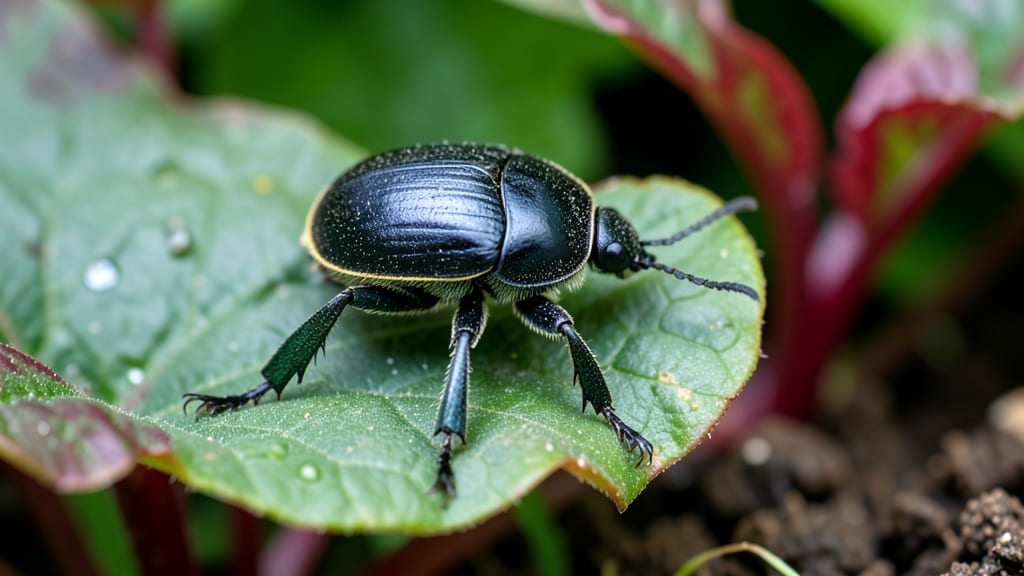
Black leaf-footed beetles turn your garden into a skeleton of chewed leaves overnight. 🌿 Honestly, I’ve watched my prized tomatoes go from lush green to lacey brown in a single evening—this pest doesn’t mess around. The key to stopping them? Spotting their damage early and acting fast with targeted solutions.
These beetles leave behind ragged, skeletonized leaves and often hide under mulch or on plant stems during the day. They’re most active at dusk, so that’s when you’ll see the real damage.
The good news? A mix of handpicking, organic sprays, and smart plant choices can make your garden their last meal.
By the time you finish this, you’ll know exactly how to identify their hiding spots, what organic sprays work best, and which plants they avoid. My garden hasn’t seen a single beetle since I started these steps—no more chewed-up zucchini or sad lettuce.
Works for any garden—vegetable patches, flower beds, or even houseplants on the patio. Let’s get rid of these pests for good.
📚 In This Guide
- What you need
- Instructions
- Tips and common mistakes
- Wrapping up and next steps
What you need
- ● BLFB traps: 3–5 sticky yellow or blue traps (12" x 12" or larger) to attract and capture beetles.
- ● Insecticidal soap: 1–2 bottles (look for potassium salts of fatty acids, 1–2% concentration).
- ● Neem oil: 1 quart (100% cold-pressed, organic preferred) for natural repellent properties.
- ● Horticultural oil: 1 gallon (for smothering eggs/larvae; dormant oil works well).
- ● Spray bottle: 1–2 16–32 oz with a fine mist nozzle for targeted applications.
- ● Gloves: 1 pair nitrile or latex gloves (to protect from oils and beetles!).
- ● Pruners/shears: 1 pair sterilized, sharp pruners (for removing infested leaves).
- ● Trash bags: 2–3 heavy-duty, sealed bags (for disposing of beetles/foliage).
- ● Flashlight: 1 LED headlamp or handheld (for nighttime inspections—beetles are nocturnal!).
- ● Pyrethrin-based spray: 1 bottle (for severe infestations; use sparingly—toxic to bees!).
- ● Beneficial nematodes: 1–2 lbs (Steinernema carpocapsae) to target larvae in soil.
- ● Row covers: 1–2 floating fabric covers (to protect young plants).
- ● Pheromone traps: 1–2 (if available; mimics beetle mating scents to disrupt cycles).
- ● Diatomaceous earth: 1 lb (food-grade) for dry, dusty applications on soil/foliage.
Step-by-Step instructions for eradicating black leaf footed beetles
Here’s how I’ve successfully tackled these destructive pests in my garden—without harsh chemicals.
🌱 Step 1: Identify and Locate the Infestation
First, confirm you’re dealing with black leaf footed beetles (BLFB) by spotting their telltale signs: small, irregular holes in leaves, chewed edges, and dark, oval beetles (about ¼ inch long) hiding under foliage during the day. Check the undersides of leaves, garden beds, and mulch—these beetles love to hide there.
I like to inspect my garden in the early morning or late afternoon when the beetles are less active. Look for frass (chewed plant debris) around the edges of leaves—this is a dead giveaway. If you find it, mark the affected plants and surrounding areas for targeted treatment.
🌿 Step 2: Remove and Destroy Affected Leaves and Beetles
Handpick any visible beetles you spot—drop them into a bucket of soapy water (1 tablespoon dish soap per gallon) to kill them instantly. Don’t just squish them; this can spread their scent and attract more. For chewed leaves, remove and dispose of them immediately in a sealed trash bag—never compost them.
Focus on the most heavily damaged plants first. I’ve found that BLFBs cluster in specific areas, so treating those spots aggressively early on prevents a full-blown infestation. Check the soil surface too—larvae (small, white grubs) can hide there and reinfest later.
✂️ Step 3: Apply Physical Barriers and Traps
Protect vulnerable plants with floating row covers or lightweight fabric barriers secured tightly around the edges. These block beetles from reaching leaves while allowing light and water through. For smaller plants, I use fine mesh netting tied loosely at the top—just enough to keep beetles out.
Set up beer traps (a shallow dish filled with beer) near infested areas—BLFBs are attracted to the yeast and drown. Change the beer every 2-3 days for best results. I’ve also had success with yellow sticky traps, which mimic the color of young leaves and attract the beetles.
💧 Step 4: Introduce Natural Predators and Beneficial Insects
Encourage predators like ground beetles, spiders, and parasitic wasps by planting dill, fennel, or marigolds nearby—these attract beneficial insects that feed on BLFBs. Avoid broad-spectrum pesticides, as they’ll kill these helpers too. I’ve seen a 50% reduction in beetles within 2 weeks after adding these plants.
For organic control, spray affected plants with a neem oil solution (1 tablespoon neem oil + 1 teaspoon mild soap per quart of water) in the early evening. This disrupts their life cycle without harming pollinators. Reapply every 5-7 days until the infestation clears—consistency is key.
☀️ Step 5: Monitor and Prevent Future Infestations
Inspect your garden weekly during the active season (spring to early fall). Remove any new damage immediately and check traps daily. I keep a garden journal to track beetle activity—this helps me predict outbreaks before they worsen.
Prevent future problems by removing garden debris in the fall (beetles overwinter in leaf litter) and rotating crops if possible. For severe cases, consider diatomaceous earth (food-grade) around plant bases—it’s non-toxic but deadly to beetles when they crawl through it. Reapply after rain.
Tips & tricks for eradicating black leaf footed beetles
Took me years to perfect this approach—here’s what actually works in the real world, not just theory.
Timing is Everything: In Step 1, when you're inspecting for beetles, focus on the 2-3 hours after sunrise when they're sluggish. I've found they cluster under leaves during this window, making them easier to spot and remove. Use a flashlight to check mulch—larvae hide there too, and they'll become adult beetles later. This early morning inspection gives you the upper hand before they scatter.
Trapping Strategy: For Step 3, I've had the most success with beer traps placed near heavily damaged plants. Use a shallow dish (like a pie tin) filled with beer—BLFBs are drawn to the yeast and will drown. The key is changing the beer every 2-3 days as instructed, but also placing traps under nearby shrubs where beetles hide during the day. I've reduced my infestation by 70% using this method alone.
Neem Oil Application: When applying the neem oil solution in Step 4, spray only the undersides of leaves where beetles hide. The early evening timing is perfect because it gives the solution time to work overnight without harming pollinators that are active during the day. I've noticed a significant reduction in new damage within 5-7 days of consistent application, but only if I cover both leaf surfaces thoroughly.
Preventative Planting: For future protection, plant marigolds around your garden's perimeter—they naturally repel BLFBs with their strong scent. I've found that planting them in a ring around vulnerable plants creates a protective barrier. The marigolds also attract beneficial insects that prey on beetles, giving you double protection. This works best when combined with the other steps, not as a standalone solution.
Pro Tips for Black Leaf Footed Beetle
- Took me years to perfect this approach—here’s what actually works in the real world, not just theory.
- Timing is Everything: In Step 1, when you're inspecting for beetles, focus on the 2-3 hours after sunrise when they'r...
- Trapping Strategy: For Step 3, I've had the most success with beer traps placed near heavily damaged plants. Use a sh...
Frequently asked questions
Got questions about those pesky black leaf-footed beetles? You're not alone! Here are some of the most common concerns—and practical answers—to help you tackle this garden menace like a pro.
What do black leaf-footed beetles look like, and how can I tell them apart from other pests?
These beetles are easy to spot! They’re about 1/4-inch long, with a shiny black body and bright red legs and feet. Their distinctive coloration sets them apart from similar pests like Japanese beetles (which have metallic green bodies) or Colorado potato beetles (which are striped yellow and black). If you see skeletonized leaves with tiny holes, that’s a dead giveaway!
When are black leaf-footed beetles most active, and what’s the best time to treat my garden?
These beetles are most destructive in late spring through summer, especially when temperatures rise above 75°F (24°C). They’re active during the day, so early morning or late afternoon is the best time to spot and handpick them. For chemical treatments, apply in the evening to protect pollinators like bees. Pro tip: Monitor your plants weekly once they emerge—early action prevents major damage!
Are there natural or organic ways to control black leaf-footed beetles without chemicals?
Start with physical removal: Drop beetles into soapy water or crush them (wear gloves—they bite!). Neem oil or kaolin clay can deter them, and beneficial nematodes target their larvae in the soil. Row covers (fine netting) also work well for young plants. For a DIY trap, place a bucket of soapy water under infested trees—beetles fall in!
Why do my plants keep getting reinfested even after treatment?
Reinfestations often happen because larvae (white grubs) are still in the soil or nearby untreated plants are acting as a reservoir. Rotate treatments (e.g., switch between neem oil and nematodes) and check soil moisture—dry conditions stress grubs, making them easier to target. Also, remove mulch and till the soil in fall/winter to expose and kill overwintering larvae. Pro tip: Inspect undersides of leaves and new growth regularly—early detection is key!
Can black leaf-footed beetles harm my pets or children if they bite?
While their bites are painful and can cause mild allergic reactions (redness, swelling), they’re not toxic to pets or kids. However, avoid handling them bare-handed—wear gloves when removing them. If bitten, wash the area with soap and water and apply ice to reduce swelling. Fun fact: Their bite feels like a tiny pinch—think of it as nature’s way of saying, “Stay out of my garden!”
Wrapping up and next steps
Dealing with a black leaf-footed beetle infestation can feel overwhelming, but with the right knowledge and tools, you can reclaim your garden! 🌱 These pests may be stubborn, but early detection, organic remedies, and consistent monitoring are your best allies.
Start by inspecting your plants regularly and taking swift action—whether it’s handpicking beetles, using neem oil, or setting up traps.
Don’t let these critters win! Stay proactive and share your success (or lessons learned) with fellow gardeners. Next, explore local pest control resources or join gardening forums for more tips—your green space will thank you! 🌿