
Diseases
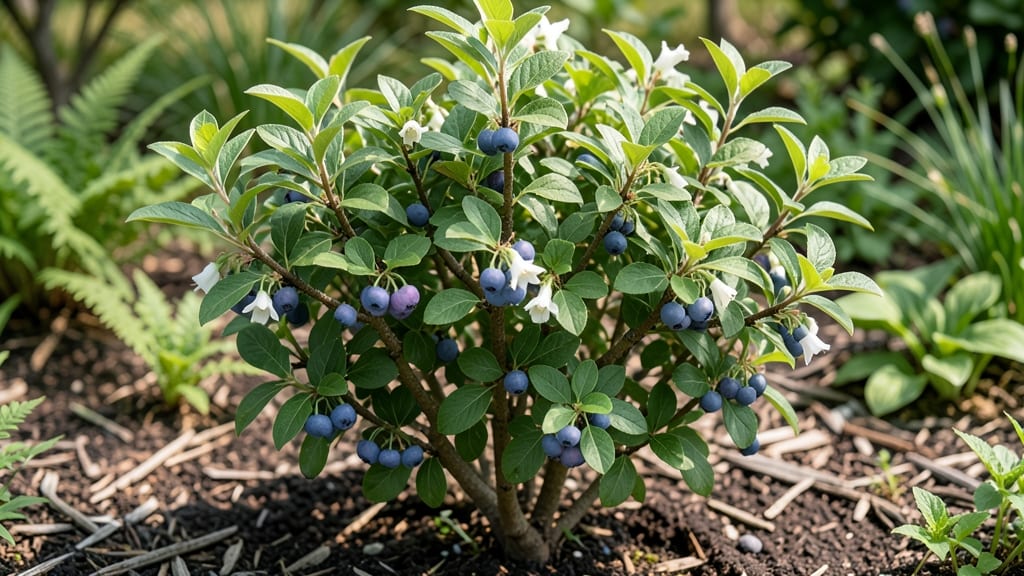
Mastering blueberry leaf identification correctly lets you know exactly which varieties thrive in your Zone 6 garden—and which ones might be struggling before they even fruit.
Struggling to tell your rabbiteye from your highbush? Leaf shape, color, and texture hold the secrets to identifying blueberry varieties—before they even bear fruit. Master these 5 key traits to confidently distinguish between your garden’s bushy residents.
Why does it matter? The wrong variety in your soil can mean wasted space, poor harvests, or even plant death. A rabbiteye’s coarser serrations and highbush’s smoother edges aren’t just details—they’re clues to hardiness, flavor, and care needs.
In this guide, I’ll walk you through the visual cues that separate varieties, how to avoid common mistakes, and which traits to watch for seasonal changes. No more guessing—just confident identification for a healthier blueberry patch.
5 Definitive blueberry leaf traits for accurate variety identification
Identifying blueberry varieties by their leaves is like reading a botanical fingerprint—each leaf trait reveals clues about whether you're growing rabbiteye, highbush, or lowbush blueberries. I've spent years comparing these traits, and the differences are subtle but critical.
For example, the leaf serration pattern on a rabbiteye is noticeably more rounded than the jagged edges of a highbush variety. These distinctions help you choose the right plants for your USDA zone and care for them properly.
Start by examining the leaf shape—this is your first clue. Highbush blueberries typically have elliptical leaves with smooth, slightly curved edges, while lowbush varieties feature smaller, oval-shaped leaves with a more uniform width.
Rabbit-eyes, as their name suggests, often have leaves that resemble those of a rabbit's ear, with a more rounded tip and broader base. Grab a magnifying glass if needed; these details matter!
Next, focus on the leaf serration or the tiny teeth along the edges. Highbush leaves usually have fine, sharp serrations that look like a saw blade under close inspection. In contrast, rabbiteye leaves exhibit softer, rounded serrations, almost like gentle waves.
Lowbush leaves often have minimal or no serrations, giving them a smoother appearance. This trait alone can save you from buying the wrong variety for your garden.
Don't overlook the leaf color—it's another game-changer. New growth on highbush blueberries often starts as a vibrant reddish-purple hue before turning green, while rabbiteye leaves emerge with a more yellow-green tint. Lowbush leaves tend to stay a duller green throughout their lifecycle.
Pay attention to the underside of the leaf too; highbush leaves often have a slightly hairy texture, whereas rabbiteye and lowbush leaves are usually smoother.
Now, let's talk about leaf size and arrangement. Highbush blueberries have larger leaves, typically ranging from 2 to 4 inches long, while lowbush varieties sport smaller leaves around 1 to 2 inches in length. Rabbit-eyes fall somewhere in between, usually measuring 1.5 to 3 inches.
Additionally, observe how the leaves grow on the stem: highbush leaves often alternate in a spiral pattern, while lowbush leaves can appear more clustered or opposite along the branch.
| Trait | Highbush | Rabbit-eye | Lowbush |
|---|---|---|---|
| Leaf Shape | Elliptical | Rounded, ear-like | Oval, small |
| Serrations | Fine, sharp | Soft, rounded | Minimal or none |
| New Leaf Color | Reddish-purple | Yellow-green | Dull green |
| Leaf Size | 2–4 inches | 1.5–3 inches | 1–2 inches |
| Underside Texture | Slightly hairy | Smooth | Smooth |
| Leaf Arrangement | Alternate, spiral | Alternate | Clustered or opposite |
One of my favorite tricks is to check the leaf veins. Highbush blueberries often have prominent, curved secondary veins, while rabbiteye leaves feature straighter, less pronounced veins. Lowbush leaves usually have <
How to use leaf identification to choose the right blueberry bushes for your climate
Identifying blueberry varieties by their leaves isn’t just about aesthetics—it’s your first step to selecting the perfect bush for your USDA hardiness zone, sunlight conditions, and soil type.
Each variety’s leaf traits reveal its ideal growing environment, from highbush blueberries thriving in cooler climates to rabbiteye varieties that love Southern heat. By matching leaf characteristics to your local conditions, you’ll avoid costly mistakes and ensure a thriving harvest.
Start by examining the leaf shape and size. Highbush blueberries typically have oval or elliptical leaves measuring 2–4 inches long, while rabbiteye varieties often feature slightly broader, obovate leaves with a more pronounced tip.
Lowbush blueberries, common in colder regions, produce smaller, rounder leaves under 2 inches. These differences directly correlate with their hardiness zones—highbush varieties (Zones 4–7) handle frost better than heat-loving rabbiteyes (Zones 7–9).
| Variety | Leaf Shape | Hardiness Zone | Sunlight Needs | Soil pH |
|---|---|---|---|---|
| Highbush | Oval/elliptical (2–4") | 4–7 | Full sun to partial shade | 4.5–5.5 |
| Rabbiteye | Obovate (3–5") | 7–9 | Full sun | 4.8–5.5 |
| Lowbush | Round (1–2") | 3–6 | Full sun | 4.0–5.0 |
Next, check the leaf edges and undersides. Highbush blueberries often have finely serrated edges and slightly hairy undersides, while rabbiteye leaves may appear smoother with coarser teeth. These traits hint at their drought tolerance—rabbiteye’s thicker leaves retain moisture better in hot climates.
Pair this with your local rainfall data: if you’re in a dry zone, rabbiteye’s leaf structure gives it an edge over highbush varieties.
Verify your findings by observing the mature plant height and fruit characteristics. Highbush blueberries typically grow 6–12 feet tall and produce medium-sized berries, while rabbiteye varieties max out at 10 feet but yield larger, sweeter fruit.
Cross-reference these with your garden’s space: dwarf highbush varieties (like ‘Top Hat’) stay under 3 feet—ideal for containers or small yards. For acidic soil lovers, lowbush blueberries thrive in pH 4.0–5.0 and produce smaller but intensely flavorful berries.
Don’t overlook the leaf color as a seasonal clue. Young leaves of highbush varieties often emerge reddish-purple, while rabbiteye leaves start greenish-yellow. This color shift aligns with their spring frost tolerance: highbush can handle lighter frosts better.
In Zone 5 or colder, opt for highbush varieties like ‘Bluecrop’—their leaf color and structure signal resilience against late-spring freezes.
Finally, combine leaf traits with local climate data to finalize your choice.
Use the USDA Plant Hardiness Zone Map to confirm your zone, then layer in your average annual sunlight and soil pH. For example, if you’re in Zone 8 with alkaline soil, rabbiteye’s leaf structure and heat tolerance make it the clear winner—despite its higher pH preference.
Always test your soil’s acidity before planting, as even the hardiest blueberry leaves won’t thrive without the right pH balance. 🌱