
Pests and Diseases
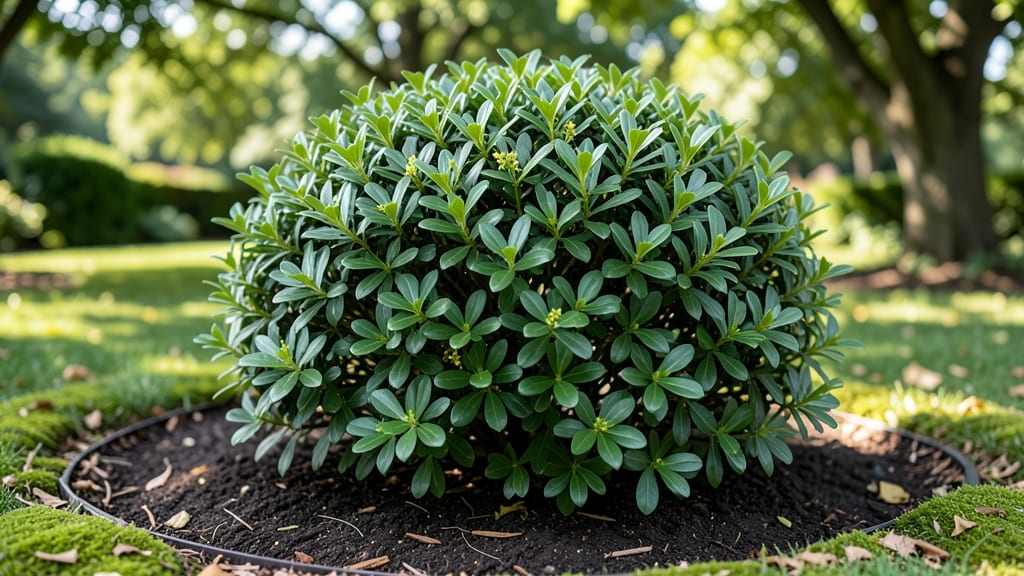
Your boxwood leaf identification tells a story—spot the 7 key signs before it’s too late. 🌿 Healthy boxwood leaves should be glossy, deep green, and firm to the touch, but subtle changes reveal pests, disease, or environmental stress long before the plant shows obvious distress.
I’ve spent years diagnosing boxwood issues, and these visual cues are the first clues to saving your shrubs.
The first thing to check is leaf color and texture. Healthy leaves stay vibrant year-round, but yellowing, browning edges, or dull spots signal trouble—whether it’s spider mites, fungal infections like boxwood blight, or nutrient deficiencies.
Curling leaves or tiny webs on the undersides? That’s a red flag for pests, while dark, greasy spots often mean disease. Compare your leaves to reference photos to spot the difference.
Once you identify the issue, you’ll know exactly how to act—whether it’s pruning affected branches, applying neem oil, or adjusting watering habits. The key is catching problems early, when treatments are easier and more effective.
Think of your boxwood leaves as a dashboard: they’re always telling you what’s wrong before the whole plant breaks down.
This guide breaks down the 7 most common signs, complete with comparisons and next steps. No more guessing—just clear, actionable insights to keep your boxwoods thriving all season long. Let’s get started with the first visual clue you might be missing.
Underlying Causes Of Leaf Changes
Boxwoods are prized for their lush, evergreen foliage, but when leaves start looking off, it’s often due to specific environmental or biological stressors. Understanding why these changes occur is the first step to restoring your shrubs to their vibrant best.
Below, we break down the most common culprits behind leaf discoloration, spots, or deformities—so you can diagnose and act fast.
Boxwoods are hardy, but extreme or inconsistent conditions can push them over the edge. These stressors weaken their defenses, making them more susceptible to pests and diseases.
#### Sunburn and Heat DamageBoxwoods thrive in partial shade, and when exposed to harsh afternoon sun—especially after a cold winter—their leaves can develop brown, crispy patches (a condition called sun scald).
- Why it happens: Direct sunlight increases leaf temperatures beyond what boxwoods can tolerate, causing cellular damage. Young, tender growth is most vulnerable.
- Actionable fix:
- Provide afternoon shade with a lightweight shade cloth (30-50%) or plant near taller shrubs.
- Water deeply in the early morning to reduce heat stress.
- Avoid pruning in peak summer to prevent new growth from burning.
Frost can cause leaves to turn brown or black, especially if the boxwood is dehydrated or exposed to winter winds. This is common in Buxus sempervirens (English boxwood), which is less cold-hardy than Buxus microphylla varieties.
- Why it happens: Freezing temperatures rupture cell walls, and dry winter air accelerates moisture loss. Evergreen leaves continue transpiring (losing water) even in winter, worsening damage.
- Actionable fix:
- Apply a 2-3 inch layer of mulch around the base to insulate roots.
- Use burlap windbreaks in exposed areas.
- Water before the first hard freeze to ensure leaves are hydrated.
Boxwoods hate soggy roots but also suffer from drought. Both extremes lead to yellowing, wilting, or leaf drop.
- Why it happens:
- Overwatering: Poor drainage or compacted soil leads to root rot, starving leaves of nutrients.
- Underwatering: Leaves curl or turn bronze-brown as the plant conserves moisture.
- Actionable fix:
- Test soil moisture—stick your finger 2 inches deep; water if dry.
- Amend clay soil with compost or sand to improve drainage.
- Avoid overhead watering to prevent fungal diseases.
Damp conditions and poor air circulation create the perfect breeding ground for pathogens. These infections often start as small spots that spread rapidly if left unchecked.
#### Boxwood Blight (Cylindrocladium buxicola)🚨 The most destructive threat to boxwoods, this fungal disease causes dark, greasy spots with yellow halos that spread to stems, killing entire branches.
- Why it happens: Spores spread via water splashes, tools, or infected plants. Warm, humid weather (60–80°F) and poor airflow accelerate outbreaks.
- Actionable fix:
- Remove and dispose of infected plants (do not compost).
- Apply fungicide (e.g., chlorothalonil or propiconazole) at first signs.
- Space boxwoods 3–5 feet apart for airflow and avoid overhead irrigation.
This fungus causes tan or brown spots with dark borders, often on the undersides of leaves. Severe cases lead to leaf drop.
- Why it happens: Thrives in wet, shady conditions. Spores overwinter in debris and infect new growth in spring.
- Actionable fix:
- Rake and remove fallen leaves to eliminate spores.
- Water at soil level (use drip irrigation) and avoid late-day watering.
- Apply copper fungicide preventatively in early spring.
Multiple fungi cause small, circular spots with white, gray, or black centers. Unlike blight, these rarely kill the plant but mar appearance.
- Why it happens: Spread by rain or overhead watering, these fungi exploit weak leaves from stress.
- Actionable fix:
- Prune for air circulation and thin dense growth.
- Clean pruners with 70% isopropyl alcohol between cuts.
- Use baking soda spray (1 tsp baking soda + 1 quart water + a drop of soap) as a preventive.
Sap-sucking insects and chewers weaken boxwoods, causing yellowing, stippling, or holes. Early detection is key—these pests multiply fast.
#### Boxwood Leafminer (Monarthropalpus buxi)🐛 The #1 pest for boxwoods, this tiny moth’s larvae create blister-like tunnels in leaves, turning them brown and papery.
- Why it happens: Adult moths lay eggs in spring; larvae hatch and feed inside leaves, protected from sprays.
- Actionable fix:
- Handpick and drop infested leaves into soapy water (larvae fall out when disturbed).
- Apply horticultural oil or neem oil in late winter/early spring to smother eggs.
- Use yellow sticky traps to catch adult moths.
These microscopic pests cause stunted, cupped, or bronze-colored leaves, often on new growth.
- Why it happens: Mites thrive in hot, dry conditions and spread via wind or contaminated tools.
- Actionable fix:
- Spray with water to dislodge mites (repeat weekly if severe).
- Apply miticide (e.g., abamectin) or
Fixing Boxwood Leaf Issues Fast
When your boxwoods show signs of distress, quick action can mean the difference between a full recovery and permanent damage. Below are practical, step-by-step solutions tailored to the most common causes of leaf problems—plus prevention tips to keep your shrubs thriving. 🌿🔧
---
Cause: Overwatering, underwatering, nutrient deficiency, or fungal issues (like box blight).
How to Fix It: 🔥 Check the Soil Moisture Test soil moisture by sticking your finger 1-2 inches deep. If it’s soggy, you’re overwatering; if dry, it’s time to water. Boxwoods prefer consistently moist but well-draining soil.
🍳 Adjust Watering Habits - Overwatering? Reduce frequency and ensure pots or beds have drainage holes. - Underwatering? Water deeply 1-2 times per week (more in extreme heat). Use drip irrigation for even moisture.
👨🍳 Fertilize for a Boost Apply a balanced, slow-release fertilizer (10-10-10 or 20-20-20) in early spring and fall. For yellowing from iron deficiency, use chelated iron supplements.
🥘 Fungal Treatment If leaves have dark spots or powdery mildew, prune affected areas and apply: - Neem oil spray (natural fungicide) - Copper fungicide (for severe blight) - Baking soda spray (1 tsp baking soda + 1 quart water + a drop of dish soap)
⏰ Prevention Tips: ✅ Mulch with 2-3 inches of organic mulch (wood chips or pine straw) to retain moisture and prevent soil-borne diseases. ✅ Water in the morning to allow foliage to dry quickly, reducing fungal growth. ✅ Avoid overhead watering—use soaker hoses instead.
---
Cause: Boxwood leafminers, spider mites, or boxwood moth caterpillars.
How to Fix It: 🔥 Inspect for Pests Shake leaves over a white tray—look for: - Tiny white worms (leafminers) - Fine webbing (spider mites) - Ragged holes (moth caterpillars)
🍳 Manual Removal (Early Stages) - Handpick large caterpillars or leafminers (wear gloves!). - Prune and dispose of heavily infested branches in a sealed bag.
👨🍳 Spray Solutions - Insecticidal soap (for mites and early caterpillars) - Bacillus thuringiensis (Bt) (organic bacteria that kills caterpillars) - Neem oil (disrupts pest life cycles) - For severe cases: Pyrethrin-based spray (follow label instructions)
🥘 Encourage Natural Predators - Ladybugs, lacewings, and parasitic wasps eat leafminers. Plant dill, fennel, or marigolds nearby to attract them.
⏰ Prevention Tips: ✅ Monitor plants weekly during growing season (spring-fall). ✅ Remove fallen leaves where pests overwinter. ✅ Use reflective mulch (like aluminum foil) to deter spider mites.
---
Cause: Boxwood blight (a fungal disease) or sooty mold (from sap-sucking insects like aphids).
How to Fix It: 🔥 Confirm the Cause - Blight: Dark, greasy spots with yellow halos; leaves may drop. - Sooty mold: Black, powdery residue on leaves (from honeydew).
🍳 Prune and Sterilize - Cut out infected branches 6 inches below the damage. - Dispose of clippings in the trash (not compost)—do not burn (spores spread via smoke).
👨🍳 Fungal Control - Remove and replace mulch within 3 feet of infected plants. - Apply fungicide (copper-based or propiconazole) every 7-14 days until new growth appears.
🥘 Treat Underlying Pests (Sooty Mold) - Spray with insecticidal soap or horticultural oil to kill aphids/scale insects. - Hose off sooty mold with water after treating pests.
⏰ Prevention Tips: ✅ Avoid overhead irrigation—use drip systems to keep leaves dry. ✅ Space plants for airflow (boxwoods need 3-4 feet between shrubs). ✅ Rotate fungicides to prevent resistance.
--- Cause: Root rot, heat stress, or dehydration.
How to Fix It: 🔥 Check Roots Gently dig around the base—healthy roots are white/firm; rotten roots are mushy and brown.
🍳 Revive the Plant - For root rot: - Repot in fresh, sterile potting mix with perlite or sand for drainage. - Trim dead roots with sterilized shears. - For heat stress: - Shade cloth (30-50%) for 2-4 weeks. - Mist leaves in extreme heat (early morning only).
👨🍳 Hydration Fix - Water deeply until soil is moist 12 inches down. - Add a root stimulator (like mycorrhizal fungi) to encourage recovery.
⏰ Prevention Tips: ✅ Plant in well-draining soil—amend clay soil with compost and sand. ✅ Avoid planting in low spots where water pools. ✅ Group boxwoods with other shrubs for natural shade in hot climates.
--- 🌱 Prune for Airflow: Thin out dense growth in late winter/early spring to reduce humidity and disease risk. 🌡️ Monitor Soil pH: Boxwoods prefer slightly acidic soil (pH 5.5-6.5)—test and amend with sulfur or peat moss if needed. ✨ Quarantine New Plants: Keep newly purchased boxwoods separate for 2 weeks to spot pests early.
--- Remember: Most boxwood issues are preventable with proactive care. Once you identify the problem, act fast but calmly—your shrubs will bounce back with the right treatment! 🌿💚
Frequently asked questions about boxwood leaf identification
How do I tell if my boxwood leaves are healthy or diseased?
Healthy boxwood leaves are deep green, glossy, and firm with smooth edges. Look for yellowing between veins (chlorosis) or dark spots with yellow halos—these indicate fungal issues like boxwood blight. Check leaf undersides for tiny webs or stippling (signs of spider mites or leafminers).
What's the difference between boxwood blight and sunburn?
Boxwood blight shows as greasy, dark spots with yellow borders that spread to stems, while sunburn appears as brown, crispy patches on leaf edges. Blight thrives in damp conditions, while sunburn occurs in hot, dry exposure. Blight often causes leaf drop, whereas sunburned leaves stay attached but look brittle.
Can I use the same treatment for all boxwood leaf problems?
No—treatments vary by cause. For fungal diseases (like blight), use copper fungicide or neem oil. For pests (leafminers, mites), try insecticidal soap or horticultural oil. Environmental issues (sunburn, drought) require shade adjustment or proper watering. Always identify the problem first!
Why do some boxwood leaves turn bronze in winter?
Bronze-colored leaves in winter are often normal winter coloration, especially in Buxus sempervirens varieties. However, if leaves also feel dry or crispy, it may signal winter burn from cold winds or dehydration. Protect plants with mulch and windbreaks before the first freeze.
How often should I inspect my boxwood leaves for problems?
Check leaves weekly during growing season (spring-fall) and monthly in winter. Early detection is key—catching pests or diseases before they spread saves your shrubs. Use a hand lens (10x magnification) to spot tiny mites or leafminer eggs on leaf undersides.