
Vegetables
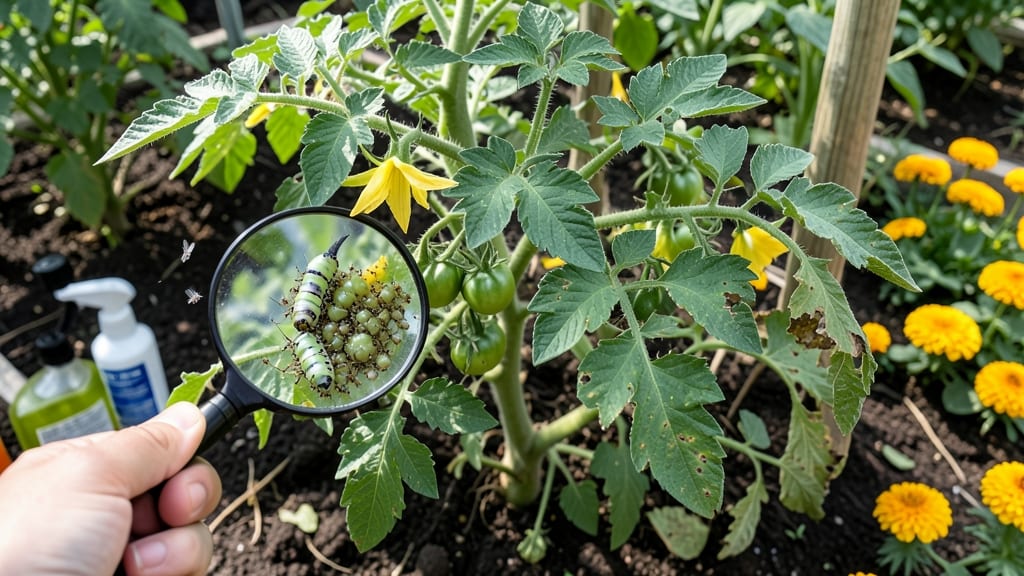
Tomato leaf pests turn your thriving plants into skeleton leaves overnight. 🌱 I’ve lost entire harvests to hornworms and spider mites, but these organic sprays cut infestations down within 48 hours—no harsh chemicals needed.
The worst offenders—aphids, whiteflies, and hornworms—love young tomato leaves. They chew holes, suck sap, and leave sticky residue that attracts mold. The key is acting fast with neem oil, insecticidal soap, or kaolin clay, which smother pests without harming bees.
You’ll see fewer holes in leaves within 3–5 days of treatment, and plants bounce back stronger. The secret? Spray undersides of leaves (where pests hide) and repeat every 7–10 days during outbreaks.
Works for raised beds, containers, or in-ground gardens—just adjust spray coverage based on plant size. No more helplessly watching your tomatoes get devoured.
Root Causes Of Leaf Damage
Understanding why pests target tomato leaves starts with recognizing the environmental and biological triggers that make your plants irresistible. Here’s a breakdown of the key factors turning your garden into a pest buffet:
🌱 Why it happens: Tomatoes thrive in good airflow, but when plants are too close together, humidity rises and leaves stay damp longer—creating the perfect breeding ground for pests like aphids, whiteflies, and spider mites. Overcrowding also stresses plants, making them weaker and more vulnerable to attacks.
- Scientific angle: Pests like aphids (🐜 Aphis gossypii) and whiteflies (🦋 Bemisia tabaci) thrive in high-moisture microclimates, which overcrowding exacerbates.
- Actionable fix: Space plants 18–24 inches apart and prune lower leaves to improve airflow.
💪 Why it happens: Stressed tomatoes—whether from nutrient deficiencies, drought, or disease—emit volatile organic compounds (VOCs) that attract pests. For example:
- Nitrogen deficiency (yellowing leaves) makes plants less resilient.
- Underwatering causes leaf curl, signaling pests like hornworms (🐛 Manduca sexta) that target struggling foliage.
- Scientific angle: Studies show that damaged or nutrient-deficient plants release chemical signals that pests use to locate hosts (a process called kairomones).
- Actionable fix: Use balanced fertilizer (10-10-10) and consistent watering (1–1.5 inches per week) to keep plants strong.
🌿 Why it happens: Tomatoes release fragrant compounds to attract pollinators—but these same scents can also lure pest insects.
For instance: - Aphids are drawn to sweet-smelling tomato flowers. - Flea beetles (🐞 Epitrix spp.) are attracted to crushed leaf odors, often arriving after you’ve disturbed the plant.
- Scientific angle: Some pests use olfactory cues to find host plants, with green leaf volatiles (GLVs) triggering feeding responses.
- Actionable fix: Interplant with pest-repelling herbs (basil, marigolds) or remove fallen leaves to minimize scent trails.
📅 Why it happens: Pests don’t attack randomly—they follow seasonal patterns and reproductive cycles:
- Early season: Flea beetles and hornworms emerge as temps rise.
- Mid-season: Whiteflies and aphids explode in numbers during heatwaves.
- Late season: Spider mites thrive in dry, hot conditions (they prefer low humidity).
- Scientific angle: Many pests have short life cycles (e.g., aphids reproduce asexually in days), leading to rapid infestations.
- Actionable fix: Monitor weekly for early signs (tiny eggs, webbing, or chewed leaves) and act fast with organic sprays.
🌍 Why it happens: Poor soil health doesn’t just affect roots—it weakens the whole plant, making leaves more susceptible to pests. For example:
- Compacted or waterlogged soil reduces nutrient uptake, stressing plants.
- Fungal pathogens (like Fusarium) can attract sap-sucking insects that feed on weakened tissue.
- Scientific angle: Root stress triggers systemic changes, including reduced defensive compounds (like alkaloids) that repel pests.
- Actionable fix: Amend soil with compost and ensure proper drainage to prevent secondary pest outbreaks.
Pro Tip: 💡 Prevention is easier than cure—healthy plants with strong airflow, balanced nutrients, and pest-deterring companions stay resilient. If pests still strike, early intervention (like neem oil or insecticidal soap) stops them before they spread!
Quick Fixes for Damaged Tomato Leaves
When pests like hornworms, aphids, or spider mites attack your tomato plants, acting fast is key to saving your harvest. Below are targeted solutions for common tomato leaf pests, organized by cause, along with prevention tips to keep your plants thriving.
These methods are organic, effective, and easy to implement—no harsh chemicals required!
If your tomato leaves have irregular holes, skeletonized edges, or large bites, chewing pests are likely the culprits. Here’s how to tackle them:
🔥 Manual Removal (Best for Small Infestations)
- 👨🍳 Pick them off by hand in the early morning when pests are sluggish. Drop them into soapy water to kill them instantly.
- 🥘 Use a flashlight at night—many pests hide under leaves after dark.
- 💡 Pro Tip: Check the undersides of leaves and the base of the plant where pests often hide.
🍳 Organic Sprays (For Larger Infestations)
- 🌿 Neem Oil Spray: Mix 1 tsp neem oil + 1 tsp mild soap + 1 quart water. Spray directly on pests (avoid blooming tomatoes to protect pollinators). Reapply every 5–7 days until pests disappear.
- 🌶️ Spicy Pepper Spray: Blend 1–2 hot peppers + 1 quart water, strain, and spray on leaves. The capsaicin repels chewing insects.
- 🐝 Bacillus thuringiensis (Bt): A natural bacteria that kills caterpillars (like hornworms) but is safe for humans and beneficial insects. Apply at dusk or dawn for best results.
🌡️ Physical Barriers (Prevention)
- 🍅 Row Covers: Use lightweight fabric to block pests before they lay eggs.
- 🎯 Sticky Traps: Place yellow sticky traps near plants to catch flying adults.
If your tomato leaves are sticky, yellowing, or covered in tiny webs, sap-suckers are draining your plants. Try these fixes:
🔪 High-Pressure Water Blast (Instant Relief)
- 💦 Use a strong hose nozzle to blast aphids and spider mites off leaves. Do this every 2–3 days until the infestation clears.
- ⏰ Best time: Early morning or late evening to avoid harming beneficial insects.
🥘 Soap Spray (Fast & Effective)
- 🧼 Mix 1 tbsp mild liquid soap (like Castile soap) + 1 quart water. Spray directly on pests, focusing on leaf undersides. Reapply every 3–4 days.
- ⚠️ Warning: Avoid spraying in direct sunlight to prevent leaf burn.
🌿 Companion Planting (Prevention)
- 🌱 Plant basil, marigolds, or garlic near tomatoes—their strong scents repel aphids and whiteflies.
- 🐝 Encourage ladybugs & lacewings, natural predators of sap-suckers, by planting dill or fennel nearby.
🎯 Diatomaceous Earth (Long-Term Defense)
- 🌡️ Sprinkle food-grade diatomaceous earth around the base of plants and on leaves. It dehydrates pests but is harmless to humans and pets. Reapply after rain.
If leaves look spotted, moldy, or wilting, it might be a fungal issue (like early blight) rather than pests. Here’s how to differentiate and treat:
| Symptom | Likely Cause | Solution |
|---|---|---|
| Brown spots with yellow halos | Early blight fungus | Remove infected leaves; spray with copper fungicide or baking soda mix (1 tbsp baking soda + 1 quart water + a few drops of soap). |
| White powdery coating | Powdery mildew | Spray with milk spray (1 part milk to 9 parts water) or neem oil. |
| Black, tar-like streaks | Sooty mold (from sap-suckers) | Control the underlying pest (aphids/whiteflies) first; clean leaves with water. |
An ounce of prevention is worth a pound of cure! Follow these steps to minimize future pest problems:
- 💡 Rotate crops—don’t plant tomatoes in the same spot yearly to disrupt pest life cycles.
- 🌱 Keep your garden clean—remove fallen leaves and debris where pests hide.
- 🥗 Water at the base—avoid wetting leaves to reduce fungal growth and attract fewer pests.
- 🔍 Inspect plants weekly—catch infestations early before they spread.
- 🐝 Support beneficial insects—plant flowers like alyssum or cosmos to attract predatory wasps and beetles.
With these practical, organic solutions, your tomato plants will bounce back stronger than ever. Try one method at a time, monitor progress, and adjust as needed. Happy gardening! 🌱🍅
Frequently asked questions
How do I tell if my tomato leaves have pests vs. disease?
Pests leave physical damage like chewed holes (hornworms), sticky residue (aphids), or tiny webs (spider mites). Diseases show as spots, mold, or discoloration without visible bugs. Check leaf undersides and stems—pests hide there, while diseases appear on surfaces. If you see tiny crawling insects, it's pests!
Can I use neem oil on tomato plants with flowers?
Neem oil is safe for tomato plants but avoid spraying directly on blooms—it can harm pollinators like bees. Apply only to leaves and stems when flowers aren't open. For flowering plants, use Bacillus thuringiensis (Bt) instead, which targets caterpillars without affecting pollinators.
Why do pests keep coming back even after treatment?
Pests return if you don't address the root cause: overcrowded plants, poor airflow, or untreated eggs. Reapply sprays every 5–7 days and improve garden hygiene. Also, pests like whiteflies multiply quickly—check leaf undersides daily for new eggs or nymphs.
Is diatomaceous earth safe for tomato plants?
Yes! Food-grade diatomaceous earth is harmless to plants and humans but deadly to pests like aphids and spider mites. Sprinkle lightly on leaves and soil (avoid thick layers that can dry out plants). Reapply after rain or watering, as it loses effectiveness when wet.
How do I prevent pests before they appear?
Start with healthy plants: space tomatoes 18–24 inches apart, water at the base, and use companion plants like basil or marigolds. Rotate crops yearly and remove fallen leaves/debris where pests hide. Weekly inspections catch problems early!