
Pests and Diseases
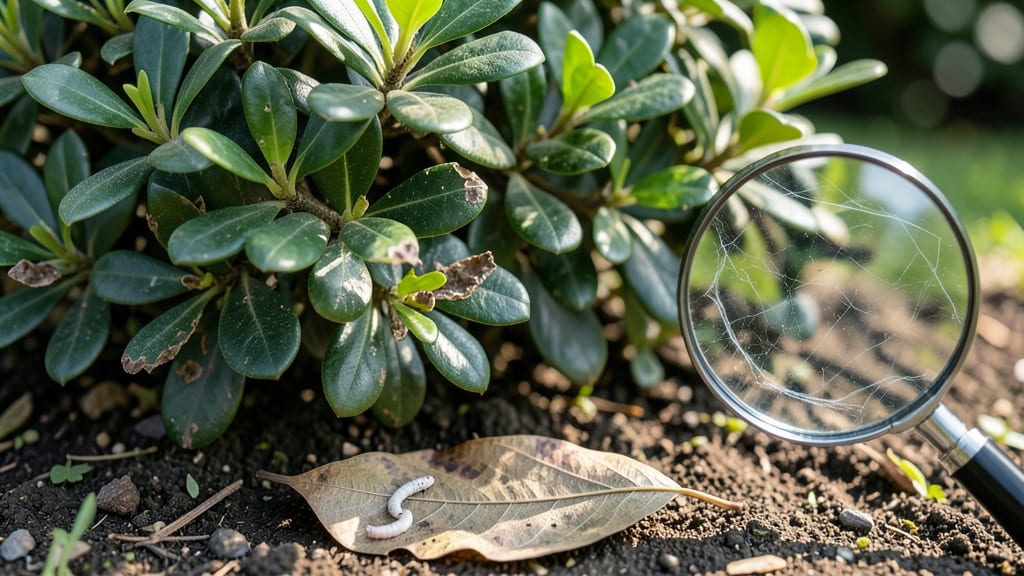
Your boxwood shrubs look like they’ve been hit by a secret enemy—and they have. 🌿 The boxwood leaf miner is a tiny but devastating pest that turns lush green leaves into skeletal brown husks, and the damage spreads faster than you’d think.
I’ve watched this exact scenario play out in my own garden, where my carefully pruned boxwoods went from picture-perfect to pathetic in just a few weeks.
The problem starts when these pale, worm-like larvae burrow into leaves, creating serpentine trails that kill the tissue. By the time you notice the telltale brown blotches, the miners are already pupating inside your shrubs, ready to emerge as adults and start the cycle again.
The good news? You can stop it with organic sprays, proper pruning, and a few smart preventive tricks—no harsh chemicals required.
What you’ll end up with is boxwoods that stay vibrant, full, and free of those ugly mines. The secret lies in a two-pronged approach: immediate action to kill existing miners and long-term habits to keep them from returning.
Think of it as a reset button for your shrubs—one that works without sacrificing their health or your garden’s ecosystem.
This works for both small hedges and large foundation plantings, and the methods adapt to your schedule. Whether you’re dealing with a fresh infestation or trying to prevent one, here’s how to reclaim your boxwoods—naturally and effectively.
Hidden Invaders Behind Shrub Damage
Boxwood shrubs are prized for their lush, evergreen foliage and structured growth, but they’re also a prime target for a tiny, destructive pest: the boxwood leaf miner. These minuscule larvae burrow into leaves, creating serpentine trails that weaken plants and leave them unsightly.
But why do these pests suddenly appear in your yard? The answer lies in a mix of environmental factors, plant vulnerabilities, and pest behavior. Understanding the root causes helps you protect your shrubs before damage becomes severe.
Boxwood leaf miners thrive where their host plants are already struggling. When shrubs are overcrowded, they compete for sunlight, water, and nutrients, creating stress signals that attract pests. Weakened foliage is easier for larvae to penetrate, and stressed plants produce volatiles—chemical cues that draw in mining insects.
Additionally, poor soil health (e.g., compacted or nutrient-deficient soil) or improper pruning (removing too many leaves at once) can leave boxwoods vulnerable. Larvae target plants that can’t mount a strong defense, making resilience a key factor in prevention.
- Actionable fix: Space boxwoods 3–4 feet apart for airflow, mulch to improve soil, and prune in early spring to avoid shocking the plant.
- Pro tip: 💡 Healthy plants are harder targets—regularly fertilize with compost or slow-release organic granules to boost vigor.
The life cycle of the boxwood leaf miner starts with tiny white eggs laid on the undersides of leaves by adult moths. These eggs overwinter (survive winter) on plant debris or dormant shrubs, hatching in spring when temperatures rise above 50°F (10°C).
The larvae then tunnel into leaves, feeding for 4–6 weeks before pupating in the soil.
If your yard has untreated infestations from previous years, the egg population can explode. Moths are also strong fliers, meaning they can spread from neighboring gardens or wild host plants like bucks horn plant (Sarcococca).
- Actionable fix: Remove and destroy fallen leaves and debris in autumn to eliminate overwintering eggs. Use a fine mesh (like floating row cover) over new growth in early spring to block egg-laying moths.
- Pro tip: ✨ Monitor timing—larvae emerge in May–June in most climates. Set up yellow sticky traps to catch adult moths before they lay eggs.
Boxwood leaf miners prefer warm, humid environments with consistent moisture. Overwatering or poor drainage creates the perfect breeding ground, as damp leaves provide ideal conditions for egg survival and larval development. Additionally, shady, protected microclimates (like under eaves or dense canopies) shield larvae from predators and harsh weather.
Greenhouse-grown boxwoods or newly planted shrubs may also be more susceptible because they lack the natural pest resistance of mature, established plants.
- Actionable fix:
- Ensure proper drainage—amend heavy clay soil with compost or sand.
- Avoid overhead watering; use drip irrigation to keep foliage dry.
- Thin out dense foliage to improve airflow and reduce humidity.
- Pro tip: 🌡️ Heat stress matters—larvae thrive in 70–85°F (21–29°C) ranges. If your area has hot summers, morning watering can cool the canopy and deter pests.
In a balanced ecosystem, parasitic wasps, birds, and beneficial nematodes help control leaf miner populations. However, urban or heavily treated landscapes often lack these predators due to:
- Pesticide use—broad-spectrum chemicals kill both pests and their natural enemies.
- Monoculture gardening—planting only boxwoods (no diversity) removes food sources for predator species.
- Habitat loss—removing leaf litter or ground cover eliminates hiding spots for beneficial insects.
Without these checks and balances, leaf miner populations can spiral out of control within a season.
- Actionable fix:
- Introduce pollinator-friendly plants (e.g., alyssum, dill, or marigolds) to attract parasitic wasps.
- Avoid synthetic pesticides; opt for neem oil or kaolin clay instead.
- Leave some leaf litter in borders to shelter ground-beetles and spiders.
- Pro tip: 🎯 Encourage biodiversity—even a small patch of native wildflowers can boost predator populations by 30%.
How to Treat & Prevent Shrub Damage
Now that you understand why boxwood leaf miners strike, it’s time to take action! The good news? With the right approach, you can minimize damage, restore your shrubs, and prevent future infestations—even organically.
Below, we’ll break down practical solutions by cause, from immediate fixes to long-term strategies. Let’s get your greenery back in fighting shape!
The sooner you act, the easier it is to control the problem. Look for these red flags and act fast:
- Wilting or yellowing leaves (especially in late spring/early summer).
- Visible serpentine mines (tiny, winding tunnels in leaves).
- Adult moths or larvae (tiny, white, worm-like creatures).
- Premature leaf drop or stunted growth.
💡 Pro Tip: Inspect your boxwoods weekly during peak season (May–July). A handheld magnifying glass helps spot early signs.
If your shrubs are already under attack, these quick actions can help slow the spread and protect healthy foliage:
1. Prune Infested Branches (🔪)
- Cut away heavily damaged leaves (where mines are visible) with sterilized pruners.
- Dispose of clippings in a sealed bag—do not compost them!
This prevents larvae from pupating and re-infesting. - Focus on the worst branches first, then gradually trim less affected areas.
2. Apply Organic Sprays (🌿)
Chemical-free options work wonders if used consistently. Try these DIY or store-bought solutions:
| Solution | How to Use | Best Time to Apply |
|---|---|---|
| Neem Oil Spray | Mix 1 tbsp neem oil + 1 tsp mild soap per quart of water. Spray both sides of leaves thoroughly. | Evening (avoid direct sun) |
| Insecticidal Soap | Use a pre-mixed formula (like Safer® Brand). Spray until leaves glisten. | Early morning or late evening |
| Kaolin Clay (Surround WP) | Mix 1–2 tbsp per gallon of water. Creates a barrier that repels adults. | Before moths emerge (spring) |
| Bacillus thuringiensis (Bt) | Targets larvae—spray when you see mines forming. | Late afternoon (less UV damage) |
⏰ Timing Matters: Reapply every 7–14 days during peak moth activity (May–July). Neem oil is safest for bees—apply when they’re not actively foraging (early morning or late evening).
3. Handpick Larvae (👨🍳)
For small infestations, manual removal can make a difference:
- Wear gloves and inspect leaves closely.
- Gently pluck larvae (they look like tiny white worms) and drop them into soapy water.
- Best for: Early-stage infestations or container-grown boxwoods.
Once you’ve treated the current issue, prevent future outbreaks with these smart strategies:
1. Encourage Natural Predators (🐞)
Mother Nature has her own pest control! Attract these beneficial insects to your garden:
- Ladybugs (devour leaf miner eggs).
- Parasitic wasps (like Diglyphus isaea—they lay eggs inside leaf miner larvae!).
- Birds (provide nesting boxes to attract insect-eating species).
💡 Pro Tip: Plant dill, fennel, or yarrow nearby—they attract predatory insects.
2. Improve Garden Hygiene (🧹)
Leaf miners love clutter and debris. Keep your yard clean and tidy:
- Remove fallen leaves (especially under shrubs).
- Prune regularly to improve airflow (reduces stress on plants).
- Mulch properly (2–3 inches of organic mulch like shredded bark).
3. Use Physical Barriers (🛡️)
- Floating row covers (lightweight fabric) over young boxwoods in early spring can block adult moths.
- Sticky traps (yellow or blue) near shrubs catch adult moths before they lay eggs.
4. Choose Resistant Varieties (🌱)
Not all boxwoods are equally vulnerable. Opt for leaf miner-resistant cultivars, such as:
- ‘Green Velvet’
- ‘Winter Gem’
- ‘Dwarf English’
🎯 Prevention Checklist: ✅ Inspect plants weekly during peak season. ✅ Apply neem oil or kaolin clay as a preventative spray in spring. ✅ Prune and clean up fallen debris year-round. ✅ Plant companion flowers to attract predator insects.
If your boxwoods are severely damaged (over 50% leaf loss) or the infestation is spreading rapidly, consider:
- Hiring an arborist for professional treatment.
- Replacing heavily infested shrubs if they’re beyond saving.
Final Thought: With consistent monitoring and organic treatments, you can keep your boxwoods lush and leaf miner-free—no harsh chemicals required! Start with early detection, prune aggressively, and leverage nature’s helpers for a healthier, happier garden. 🌿✨
Frequently asked questions
What do boxwood leaf miner larvae actually look like?
Boxwood leaf miner larvae appear as tiny, pale white or translucent worms, about 1/8-inch long. They’re often found wriggling inside leaves, creating visible serpentine trails as they feed. Look closely on the undersides of leaves—you might spot them moving when the leaf is disturbed.
Can I still use my boxwoods for hedges if they have leaf miners?
Yes, but you’ll need to take immediate action. Severely infested shrubs may lose their neat appearance, but with proper pruning (removing damaged leaves) and organic sprays, you can restore their shape. Focus on treating the worst branches first and monitor regularly to keep them hedge-worthy.
How long does it take for organic sprays to work against leaf miners?
Most organic treatments like neem oil or insecticidal soap show results within 3–7 days, but consistency is key. Reapply every 7–14 days during peak season (May–July) to prevent new eggs from hatching. Kaolin clay works faster as a repellent but requires frequent reapplication.
Will my boxwoods recover if I treat them late in the season?
Late-season treatment can still help, but recovery depends on how much damage has occurred. If leaves are already heavily mined, they won’t regrow, but new growth in spring will be healthier if you act now. Focus on pruning damaged areas and applying preventative sprays in early spring to protect next year’s foliage.
Are there any chemical-free ways to deter adult moths?
Use yellow sticky traps near your boxwoods to catch adult moths before they lay eggs. You can also apply kaolin clay (like Surround WP) as a physical barrier that confuses and repels moths. Planting dill or fennel nearby attracts parasitic wasps that prey on leaf miner eggs.