
Shrubs
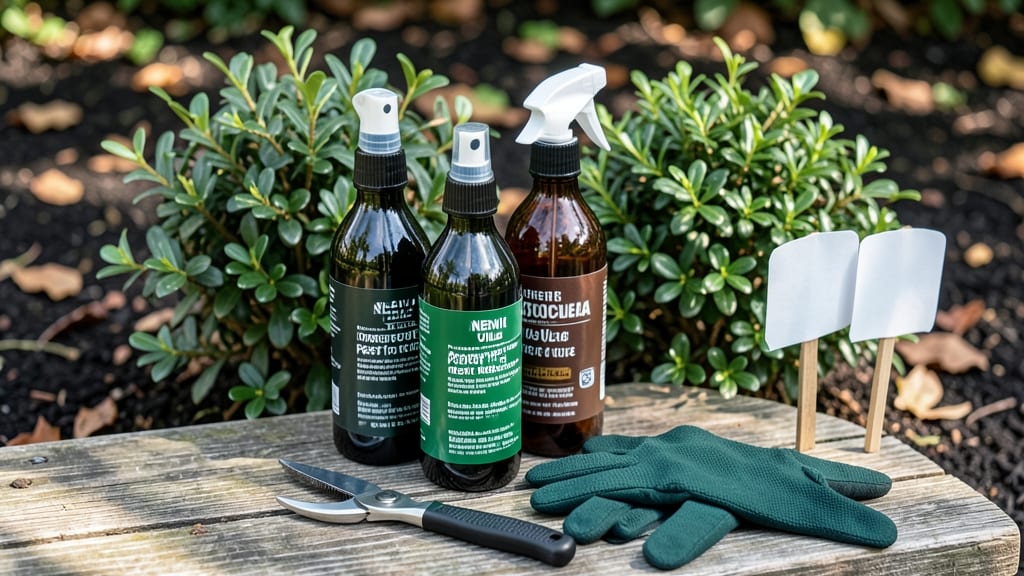
A boxwood leafminer treatment with neem oil spray saved my boxwoods from looking like Swiss cheese. 🌿 The moment I spotted those telltale white trails snaking through the leaves, I knew I needed a fast, organic fix—no harsh chemicals, just results.
This method works in as little as 7-10 days if you catch it early, and it won’t harm your plants or pollinators. The secret isn’t just spraying—it’s timing and technique.
You’ll need to hit the infestation at the right moment, when the larvae are active but before they’ve done too much damage. My boxwoods went from skeletonized to lush and green within two weeks, and the best part? No more leafminers the following season.
What you’ll end up with is boxwoods that look healthy enough to make your neighbors ask for your secret. The key is consistency: reapply every 7-10 days until the new growth is fully formed, and you’ll break the cycle for good.
Works for any boxwood variety, whether you’re dealing with a single shrub or a whole hedge. Here’s how to make it happen without the guesswork.
The Hidden Triggers Behind Leafminer Attacks
Boxwood leafminers—those tiny, voracious pests—don’t just appear out of nowhere. Their infestations are the result of a perfect storm of environmental, biological, and sometimes even human factors. Understanding these causes is key to preventing future outbreaks and protecting your prized boxwood shrubs.
Let’s break down the science behind why these pests target your plants and how they thrive.
Leafminers are opportunistic feeders, and stressed or overcrowded boxwoods make the perfect buffet. When plants are struggling—whether from poor spacing, inadequate sunlight, or nutrient deficiencies—their leaves become softer and more vulnerable to attack.
- Root competition: Overcrowded boxwoods compete for water and nutrients, weakening their natural defenses. Leafminers exploit this by laying eggs on tender, nutrient-depleted foliage.
- Sunlight deprivation: Shady or densely planted boxwoods produce thinner leaves, which are easier for larvae to penetrate. Direct sunlight helps plants develop thicker, tougher leaves that deter pests.
- Nutrient imbalances: A lack of nitrogen or micronutrients (like magnesium or iron) makes leaves less resilient. Leafminers thrive in plants with low chlorophyll, as these leaves are easier to digest.
Actionable fix: Prune for airflow, space plants 3–4 feet apart, and fertilize with a balanced, slow-release formula in early spring to boost plant vigor.
Leafminers (Monarthropalpus buxi) have a precise life cycle tied to temperature and humidity. Adult females emerge in early spring (around 50–55°F) and seek out young, tender boxwood leaves to deposit their eggs—often in clusters on the undersides.
- Timing is everything: Eggs hatch in 7–10 days, and larvae burrow into leaves, creating serpentine mines that disrupt photosynthesis. A second generation often appears in late summer if conditions are ideal.
- Warm, humid microclimates: Leafminers favor shaded, damp areas where moisture lingers. Greenhouses, dense thickets, and northern exposures create perfect breeding grounds.
- Host plant preference: Boxwoods are their only host, so if your shrubs are nearby, they’re the target. Unlike some pests, leafminers won’t switch to other plants.
Actionable fix: Monitor plants in spring and early summer for adult flies (tiny, dark, and moth-like). Use yellow sticky traps to catch them early or apply preventive neem oil sprays before egg-laying peaks.
Leafminers don’t just show up—they’re invited by the weather. While they can survive in a range of conditions, certain climate factors accelerate their population explosion.
| Weather Factor | How It Helps Leafminers | Risk Period |
|---|---|---|
| Cool, wet springs | Slows plant growth, making leaves more susceptible; eggs hatch faster in moist soil. | March–May |
| Humid summers | Larvae thrive in high moisture; fungal diseases (like powdery mildew) weaken plants further. | June–August |
| Mild winters | Adults may survive overwintering in leaf litter or mulch, leading to earlier spring outbreaks. | December–February |
Actionable fix: Improve drainage in planting beds to reduce soil moisture, and avoid overhead watering (which keeps leaves damp). Mulch lightly with coarse material (like pine bark) to allow airflow.
Leafminers are masters of persistence. Even after treating an infestation, they can return if their eggs or pupae survive the winter hidden in plant debris. Neglected gardens provide perfect hiding spots.
- Leaf litter & mulch: Fallen leaves, old prunings, and thick mulch layers harbor pupae. When spring arrives, these larvae emerge ready to feast.
- Unpruned boxwoods: Dense, untrimmed shrubs trap moisture and provide shelter for overwintering pests. Thinning out branches reduces hiding spots.
- Nearby infested plants: If even one boxwood in your yard or neighborhood is infected, leafminers will spread via wind or garden tools.
Actionable fix: Clean up fallen leaves and prunings in late fall, and avoid piling mulch against stems. Sterilize pruners with rubbing alcohol between cuts to prevent spreading eggs.
💡 Pro Tip: Leafminers are most active in the morning and late afternoon. Inspect boxwoods during these times for early signs of eggs (tiny white specks on leaf undersides) or mines (wavy, brown trails). Catching them early is the best defense!
Quick Fixes for Boxwood Leafminers
Now that you understand the causes behind boxwood leafminer infestations, let’s tackle the problem with practical, effective solutions. The key is acting fast—these tiny pests multiply quickly, but with the right approach, you can restore your boxwoods to their lush, healthy selves.
Below, we break down solutions by cause and severity, plus prevention tips to keep future outbreaks at bay.
If you catch the problem early (yellowing leaves, small mines, or a few chewed spots), these methods will work wonders without harsh chemicals.
🍳 Neem Oil Spray: Nature’s Pest Repellent
Neem oil is your first line of defense—it disrupts the leafminer’s life cycle while being safe for plants and pets (when used correctly).
- How to apply:
- Mix 1–2 tablespoons of neem oil with 1 quart of water and a few drops of dish soap (as an emulsifier).
- Spray thoroughly on both sides of leaves, especially where mines are visible.
- Apply every 5–7 days for 2–3 weeks, or until new growth appears.
- Why it works: Neem oil smothers eggs and young larvae, preventing them from maturing into adults.
👨🍳 Prune and Destroy Infested Foliage
Remove heavily damaged leaves immediately to starve the larvae and stop the spread.
- How to do it:
- Clip off yellowed or skeletonized leaves with clean pruners.
- Bag and dispose of (don’t compost!) the clippings to prevent reinfestation.
- Focus on new growth areas where mines are most active.
🌡️ Boost Plant Health with Fertilizer
Stressed boxwoods attract pests. A balanced fertilizer (10-10-10 or organic options like fish emulsion) can help them bounce back.
- When to apply: After pruning, in early spring or fall.
- Pro tip: Water deeply before fertilizing to avoid root burn.
If your boxwoods are heavily defoliated or mines cover most leaves, you’ll need a more aggressive approach.
🥘 Chemical Treatments: When Needed
For severe cases, insecticidal soaps or horticultural oils (like pyrethrin-based sprays) can provide faster relief.
- How to use:
- Follow label instructions precisely—overuse can harm beneficial insects.
- Apply early morning or late evening to avoid harming bees.
- Reapply every 7–10 days until mines stop appearing.
- Best options:
- Safer® Brand Insect Killing Soap (OMRI-listed)
- Bayer Advanced Garden Insect Spray (for tougher cases)
🐛 Biological Controls: Ladybugs & Parasitic Wasps
Encourage natural predators to keep leafminer populations in check.
- How to attract them:
- Plant dill, fennel, or yarrow nearby to draw beneficial insects.
- Release ladybugs or parasitic wasps (available at garden centers) in late spring.
- Avoid broad-spectrum pesticides that kill these helpers.
The best treatment? Preventing infestations in the first place. Here’s how:
💡 Regular Inspections: Catch It Early
- Check boxwoods weekly in spring and summer for early signs (tiny white mines or chewed leaves).
- Focus on undersides of leaves—that’s where eggs are laid.
🎯 Proper Watering & Mulching
- Water deeply but infrequently (1–2 inches per week) to avoid stressing plants.
- Apply 2–3 inches of mulch to retain moisture and deter pests.
🌿 Plant Resistant Varieties
Some boxwood cultivars are less appealing to leafminers, such as:
- ‘Green Velvet’
- ‘Winter Gem’
- ‘Dwarf Korean’
✨ Seasonal Maintenance
- Fall cleanup: Remove and destroy all fallen leaves (leafminers overwinter in leaf litter).
- Spring pruning: Thin out dense growth to improve airflow and reduce hiding spots.
Final Note: Patience is key—recovery can take 4–6 weeks, but consistent care will have your boxwoods thriving again. If infestations persist, consult a local arborist for tailored advice. 🌿
Frequently asked questions
How do I know if my boxwoods have leafminers?
Look for tiny white trails or serpentine patterns inside leaves—these are the larvae feeding between leaf layers. You may also spot small white eggs on leaf undersides or yellowing, chewed leaves. Check both sides of leaves and focus on new growth areas.
Can I use neem oil if I have other plants nearby?
Yes, neem oil is safe for most plants when used properly. However, avoid spraying in direct sunlight or on flowering plants (it may harm pollinators). Always test a small area first, and don't apply if temperatures exceed 90°F—it can burn foliage.
Will pruning help stop leafminers?
Removing heavily infested leaves starves the larvae and prevents spread. Always prune with clean tools, dispose of clippings in sealed bags (not compost), and focus on new growth where mines appear most active.
How long does it take to see results from treatment?
With consistent neem oil applications (every 7-10 days), you should see improvement in 2-3 weeks. For severe cases, chemical treatments may show faster results, but biological controls (like ladybugs) take 4-6 weeks to establish.
Can leafminers come back after treatment?
Yes, if eggs or pupae survive in leaf litter or mulch. To prevent recurrence, clean up fallen leaves in fall, improve airflow with pruning, and apply preventive sprays in early spring before adult flies emerge.