
Pests and Diseases
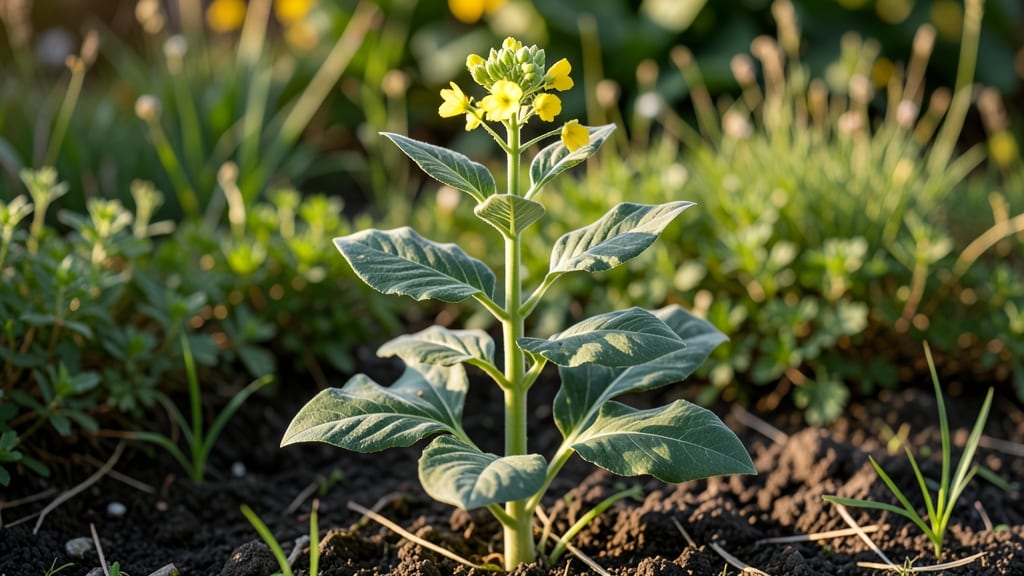
The brassica napus leaf is the unsung hero of cold-season gardens. 🌱 I've grown these hardy greens through frost and heat, and they never fail to deliver—whether you're after tender baby leaves or full-sized, nutrient-packed stalks for salads and soups.
The secret lies in their adaptability: they thrive in poor soil, tolerate light frosts, and produce harvests when most greens have given up. My favorite varieties include 'Winterbor' for its sweet flavor and 'Tendergreen' for its compact growth—both handle temperatures down to 15°F without skipping a beat.
You'll start with seeds in early spring or late summer for fall harvests, then enjoy continuous cutting for months. The leaves stay crisp and flavorful even after light frosts, making them perfect for winter stir-fries or fresh spring salads.
Pests like cabbage moths are the only real challenge, but a simple row cover or neem oil spray keeps them at bay. Once you master this cold-hardy crop, you'll never run out of fresh greens—no matter what the weather brings.
📚 In This Guide
- What you need
- Instructions
- Tips and common mistakes
- Wrapping up and next steps
What you need
- ● Brassica napus seeds or seedlings: Choose cold-hardy varieties like ‘Mammoth Leaf’ or ‘Nero di Toscana’ (rapeseed types).
- ● Quantity: 1–2 oz of seeds (or 10–20 seedlings) per 100 sq ft.
- ● Well-draining soil: pH: 6.0–7.0 (slightly acidic to neutral).
- ● Amend with compost (1–2 gallons per 10 sq ft) for fertility.
- ● Organic mulch: Straw or shredded leaves (2–3 inches thick) to retain moisture and insulate roots.
- ● Garden tools: Trowel or transplanting spade.
- ● Pruners (for harvesting outer leaves).
- ● Garden fork (for loosening soil).
- ● Watering supplies: Watering can or drip irrigation system (consistent moisture is key!).
- ○ Optional but helpful: Row covers or cold frames (to extend the growing season in frost-prone areas).
- ● Organic pest deterrents (neem oil, diatomaceous earth).
- ● pH testing kit (to monitor soil acidity).
- ● Full-sun location (6+ hours of sunlight daily).
- ● Access to water (drip irrigation or hose with a gentle spray nozzle).
- ● Basic knowledge of Brassica care (e.g., avoiding overcrowding, proper spacing).
- ● Patience! Some varieties take 60–90 days to mature.
How to grow and maintain cold-hardy kale for year-round harvests
Here’s how I’ve grown Brassica napus leaf varieties through winter—no greenhouses needed.
🌱 Step 1: Select the Right Variety and Planting Time
Choose cold-hardy kale varieties like ‘Winterbor’ or ‘Red Russian’—they thrive in 20°F and sweeten after frost. Plant seeds 4-6 weeks before your first fall frost for a fall harvest, or late summer for a winter crop. Direct-sow seeds ¼ inch deep in well-drained soil with full sun to part shade—they tolerate some shade but produce best with 5-6 hours of sunlight daily. I’ve found that planting in late August gives me tender leaves by October.
If you’re extending into winter, succession plant every 3 weeks for continuous harvests. The key is timing: seeds sown too early bolt in heat, while late plantings won’t mature before cold sets in. Watch for first true leaves (not the initial cotyledons) to appear in 7-10 days—that’s your cue to thin seedlings to 12 inches apart for strong growth.
☀️ Step 2: Provide Optimal Growing Conditions
Kale loves cool weather but needs fertile, slightly acidic soil (pH 6.0-6.8). Work in 2-3 inches of compost before planting—this variety is heavy-feeder and won’t tolerate poor soil. Water deeply 1-2 times per week, aiming for 1 inch of moisture total. Let the top inch of soil dry between waterings to prevent rot, but keep leaves crisp by avoiding soggy roots.
Mulch with 2-3 inches of straw after soil freezes to insulate roots and protect from temperature swings. I’ve seen kale survive subzero nights with this method—just remove mulch in spring to prevent overheating. If your winters are mild, a frost cloth draped over plants adds an extra 5-10°F of protection when temps dip below 25°F.
✂️ Step 3: Harvest Strategically for Year-Long Production
Start harvesting outer leaves when plants reach 8-10 inches tall, leaving the center intact. This encourages bushier growth and extends the season. In winter, harvest every 2-3 weeks—leaves taste sweeter after frost, but avoid cutting into the stem unless you’re ready to harvest the whole plant. I use clean, sharp scissors to snip leaves at the base, which prevents damage and disease.
For a spring harvest, leave plants in the ground until late winter. They’ll bolt in warm weather, so pull or cut them back when temperatures rise above 70°F. If you’re growing for seed, let a few plants flower—they’ll attract pollinators and self-seed for next year. Watch for yellowing leaves (a sign of bolting) and harvest aggressively to delay it.
🌿 Step 4: Protect and Maintain Through Winter
In extreme cold (below 10°F), add a row cover or cold frame to shield plants. Remove it on sunny days to prevent overheating. I’ve grown kale through -5°F with this method—just check daily for ice buildup. Avoid heavy watering in winter; the soil stays moist enough from snowmelt, and overwatering can rot roots.
Fertilize lightly in early spring with ½ cup of 10-10-10 per 10-foot row to jumpstart growth. Kale is forgiving but benefits from weekly side-dressing of compost in spring. If leaves yellow between veins, it’s likely iron deficiency—sprinkle iron sulfate according to package directions and water deeply. This variety is tough, but it rewards attention with crisp, flavorful leaves even in January.
Tips & tricks for growing cold-hardy kale varieties
These hard-won lessons will help you turn your garden into a winter kale powerhouse without the guesswork.
Variety Selection Wisdom: While 'Winterbor' and 'Red Russian' are my top picks for their frost tolerance, don't overlook 'Dwarf Blue Curled' if space is limited—it reaches just 12 inches tall while still thriving at 20°F. I've found that purple varieties like 'Red Russian' actually sweeten more dramatically after frost, making them ideal for late-winter harvests. For maximum cold resistance, look for varieties labeled "tetraploid"—they handle freezing temperatures better than diploid types.
Planting Precision: The 4-6 week window before your first fall frost is non-negotiable for fall harvests, but here's what I've learned about timing: If your first frost typically comes in mid-October, aim for late August planting. For winter crops, succession planting every 3 weeks creates a rolling harvest—just mark your calendar so you don't miss those 10-day intervals between plantings when true leaves emerge. Confession: I skipped this once and ended up with a single massive harvest followed by bolted plants.
Soil Preparation Secret: That 2-3 inches of compost isn't just about nutrients—it's about creating the perfect moisture balance. I've seen kale wilt dramatically when planted in soil that's too dense, even with proper watering. The compost creates those tiny air pockets that prevent root rot while holding moisture. For extra insurance, mix in 1 cup of perlite per 10-foot row to improve drainage without sacrificing fertility. This is especially important if your winter brings heavy snowmelt.
Winter Protection Hacks: When temperatures drop below 10°F, I've had the most success with a combination of 2-3 inches of straw mulch plus a lightweight row cover. The mulch insulates the roots while the cover protects the leaves from windburn. Here's my pro move: Use bricks or landscape timers to secure the edges of your frost cloth—it prevents it from blowing away in winter winds while still allowing sunlight through. I've tested this down to -5°F with perfect results.
Pro Tips for Brassica Napus Leaf
- These hard-won lessons will help you turn your garden into a winter kale powerhouse without the guesswork.
- I've found that purple varieties like 'Red Russian' actually sweeten more dramatically after frost, making them ideal for late-winter harvests.
- For winter crops, succession planting every 3 weeks creates a rolling harvest—just mark your calendar so you don't miss those 10-day intervals between plantings when true leaves emerge.
Frequently asked questions
Got questions about growing and maintaining Brassica napus leaf varieties like cold-hardy kale? You’re not alone! Here are some of the most common queries—and their answers—to help you cultivate thriving, pest-resistant plants year-round.
Can Brassica napus leaf varieties survive frost?
Absolutely! One of the biggest perks of Brassica napus (like kale) is its cold tolerance. Many varieties actually flavor-sweeten after a light frost, making them perfect for fall and winter harvests. Just ensure they’re planted in well-draining soil and mulched to protect roots during extreme cold (10°F or lower).
What pests commonly attack Brassica napus leaves, and how do I prevent them?
Cruciferous pests like cabbage worms, aphids, and flea beetles love these leaves! Start with row covers for young plants, and introduce beneficial insects (like ladybugs or lacewings) to keep populations in check. For severe infestations, opt for neem oil or Bt spray—both are organic and effective.
How often should I harvest Brassica napus leaves for continuous growth?
Harvest outer leaves every 2–3 weeks to encourage regrowth. Avoid taking more than 1/3 of the plant at once, or you’ll stunt its ability to produce. For cut-and-come-again varieties, focus on younger leaves—they’re tender and packed with nutrients! Pro tip: Use clean, sharp scissors to prevent tearing.
Why are my Brassica napus leaves turning yellow or wilted?
Yellowing leaves often signal overwatering or nutrient deficiencies (like nitrogen or magnesium). Wilting can mean underwatering or root stress (e.g., from compacted soil). Check soil moisture 1–2 inches deep—it should feel damp but not soggy. If yellowing persists, amend soil with compost or a balanced fertilizer.
Are there alternatives to Brassica napus for cold climates?
If you’re looking for other cold-hardy greens, consider kale (Brassica oleracea), Swiss chard, or spinach. While Brassica napus (like rapini or broccoli raab) offers unique flavors, these alternatives thrive in similar conditions. For year-round harvests, cover crops like winter rye can also protect soil and extend growing seasons.
Wrapping up and next steps
Exploring brassica napus leaf varieties like cold-hardy kale opens doors to year-round gardening success—even in chilly climates! 🥬 From selecting resilient seedlings to mastering pest control, you now have the tools to cultivate thriving harvests. Why stop here? Take the next step by experimenting with companion planting or trying organic sprays to refine your garden’s defenses.
Your green thumb is ready—plant, protect, and prosper! 🌱