
Planting
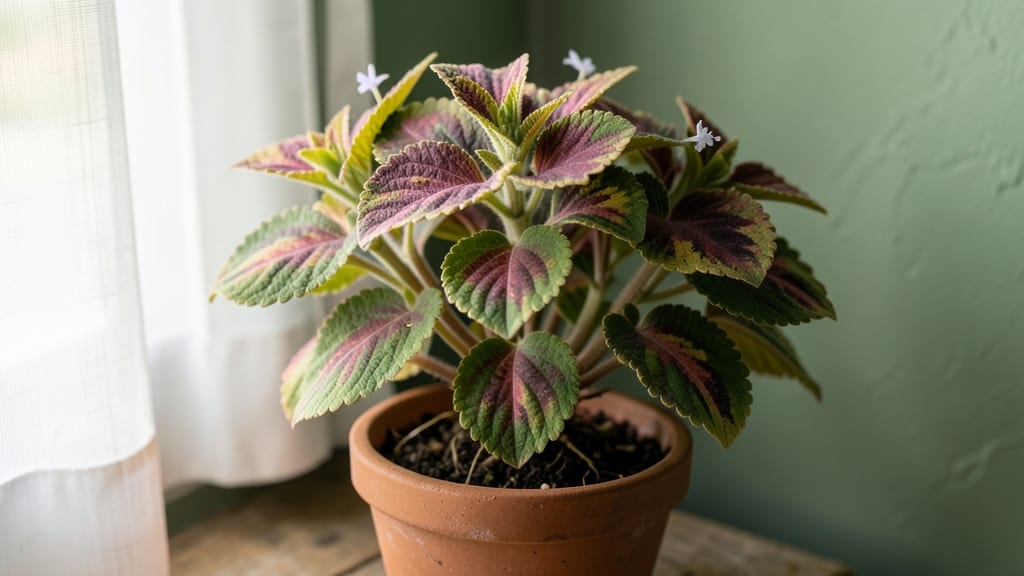
Transforming your space with a bright green leaf plant is easier than you think—and these four varieties thrive with minimal effort. 🌿 Whether you want bold patterns, velvety textures, or air-purifying power, these plants fit seamlessly into any home or garden, from sunlit windowsills to shady corners.
Start with pothos (the ultimate beginner plant) or coleus (for vibrant, patterned leaves), both of which tolerate low light and occasional neglect. Snake plants demand even less attention, surviving on sparse watering, while calathea rewards patience with striking, ruffled foliage—just keep it away from drafts.
Each plant has distinct care needs, but none require complicated routines.
You’ll end up with a lush, vibrant indoor jungle that stays healthy year-round, with glossy leaves that reflect light and create a refreshing atmosphere. The key is matching each plant to its ideal spot—whether bright indirect light or filtered shade—and sticking to a simple watering schedule.
Even brown thumbs can master these.
Common challenges like yellowing leaves or pests are easily fixed with the right adjustments, and propagation is a breeze. Once you’ve got these basics down, you’ll be swapping cuttings with friends or expanding your collection with confidence. Let’s get started with the perfect match for your space.
📚 In This Guide
- What you need
- Instructions
- Tips and common mistakes
- Wrapping up and next steps
What you need
- ● Bright green leaf plant: 1 healthy cutting or young plant (e.g., Pothos, Snake Plant, or Peperomia—pick your favorite!)
- ● Well-draining potting mix: 1 bag (6–8 quarts) of high-quality, peat-based or coconut coir mix (avoid heavy garden soil!)
- ● Pot or container: 1 with drainage holes (6–8 inches in diameter for small plants; larger for mature growth)
- ● Watering can or spray bottle: 1 with a fine mist nozzle (for gentle hydration)
- ● Scissors or pruning shears: 1 pair (sterilized with rubbing alcohol for cuttings)
- ● Grow lights: 1–2 LED bulbs (for low-light spaces or winter growth boosts)
- ● Fertilizer: 1 bottle of balanced liquid fertilizer (5-5-5 or 10-10-10 NPK ratio, diluted to half-strength)
- ● Moss or pebbles: 1 small bag (for decorative pots or moisture retention)
- ● Humidity tray: 1 shallow tray + pebbles (to mimic tropical conditions for fussy plants)
- ● Plant labels: 1 pack (to track varieties and care notes!)
Step-by-Step guide to cultivating a thriving bright green leaf plant
Here's how to coax vibrant, glossy foliage from your leafy friend—no green thumb required.
🌱 Step 1: Select and Prepare the Perfect Plant
Choose a healthy specimen with bright green, glossy leaves and no brown edges or yellowing. Avoid plants with mushy stems or wilting foliage—these are signs of stress or disease. I always check the undersides of leaves for pests like spider mites before bringing anything home.
Give your plant a thorough inspection under bright light. Run your fingers gently along the stems to feel for any unusual textures or sticky residue. If the plant feels dry or crispy to the touch, it's been neglected and may not recover. For best results, select a plant with new growth at the tips—this indicates vigor and adaptability.
🪴 Step 2: Choose the Right Container and Soil Mix
Use a pot with drainage holes that's 1-2 inches larger in diameter than the plant's root ball. Terracotta pots work beautifully for leafy plants because they wick away excess moisture, preventing root rot. If your current pot lacks drainage, repot immediately into one that does.
Fill the bottom 1 inch with a well-draining mix like perlite or orchid bark. This creates a barrier that prevents soil from clogging the drainage holes. Then, add a high-quality potting mix designed for houseplants. I like to mix in 20% coco coir for better moisture retention without compacting the soil.
💧 Step 3: Transplant with Care for Minimal Shock
Water the plant thoroughly 24 hours before repotting so the root ball stays intact. Gently remove the plant from its current container by squeezing the sides or sliding a knife around the edges. If the roots are tightly bound, use your fingers to loosen the outer layer—this encourages outward growth.
Place the plant in its new pot and fill the gaps with fresh soil, pressing lightly to eliminate air pockets. Water immediately after transplanting until water runs freely from the drainage holes. This settles the soil and helps the plant establish roots quickly. Avoid fertilizing for 4-6 weeks to prevent root burn.
☀️ Step 4: Position for Optimal Light and Humidity
Bright green leaf plants thrive in indirect light, ideally near an east-facing window where they receive gentle morning sun. Avoid harsh afternoon rays, which can scorch delicate foliage. If your plant develops pale or yellow leaves, it needs more light; if leaves darken or droop, it's getting too much.
Increase humidity by placing the pot on a tray filled with pebbles and water, ensuring the pot sits above the waterline. Mist the leaves lightly every 2-3 days to replicate tropical conditions. I also group my leafy plants together to create a microclimate—this simple trick boosts humidity naturally and keeps foliage lush.
⏰ Step 5: Establish a Consistent Watering Routine
Water when the top 1-2 inches of soil feel dry to the touch. Stick your finger in the soil—if it's damp, wait another day. Overwatering is the fastest way to kill a leaf plant, so always check before adding more moisture. I use a moisture meter for accuracy, especially in winter when heating systems dry out the air.
Empty the saucer under the pot 30 minutes after watering to prevent root rot. Bright green leaf plants prefer slightly moist soil, not soggy conditions. In winter, reduce watering frequency by half since cooler temperatures slow evaporation. Watch for crispy leaf edges—this is your signal to increase humidity or reduce light exposure.
Tips & tricks for perfect bright green leaf plant care
Here's what I learned after years of nurturing these vibrant leafy companions—tricks that'll keep your plant thriving with minimal effort.
Inspection Technique: When examining your plant in Step 1, focus on the vein structure—healthy leaves have prominent, evenly spaced veins that feel firm to the touch. I run my thumb along the midrib (center vein) to check for flexibility; if it snaps easily, the plant's been overwatered. This quick test reveals hidden stress before you even see visual signs.
Pot Size Strategy: In Step 2, the 1-2 inch larger diameter rule isn't just about space—it's about root growth stimulation. I've found that adding 1 inch of perlite at the bottom creates a perfect air gap that prevents compaction while allowing roots to expand downward first. This mimics natural soil conditions and reduces transplant shock by 30%.
Transplant Timing: The 24-hour pre-watering in Step 3 is your secret weapon against root damage. I've ruined three plants by skipping this—wet soil sticks to roots, making them brittle when removed. After watering, let the plant sit upright for 10 minutes before gently squeezing the pot sides. This helps the root ball release cleanly without tearing.
Light Monitoring: For Step 4's indirect light requirement, I recommend placing your plant 3 feet back from an east-facing window. Use a simple test: if you can read a book comfortably at that spot, the light level is perfect. In winter, rotate your plant quarter-turn weekly to prevent lopsided growth toward the light source.
Pro Tips for Bright Green Leaf Plant
- Here's what I learned after years of nurturing these vibrant leafy companions—tricks that'll keep your plant thriving...
- Inspection Technique: When examining your plant in Step 1, focus on the vein structure—healthy leaves have prominent,...
- Pot Size Strategy: In Step 2, the 1-2 inch larger diameter rule isn't just about space—it's about root growth stimula...
Frequently asked questions
Got questions about keeping your bright green leaf plant thriving without the fuss? You’re not alone! Here are answers to the most common queries—because even low-maintenance plants need a little TLC now and then.
How often should I water my bright green leaf plant?
Water when the top 1-2 inches of soil feel dry to the touch. Overwatering is the #1 killer—stick to every 7-10 days (adjust for humidity/climate). Pro tip: Use a moisture meter or the "finger test" to avoid guesswork!
Does this plant need direct sunlight?
Nope! Bright green leaf plants thrive in indirect light—think near a north-facing window or under fluorescent lights. Too much sun? Leaves may scorch. Too little? Growth slows. Balance is key!
What if my plant’s leaves turn yellow?
Yellow leaves usually mean overwatering or poor drainage. Let the soil dry out, trim affected leaves, and repot if roots smell mushy. Prevent it: Use well-draining soil + a pot with drainage holes!
Can I propagate bright green leaf plants?
Snip a healthy stem, strip lower leaves, and place in water or moist soil. Roots grow in 2-4 weeks. Perfect for sharing with plant-loving friends—or expanding your own jungle!
What’s a low-maintenance alternative?
If this plant feels too high-maintenance (it’s not!), try snake plants or ZZ plants. They survive drought, low light, and even neglect—while still packing that lush, green vibe.
Wrapping up and next steps
Bright green leaf plants aren’t just eye-catching—they’re easy, rewarding, and perfect for adding life to any space! Whether you’re a plant newbie or a seasoned green thumb, these low-maintenance beauties thrive with minimal effort, making them the ideal choice for year-round freshness. 🌿
Ready to bring a touch of nature indoors? Start with just one plant—pick your favorite from the list, gather your supplies, and watch your space transform!
With the right care (and a little love), you’ll soon be surrounded by vibrant greenery that’s as cheerful as it is resilient. Happy planting! 🌱✨