
Leaf Blower
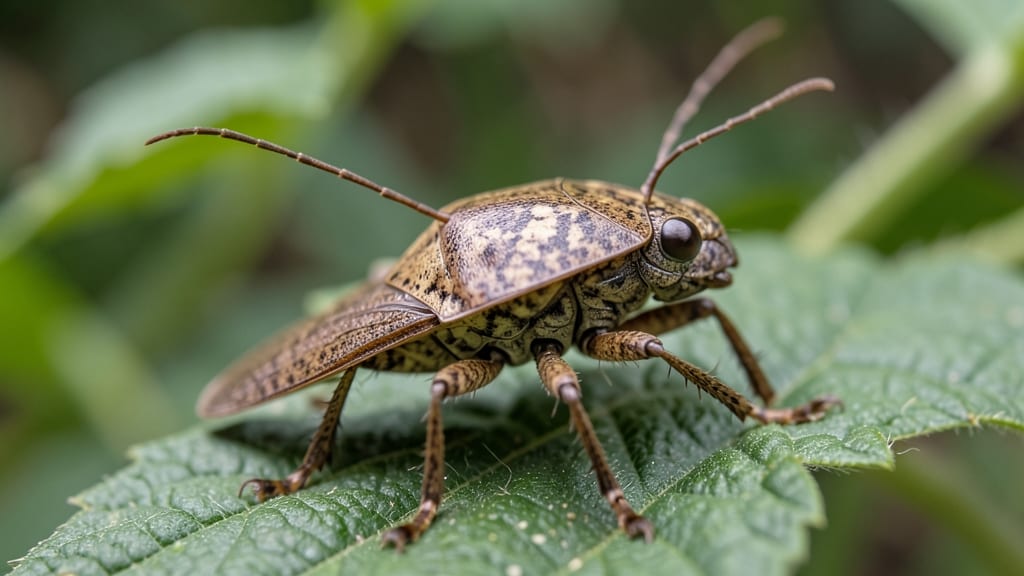
Those tiny brown leaf-footed bugs are wrecking your tomatoes and peppers faster than you can say "harvest season." 🌱 I've battled them in my garden for three years, and I finally cracked the code to stop their damage in its tracks—without harsh chemicals.
They thrive in hot, dry weather and lay eggs in soil cracks, which is why your plants look like Swiss cheese by midsummer. The good news? These bugs have predictable life cycles, and we can use that against them with targeted control methods that actually work.
You'll learn how to spot their damage early, disrupt their breeding cycle, and protect your plants with simple but effective techniques. By the end, your tomatoes will stay firm, your peppers will plump up, and you'll have a garden that looks like it belongs in a catalog—not a bug buffet.
The best part? These solutions work for any vegetable garden, whether you're growing in raised beds, containers, or straight in the ground. Let's get those pests under control once and for all.
Root Causes Of Leaf Blower Damage
When brown leaf-footed bugs (or their close relatives) invade your yard, they don’t just leave behind chewed leaves—they trigger a chain reaction that can turn your garden into a battleground. Understanding why these pests target plants is the first step to reclaiming your outdoor space.
Below, we break down the science-backed reasons behind their destructive behavior, so you can address the problem at its source.
Brown leaf-footed bugs (and similar sap-sucking pests) are drawn to plants that are already struggling. When plants experience stress—whether from drought, poor soil, or disease—they emit chemical signals that act like a neon "eat me" sign to insects.
These signals, called volatile organic compounds (VOCs), alert pests that the plant’s defenses are compromised.
- 💧 Drought stress: Dry conditions force plants to close stomata (tiny pores), reducing their ability to photosynthesize. This makes them easier targets for bugs seeking an easy meal.
- 🌡️ Nutrient deficiencies: Plants lacking nitrogen, potassium, or phosphorus produce weaker leaves, which bugs can pierce more easily with their stylets (mouthparts).
- 🦠 Fungal or bacterial infections: Infected leaves often exude sugars that attract sap-sucking insects, turning your garden into a pest buffet.
Actionable fix: Prioritize deep watering (1–2 inches per week) and use compost or balanced fertilizer to strengthen plant resilience. Healthy plants naturally produce bitter-tasting compounds that deter bugs.
Bugs thrive in chaos. When gardens are overgrown, mulch is piled too thickly, or dead plant material lingers, you’re essentially creating a hide-and-reproduce hotspot for brown leaf-footed bugs. These pests love:
- 🍂 Leaf litter: Decaying leaves provide shelter and a food source (fungi and microbes they feed on indirectly).
- 🪴 Dense foliage: Thick bushes or vines block airflow and sunlight, creating humid microclimates that bugs adore.
- 🪵 Woodpiles or debris: Overwintering adults seek refuge in dark, undisturbed areas, emerging stronger in spring.
Actionable fix: Practice regular pruning to improve airflow, remove leaf litter from beds, and store firewood at least 20 feet from your home. Mulch sparingly (2–3 inches max) with coarse materials like pine straw to deter pests.
Not all plants are equal when it comes to bug appetites. Brown leaf-footed bugs have a preference for tender, fast-growing vegetation, especially:
| 🌿 High-Risk Plants | ⚠️ Why They’re Targeted |
|---|---|
| Tomatoes, peppers, eggplants | Succulent leaves and high water content make them ideal for sap-sucking. |
| Beans, peas, and other legumes | Nitrogen-rich foliage is a protein feast for bugs. |
| Young oak, maple, or fruit tree leaves | New growth is soft and nutrient-dense, perfect for egg-laying. |
| Weeds like lambsquarters or pigweed | Bugs often move from weeds to cultivated plants as the season progresses. |
Actionable fix: If you’re growing susceptible plants, rotate crops annually and use row covers early in the season. For ornamental gardens, opt for bug-resistant varieties (e.g., ‘Defiant’ phlox or ‘Black Beauty’ zinnia).
In a balanced ecosystem, brown leaf-footed bugs face predators like lady beetles, parasitic wasps, and birds. However, when these predators are absent—due to pesticide overuse, habitat loss, or urbanization—the bug population explodes unchecked.
- 🐝 Pesticides: Broad-spectrum sprays kill beneficial insects first, leaving bugs with no competition.
- 🏡 Urban sprawl: Fewer shrubs, trees, and ground covers reduce hiding spots for predator insects.
- 🦉 Bird deterrents: Wind chimes or reflective tape may keep birds away but also scare off their bug-hunting allies.
Actionable fix: Encourage predators by planting native wildflowers (e.g., dill, fennel, or milkweed) and avoiding neonicotinoid pesticides. Install birdhouses and bat boxes to boost natural pest control.
Ironically, the very tools you use to clean up your yard—leaf blowers and string trimmers—can accelerate the problem. Here’s how:
- 💨 Wind dispersal: Blowers kick up bugs, spreading them to new plants faster than they could walk.
- 🌡️ Heat stress: High-speed air can damage plant cell walls, making leaves more vulnerable to bug attacks.
- 🪓 Physical trauma: Trimming too aggressively removes protective foliage, exposing tender growth to pests.
Actionable fix: Use leaf blowers strategically—aim for low settings and avoid blowing directly onto plants. Prune in stages to minimize stress, and water plants afterward to help them recover.
How to Fix Leaf Blower Bug Problems
Now that you understand why these pesky brown leaf-footed bugs (or similar pests) are invading your yard, it’s time to take action! Below are practical, step-by-step solutions tailored to the most common causes—plus prevention tips to keep them away for good.
Fix: Clear and Maintain Your Yard Brown leaf-footed bugs love hiding in thick mulch, fallen leaves, and plant debris. A clutter-free yard removes their shelter and food sources.
- 🍂 Rake Up Leaves & Mulch
- Use a leaf blower or rake to clear piles of leaves, especially near patios, decks, and garden beds.
- Pay extra attention to tree wells and shrubbery bases—these are prime hiding spots.
- 🌿 Trim Overgrown Plants
- Cut back tall grasses, weeds, and vines that provide cover.
- Keep ground cover plants (like ivy or creeping juniper) trimmed back at least 12 inches from the ground.
- 🧹 Remove Wood & Rock Piles
- Stack firewood at least 20 feet away from your home.
- Store rocks, bricks, or construction debris in sealed containers.
💡 Pro Tip: Schedule weekly yard maintenance during peak bug season (spring and fall) to stay ahead.
Fix: Seal Entry Points & Remove Attractants These bugs seek out sweet sap, ripe fruit, and pet food, so eliminating their food sources is key.
- 🍎 Pick & Dispose of Overripe Fruit
- Check for rotting fruit on trees, in gardens, and near trash cans.
- Compost or trash fallen fruit immediately—don’t leave it on the ground.
- 🐕 Secure Pet Food & Water Bowls
- Store pet food in airtight containers and clean bowls daily.
- Avoid leaving wet pet food outside overnight.
- 🏠 Seal Cracks & Gaps
- Inspect your home’s foundation, windows, and doors for tiny openings.
- Use caulk or weatherstripping to close gaps wider than 1/8 inch.
- Install fine mesh screens on vents and chimneys.
✨ Bonus: Plant bug-repelling herbs (like basil, mint, or rosemary) near entry points—their strong scents deter pests.
Fix: Disrupt Their Life Cycle Adult bugs lay eggs in soil, and nymphs emerge to feed on plants. Breaking their cycle early prevents infestations.
- 🌱 Use Beneficial Nematodes
- Apply beneficial nematodes (Steinernema carpocapsae) to soil—they paralyze and kill bug eggs/larvae naturally.
- Best used in early spring or late fall when soil is moist.
- 🔪 Hand-Pick & Crush Bugs
- Wear gloves and carefully remove bugs from plants.
- Drop them into soapy water to kill them instantly.
- 🌡️ Apply Horticultural Oil (For Heavy Infestations)
- Spray horticultural oil (like Neem oil) on leaves and stems to suffocate eggs and young nymphs.
- Reapply every 5–7 days during active seasons.
🎯 Prevention Tip: Rotate treatments—bugs can build resistance to the same method over time.
Fix: Adjust Your Lighting Strategy Bugs are attracted to bright outdoor lights, especially yellow, white, or sodium vapor bulbs.
- 💡 Switch to Bug-Repelling Lights
- Use LED bulbs with a "bug shield" (like yellow or red LEDs), which emit less UV light.
- Install motion-activated lights—they turn on only when needed.
- 🌙 Reduce Nighttime Light Exposure
- Turn off unnecessary outdoor lights by 10 PM (peak bug activity time).
- Use timers or smart bulbs to automate lighting schedules.
- 🌿 Add Wind or Water Barriers
- Place fans near doorways (bugs avoid strong airflow).
- Install a small outdoor fountain—the moving water disrupts their flight path.
🔥 Quick Fix: Citrus or Vinegar Spray Mix equal parts water and vinegar in a spray bottle, add a few drops of citrus oil, and mist around light fixtures and entry points—bugs hate the smell!
To keep brown leaf-footed bugs (and similar pests) away for good: ✅ Mulch properly – Use wood chips or straw (not thick layers). ✅ Inspect plants weekly – Remove eggs or bugs manually. ✅ Store firewood & debris – Keep it dry and elevated. ✅ Use reflective mulch – Silver or gold mulch confuses bugs. ✅ Encourage natural predators – Birds, lacewings, and ladybugs eat these pests.
Final Thought: Consistency is key! A clean yard, sealed home, and smart lighting will make your space far less appealing to these unwanted visitors. 🚫🐜 Start with one fix this week, then build from there—your garden (and sanity) will thank you!
Frequently asked questions
What do brown leaf-footed bug bites look like on plants?
Look for small, irregular holes along leaf edges and tips—these bugs feed on plant sap, leaving behind notched or serrated damage that’s different from clean-cut chewing by caterpillars. You might also spot black fecal spots or sticky honeydew on leaves, which attracts ants and fungi.
Are brown leaf-footed bugs harmful to humans?
While they don’t bite humans, their piercing mouthparts can deliver a mild sting if handled roughly—but it’s more annoying than dangerous. The real concern is their plant damage, which can reduce yields and spread disease. Always wear gloves when removing them from plants!
How do I tell if my brown leaf-footed bugs are eggs or nymphs?
Eggs appear as tiny black specks (about 1/16 inch) in soil cracks or under leaves, while nymphs look like miniature adults without wings. Nymphs have reddish legs and black bodies—check the undersides of leaves and stems for both stages during inspections.
Will neem oil kill brown leaf-footed bugs?
Neem oil works best on eggs and young nymphs by disrupting their growth, but adult bugs may survive direct contact. For maximum effectiveness, apply neem oil in the evening when bugs are active, and reapply every 5–7 days during outbreaks. Combine it with soapy water sprays for better results.
Why do I keep seeing these bugs even after treatment?
Brown leaf-footed bugs have multiple generations per year, so one treatment won’t eliminate them all. The key is consistent monitoring—remove hiding spots, use beneficial nematodes for soil-dwelling eggs, and rotate treatments (like neem oil + insecticidal soap) to prevent resistance.