
Leaf Blower
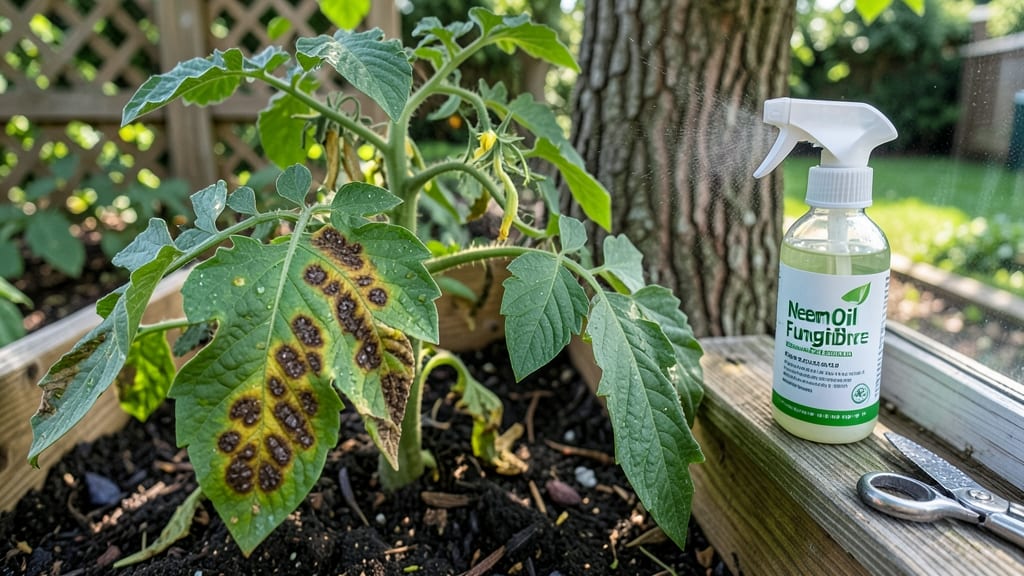
That unsightly brown leaf spot could be ruining your garden's pride. 🌱 I've battled this fungal menace on tomatoes, roses, and even lawns—here's how I finally got it under control without harsh chemicals. The problem starts with moisture-loving fungi that thrive in crowded, wet conditions.
You'll spot it as small brown spots with yellow halos, often on lower leaves first. Left unchecked, it spreads like wildfire, turning lush foliage into a crunchy mess. With proper spacing, watering at the base, and a few organic treatments, you'll see new growth within 2-3 weeks.
I've used neem oil, copper fungicide, and even baking soda solutions—all with great results. Works for vegetables, ornamentals, and lawns alike. Let's get your plants back to their vibrant best!
Understanding Fungal Triggers
Fungal infections like brown leaf spot don’t just appear out of nowhere—they’re the result of a perfect storm of environmental and biological conditions. Let’s break down the key factors that turn your lush green lawn or garden into a patchwork of discolored leaves.
Brown leaf spot thrives when temperatures and humidity align like a fungal recipe. Here’s why: - Ideal Temperature Range: Fungal spores germinate best between 75–85°F (24–29°C).
If your region experiences prolonged heatwaves in this range, expect outbreaks. - Humidity & Rainfall: High humidity (above 80%) and frequent overhead watering (especially in the evening) create a moist leaf surface—the fungal buffet.
Spores splash onto leaves via raindrops, and excess moisture keeps them hydrated. - Poor Airflow: Dense foliage or tightly packed grass traps humidity, giving fungi a cozy environment to spread. Actionable fix: Thin out overgrown plants and space out watering sessions.
Not all plants are equally susceptible.
Fungal pathogens like Cercospora or Bipolaris target specific hosts: - Weakened Plants: Stressed plants (from drought, poor soil, or nutrient deficiencies) have fewer defenses. Look for: Yellowing before browning—this is a red flag. - Over-Fertilization: Too much nitrogen promotes rapid growth but weakens cell walls, making leaves easier targets. Balance is key: Use a slow-release fertilizer and test soil pH (aim for 6.0–7.0 for most lawns). - Young or Mature Leaves: Brown leaf spot often starts on older leaves (where spores land first) before spreading. Pro tip: 💡 Regularly remove debris and prune to reduce spore reservoirs.
Fungi are persistent. Here’s how they stage their takeover: - Overwintering Spores: Many pathogens survive winter in leaf litter, thatch, or soil.
When spring arrives, they reactivate with warmth. - Spores Spread via Wind/Rain: A single infected leaf can release thousands of spores in a single rainstorm. Prevention tip: 🌡️ Avoid watering at dawn/dusk—morning watering gives leaves time to dry. - Secondary Infections: Once established, fungi produce conidia (asexual spores) that spread within hours. Stop the chain: Remove infected leaves immediately and dispose of them in the trash (not compost).
Neglect invites fungi.
Common oversights include: - Thatch Buildup: A thick thatch layer (over ½ inch) traps moisture and spores. Solution: Dethatch annually with a rake or vertical mower. - Reused Tools: Pruners or mower blades contaminated with spores can reinfect healthy plants. Sanitize tools with a 1:10 bleach-water solution between uses. - Monoculture Planting: Planting the same species in large blocks (e.g., a sea of St. Augustine grass) creates a fungal playground. Diversify with resistant varieties like Zoysia or Buffalo grass.
Even unintentional actions can spread brown leaf spot:
- Foot Traffic: Compacted soil reduces drainage, while muddy shoes can transfer spores. Wear clean shoes when moving between garden sections.
- Animal Waste: Bird droppings or pet urine can introduce fungal spores. Clean up promptly and avoid fertilizing with fresh manure (use composted instead).
- Improper Pruning: Jagged cuts leave wounds for fungi to invade. Use sharp, sterilized shears and make clean cuts at a 45-degree angle.
Key Takeaway: Brown leaf spot is rarely a single culprit—it’s usually a mix of weather, plant health, and maintenance gaps. The good news? Most causes are preventable with proactive care. Next, we’ll cover how to identify and treat existing infections before they spread.
Fixing Fungal Foliage Fails
When your plants start showing signs of brown leaf spot, it’s time to act—but don’t panic. This fungal issue is treatable with the right approach, whether you’re dealing with a lawn, garden beds, or houseplants.
Below, we break down the most common causes and their corresponding fixes, plus prevention tips to keep your greenery thriving.
If your plants are soggy from overwatering or sitting in waterlogged soil, the fungus has a perfect breeding ground. Here’s how to dry things out:
- 🍳 Trim the Trouble Spots
- Snip off infected leaves (including brown spots and yellowing foliage) using clean, sharp pruners. Do not compost them—toss them in the trash to prevent reinfection.
- For lawns, rake up affected grass clippings immediately after mowing.
- 👨🍳 Boost Air Circulation
- Thin out crowded plants or bushes to allow sunlight and air to reach the center.
- Space new plants according to their mature size—don’t let them grow too close together.
- 🥘 Fix the Drainage
- Amend heavy clay soil with compost or perlite to improve water flow.
- If containers are the issue, add drainage holes or switch to pots with better aeration.
💡 Pro Tip: Water in the early morning so foliage dries by nightfall. Avoid overhead sprinklers that keep leaves wet for long periods.
High humidity and warm temperatures create ideal conditions for fungal spores to spread. Combat this with these steps:
- ✨ Reduce Moisture
- Use a fan on houseplants or in greenhouses to keep humidity in check (aim for <60%).
- For outdoor plants, water at the base instead of overhead to minimize leaf wetness.
- 🎯 Apply Fungicidal Treatments
- Copper-based fungicides (like copper sulfate) are effective for prevention and early treatment.
- Neem oil (a natural fungicide) can be sprayed on foliage—mix 1 tsp per quart of water and reapply every 7–10 days.
- For severe cases, use systemic fungicides (e.g., propiconazole) as a last resort.
💡 Pro Tip: Test fungicides on a small area first to ensure they won’t harm your plants. Always follow label instructions for safety.
Plants under stress from poor nutrition or environmental factors are more susceptible to fungal infections. Strengthen them with these steps:
- 📊 Boost Plant Health
- Apply a balanced fertilizer (10-10-10 or similar) to provide essential nutrients like nitrogen, phosphorus, and potassium.
- For lawns, use a slow-release fertilizer in early spring to encourage strong root growth.
- 🥗 Improve Soil Quality
- Add organic matter like compost or well-rotted manure to enrich the soil.
- For acidic-loving plants (e.g., azaleas, blueberries), amend soil with peat moss or sulfur if needed.
- 🌱 Rotate Crops (For Gardens)
- Avoid planting the same family of plants (e.g., tomatoes, peppers) in the same spot yearly to prevent fungal buildup in the soil.
💡 Pro Tip: Mulch with straw or wood chips (not leaves or grass clippings) to retain moisture without trapping excess humidity near the soil.
If the brown spots have already spread, containment is key. Here’s how to stop the damage:
- 🧹 Sanitize Tools & Surfaces
- Clean pruners, rakes, and shovels with rubbing alcohol or bleach solution (1 part bleach to 9 parts water) between uses.
- Remove and destroy severely infected plants—don’t leave them in the garden.
- 🏡 Quarantine Affected Plants
- Isolate infected houseplants from healthy ones until they recover.
- For outdoor plants, move them to a shadier, drier location temporarily.
- 🌿 Replace Soil if Needed
- If the fungus persists in containers, sterilize the soil with heat (bake at 200°F for 30 minutes) or replace it entirely.
💡 Pro Tip: If brown spots keep returning, the fungus may be dormant in the soil. Consider rotating crops or using beneficial fungi like Trichoderma to outcompete pathogens.
With these targeted fixes, you can reverse brown leaf spot damage and protect your plants from future outbreaks. Consistency is key—stay vigilant, and your garden will bounce back healthier than ever!
Frequently asked questions about brown leaf spot
How do I tell if my plant has brown leaf spot instead of just sunburn?
Brown leaf spot appears as small, circular brown patches with yellow halos on the edges. Unlike sunburn, these spots often start on lower leaves and spread inward. Check for dark specks (fungal spores) in the center of spots—this confirms the disease. Sunburn typically affects upper leaves first and lacks the yellow border.
Can I still use my lawnmower if my grass has brown leaf spot?
Yes, but with precautions! Bag your clippings immediately to prevent spreading spores. Sanitize your mower blade with a 1:10 bleach-water solution after mowing infected areas. Avoid mowing when grass is wet, as this helps spores spread through the air. For severe cases, consider waiting until the fungus clears.
Will neem oil work on brown leaf spot if I've already seen spots?
Neem oil can help, but it works best as a preventative or during early stages. For existing spots, combine it with pruning infected leaves and improving airflow. Mix 1 teaspoon neem oil + 1 teaspoon mild soap per quart of water and spray both top and bottom of leaves every 7-10 days until new growth appears.
How long does it take to see improvement after treating brown leaf spot?
With proper treatment, you should see new growth within 2-3 weeks. Existing spots won't disappear, but the spread will stop. For severe cases, it may take 4-6 weeks for full recovery. Consistency is key—keep removing infected foliage and maintaining good airflow.
Is brown leaf spot contagious to other plants in my garden?
Yes, absolutely! Fungal spores spread via wind, rain, and contaminated tools. Isolate infected plants immediately and sanitize your tools with rubbing alcohol or bleach solution. Avoid overhead watering, which splashes spores onto healthy plants. Some plants (like tomatoes and roses) are more susceptible—watch them closely.