
How To
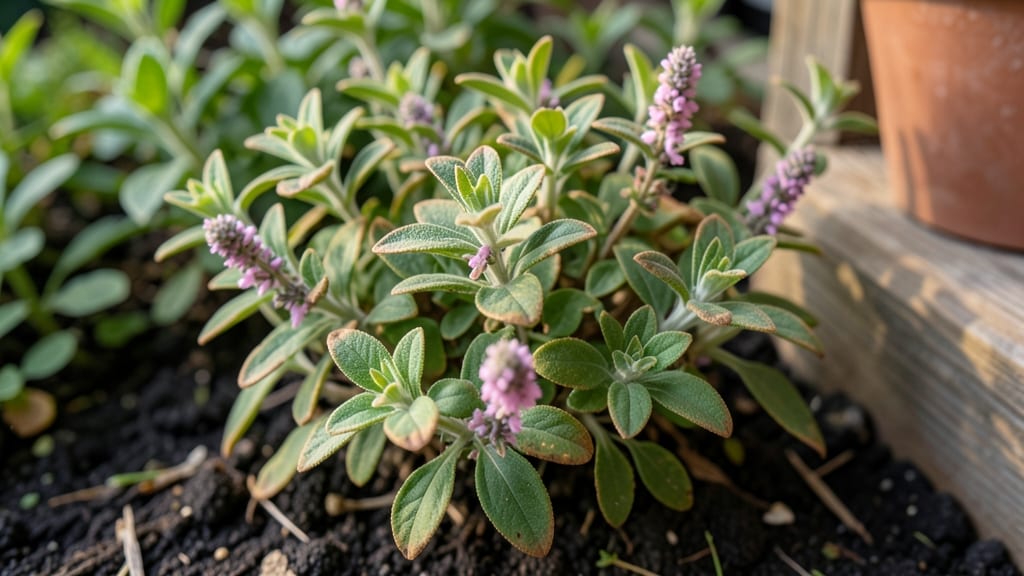
Brown leaf tips on oregano don't mean your plant is doomed—just that it's sending you a clear message. 🌿 I've nursed back more than my fair share of crispy oregano, and the fix almost always comes down to three overlooked factors: water, soil, and air.
Most gardeners assume it's overwatering, but the real culprit is often dry air or salt buildup from tap water.
The good news? This problem fixes faster than you'd think. Start by checking the soil—it should feel like a damp sponge, not a swamp or a desert. If your oregano lives indoors, the low humidity from heaters is likely the villain.
A simple tray of pebbles and water beneath the pot can work wonders in just days.
Within a week, you'll see new growth pushing out from the center, and those crispy edges will soften. The key is consistency: water when the top inch feels dry, use filtered or rainwater if possible, and prune back the brown tips to encourage fresh growth.
Your oregano will bounce back stronger than ever.
Works for both potted oregano and garden beds, and the same principles apply to thyme and rosemary too. Here's how to diagnose the exact issue and get your plant back to thriving.
Root Causes Of Leaf Browning
When your oregano plant starts showing brown leaf tips, it’s often a cry for help from the roots—or a sign of stress from above. Understanding the why behind the browning is key to saving your herb.
Let’s break down the most common culprits, backed by science, so you can diagnose and fix the issue fast.
Oregano is a drought-tolerant Mediterranean herb, meaning it thrives in dry conditions. When soil stays soggy for too long, roots suffocate from lack of oxygen, leading to root rot. This disrupts nutrient uptake, causing leaf tips to brown as a sign of distress.
- Science behind it: Excess water triggers anaerobic bacteria in the soil, which release toxins that damage root cell membranes. Without proper oxygen, roots can’t absorb water or nutrients efficiently, leading to oxidative stress in leaves.
- Tell-tale signs:
- Yellowing between leaf veins (chlorosis)
- Mushy, blackened roots when checked
- Slow wilting despite wet soil
- Quick fix: Let the top 1–2 inches of soil dry out completely between waterings. If your pot lacks drainage holes, repot immediately in a mix with perlite or coarse sand (30% amendment) to improve aeration.
While oregano hates soggy soil, it also detests dehydration. When soil dries out too much, leaf tips plasmolyze—meaning plant cells lose water and shrink, causing edges to crisp and brown.
But here’s the twist: over-fertilizing or using tap water high in minerals (like chlorine or sodium) can also lead to salt buildup, which mimics drought stress.
- Science behind it: Salt ions disrupt the plant’s osmotic balance, making it harder for roots to absorb water. This creates a physiological drought, even if the soil is moist. Additionally, dehydrated cells produce abscisic acid, a hormone that triggers leaf browning as a survival mechanism.
- Tell-tale signs:
- Crispy, papery edges that feel dry to the touch
- White crust on soil surface (salt accumulation)
- Leaves curling inward
- Quick fix:
- Water deeply but infrequently—only when the top 1 inch of soil is bone-dry.
- Flush the soil with rainwater or distilled water (avoid tap water) to leach out salts.
- Add organic matter (like compost or coconut coir) to improve water retention without compacting soil.
Oregano is a sun-loving herb, but extreme conditions—whether too much heat, cold, or wind—can shock its delicate leaves. Transpiration stress (excessive water loss through leaves) occurs when humidity drops or temperatures spike, causing leaf tips to dry out and brown.
- Science behind it: High temperatures or low humidity increase the evaporative demand on leaves. When water loss outpaces absorption, guard cells (which regulate stomata) close to conserve moisture. This traps oxygen inside leaf cells, leading to oxidative damage and browning. Cold snaps can also freeze cell membranes, disrupting nutrient flow.
- Tell-tale signs:
- Browning starts at leaf tips or edges (not between veins)
- Leaves feel dry or brittle to the touch
- New growth appears stunted or yellowed
- Quick fix:
- Move pots to a spot with bright, indirect light (e.g., east-facing window) if indoors.
- Use a pebble tray with water or a humidifier to boost humidity (aim for 40–60%).
- Protect outdoor plants from windburn with a cloche or mesh shield.
- Avoid fertilizing during heatwaves—it increases transpiration stress.
Oregano is a light feeder, but even minor nutrient imbalances can cause browning. Calcium, magnesium, and potassium deficiencies often show up as brown tips, while excessive fertilizer (especially nitrogen) can burn roots, leading to the same symptoms.
| Nutrient Issue | Symptoms | Fix |
|---|---|---|
| Calcium Deficiency (poor cell wall structure) | Brown, crinkled tips; new leaves deformed | Add crushed eggshells or calcium nitrate to soil. Avoid overwatering. |
| Magnesium Deficiency (chlorophyll breakdown) | Yellowing between veins (interveinal chlorosis), then brown tips | Apply Epsom salt (1 tsp/gallon of water) monthly. |
| Potassium Deficiency (weak cell membranes) | Brown scorch marks on leaf edges; weak stems | Use a balanced liquid fertilizer (5-5-5) diluted to half strength. |
| Fertilizer Burn (salt toxicity) | Rapid browning within days of feeding; crispy edges | Flush soil with water and hold off fertilizing for 4–6 weeks. |
Pro tip: 💡 Oregano rarely needs fertilizer—overdoing it is the #1 cause of nutrient-related browning. If you must feed, use a diluted, organic option (like fish emulsion) once every 2–3 months.
Now that you’ve identified the likely cause, the next step is action. Each of these fixes targets the root of the problem—literally and figuratively. Stay tuned for our step-by-step repair guide to revive your oregano in no time!
Revive Your Oregano: Fixing Brown Tips Fast
Seeing brown leaf tips on your once-vibrant oregano can be frustrating, but the good news is that most causes have simple fixes. Below, we’ve mapped out the most common culprits and the exact steps to bring your plant back to life—plus tips to keep it thriving long-term.
Let’s get your oregano lush and green again!
If your oregano’s leaves are crispy and brown at the tips, it’s likely drowning in water. Oregano hates soggy roots, which can lead to root rot and nutrient loss.
How to Fix It:
✅ 🔥 Stop Watering Immediately
- Let the soil dry out completely before watering again. Stick your finger 1–2 inches into the soil—if it’s damp, wait.
✅ 🍳 Repot in Well-Draining Soil
- If the roots smell foul or look mushy, trim the damaged roots and repot in a mix of potting soil + perlite or sand (60/40 ratio). This improves drainage.
✅ 👨🍳 Adjust Your Watering Routine
- Water only when the top 1–2 inches of soil are dry (usually every 7–10 days, less in winter).
- Use a pot with drainage holes—no exceptions!
💡 Prevention Tips:
- 🌡️ Avoid misting leaves—oregano prefers dry foliage.
- ✨ Group pots together to create a self-regulating humidity zone (but not too close!).
Brown, brittle tips can also signal thirst. Oregano is drought-tolerant but still needs consistent moisture, especially in hot or dry conditions.
How to Fix It:
✅ 🥘 Give It a Deep Watering
- Soak the soil until water runs out the drainage holes. Repeat every 5–7 days in summer, less in cooler months.
✅ 🔪 Trim the Brown Tips
- Snip off the crispy edges with clean scissors to encourage new growth.
✅ 🌱 Move to a Shadier Spot (Temporarily)
- If your oregano is in direct, scorching sun, relocate it to morning sun + afternoon shade for a week to recover.
💡 Prevention Tips:
- 🎯 Mulch with gravel or straw to retain moisture without suffocating roots.
- 🔥 Use a self-watering pot or drip irrigation for consistency.
Oregano thrives in warm, dry conditions—but extreme heat, cold drafts, or high humidity can stress it out, leading to brown tips.
How to Fix It:
✅ 🌡️ Move to a Stable Spot
- Keep oregano in 60–80°F (15–27°C). Avoid:
- 🔥 Near AC vents or heaters.
- ❄️ Drafty windows or doors.
- 🌧️ Humid bathrooms or kitchens (unless well-ventilated).
✅ 🍳 Increase Airflow
- Place a small fan on low nearby to mimic Mediterranean breezes (but don’t blast it!).
✅ 🥘 Reduce Humidity
- If your home is damp, use a dehumidifier or place the pot on a tray of dry rice to absorb excess moisture.
💡 Prevention Tips:
- 🌿 Grow oregano in containers for easy relocation.
- ✨ Avoid overcrowding—space plants 6+ inches apart for airflow.
Brown, curled tips can mean too much fertilizer or poor soil quality. Oregano is low-maintenance—it doesn’t need heavy feeding!
How to Fix It:
✅ 🔥 Flush the Soil
- Water the plant thoroughly for 10 minutes to leach out excess salts. Repeat 2–3 times over a week.
✅ 🍳 Repot in Fresh Soil
- If the soil is compacted or salty, repot in light, sandy potting mix (avoid rich garden soil).
✅ 👨🍳 Fertilize Lightly (If Needed)
- Use a balanced, water-soluble fertilizer (5-5-5 or 10-10-10) diluted to half strength—once in spring.
- Never fertilize in winter!
💡 Prevention Tips:
- 📊 Test your soil with a DIY kit before fertilizing.
- 💪 Use compost tea or worm castings for a gentle nutrient boost.
Spider mites, aphids, or fungal issues can cause browning. Act fast to save your plant!
How to Fix It:
✅ 🔪 Isolate the Plant
- Move it away from other herbs to prevent spreading.
✅ 🍳 Clean the Leaves
- Wipe leaves with a soapy water cloth (1 tsp mild soap + 1 quart water) or spray with neem oil solution (1 tsp neem oil + 1 quart water).
✅ 🥘 Treat for Pests/Disease
- For mites/aphids: Spray neem oil or insecticidal soap every 5–7 days for 2 weeks.
- For fungal issues (like powdery mildew): Apply baking soda spray (1 tsp baking soda + 1 quart water + a drop of soap) weekly.
💡 Prevention Tips:
- 🌡️ Avoid overhead watering—water at the base only.
- ✨ Inspect new plants for pests before bringing them home.
With these fixes, your oregano should bounce back in 2–4 weeks. Once it’s recovered, stick to the prevention tips to keep it happy and productive—because nothing beats fresh oregano straight from your windowsill! 🌿🍃
Frequently asked questions
Why do my oregano leaves turn brown only at the tips?
Brown leaf tips usually signal transpiration stress—when your oregano loses more water than it absorbs through its roots. This happens most often from low humidity, dry air (especially indoors with heaters), or underwatering. The edges dry out first because they have the highest surface area for water loss. Check if the soil is bone-dry or if your home feels particularly dry.
Can I save my oregano if the brown tips spread to the whole leaf?
If browning has spread beyond just the tips, the leaf is already dying and won’t recover. The good news is that oregano grows quickly—simply prune off the damaged leaves with clean scissors, and new growth will push out from the center within 2-3 weeks. Focus on fixing the underlying issue (water, soil, or environment) to prevent further damage.
Is tap water causing my oregano's brown tips?
Yes! Tap water often contains chlorine, fluoride, or minerals that build up in the soil over time, creating a salt crust that prevents roots from absorbing water. This mimics drought stress. Switch to rainwater, distilled water, or filtered water, and flush the soil monthly by watering until it drains completely. You should see improvement within 1-2 weeks.
Why does my indoor oregano get brown tips faster than my outdoor one?
Indoor environments create the perfect storm for brown tips: low humidity from heaters/AC, dry air, and inconsistent watering. Outdoor oregano benefits from natural humidity fluctuations and better airflow. To help your indoor plant, place it on a pebble tray with water or group it with other herbs to create a microclimate. Avoid placing it near vents or direct heat sources.
Can I use Epsom salt to fix brown tips caused by nutrient deficiencies?
For magnesium deficiency (which causes yellowing between veins before browning), yes! Mix 1 teaspoon of Epsom salt per gallon of water and spray it on the soil monthly. However, if your oregano just has brown tips without yellowing, the issue is likely water-related or environmental, not a nutrient deficiency. Oregano rarely needs fertilizer—overdoing it can actually make the problem worse by causing salt buildup.