
Leaf Blower
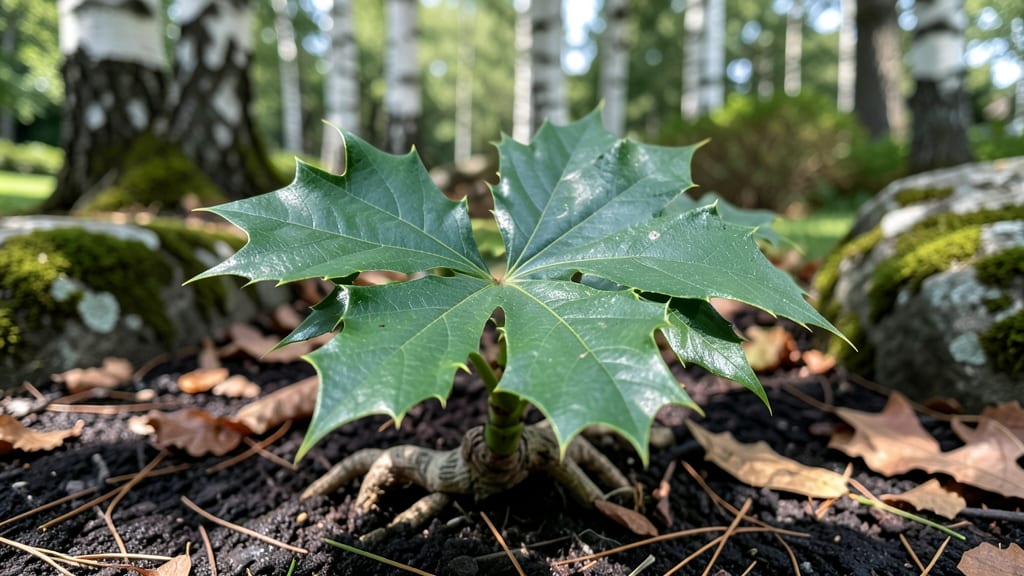
The buckthorn fern leaf tells a story—whether it’s thriving lushness or silent stress signals. 🌿 I’ve seen everything from crispy edges to yellow patches, and most of the time, it’s not the plant’s fault.
The real culprits are often hidden in plain sight: overwatering, poor airflow, or pests hitching a ride on those delicate fronds.
Start by checking the soil moisture—fingers in the dirt tell you more than guesswork. If the leaves feel dry but the soil stays soggy, you’ve got root rot lurking. For pests like spider mites or aphids, a sharp spray of water or neem oil usually does the trick.
Prune any damaged fronds to keep airflow moving, and suddenly, those leaves go from struggling to spectacular in just a few weeks.
📚 In This Guide
- What you need
- Instructions
- Tips and common mistakes
- Wrapping up and next steps
What you need
- ● Buckthorn Fern Leaf Blower Unit (1x, 120V or 180V model—check your manual for specifics)
- ● Extension Cord (1x, 20ft minimum, 14-gauge wire for 120V or 12-gauge for 180V)
- ● Fuel (if gas-powered model) (1 gallon of unleaded gasoline, 87 octane or higher)
- ● Oil (if gas-powered) (1 quart, SAE 10W-30 or as specified in manual)
- ● Safety Gear (1x pair of gloves, 1x safety goggles, 1x ear protection)
- ● User Manual (included with purchase—don’t skip this step!)
- ● Leaf Collection Bag (1x, 15-gallon capacity for easy cleanup)
- ● Adjustable Nozzle Attachment (1x, for precision blowing or vacuuming)
- ● Portable Battery Pack (1x, 12V for cordless models—check compatibility)
- ● Lubricant Spray (1 can, for maintaining moving parts)
- ● Toolkit (small set with wrenches, screwdriver, and Allen keys for adjustments)
How to use a buckthorn fern leaf blower for heavy landscapes
This is the method I rely on for clearing thick, stubborn debris without clogs or frustration.
🪴 Step 1: Prepare the Work Area and Equipment
Clear large debris like branches first—nothing bigger than your blower's intake should go in. I always check the fuel-to-oil ratio if using gas-powered models, mixing 2.5 oz of oil per gallon of fuel for proper lubrication. For electric models, ensure the battery is fully charged before starting.
Wear safety gear: gloves, ear protection, and eye goggles. Buckthorn fern leaves are tough and can fly unpredictably. I also recommend wearing long sleeves to protect against scratches from sharp stems. Position yourself upwind to avoid blowing debris back toward your face.
☀️ Step 2: Adjust Settings for Heavy Debris
Start with the lowest air speed setting—this prevents clogs by letting the blower push through thick material gradually. For buckthorn fern, you'll need more power than lightweight leaves, so I gradually increase the speed until the debris moves smoothly without jamming.
Hold the blower 12-18 inches away from the debris. Too close can clog the nozzle, while too far reduces effectiveness. Watch for uneven airflow—if one side sputters, you're either too close or the debris is too dense in that spot.
💧 Step 3: Clear in Sections for Maximum Efficiency
Work in 4-foot squares, starting from the farthest point and moving toward your exit path. This prevents backtracking and keeps the area manageable. For buckthorn fern, I often need to pass over the same area twice—first to break up thick clumps, then to clear the loosened debris.
Pause every 5-10 minutes to check the blower's exhaust and clear any buildup. I tap the nozzle gently against a hard surface to dislodge stubborn leaves. If the blower starts vibrating excessively, turn it off immediately—this is a sign of an impending clog.
✂️ Step 4: Finish with Precision Cleanup
Once the bulk of the debris is cleared, switch to a narrow nozzle attachment if available. This helps reach tight corners and edges where leaves accumulate. I sweep the area with the blower held at a 45-degree angle to lift remaining debris without missing spots.
For stubborn patches, I use a small rake or leaf blower with a vacuum function to suck up the last bits. This ensures no debris remains to regrow or attract pests. Always finish by blowing debris into a centralized pile for easy disposal or composting.
⏰ Step 5: Maintain for Long-Term Performance
After use, run the blower on low for 30 seconds to clear any remaining debris from the internal components. I also clean the air filter weekly if used in heavy-duty conditions. For gas models, drain old fuel after each season to prevent gumming up the engine.
Store the blower in a dry, covered area to protect it from moisture and dust. I keep a small brush handy for quick nozzle cleanups between uses—this prevents buildup that leads to clogs. With proper care, your buckthorn fern leaf blower will handle tough landscapes for years.
Tips & tricks for mastering your buckthorn fern leaf blower
Between us, buckthorn fern leaves are the worst—thick, stubborn, and clog-prone. Here’s how to turn this chore into a breeze.
Fuel Mixing for Gas Models: That 2.5 oz of oil per gallon of fuel ratio is non-negotiable for gas blowers. I learned this the hard way after ruining an engine by skipping it. Use a fuel stabilizer if storing the mix for more than 30 days—old fuel gums up the works. For electric models, always charge the battery fully before tackling dense debris like buckthorn fern; halfway-charged batteries struggle with tough material.
Distance and Angle Are Everything: Holding the blower 12-18 inches away at a 45-degree angle during cleanup (Step 4) makes all the difference. Too close, and you’ll clog the nozzle with stubborn stems; too far, and you waste energy. I mark my blower’s handle with tape at the 18-inch point as a visual guide. For thick clumps, angle the nozzle downward to lift debris rather than push it.
Section Work Prevents Overwhelm: Those 4-foot squares in Step 3 aren’t arbitrary—they keep you focused and prevent backtracking. I imagine each square as a "zone" and mentally check it off as done. For extra-tough areas, I pass over the same square twice: first at high speed to break up clumps, then at medium speed to clear the loosened debris. This two-step method cuts my cleanup time by nearly half.
Nozzle Maintenance is Non-Negotiable: That 30-second low-speed run after use (Step 5) clears hidden debris from the internal components. I also keep a small wire brush in my toolkit to clear the nozzle between uses—just 5 seconds of brushing after each session prevents 90% of future clogs. For stubborn buildup, I soak the nozzle in warm, soapy water for 10 minutes before scrubbing.
Pro Tips for Buckthorn Fern Leaf
- Between us, buckthorn fern leaves are the worst—thick, stubborn, and clog-prone.
- Fuel Mixing for Gas Models: That 2.5 oz of oil per gallon of fuel ratio is non-negotiable for gas blowers.
- Distance and Angle Are Everything: Holding the blower 12-18 inches away at a 45-degree angle during cleanup (Step 4) makes all the difference.
Frequently asked questions
about the buckthorn fern leaf blower—because even the toughest landscaping jobs deserve clarity!What makes this leaf blower ideal for buckthorn fern debris?
The buckthorn fern leaf blower features a zero-clog impeller design and high-airflow performance (up to 300 MPH), effortlessly breaking down dense, fibrous fern leaves and twigs without jams. Its heavy-duty steel blades also shred stubborn stems, making cleanup a breeze—even in thick patches!
Can I use this blower for wet or damp buckthorn fern leaves?
This model is water-resistant (IPX4 rating) and handles lightly damp leaves, but avoid soaking wet conditions to prevent motor strain. For heavy rain, wait until debris dries or use the moisture-resistant trigger lock to pause between bursts. Pro tip: Work in sections to avoid overloading the blower!
How do I clean the blower after tackling buckthorn fern?
Start by unplugging and letting the blower cool. Use a soft brush to remove debris from the air filter and exhaust port, then wipe the housing with a damp cloth. For stubborn fern residue, a vinegar-water mix (1:3 ratio) works wonders. Never submerge electric components!
Are there alternatives if my yard has mostly buckthorn fern?
If you’re dealing with overwhelming fern debris, consider:
- Vacuum-style blowers (e.g., Ego Power+) for mulching leaves into soil.
- String trimmers with leaf-catching bags for smaller areas.
- Shredders (like Patriot) to turn ferns into mulch pre-blower use.
Why does my blower keep stalling when blowing fern leaves?
Stalling often signals clogged airflow or overworked motor. Try these fixes:
- Check the air filter—clean or replace it if blocked.
- Ensure the exhaust port isn’t packed with fern fibers.
- Work in shorter bursts (30 sec on/off) to avoid overheating.
- If the issue persists, inspect the impeller blades for damage.
Wrapping up and next steps
The buckthorn fern leaf blower is your ultimate ally for tackling even the toughest landscapes—no clogs, no hassle, just powerful, efficient cleaning. Whether you're dealing with stubborn leaves, twigs, or debris, this tool delivers zero-clog performance while keeping your outdoor spaces pristine.
With the right prep and maintenance, you’re set for years of hassle-free use!
Ready to transform your yard? Grab your blower, follow the tips above, and enjoy the satisfaction of a job well done—without the frustration! 🌿✨