
Pests and Diseases
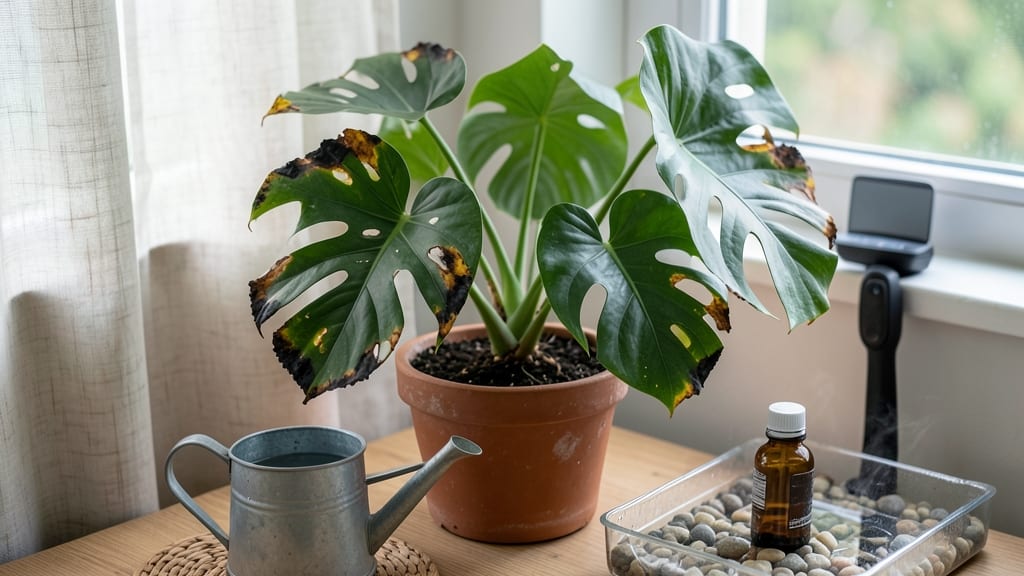
Burnt leaf tips are the plant equivalent of a cry for help. 🌿 I've seen them on everything from ferns to tomatoes, and they always mean one of three things: you're drowning the roots, starving them, or zapping them with chemicals. The good news?
Fixing them is simpler than you think—once you know the real cause. Most people blame "low humidity" or "dry air," but that's rarely the issue. It's almost always water (too much or too little), fertilizer burn from overfeeding, or salt buildup in the soil.
Even wind can scorch edges if plants aren't acclimated. The key is checking the roots first—healthy roots mean healthy leaves. You'll see the damage reverse within 2-4 weeks of adjusting care. Trim the crispy bits, repot if needed, and watch new growth emerge with smooth, vibrant edges.
The fix isn't about guesswork—it's about matching your care to what the plant actually needs. Works for houseplants, container veggies, and even lawn edges. Let's diagnose what's really wrong with those leaves!
Root Causes Behind Leaf Damage
Understanding why your plants develop burnt leaf tips is the first step to fixing the issue. Often, it’s not just one factor but a combination of environmental stressors, watering habits, or even soil conditions. Let’s break down the most common culprits—and how they trigger those unsightly brown edges.
When roots sit in soggy soil for too long, they struggle to absorb oxygen, leading to root rot. As the plant’s nutrient and water uptake falters, leaves react by developing crispy, brown edges—especially on older foliage.
This is particularly common in: - Heavy clay soils (which compact and trap moisture) - Plants in pots without drainage holes (like ferns, calatheas, or peace lilies) - Overzealous watering (e.g., daily checks when the top inch is still damp)
Why it happens: Excess water forces minerals like calcium and magnesium out of the root zone, causing nutrient imbalance. The leaf margins, being the oldest tissue, burn first as the plant prioritizes new growth.
While overwatering is a frequent suspect, chronic underwatering can also scorch leaves—especially in dry climates or during heatwaves. When soil dries out completely, roots can’t pull up enough water, and salts (from tap water or fertilizers) accumulate in the root zone.
These salts draw moisture out of leaves through a process called osmotic stress, leading to dehydration and crispy tips.
Why it happens:
- Tap water high in chlorine/fluoride leaves mineral deposits that disrupt cellular function.
- Low humidity (common in homes with central heating) increases transpiration rates, forcing leaves to lose water faster than roots can replace it.
- Potted plants in small containers dry out quicker, especially if the soil is sandy or peaty.
Burnt leaf tips can signal a nutrient deficiency, most often: - Calcium (Ca): Essential for cell wall structure, calcium deficiency causes blossom-end rot in tomatoes but also manifests as brown, leathery tips in houseplants like scheffleras or snake plants.
It’s common when soil pH is too high (alkaline) or too low (acidic). - Magnesium (Mg): A key player in chlorophyll production, magnesium deficiency turns leaf edges yellow before they brown.
This is frequent in acid-loving plants (like azaleas or blueberries) grown in alkaline soil. - Potassium (K): Helps regulate water movement in plants. A lack of potassium weakens cell membranes, making leaves more susceptible to burning from salt stress or drought.
Why it happens:
- Improper fertilizer use (e.g., too much nitrogen with no micronutrients).
- Old or depleted soil lacking organic matter to hold nutrients.
- Hard water (high in calcium carbonate) can lock out other minerals.
Plants are sensitive to sudden changes in their environment. Extreme temperatures, wind, or sun exposure can cause leaf edges to dry out and crisp, mimicking nutrient issues.
- Cold drafts or AC vents near houseplants create temperature fluctuations, causing water to evaporate faster than roots can absorb it.
- Direct afternoon sun (especially for tropical plants like ferns or calatheas) leads to sunburn, where leaf margins bleach and then turn brown.
- Low humidity (below 40%) forces leaves to lose moisture rapidly, leading to desiccation (drying out) at the tips.
Why it happens: Leaves are covered in stomata (tiny pores) that regulate water and gas exchange. When environmental conditions are harsh, stomata close to conserve water—but this traps excess salts inside leaf cells, causing them to plasmolyze (shrink and die).
While fertilizers provide essential nutrients, too much of a good thing can be toxic.
Excess salts from: - Synthetic fertilizers (especially high in nitrogen or phosphorus) - Soft water with high sodium content - Pesticides or herbicides (even organic ones) can accumulate in the soil and burn leaf margins.
Why it happens: High salt concentrations in the root zone disrupt water absorption, leading to osmotic stress. The plant’s cells lose turgor pressure, and the oldest leaves (with the highest salt buildup) show damage first.
While less common, sap-sucking pests (like spider mites, aphids, or scale insects) can weaken leaves, making them more prone to burning. These pests inject toxins or disrupt nutrient flow, causing leaf edges to brown prematurely.
Why it happens:
- Pests create wounds that increase water loss.
- Toxins from pests (e.g., honeydew from aphids) can ferment on leaves, leading to bacterial or fungal infections that cause browning.
Not all burnt tips are a cause for alarm! Some plants (like monstera, ficus, or rubber plants) naturally develop older leaves with brown edges as they age. This is called senescence—a normal part of the leaf’s lifecycle where nutrients are recycled to new growth.
Why it happens: The plant reabsorbs nutrients from older leaves to support younger, more productive foliage. If you see only the oldest leaves affected (near the base of the plant) and new growth is healthy, this is likely just nature’s way of cleaning house.
Revive your plants in 3 steps
Now that you’ve pinpointed the cause of those unsightly brown, crispy leaf edges—whether it’s thirst, overwatering, sunburn, or nutrient stress—it’s time to take action. Here’s a straightforward, step-by-step guide to nursing your plants back to health and preventing future damage.
If your plant’s leaf tips are curling or turning brown due to inconsistent moisture, adjust your watering routine with these fixes:
🔥 For Underwatered Plants (Thirsty Leaves)
- 🍳 Step 1: Deep Watering – Stick your finger 1–2 inches into the soil. If it’s bone-dry, give your plant a slow, thorough drink until water drains from the bottom.
Use room-temperature water to avoid shocking the roots. - 👨🍳 Step 2: Improve Drainage – Ensure pots have drainage holes, and use a well-draining soil mix (like cactus or succulent blend for drought-tolerant plants).
Add perlite or sand if the soil compacts easily. - 🥘 Step 3: Adjust Frequency – Water only when the top 1–2 inches of soil feel dry. Group plants with similar needs together to streamline care.
💡 Pro Tip: Use a moisture meter for accuracy, or try the "lift-and-check" method—pick up the pot to gauge weight (lighter = needs water).
🌡️ For Overwatered Plants (Root Stress)
- ⏰ Step 1: Let It Dry Out – Skip watering for 5–7 days to allow excess moisture to evaporate.
Place the pot in a shady, well-ventilated spot to speed up drying. - 🔪 Step 2: Check for Root Rot – Gently remove the plant from its pot and inspect the roots.
If they’re mushy, black, or smelly, trim the damaged parts with sterilized scissors and repot in fresh, dry soil. - 🎯 Step 3: Repot if Needed – If the soil is soggy or compacted, repot into a container with better drainage and a mix of potting soil + perlite (50/50 ratio).
✨ Prevention: Water only when the soil is truly dry, and avoid letting plants sit in saucers of standing water.
If your plant’s tips look bleached, crispy, or white (like a sunburn), it’s getting too much direct light. Act fast to prevent further damage:
🌿 Step 1: Move It to Indirect Light
- Gradually shift the plant to a brighter spot with filtered light (e.g., east-facing window or a few feet from a south-facing one).
- For severe cases, move it to a shadier location immediately to stop further damage.
📊 Step 2: Prune Damaged Tips
- Use clean, sharp scissors to trim the brown, crispy edges at a 45-degree angle. This helps the plant redirect energy to new growth.
- Avoid cutting into healthy tissue—only remove what’s fully dead.
🥗 Step 3: Adjust Light Exposure
- Leafy greens (e.g., pothos, snake plant): Tolerate medium to bright indirect light.
- Succulents/cacti: Need morning sun + afternoon shade (or artificial grow lights).
- Tropicals (e.g., ferns, calatheas): Prefer low to medium indirect light.
💡 Pro Tip: If moving outdoors, acclimate plants slowly to avoid shock—start with 1–2 hours of sun per day and increase gradually.
Yellowing or brown tips can signal lack of key nutrients. Here’s how to fix common deficiencies:
| Symptom | Likely Cause | Solution |
|---|---|---|
| Brown, brittle tips | Low nitrogen | Feed with a balanced liquid fertilizer (20-20-20) every 4–6 weeks. |
| Purplish stems/leaves | Phosphorus deficiency | Use a phosphorus-rich fertilizer (e.g., bone meal) or compost tea. |
| Yellowing between veins | Magnesium deficiency | Apply Epsom salt (1 tbsp per gallon of water) every 2 months. |
| Slow growth + weak tips | General nutrient lack | Repot in fresh, nutrient-rich soil and use a slow-release fertilizer. |
✨ Prevention:
- Fertilize seasonally (spring/summer for most plants).
- Flush soil every 3 months with water to prevent salt buildup.
- Rotate plants occasionally for even light/nutrient access.
Once your plant recovers, keep those leaf tips healthy with these long-term strategies:
- 🌡️ Monitor humidity – Group plants together or use a pebble tray with water to increase moisture for tropical varieties.
- 💧 Water wisely – Always check soil moisture before watering, and never let pots sit in saucers of water.
- 🌿 Dust leaves regularly – Wipe leaves with a damp cloth to help them absorb light and breathe better.
- 🔄 Repot as needed – If roots are circling or soil depletes nutrients, refresh the pot every 1–2 years.
Remember: Plants are resilient! With the right care, those burnt tips will fade, and your greenery will bounce back stronger. 🌱💚
Frequently asked questions
Why do my houseplants get brown tips even when I water them regularly?
Brown tips often signal salt buildup from tap water or fertilizer rather than dehydration. Hard water leaves mineral deposits that disrupt nutrient absorption, while over-fertilizing creates toxic salt concentrations. Try using filtered or distilled water and flushing the soil every 3 months with plain water to remove excess salts.
Can I save a plant with severely burnt leaf tips?
Yes! Trim the damaged tips with clean scissors and focus on root health. If the problem is overwatering, let the soil dry completely before watering again. For underwatering, give a deep watering and improve drainage. Most plants recover within 4-6 weeks if the roots are healthy and you adjust care immediately.
How do I tell if burnt tips are from overwatering vs. underwatering?
Check the roots: Overwatered plants have mushy, black roots and soggy soil, while underwatered plants show dry, brittle roots. Also look at the soil surface—if it's cracked and dry, it's thirsty. For overwatered plants, reduce frequency and improve drainage immediately.
Will Epsom salt fix all types of burnt leaf tips?
Epsom salt (magnesium sulfate) only helps with magnesium deficiency, which causes yellowing between veins before browning. For other issues like calcium deficiency or salt buildup, Epsom salt won't help. Test your soil pH first—most plants need 6.0-7.0 for optimal nutrient uptake.
My outdoor plants get burnt tips in summer—what's causing this?
Summer scorching is usually from combination stress: intense sun, dry air, and soil drying too quickly. Move plants to morning sun only, mulch heavily, and water deeply at soil level (not overhead). For tropical plants, consider shade cloth during peak afternoon heat.