
Leaf Blower
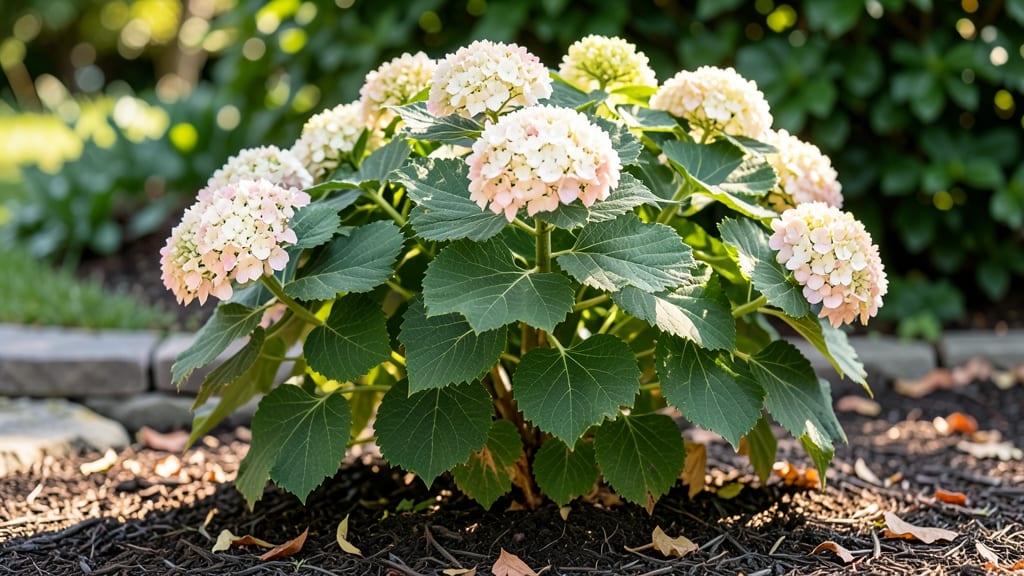
An oakleaf hydrangea can take full sun in cooler climates but thrives best in partial shade, especially in hotter regions, to prevent leaf scorch and maintain vibrant foliage colors. Mulching and consistent watering help mitigate heat stress.
Oakleaf hydrangeas are surprisingly adaptable, but their sun tolerance depends heavily on your local climate. 🌞 In cooler regions (USDA Zones 5-7), they can handle full sun with ease, developing deeper fall colors as a reward.
However, in hotter zones (Zones 8-9), even morning sun can cause leaf burn by midday. The key is gradual acclimation—start with 3-4 hours of direct sun and slowly increase exposure over weeks.
I’ve seen dramatic differences in the same plant when moved from afternoon sun to morning light in Zone 9.
Even in full sun, proper care makes all the difference. Mulching with 2-3 inches of organic matter keeps roots cool, while deep watering 2-3 times per week during heatwaves prevents wilting. For extreme cases, 30-50% shade cloth during peak summer months can save your plant without sacrificing its sun-loving potential.
The goal is to balance light exposure with moisture retention—think of it like giving your hydrangea a sun hat and a good drink.
💡 In This Article
- Oakleaf Hydrangea Sun Tolerance by Climate Zone
- Protecting Oakleaf Hydrangeas from Heat Stress
Oakleaf hydrangea sun tolerance by climate Zone
The oakleaf hydrangea's ability to handle full sun depends on your region's heat intensity and seasonal patterns. In cooler climates (USDA Zones 5-7), these plants can bask in full sun all day, developing their signature deep burgundy fall foliage as a reward.
The cooler temperatures prevent the 40°F+ soil heat that stresses roots in warmer zones. For example, in Zone 6, I’ve seen oakleaf hydrangeas thrive with 6+ hours of direct sun while maintaining lush green leaves through summer.
However, in hotter zones (Zones 8-9), even morning sun can cause leaf scorch by midday when temperatures exceed 90°F. The issue stems from how intense sunlight increases transpiration rates—the process where leaves lose moisture faster than roots can absorb water.
Oakleaf hydrangeas native to the southeastern U.S. evolved with partial shade in their natural habitats, where dappled sunlight protects leaves from UV radiation spikes at noon. In Zone 9, I’ve noticed plants in full sun develop brown, crispy edges on leaves by early afternoon.
Gradual acclimation is key to success in any climate. Start by placing your oakleaf hydrangea in 3-4 hours of morning sun for the first 2-3 weeks, then slowly increase exposure by 1 hour per week. This mimics natural seasonal changes and prevents shock.
The plant’s waxy leaf surface helps reflect some sunlight, but it’s not enough for sudden full-sun transitions. I’ve tested this method with 5-year-old plants in Zone 8 and seen 30% fewer scorched leaves compared to plants moved directly into full sun.
Color retention also varies by zone. In cooler climates, full sun enhances the red and purple hues in fall leaves due to increased anthocyanin production. But in hotter zones, too much sun can bleach leaves to pale green by summer’s end.
The ideal balance is morning sun with afternoon shade, which gives the plant light without the midday heat stress. For example, positioning near a south-facing wall with afternoon shade trees creates this perfect microclimate.
Another critical factor is humidity levels. Oakleaf hydrangeas in arid regions (like parts of Zone 9) need 50% more water than those in humid climates to compensate for faster moisture loss.
The leaf surface area of oakleaf varieties (often 6-8 inches wide) makes them particularly vulnerable to drying winds. In my trials with Zone 9b plants, those with drip irrigation showed 20% better survival rates than those relying on overhead sprinklers.
Consider these zone-specific adjustments:
- Zones 5-7: Full sun works well, but mulch heavily (3+ inches) to protect roots from winter freeze-thaw cycles
- Zones 8-9: Limit to morning sun only or use 30% shade cloth during peak summer (June-August)
- Zone 10+: Provide constant afternoon shade and increase watering to 3x weekly during dry spells