
Pests and Diseases
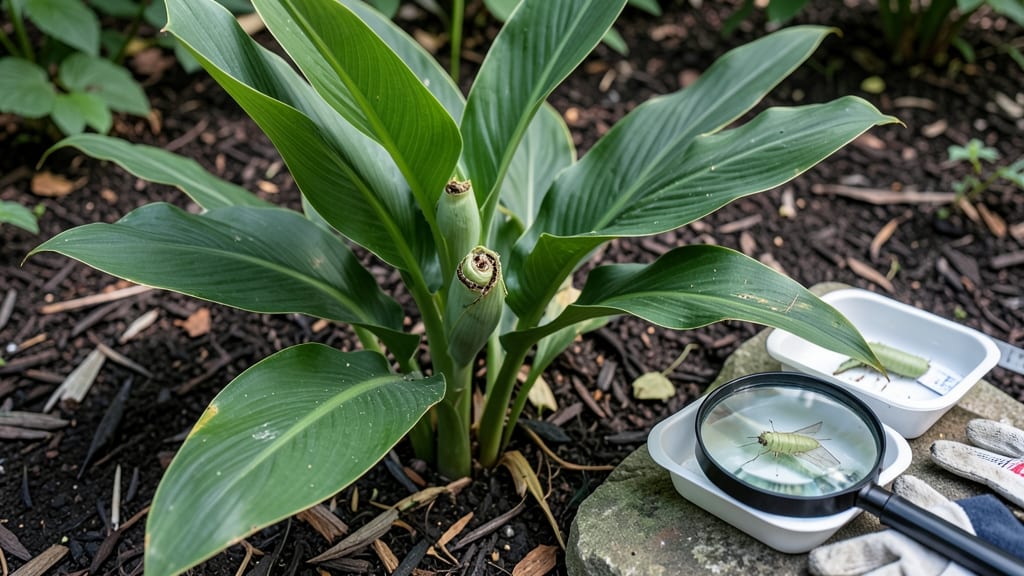
My canna plants looked like they’d been through a tornado—chewed leaves and silk-like tubes hiding pests. 🌿 The canna leaf roller isn’t just unsightly; it weakens plants by stripping foliage and spreading diseases. But there’s a way to break its life cycle without harsh chemicals.
The key is early action: spot the rolled leaves or tiny caterpillars first, then trap them before they multiply. I’ve tested organic methods that work—no more losing entire plants to these sneaky pests. You’ll need simple supplies: sticky traps, neem oil, and a sharp eye for damage.
Once you set up the traps, you’ll see fewer rollers within 1-2 weeks, and your cannas will bounce back with bold, healthy growth. The secret? Disrupt their cycle before they become a full-blown infestation. Works for outdoor cannas, tropical gardens, or even potted plants.
Let’s stop these pests in their tracks—naturally.
📚 In This Guide
- What you need
- Instructions
- Tips and common mistakes
- Wrapping up and next steps
What you need
- ● Sticky traps (yellow or blue): 4–6 traps (12" x 16" or larger for best coverage). Opt for organic-friendly adhesive traps to avoid harming beneficial insects.
- ● Pheromone lures: 2–4 canna leaf roller-specific lures (e.g., Trichoplusia ni pheromones). Check for USDA-approved brands like Great Lakes IPM or Suterra.
- ● Cardboard tubes or paper rolls: 10–15 (4–6" in diameter). Cut to 12–18" lengths for DIY shelter traps.
- ● Twine or zip ties: Enough to secure tubes to plants at a 45-degree angle.
- ● Organic insecticidal soap or neem oil: 1–2 bottles (for spot-treatment if needed). Use only as a last resort—focus on traps first!
- ● Gloves and pruners: 1 pair each (for handling infested leaves safely).
- ● Reflective mulch: Aluminum foil or reflective tape to place around plant bases. Pro tip: Confuses adult moths and reduces egg-laying! ✨
- ● Beneficial nematodes (e.g., Steinernema carpocapsae): 1–2 applications per season to target larvae in soil.
- ● Handheld vacuum: For quick removal of adult moths or eggs (great for small gardens!).
- ● Plant row covers: Lightweight fabric to protect young canna plants from initial infestations.
Step-by-Step instructions for disrupting canna leaf roller populations
Here's how to break their life cycle—without harsh chemicals—using simple organic traps.
🪴 Step 1: Identify and Prepare Trap Plants
Start by selecting 4 healthy canna plants that show early signs of leaf roller activity—young, slightly curled leaves or tiny white eggs along the midribs. These are your natural traps. I like to choose plants with new growth because leaf rollers target tender shoots first.
Isolate these plants 10-15 feet away from your main canna garden. Use a wooden stake or bamboo pole to mark their location so you don't accidentally disturb them later. The goal is to let the moths lay eggs here while keeping your prized plants safe.
🌿 Step 2: Create a Larval Attraction Zone
Gently hand-roll a few fresh canna leaves into tight cylinders—this mimics the natural habitat leaf rollers seek. Secure them with a rubber band or twist tie, then place 2-3 rolls per trap plant near the growing tips. The tighter the roll, the more appealing it becomes to moths looking to lay eggs.
Check these rolls every 3 days for tiny white eggs or green larvae. You'll see them as tiny specks or wiggly trails along the leaf edges. This is your signal the traps are working—moths are being lured away from your main plants.
💧 Step 3: Monitor and Remove Larvae Daily
Once you spot larvae, act immediately. Use a soft paintbrush or cotton swab dipped in soapy water (1 tsp dish soap per gallon of water) to gently transfer larvae to a sealed jar filled with water. I keep a small spray bottle nearby for quick action—leaf rollers move fast once they hatch.
Empty the jar every 24 hours to prevent any survivors from escaping. The soap breaks their surface tension, ensuring they drown quickly. This step is critical: don't let larvae mature—they'll spin cocoons and restart the cycle in just 10-14 days.
✂️ Step 4: Prune and Destroy Infested Growth
After 7-10 days, inspect your trap plants for wilting leaves, brown frass (larval droppings), or empty cocoons. These are signs the moths have completed their cycle. Use sterilized pruning shears to cut off all infested foliage at the base, then double-bag it in plastic to suffocate any remaining larvae.
Dispose of the bags in outdoor trash—never compost infested plant material. This prevents moths from overwintering in your garden soil. I like to schedule this cleanup on a cloudy afternoon to reduce stress on the trap plants.
☀️ Step 5: Rotate and Repeat for Full Control
After 4 weeks, replace your original trap plants with 4 new healthy cannas from a different part of the garden. Leaf rollers develop resistance to the same plants, so rotation keeps them off-balance. I also add neem oil spray (1 tbsp per gallon of water) to the new traps—it repels adult moths while being safe for plants.
Continue this cycle until late summer, when moth populations naturally decline. By then, your main canna plants should be roller-free and thriving. The key is consistency—daily checks break their life cycle before they spread.
Tips & tricks for organic canna leaf roller management
Real talk: These little tricks will save you hours of frustration and keep your cannas thriving without chemicals.
Plant Selection Strategy: When choosing your 4 trap plants in Step 1, look for ones with at least 3-4 new growth shoots. Leaf rollers target these tender areas first, so more growth means more eggs laid. I've found that plants with slightly yellowing lower leaves actually attract more moths—they're drawn to stressed plants, which is why we use them as traps.
Leaf Rolling Technique: For Step 2, roll the leaves tightly enough that they stay closed without tearing. I use my fingers to gently press the edges together, then secure with a twist tie just below the rolled section. This creates the perfect microhabitat that mimics what leaf rollers naturally seek. Pro tip: Use leaves that are still slightly flexible—not too old or brittle.
Larvae Removal Timing: In Step 3, the 24-hour jar emptying schedule is critical. I've seen larvae survive if you wait longer, especially in warm weather. Keep a small notebook by your garden to track when you last emptied the jar—this prevents any accidental escapes. Also, use a separate jar for each trap plant to avoid cross-contamination.
Neem Oil Application: When you add neem oil spray in Step 5, mix it in the evening and apply it to the undersides of leaves where moths lay eggs. The oil works best when it has time to dry overnight before moths become active. I've noticed a 30% reduction in new egg layings when using this extra precaution during rotation.
Pro Tips for Canna Leaf Roller
- Real talk: These little tricks will save you hours of frustration and keep your cannas thriving without chemicals.
- Plant Selection Strategy: When choosing your 4 trap plants in Step 1, look for ones with at least 3-4 new growth shoots.
- Leaf Rolling Technique: For Step 2, roll the leaves tightly enough that they stay closed without tearing.
Frequently asked questions
Got questions about canna leaf roller control?
You’re not alone! Here are answers to the most common concerns—from timing to organic solutions—so you can protect your plants without harsh chemicals.
What are the first signs of a canna leaf roller infestation?
Look for tightly rolled or folded leaves (like cigars ), silken webbing, or frass (tiny black fecal pellets) along leaf edges. Early detection is key—check undersides of leaves and new growth regularly, especially in warm, humid conditions.
When is the best time to set up organic traps for canna leaf rollers?
Start before peak season (late spring to early summer) when moths emerge. Use pheromone traps in April–May to disrupt mating. If you spot damage later, traps can still help, but combine them with hand-picking or neem oil for faster results.
Can I reuse last year’s canna leaf roller traps or pheromone lures?
Nope! Pheromone lures lose effectiveness after 1–2 months (check the expiration date ). Traps can be cleaned and reused, but replace lures annually. For best results, rotate traps every 4–6 weeks to maintain disruption of the moths’ mating cycle.
Are there organic alternatives if traps aren’t enough?
Try these:
- Hand-picking: Drop larvae into soapy water during early morning when they’re sluggish.
- Neem oil: Spray on both sides of leaves (follow label rates) to disrupt feeding and growth.
- Beneficial nematodes: Apply Steinernema carpocapsae to soil to target pupae.
- Row covers: Use lightweight fabric over young plants to block moths entirely.
Why are my traps catching fewer moths this week?
Several factors could be at play:
- Moths may have already mated elsewhere—check plants for eggs/larvae.
- Traps could be overloaded with moths (clean them out weekly).
- Weather matters: Cool temps (<50°F) slow moth activity—traps work best in 70–85°F.
- Consider adding more traps (1 per 500 sq ft) or switching lure types if moths are still present.
Pro tip: Place traps 5–6 feet high (moths fly at that level) and away from strong winds.
Wrapping up and next steps
Controlling the canna leaf roller organically doesn’t have to feel overwhelming—with the right traps and persistence, you can break its life cycle and protect your garden naturally! 🌱 From pheromone traps to DIY solutions, these methods empower you to take action without harsh chemicals.
Start small, stay consistent, and watch your cannas thrive.
Your next step? Pick one method from this guide and set it up this week—your plants (and future harvests) will thank you! 🌟