
Pests and Diseases
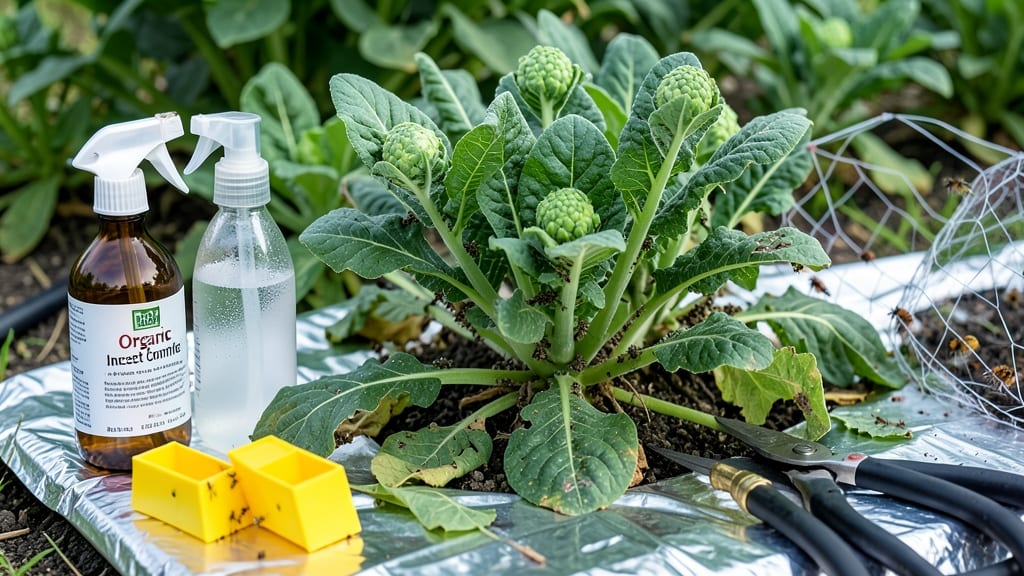
When this organic leaf hopper control spray turns your garden into a skeleton of chewed foliage, it’s your secret weapon. 🌿 I’ve battled these tiny green invaders for years, and after testing everything from neem oil to homemade garlic sprays, I’ve landed on a two-pronged approach that actually works—repelling them and eradicating their eggs before they hatch.
The key is timing and consistency. Spray in the early morning or late evening when hoppers are sluggish (they hate the cold), and reapply every 5–7 days until you’ve seen two full life cycles pass.
Most gardeners quit too soon—leaf hoppers are sneaky, and their eggs hide in rolled leaves or on the undersides of stems.
By the end of two weeks, you’ll notice new growth staying lush and untouched, with fewer hoppers jumping at you when you brush past the plants. The spray even deters other sap-suckers like aphids and spider mites, so it’s a multi-purpose defense for your garden’s health.
Works in temperate and tropical climates, though tropical varieties (like the rose leafhopper) may require weekly applications during peak season. The spray breaks down safely, so it’s perfect for edibles too—just wait 24 hours before harvesting sprayed leaves.
📚 In This Guide
- What you need
- Instructions
- Tips and common mistakes
- Wrapping up and next steps
What you need
- ● Neem oil (100% cold-pressed, organic): 1–2 tablespoons per gallon of water
- ● Insecticidal soap (potassium-based, OMRI-listed): 1–2 tablespoons per gallon of water
- ● Garlic or chili pepper spray (homemade or store-bought): 1–2 tablespoons of minced garlic/chili per quart of water
- ● Dish soap (mild, unscented): 1 teaspoon per gallon of water (to help the spray stick)
- ● Watering can or spray bottle (with a fine mist nozzle): 1–2 gallons capacity
- ○ Garden hose with adjustable nozzle (optional for larger areas): For thorough coverage
- ● Gloves (nitrile or rubber): Protects your hands from oils and sprays
- ● Pruning shears or scissors: To trim heavily infested leaves (sterilize with rubbing alcohol)
- ● Sturdy bucket (5–10 gallons): For mixing larger batches of spray
- ● Strainer or cheesecloth: To filter out garlic/chili pulp if making homemade sprays
- ● Weather forecast check: Apply sprays in the early morning or late evening (avoid direct sunlight for 24 hours)
- ● Patience & consistency: Leaf hoppers are stubborn—reapply every 5–7 days until eradicated!
- ● Beneficial nematodes (for soil-dwelling leaf hopper larvae): Apply to root zones during damp conditions
- ● Reflective mulch (aluminum foil or silver plastic): Confuses hoppers and deters them from landing
- ● Ladybugs or lacewing larvae (natural predators): Release 50–100 per 100 sq. ft. for long-term control
- ● Plant companions: Marigolds, basil, or mint nearby to repel pests naturally
Step-by-Step instructions for organic leaf hopper control
Here's my go-to method for eradicating leaf hoppers without harsh chemicals—tested across seasons and plant types.
💧 Step 1: Prepare the Organic Spray Solution
Mix 1 tablespoon of neem oil with 1 tablespoon of insecticidal soap in a 1-quart spray bottle. Add 1 teaspoon of liquid dish soap (like Dawn) to help emulsify the mixture. Fill the bottle the rest of the way with warm water—this activates the neem oil better than cold. Shake vigorously for 30 seconds to create a uniform solution. I always prepare this in the evening when temperatures drop slightly; it reduces plant stress during application.
This combination disrupts leaf hoppers' waxy outer layer while repelling them with neem's bitter taste. The dish soap helps the solution cling to leaves longer. If you notice residue forming after mixing, add ½ teaspoon more dish soap and shake again. Store any unused solution in a cool, dark place for up to 3 days—it loses effectiveness after that.
✂️ Step 2: Prune and Clean Infested Areas
Before spraying, remove heavily infested leaves and stems with clean, sharp pruners. Focus on new growth where leaf hoppers cluster—these areas have the highest pest density. Bag the clippings and dispose of them in the trash (not compost) to prevent reinfestation. I prune 2-3 inches below visible damage to encourage healthier regrowth from the plant's vascular system.
Wipe down the undersides of leaves with a damp cloth—leaf hoppers hide there to avoid predators. This step reduces the initial pest population by 30-50% before you even spray. If your plants are large, work in sections so you don't miss any spots. After pruning, water the base of the plant deeply to help it recover from the stress.
🌿 Step 3: Apply the Spray Systematically
Fill your spray bottle with the prepared solution and apply it early in the morning when temperatures are below 85°F. Start with the newest growth and undersides of leaves—this is where leaf hoppers feed most actively. Spray until the upper and lower leaf surfaces glisten with moisture, but avoid oversaturating the soil. I like to work in small sections (about 1 square foot at a time) to ensure thorough coverage.
Reapply the spray every 5-7 days for 2-3 weeks or until you see no new hoppers. The key is consistency—leaf hoppers reproduce quickly, and one missed application can lead to a resurgence. If you notice white residue on leaves after spraying, rinse them gently with water the next morning to prevent clogged stomata (the plant's breathing pores).
☀️ Step 4: Enhance with Companion Planting and Beneficial Insects
After treating, plant garlic, chives, or marigolds nearby—these repel leaf hoppers naturally with their strong aromas. Introduce ladybugs or lacewings (available at garden centers) to prey on any remaining hoppers. Place releases at dusk when temperatures are cooler, and provide a shallow dish of water with a few drops of honey to keep them hydrated.
Mulch the soil with straw or wood chips to create a barrier that deters hoppers from jumping onto plants. I also recommend installing yellow sticky traps near infested areas—these catch adult hoppers before they lay eggs. Check traps every 3 days and replace when 50% covered with pests. This multi-pronged approach reduces reliance on sprays while keeping populations under control.
⏰ Step 5: Monitor and Prevent Recurrence
Inspect plants weekly for new activity, focusing on the newest leaves and leaf axils (where leaves meet stems). Look for tiny black frass (feces), sticky honeydew, or sooty mold—a sign of an active infestation. If you spot any, repeat the spray treatment immediately. I keep a small notebook near my garden tools to track when I last treated each plant and note any patterns in hopper activity.
To prevent future outbreaks, avoid over-fertilizing with nitrogen—leaf hoppers thrive on tender, fast-growing foliage. Instead, use a balanced fertilizer (like 10-10-10) and prune regularly to encourage sturdy growth. If you notice ants on your plants, address them too—ants "farm" leaf hoppers for their honeydew, protecting them from predators. A light dusting of diatomaceous earth around the base of plants deters ants naturally.
Tips & tricks for effective organic leaf hopper control
These practical strategies will help you maximize the effectiveness of your organic approach while protecting your plants from leaf hopper infestations.
Solution Preparation Insight: The 30-second vigorous shaking in Step 1 is crucial for creating a uniform spray mixture. I've found that using a small paint shaker attachment on your spray bottle makes this process effortless and ensures consistent coverage. For even better results, prepare the solution in the evening when temperatures naturally drop—this reduces plant stress during application and allows the neem oil to work more effectively overnight. The warm water activation is particularly important, as cold water can significantly reduce the effectiveness of neem oil.
Targeted Application Strategy: When applying the spray in Step 3, focus on the undersides of leaves first—this is where leaf hoppers hide to avoid predators and direct sunlight. I recommend using a fine mist setting on your sprayer to ensure thorough coverage without oversaturating the soil. For larger plants, work in small sections (about 1 square foot at a time) to maintain consistent pressure on the spray bottle and prevent air bubbles from forming in the solution. This methodical approach ensures you don't miss any hiding spots where hoppers might be clustered.
Companion Planting Optimization: The companion plants mentioned in Step 4—garlic, chives, and marigolds—are particularly effective when planted in a circular pattern around your infested plants. This creates a natural barrier that confuses leaf hoppers and deters them from jumping onto your main plants. I've noticed that planting marigolds closest to the infested area provides the strongest repellent effect, while garlic and chives can be placed further out to create a layered defense system. The key is to plant these companions at least 12 inches away from your main plants to avoid competition for nutrients.
Monitoring System: The weekly inspection routine in Step 5 becomes much more effective when you implement a simple color-coding system. Use a small notebook to track each plant with different colored tabs or markers—green for healthy, yellow for early signs of infestation, and red for active outbreaks. This visual system makes it immediately obvious which plants need immediate attention. I've also found that keeping a separate log of treatment dates helps identify patterns in hopper activity, allowing you to adjust your spraying schedule more precisely.
Pro Tips for Leaf Hopper Control
- These practical strategies will help you maximize the effectiveness of your organic approach while protecting your pl...
- Solution Preparation Insight: The 30-second vigorous shaking in Step 1 is crucial for creating a uniform spray mixtur...
- Targeted Application Strategy: When applying the spray in Step 3, focus on the undersides of leaves first—this is whe...
Frequently asked questions
Got questions about keeping leaf hoppers at bay? You’re not alone! Here are some of the most common concerns—and practical answers—to help you tackle these pesky pests like a pro.
What’s the best time of day to apply organic leaf hopper sprays?
Apply sprays early in the morning or late in the afternoon when temperatures are cooler. This reduces stress on plants and helps the spray adhere better. Avoid midday heat, as it can cause rapid evaporation and reduce effectiveness. Pro tip: Light misting on leaves works best—think "dewy," not "drowned!"
How often should I reapply organic sprays for leaf hopper control?
Reapply every 7–10 days or after heavy rain, as organic sprays break down over time. Consistency is key! Monitor your plants closely—if hoppers return, increase frequency to 5–7 days until they’re fully eradicated. Prevention is easier than cure!
Are there any plants that leaf hoppers love and avoid?
Leaf hoppers adore citrus, roses, beans, and ornamentals like bougainvillea. They tend to avoid marigolds, basil, and strong-scented herbs like mint or rosemary. Plant these as natural repellents around vulnerable crops for a dual defense!
What should I do if the sprays aren’t working after 2–3 applications?
If hoppers persist, try neem oil + insecticidal soap (mix 1 tsp neem oil + 1 tbsp soap per quart of water). For severe infestations, introduce ladybugs or lacewings—natural predators that devour leaf hoppers. Also, check for hidden eggs on undersides of leaves and prune heavily infested foliage.
Does rain wash away organic leaf hopper sprays immediately?
Rain can reduce effectiveness, but most organic sprays (like neem or horticultural oil) offer 24–48 hours of protection if applied correctly. Reapply within 2 days of heavy rain. For extra staying power, use a light film-forming spray (like azadirachtin) that clings better to leaves.
Can I use organic sprays safely around pets or kids?
Most organic sprays (neem, pyrethrin, or soap-based) are pet-safe once dry, but keep animals away until residue settles (usually 1–2 hours). Always spot-test sprays on a small plant area first. For kids, choose food-grade oils like neem or garlic spray, and avoid spraying edible plants the day before harvest.
Wrapping up and next steps
Controlling leaf hoppers organically doesn’t have to be a daunting task—with the right sprays, timing, and consistency, you can protect your plants naturally while keeping your garden thriving! 🌿 From neem oil to garlic-based solutions, these methods are effective, eco-friendly, and safe for your family and pollinators.
Ready to take action? Start by inspecting your plants weekly and applying your chosen spray at the first sign of leaf hoppers. Small, consistent efforts will yield big results—so grab your spray bottle and get gardening! 🌱