
Pruning
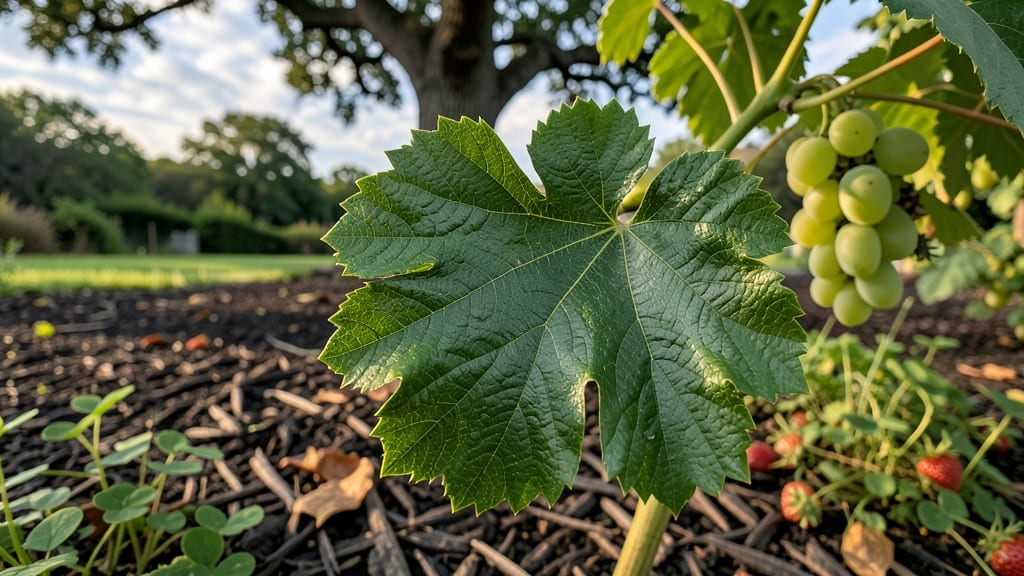
The leaf of a Catawba tree tells the story of your tree’s health—yellowing, spotted, or curling can mean pests, disease, or simply seasonal stress. 🌿 I’ve spent years watching these trees transform from lush canopies to worryingly bare branches, and the difference between thriving foliage and struggling leaves often comes down to timing, technique, and a sharp eye for early warning signs.
Spider mites and aphids love Catawba leaves, but so do fungal infections like leaf spot—both leave behind telltale marks. The key is catching problems early: inspect leaves regularly, especially after rain or drought, and prune out damaged branches before they spread.
A 3-in-1 pruning saw and sterilized shears are your best tools for clean cuts that heal fast.
With the right approach, your Catawba’s leaves stay deep green and glossy all season. Start by removing dead or diseased branches in late winter, then thin out crowded growth in early summer to improve airflow.
This isn’t just about looks—healthy leaves mean better fruit production and a stronger tree for years to come.
Even the best-maintained trees face challenges, so keep an eye out for unusual discoloration or sticky residue (a sign of sap-sucking pests). Adjust your care routine based on what you see—more water in droughts, targeted sprays for pests, and proper pruning to prevent future stress.
Your tree’s leaves will thank you.
📚 In This Guide
- What you need
- Instructions
- Tips and common mistakes
- Wrapping up and next steps
What you need
- ○ Pruning shears: Bypass pruners (sharp, 5–8" blades) for clean cuts on small branches. Optional: Loppers (for thicker branches, 10–16" reach).
- ● Pruning saw: Curved-tooth saw (for branches >1" thick) with a sterilized blade (rubbing alcohol or bleach wipe).
- ● Ladder: Aluminum extension ladder (16–20 ft, sturdy, with non-slip feet) for tall branches. Safety tip: Never stand on the top 3 rungs!
- ● Gloves: Heavy-duty leather or nitrile-coated (protects from thorns and sap).
- ○ Disposable pruning bags: 5–10 gallon capacity (for debris removal). Optional: A tarp to lay under the tree.
- ● Rag or paper towels: For wiping sap/resin from tools.
- ● Hand sanitizer or soap: To clean hands after pruning (sap can irritate skin!).
- ● Timing: Prune in late winter/early spring (before buds swell) or summer after fruiting. Avoid pruning in fall (increases disease risk).
- ● Weather: Choose a dry, overcast day (tools stay sharper, and cuts heal faster).
- ● Tree health check: Inspect for diseased or dead branches (brown, mushy, or no leaves). Pro tip: Scrape a small section—healthy bark is greenish under the skin!
- ● Sterilization: Clean tools with 70% isopropyl alcohol or a 10% bleach solution (1 part bleach to 9 parts water) to prevent spreading fungal/bacterial infections.
- ● Marking spray: Pink or white (to tag branches for removal before cutting).
- ● Sealant: Pruning sealant (for cuts >½" thick; controversial but useful in wet climates).
- ● Camera: Snap photos of the tree before/after pruning (helps track growth patterns!).
- ● First-aid kit: Include antiseptic wipes and bandages (just in case!).
Step-by-step guide to pruning Catawba trees for longevity
Here's how I keep my Catawba trees thriving through every season—simple, strategic cuts that prevent disease and encourage fruit production.
✂️ Step 1: Time Your Pruning for Optimal Growth
Prune your Catawba tree during late winter or early spring, just before buds swell but before new growth begins. This timing prevents stressing the tree when it's most vulnerable. Avoid pruning in fall—you'll encourage tender new growth that won't harden off before winter's chill.
If you must prune in summer, do it immediately after harvest to allow wounds to heal before cold weather arrives. I mark my calendar for February or March—that's when I see the best results. Look for dormant buds that haven't yet opened; those tell me it's safe to cut.
🌿 Step 2: Remove Dead, Diseased, or Crossing Branches First
Start by scanning the tree for branches that are dead (no leaves, brown or brittle), diseased (mushroom growth, oozing sap), or rubbing against others. These are your top priorities—they compete with healthy growth and invite pests. Use sharp, clean pruning shears to make 45-degree cuts just outside the branch collar (the swollen area where the branch meets the trunk).
I always cut back to a healthy bud or branch—never leave stubs. If a branch is larger than 2 inches in diameter, use a pruning saw instead of shears. You'll notice the tree's shape opening up as you remove these problem branches, letting more light reach the center.
☀️ Step 3: Thin the Canopy for Better Airflow and Fruit
Next, focus on thinning the tree's interior to improve airflow and sunlight penetration. Remove 10-20% of the tree's total branches, targeting those growing inward or upward. Aim for an open, vase-like shape that lets light reach all leaves. Start at the bottom and work upward—this prevents over-pruning the top.
Look for branches that cross or rub against others; these will eventually create wounds. Cut these back to a lateral branch or bud. I like to step back every few cuts to visualize the tree's shape—this helps me avoid over-thinning. You'll see new growth filling in the gaps within a season.
⏰ Step 4: Shape for Balance and Fruit Production
Now it's time to refine the tree's shape. Catawbas respond well to an open-center form, so I remove any branches growing straight up from the main trunk (called "water sprouts"). These compete with fruit-bearing branches and weaken the tree. Cut them back to a lateral branch or bud facing outward.
For horizontal branches, shorten them by one-third to encourage bushier growth. Make cuts just above a bud that faces outward—this ensures new growth continues the tree's natural shape. I avoid heavy pruning on young trees; focus on removing only what's necessary to maintain balance.
🪴 Step 5: Clean Up and Monitor for Recovery
After pruning, collect all debris and dispose of it away from the tree to prevent disease. Sterilize your tools with rubbing alcohol to kill any lingering pathogens. Water the tree deeply to help it recover, especially if you've made large cuts. You'll notice new growth emerging from the buds you left behind within 4-6 weeks.
Keep an eye on the tree for the next few weeks. If you see excessive weeping from cuts, apply a layer of pruning sealant to larger wounds (over ½ inch in diameter
Tips & tricks for pruning Catawba trees like a pro
These simple strategies will help you prune with confidence and keep your Catawba thriving for years.
Timing is Everything: The late winter to early spring window (February or March) is critical because your tree is still dormant but about to burst with new growth. If you prune too early, you risk frost damage; too late, and you encourage tender new growth that won't survive winter. I always check for dormant buds that haven't opened yet—that's my green light to prune. If you must prune in summer, do it right after harvest so wounds can heal before cold weather arrives.
Tool Prep Makes All the Difference: Never skip sterilizing your pruning shears or saw with rubbing alcohol before and after use. I've seen fungal diseases spread from one tree to another through contaminated tools, and once it's in your tree, it's nearly impossible to eliminate. Also, keep your blades sharp—dull tools crush branches instead of making clean cuts, which invites infection. A quick wipe-down with a clean cloth between cuts keeps your tools ready for the next branch.
Visualize the Final Shape: Before making any cuts, step back and visualize your tree's final shape. Catawbas respond well to an open-center form that lets sunlight reach all leaves. I like to sketch a rough outline on paper first—this helps me decide which branches to remove for airflow and which to keep for structure. Start with the bottom branches and work upward; this prevents over-pruning the top where sunlight is most abundant. You'll notice the tree's natural shape emerge as you make strategic cuts.
Recovery Care is Just as Important: After pruning, water your tree deeply—especially if you've made large cuts—to help it recover. I always monitor for new growth within 4-6 weeks, which tells me the tree is healing well. For wounds over ½ inch in diameter, apply pruning sealant to prevent disease, but leave smaller cuts exposed—they heal faster with air circulation. Collect and dispose of all debris away from the tree to prevent pests and pathogens from taking hold.
Pro Tips for Catawba Tree Leaf
- These simple strategies will help you prune with confidence and keep your Catawba thriving for years.
- Timing is Everything: The late winter to early spring window (February or March) is critical because your tree is sti...
- Tool Prep Makes All the Difference: Never skip sterilizing your pruning shears or saw with rubbing alcohol before and...
Frequently asked questions
Got questions about keeping your Catawba tree thriving with the perfect leaf pruning routine? You’re not alone! Here are answers to the most common queries—because even pros need a little guidance now and then.
When is the best time to prune Catawba tree leaves for optimal growth?
The ideal window is late winter or early spring (just before buds swell), but you can also prune lightly in summer to shape the tree. Avoid heavy pruning in fall—it stimulates tender new growth that won’t survive winter. Pro tip: If you miss the spring window, wait until late summer for minimal stress.
What should I do if my Catawba tree leaves turn yellow or brown after pruning?
Yellowing (chlorosis) or browning often signals stress from over-pruning or disease. Check for fungal spots (like powdery mildew) or pests like scale insects. If leaves are only on new growth, it’s likely over-pruning—scale back next time. For brown edges, ensure proper watering (not soggy soil!).
Can I prune Catawba tree leaves in winter, or will it harm the tree?
Light pruning in dormant winter (Dec–Feb) is fine, but avoid heavy cuts—it exposes fresh tissue to cold damage. If you must prune in winter, do it on mild days above 40°F and seal larger cuts with pruning sealant. Warning: Never prune during frost or extreme temps!
Are there alternatives to pruning Catawba leaves if I’m not experienced?
If pruning feels overwhelming, try these low-maintenance strategies:
- Thinning: Remove only crossing or dead branches (no need for exact cuts).
- Natural shaping: Let the tree grow wild—Catawbas tolerate irregular forms beautifully.
- Hire a pro: Local arborists often offer one-time pruning services for fruit trees.
How much can I prune Catawba tree leaves without hurting fruit production?
For bearing trees, limit pruning to 15–20% of the canopy per year to avoid reducing next year’s crop. Focus on:
- Removing suckers (shoots at the base).
- Opening the center for sunlight (but don’t overdo it!).
- Avoid cutting fruit-bearing branches unless diseased.
Wrapping up and next steps
Mastering the art of pruning your Catawba tree ensures its beauty and health year-round! 🌿 From removing dead branches to shaping for optimal growth, every trim keeps your tree thriving. Remember, timing, tools, and technique are your best friends—so stay patient and consistent.
Ready to take your pruning skills to the next level? Start small—pick one section of your tree to practice your cuts, and gradually expand. Before you know it, you’ll be a Catawba tree pruning pro! 🌟