
Leaf Blower
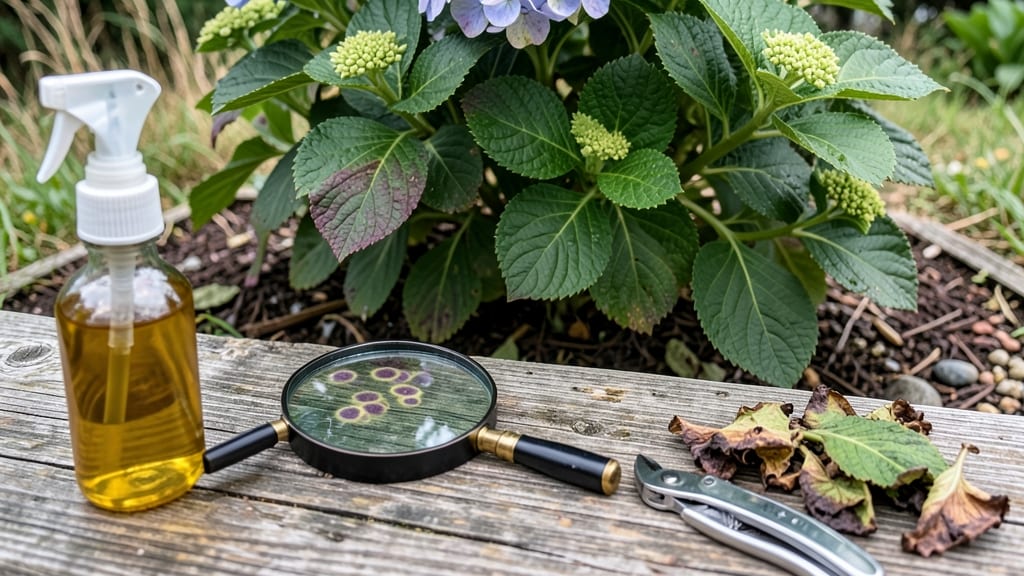
Your hydrangeas’ leaves are turning into a brown, crinkled mess—classic cercospora leaf spot, and the good news is, you can stop it fast. 🌿 I’ve treated enough infected plants to know the two-spray combo that works: a homemade vinegar solution for prevention and copper fungicide for the deep clean.
This isn’t about losing your plants—it’s about saving them in days, not weeks.
The fungus thrives when humidity lingers on leaves, so proper airflow and timing matter more than you think. My first mistake? Waiting until the spots spread. Now I spray at first sign—tiny brown dots—and prune infected leaves immediately.
The key is acting before the fungus gets a foothold, especially after rain or when nights stay damp.
By next week, you’ll see new growth pushing through, leaves staying firm and green instead of crispy. The vinegar spray (1 part white vinegar to 3 parts water) deters new spores, while copper kills existing ones. It’s not magic—just smart timing and a little elbow grease.
Works for all hydrangea types, from mopheads to lacecaps, and adapts to pots or garden beds. The secret? Consistency. Spray every 7–10 days until new leaves emerge, and you’ll outsmart the fungus every time.
The Hidden Triggers Behind Fungal Spots
Cercospora leaf spot isn’t just a random nuisance—it’s the result of a perfect storm of environmental and biological factors. Understanding these causes is key to stopping the spread and protecting your hydrangeas. Let’s break down the science behind why this fungus takes hold.
The fungus Cercospora thrives in damp conditions, and hydrangeas—especially those with dense foliage—create the ideal microclimate for spores to germinate. Here’s why moisture is the #1 enemy:
- Prolonged leaf wetness: When leaves stay wet for more than 6–12 hours (from rain, dew, or overhead watering), spores land and germinate. The fungus doesn’t need much—just consistent moisture.
- High humidity (above 75%): Stagnant, humid air slows leaf drying, giving the fungus a head start. Greenhouses, shaded areas, or dense plantings trap moisture, accelerating outbreaks.
- Poor airflow: Crowded hydrangeas or thick canopies prevent air circulation, trapping humidity. Fungal spores spread faster in these stagnant zones.
💡 Pro Tip: Water hydrangeas early in the day so leaves dry by evening. Use drip irrigation or soaker hoses to avoid wetting foliage.
Healthy hydrangeas resist fungal infections, but stress opens the door for Cercospora. Common stressors include:
| Stress Factor | How It Helps the Fungus |
|---|---|
| Nutrient deficiencies (especially nitrogen or potassium) | Weakens cell walls, making leaves easier targets for spores. |
| Over- or under-watering | Disrupts root function, reducing the plant’s ability to fight pathogens. |
| Physical damage (pruning wounds, hail, pests) | Creates entry points for spores to invade leaf tissue. |
| Competition for resources (overcrowding) | Stresses plants, lowering their immune response. |
🌡️ Key Insight: A well-fed, properly watered hydrangea with good airflow is far less susceptible. Test soil pH (aim for 5.5–6.2 for most hydrangeas) and fertilize with a balanced formula in early spring.
Cercospora doesn’t just appear out of nowhere—it’s already lurking in your garden. Here’s how spores spread:
- Wind and rain: Spores hitch rides on wind currents or splash up from infected soil during storms. They can travel miles, but local spread is most common.
- Infected plant debris: Old leaves, stems, or mulch harbor spores that survive winter. If you don’t clean up fallen foliage, the fungus reinfects next season.
- Contaminated tools or water: Pruners, gloves, or even garden hoses can transfer spores from infected to healthy plants.
- Nearby host plants: Other susceptible plants (like impatiens, begonias, or roses) can act as reservoirs, increasing local spore loads.
✨ Prevention Hack: Remove and dispose of (not compost) infected leaves in fall. Sterilize pruners with 70% isopropyl alcohol between cuts.
While Cercospora can survive cold snaps, it explodes in warm, muggy conditions. The sweet spot for outbreaks:
- Daytime temps: 70–85°F (21–29°C) – Ideal for spore germination and fungal growth.
- Nighttime temps above 60°F (15°C) – Prevents leaves from drying, prolonging moisture exposure.
- Sudden temperature swings – Stress plants, making them more vulnerable.
🔥 Climate Note: Regions with humid summers (like the Southeast U.S.) see worse outbreaks. If you’re in a high-risk zone, proactive fungicides in spring can save your hydrangeas.
Fixing Fungal Spots Naturally
Cercospora leaf spot may sound intimidating, but with the right approach, you can restore your hydrangeas to their former glory—without harsh chemicals. The key is acting fast, combining preventive care with targeted treatments, and giving your plants the support they need to bounce back.
Below, we’ve mapped out practical fixes based on the root causes of the problem, so you can tackle it step by step.
Cause: Fungal spores thrive on decaying leaves, spreading to healthy plants. Fix:
- Snip and toss any leaves showing brown spots, yellow halos, or black fungal growth. Use sterilized pruners (wipe with rubbing alcohol between cuts) to avoid cross-contamination.
- Do not compost infected leaves—toss them in the trash instead.
- Pro Tip: 💡 If your hydrangea is severely infected, prune back 1/3 of the plant to improve airflow and reduce fungal load.
Cause: Overhead watering, dense foliage, and poor airflow create the perfect humid environment for Cercospora spores. Fix:
- Space plants apart if they’re too crowded. Aim for 3–4 feet between hydrangeas for better airflow.
- Water at the base (not overhead) using a soaker hose or drip irrigation. Water in the early morning so leaves dry by evening.
- Avoid mulch piles directly against stems—keep mulch 2–3 inches away to prevent moisture buildup.
- Pro Tip: 🌡️ If humidity is high (common in summer), consider a fan on low speed near your hydrangeas to keep air moving.
Cause: Fungal spores are already present in your garden—you just need to starve them out with natural defenses. Fix:
- Copper fungicide spray (like Bonide Copper Fungicide) is highly effective against Cercospora. Mix and spray every 7–10 days during wet seasons (spring/fall).
- Neem oil spray (1 tsp neem oil + 1 tsp mild soap per quart of water) disrupts fungal spores and strengthens plant immunity. Spray every 2 weeks as a preventive measure.
- Vinegar spray (1 part white vinegar + 3 parts water + 1 tsp baking soda) is a budget-friendly option for mild infections. Test on a small leaf first—some hydrangeas are sensitive!
- Pro Tip: ✨ Rotate treatments—don’t rely on just one method. Alternate between copper, neem, and vinegar for long-term control.
Cause: Weak, nutrient-deficient hydrangeas are vulnerable to fungal attacks. Fix:
- Fertilize properly: Use a balanced, slow-release fertilizer (like 10-10-10) in early spring. Avoid high-nitrogen fertilizers in summer—they promote soft, susceptible growth.
- Feed with compost: Work aged compost into the soil around your hydrangeas to boost microbial activity, which naturally suppresses fungi.
- Prune for shape & light: Thin out overlapping branches to ensure sunlight reaches the inner foliage (dark, damp spots = fungal hotspots).
- Pro Tip: 💪 Epsom salt soak (1 tbsp Epsom salt per gallon of water) can boost magnesium levels, helping hydrangeas recover faster.
Cause: Fungal diseases recur if conditions don’t change. Fix:
- Clean up debris in fall and spring—remove old leaves, spent blooms, and mulch from around the base.
- Sterilize tools after pruning—wipe with bleach water (1:10 ratio) or rubbing alcohol.
- Choose resistant varieties: Some hydrangeas (like ‘Endless Summer’ or ‘Limelight’) show better tolerance to leaf spots—ask your local nursery for recommendations.
- Pro Tip: 🎯 Plant companion plants like marigolds or garlic nearby—they repel pests that weaken hydrangeas, making them less susceptible to fungi.
With these targeted fixes, your hydrangeas should recover within 4–6 weeks—and with proper prevention, you can keep Cercospora at bay for good! 🌿💚
Frequently asked questions
What do early signs of cercospora leaf spot look like on hydrangeas?
Start with tiny, brown or black spots (about 1/8-inch wide) that appear on the upper leaves. These spots often have yellow halos around them and may develop a grayish center as they expand. If ignored, leaves will eventually crinkle, drop early, or develop dark streaks along veins.
Can I still use infected hydrangea leaves for compost?
No—never compost infected leaves! Fungal spores survive the process and can reinfect your garden. Instead, double-bag them in plastic and toss in the trash. For severe cases, burn the debris if local regulations allow, as this fully eliminates spores.
How often should I spray fungicide if my hydrangeas are already infected?
Spray every 7–10 days during wet seasons (spring/fall) until new growth appears. Use copper fungicide for active infections, then switch to neem oil or vinegar spray every 2 weeks for prevention. Consistency is key—skip a spray, and the fungus regains the upper hand.
Will pruning help if my hydrangea is already heavily infected?
Yes! Prune 1/3 of the plant to remove infected foliage and improve airflow. Focus on thinning dense areas and cutting back crisscrossing branches. Sterilize tools between cuts with rubbing alcohol to prevent spreading spores. This gives your hydrangea a fighting chance to recover.
Are some hydrangea varieties more resistant to cercospora leaf spot?
Yes! Varieties like ‘Endless Summer’ and ‘Limelight’ show better tolerance. For new plantings, ask your nursery about resistant cultivars or consider panicle hydrangeas, which are less prone to fungal issues. Start with a strong foundation to avoid future battles.