
Leaf Blower
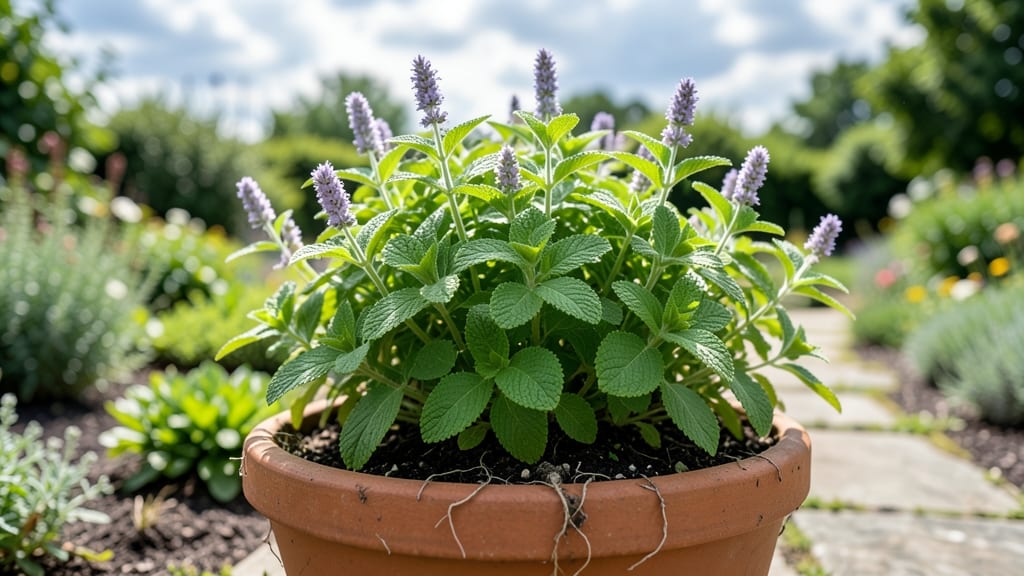
Growing Chinese mint leaf (or beefsteak plant) feels like cheating—this fragrant herb thrives with almost no effort. 🌿 The secret lies in its adaptability: it grows in partial shade, tolerates occasional neglect, and rewards you with vibrant green (or stunning red) foliage that’s perfect for cooking or garnishes.
Start with well-draining soil and a spot that gets 3-6 hours of sunlight daily—it handles both containers and garden beds. Pinch back tips early to encourage bushier growth, and harvest leaves regularly to keep the plant productive.
In warmer climates, it’s perennial; elsewhere, treat it as an annual for the best results.
📚 In This Guide
- What you need
- Instructions
- Tips and common mistakes
- Wrapping up and next steps
What you need
- ● Seeds or nursery plants: 5–10 seeds (or 2–3 young plants) for a small patch.
- ● Well-draining potting soil: 1–2 bags (10–20 lbs each) of organic, loamy soil (pH 6.0–7.0).
- ● Containers or garden bed: For containers: 5–6" deep pots (1 per plant) with drainage holes.
- ● For in-ground: A sunny spot with at least 6 hours of sunlight daily.
- ● Watering can or hose: With a gentle spray nozzle for even moisture.
- ○ Compost or fertilizer (optional but helpful): Balanced 10-10-10 or organic compost (1 cup per plant).
- ○ Gloves (optional): To protect hands from prickly stems.
- ● Pruning shears: For trimming stems (sterilized with rubbing alcohol).
- ○ Mulch (optional): Straw or shredded leaves to retain moisture.
- ● Label markers: To tag plants if growing multiple varieties.
Step-by-Step instructions for growing Chinese mint leaf
Here's how to cultivate this fragrant herb with minimal fuss—ideal for both containers and garden beds.
🌱 Step 1: Select the Perfect Location and Soil
Chinese mint thrives in partial shade to full sun (at least 4-6 hours of sunlight daily), but it tolerates morning sun better than hot afternoon exposure. I always choose a spot with well-draining soil—this herb hates soggy roots. If your garden soil is heavy clay, amend it with compost or sand to improve drainage.
For containers, use a 6-inch-deep pot with drainage holes—mint spreads aggressively, so one plant per container prevents overcrowding. Fill with a mix of potting soil and perlite (half-and-half) to keep roots aerated. The ideal soil pH is 6.0-7.0, but mint adapts well to slightly acidic conditions.
💧 Step 2: Plant and Water for Establishment
Plant 4-6 inch seedlings (or divide established plants) 12-18 inches apart in garden beds to allow for spreading. Dig a hole slightly larger than the root ball, place the plant in, and backfill with soil, pressing gently to remove air pockets. Water deeply right after planting to settle the soil around the roots.
Keep the soil consistently moist but not waterlogged—mint wilted leaves signal underwatering, while yellowing or mushy stems mean overwatering. I water every 2-3 days in warm weather, checking the top 1-2 inches of soil for dryness. Mulch with 2-3 inches of straw or shredded leaves to retain moisture and suppress weeds.
☀️ Step 3: Maintain and Harvest for Continuous Growth
Fertilize lightly once a month during the growing season with a balanced 10-10-10 fertilizer (use half the recommended strength). Too much nitrogen encourages leafy growth at the expense of flavor. Prune regularly to encourage bushiness—cut back one-third of the plant after the first harvest to promote branching.
Harvest Chinese mint leaves when they reach 3-4 inches tall, snipping just above a set of leaves or node. This encourages new growth and prevents the plant from becoming woody. For a continuous harvest, pinch back flowering stems as they appear—mint focuses energy on blooms instead of leaves when left unchecked.
✂️ Step 4: Overwinter and Prevent Spread
In colder climates, mulch heavily (4-6 inches) with straw or leaves before the first frost to protect the roots. Mint is hardy to Zone 5, but in colder regions, it may die back and regrow in spring. If growing in containers, move pots to a garage or sheltered area where temperatures stay above 20°F.
To control aggressive spreading, divide established plants every 2-3 years in early spring. Dig up clumps, separate into smaller sections with roots, and replant or share with fellow gardeners. This keeps your mint from taking over the garden and ensures vigorous regrowth each season.
Tips & tricks for perfect Chinese mint growth
Between us, these small details make all the difference when growing Chinese mint—especially if you want that signature aromatic punch.
Light Balance: In Step 1, when choosing your location, prioritize morning sun over harsh afternoon rays. I've seen Chinese mint scorch under full afternoon sun, even though it tolerates partial shade. If you're in a hot climate, morning sun plus afternoon shade is ideal—this prevents leaf burn while still giving it enough light for robust growth. The 4-6 hours of sunlight mentioned is perfect, but timing matters more than total hours.
Soil Mixing Strategy: For containers, don't just use regular potting soil—mix equal parts with perlite to create that airy environment Chinese mint loves. I learned this the hard way after watching mint roots suffocate in dense soil. The half-and-half ratio prevents compaction while still providing nutrients. Pro tip: Add a handful of worm castings to the mix for an extra flavor boost without over-fertilizing.
Watering Rhythm: The 2-3 day watering schedule in Step 2 works perfectly in warm weather, but adjust for your climate. I check soil moisture by sticking my finger 1-2 inches deep—if it feels dry, water until it runs out the drainage holes. The key is consistency: Chinese mint hates both drought and soggy conditions. Mulching with straw creates that perfect moisture blanket while keeping roots cool.
Harvesting Technique: When harvesting those 3-4 inch leaves in Step 3, always snip just above a leaf node—not the stem. This encourages bushier growth and prevents the plant from becoming leggy. I harvest every 3-4 weeks, and my plants stay lush year-round. If you see flower stems forming, pinch them immediately—they sap energy from your leaves.
Pro Tips for Chinese Mint Leaf
- Between us, these small details make all the difference when growing Chinese mint—especially if you want that signatu...
- Light Balance: In Step 1, when choosing your location, prioritize morning sun over harsh afternoon rays. I've seen Ch...
- Soil Mixing Strategy: For containers, don't just use regular potting soil—mix equal parts with perlite to create that...
Frequently asked questions
How fast does Chinese mint leaf grow?
Chinese mint (often confused with Boehmeria nivea) grows moderately fast—expect 6–12 inches per month under ideal conditions (warmth, moisture, and partial shade). In containers, growth may slow slightly, but it’s still a low-maintenance herb. Prune regularly to encourage bushier, more fragrant foliage!
Can I grow Chinese mint indoors?
Yes! Place it near a bright, east-facing window or under grow lights (12–14 hours/day). Use a well-draining pot with holes, and keep soil consistently moist. A humidity tray or occasional misting helps mimic its tropical habitat. Just avoid cold drafts—it thrives in 60–75°F.
What’s the difference between Chinese mint and peppermint?
Chinese mint (Boehmeria nivea) isn’t a true mint—it’s a tropical ornamental plant with soft, velvety leaves used in teas and crafts. Peppermint (Mentha × piperita) is a hardy culinary herb with a sharp, cooling flavor. Chinese mint is non-invasive and non-edible (unless specified as Mentha haplocalyx, a true mint variety).
Why are my Chinese mint leaves turning yellow?
Yellowing leaves usually signal overwatering or poor drainage. Let the top inch of soil dry between waterings, and ensure the pot has drainage holes. Check for pests (like spider mites) on the undersides of leaves. If roots smell rotten, repot in fresh, well-draining soil. Too much sun can also scorch leaves—keep it in partial shade.
Are there edible alternatives to Chinese mint?
If you’re craving minty flavors, try these edible substitutes:
- Spearmint or Peppermint: Classic choices for teas, cocktails, and dishes.
- Lemon Balm: Citrusy and calming, great for herbal infusions.
- Apple Mint: Mild, sweet flavor (a true Mentha variety).
- Basil or Thai Basil: Adds a fresh, aromatic twist to savory dishes.
Wrapping up and next steps
Growing Chinese mint leaf is a rewarding journey that brings fragrant, low-maintenance beauty to your garden—whether you’re a seasoned green thumb or a beginner! 🌿 With just a few essentials like well-draining soil, sunlight, and patience, you’ll soon enjoy its soothing aroma and versatile uses. Ready to dive in?
Take the next step: start with a small pot or seedling today and watch your fragrant herb flourish. Share your progress or tips with fellow plant lovers—every gardener’s success story inspires others! 🌱