
Fertilization
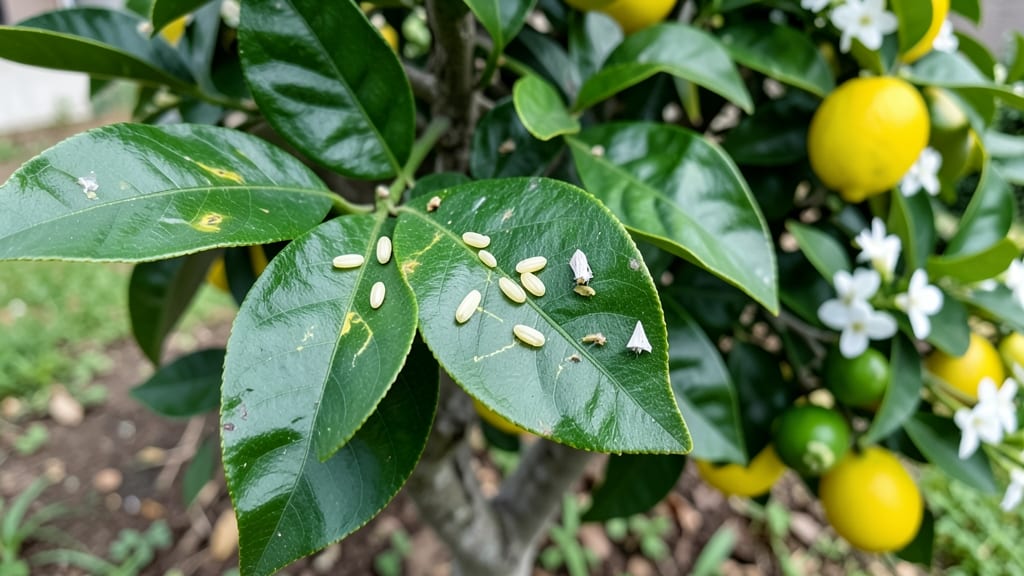
Those tiny white specks on your citrus leaves aren’t just dust—they’re citrus leafminer eggs, and acting fast is your best defense. 🌿 I’ve watched this pest turn lush trees into skeleton leaves within weeks, but with early detection, you can stop it before it starts.
The eggs look like tiny grains of rice along leaf veins, and they hatch in 7-10 days into larvae that tunnel through leaves. The key is checking undersides of leaves every 3-5 days during warm months—magnification helps spot them early.
Once you find them, scrubbing with soapy water or applying neem oil (mixed 1:10 with water) smothers eggs and larvae. Prune heavily infested leaves and drop them in sealed bags—never compost them.
Prevention is easier than cleanup: introduce lacewings or parasitic wasps, keep trees healthy with balanced fertilizer, and avoid overwatering. Your citrus can stay vibrant all season with these steps!
📚 In This Guide
- What you need
- Instructions
- Tips and common mistakes
- Wrapping up and next steps
What you need
- ● Handheld magnifying glass (10x magnification recommended) – for spotting tiny eggs (0.3–0.5 mm) on leaves.
- ● White or light-colored tray or bowl – to place leaves on for better egg visibility against a bright background.
- ● Soft-bristled paintbrush or cotton swab – for gently removing eggs without damaging leaves.
- ● Spray bottle with water – to dampen leaves slightly (helps eggs stand out).
- ● Pruning shears or sharp scissors – for trimming heavily infested leaves (sterilize with rubbing alcohol first!).
- ○ Disposable gloves (optional but recommended) – to protect your hands from sap and pests.
- ● Neem oil (100% cold-pressed) (1 tbsp per quart of water) – a safe, organic deterrent for future eggs.
- ● Insecticidal soap (mild, plant-safe) – for spot-treating infested areas (follow label instructions!).
- ○ Kaolin clay (food-grade) (optional) – creates a barrier to deter adult leafminers from laying eggs.
- ○ Beneficial nematodes (Steinernema carpocapsae) (optional) – targets leafminer larvae in soil (apply during cooler months).
- ● Early morning inspections – Eggs are easiest to spot when leaves are dew-covered.
- ● Calm, dry weather – Avoid checking after rain (eggs may wash away) or in direct sunlight (leaves dry out quickly).
- ● Patience & consistency – Check trees weekly during peak leafminer season (spring to early summer).
How to spot and remove citrus leafminer eggs naturally
Here's how I tackle this pesky pest before it turns your citrus trees into a skeleton.
🌿 Step 1: Inspect Leaves for Tiny Eggs and Early Signs
Start by examining the undersides of leaves—leafminers lay eggs there in clusters. Use a 10x magnifying glass to spot the tiny white oval eggs (about 1/32 inch long) that look like tiny grains of rice. I check new growth first, since that's where they prefer to lay eggs. Look for fine white webbing too—this is their silk as they hatch and begin feeding.
Don’t wait until you see blotchy, serpentine mines inside leaves—that means the larvae are already eating. Early detection is key. I do this check every 3-5 days during warm months, especially after new flushes of growth appear. The best time is early morning when pests are least active.
💧 Step 2: Remove Eggs by Hand or Gentle Washing
For small infestations, I use fine-tipped tweezers to pluck eggs off leaves. Work slowly—leafminers are tiny, and you’ll miss some. I dip the tweezers in soapy water between picks to avoid spreading eggs. If your tree is heavily infested, rinse leaves with water using a gentle spray nozzle (not a hose). This dislodges eggs without harming the plant.
Here’s the thing—don’t use high-pressure water on young leaves. They’re delicate and can tear. Instead, hold the spray 6-8 inches away and mist thoroughly. Do this in the early morning so leaves dry quickly, preventing fungal issues. I repeat this every 5-7 days until no new eggs appear.
✂️ Step 3: Apply Natural Predators and Barriers
Release parasitic wasps like Ageniaspis citricola—they’re the natural enemy of leafminers. Order them online or from a local garden center, and release them at dusk when they’re most active. I’ve seen them halve infestations in just a few weeks. For extra protection, wrap the trunk with sticky tree bands to trap crawling adults.
I also spray neem oil (1 tablespoon per gallon of water) as a preventative. Mix it in a spray bottle and apply to both leaf surfaces in the evening. Neem disrupts their life cycle and deters new egg-laying. Reapply every 7-10 days during active growth. Just avoid spraying when bees are foraging.
☀️ Step 4: Monitor and Maintain Long-Term Control
Keep an eye out for new egg clusters or fresh mines—this tells you if your efforts are working. I check weekly during peak citrus season (spring through fall). If you see more than 5-10 mines per leaf, it’s time to escalate. Prune and destroy heavily infested leaves immediately—don’t compost them.
Healthy trees resist pests better. I fertilize lightly in early spring with citrus-specific fertilizer (follow package rates) and water deeply once a week. Overwatering stresses trees, making them more vulnerable. Mulch around the base with 2-3 inches of organic mulch to retain moisture and deter other pests.
Tips & tricks for early leafminer detection in citrus trees
Here's what nobody tells you about keeping your citrus trees healthy—these tricks make all the difference when those tiny eggs appear.
Timing Secret: The early morning inspection in Step 1 is your golden window. Leafminers are sluggish when temperatures are cool, making them easier to spot. I've found that checking between 6-8 AM consistently catches eggs before they hatch. If you miss this window, the eggs will turn into larvae within just 3-5 days, and you'll be dealing with mines instead of eggs.
Equipment Upgrade: That 10x magnifying glass is non-negotiable, but I've found a trick that makes it even easier: use a small flashlight to angle light through the leaves while inspecting. This creates shadows that make the tiny white eggs stand out against the leaf surface. I keep mine clipped to my belt loop for quick access during inspections. This simple addition cuts my inspection time in half.
Preventative Spray Strategy: When applying neem oil in Step 3, I've learned to focus on the undersides of leaves first—the primary egg-laying site. Start with the newest growth and work your way down the tree. I also like to add a few drops of dish soap (not detergent) to my neem mixture—just a teaspoon per gallon. This helps the spray adhere better to the waxy leaf surfaces, increasing effectiveness without harming the plant.
Monitoring System: I've created a simple tracking system using a white piece of poster board and a marker. Every time I find eggs, I mark the date and location on the board. This helps me track patterns—like which branches get hit first or how quickly new eggs appear. If I see more than 2-3 clusters in a week on the same branch, I know it's time to escalate with more frequent treatments.
Pro Tips for Citrus Leafminer Eggs
- Here's what nobody tells you about keeping your citrus trees healthy—these tricks make all the difference when those tiny eggs appear.
- Timing Secret: The early morning inspection in Step 1 is your golden window.
- Equipment Upgrade: That 10x magnifying glass is non-negotiable, but I've found a trick that makes it even easier: use a small flashlight to angle light through the leaves while inspecting.
Frequently asked questions
Got questions about citrus leafminer eggs?
You’re not alone—early detection and removal can feel tricky! Here are answers to the most common concerns to help you protect your citrus trees naturally and effectively.
What do citrus leafminer eggs look like, and how can I spot them?
Citrus leafminer eggs are tiny (about 0.5mm long), oval, and yellowish-white. They’re usually laid in clusters on the undersides of young leaves. Use a 10x magnifying glass or inspect under bright light—look for shiny, grain-like specks near leaf veins. Early detection is key!
When is the best time of year to check for eggs?
Monitor your citrus trees year-round, but focus on spring and summer (March–September), when temperatures are warm (above 60°F). Eggs hatch faster in heat, so check weekly during peak seasons. Morning inspections work best—eggs are easier to spot when leaves are dry.
Are there natural ways to remove eggs without chemicals?
Try these eco-friendly methods:
- Neem oil spray: Drowns eggs and disrupts larvae. Mix 1 tbsp neem oil + 1 tsp mild soap in 1 quart water; spray undersides of leaves.
- Horticultural oil: Smothers eggs when applied early morning (avoid direct sun to prevent leaf burn).
- Hand-picking: Use a damp cloth to wipe eggs off leaves (wear gloves!).
- Beneficial insects: Release parasitic wasps (Ageniaspis citricola)—they target leafminers naturally.
Pro tip: Rotate methods to prevent resistance!
What should I do if I find eggs but no larvae yet?
Act immediately! Eggs hatch in 3–7 days, so remove them ASAP to stop infestations. Scrape eggs off with a soft brush or cotton swab dipped in soapy water, then rinse leaves with water. Follow up with a neem oil treatment to kill any missed eggs or newly hatched larvae.
Will removing eggs harm my citrus tree or fruit?
Not at all! Removing eggs protects your tree—leafminers cause serious damage by tunneling through leaves, weakening growth and reducing fruit yield. Natural methods like neem oil or manual removal are tree-safe when used correctly. Just avoid harsh chemicals near harvest time if you plan to eat the fruit.
How do I tell the difference between leafminer eggs and other pests?
Compare these clues:
Citrus Leafminer Eggs
Other Pests (e.g., Scale, Aphids)
Tiny, yellow-white, clustered on leaf undersides
Scale: Bumpy, brown; Aphids: Green/black, grouped on stems
Found near leaf veins
Often on new growth or buds
No webbing (larvae create serpentine mines later)
May leave sticky residue (honeydew)
If unsure, snap a photo and compare online or consult a local cooperative extension office.
Wrapping up and next steps
Early detection and natural removal of citrus leafminer eggs are key to keeping your citrus trees thriving! 🌿 By staying vigilant, using simple tools like a magnifying glass, and opting for eco-friendly methods like neem oil or handpicking, you can protect your plants without harsh chemicals. You’ve got this! Start with just one tree this week—consistency is your best ally in long-term pest control.