
Planting
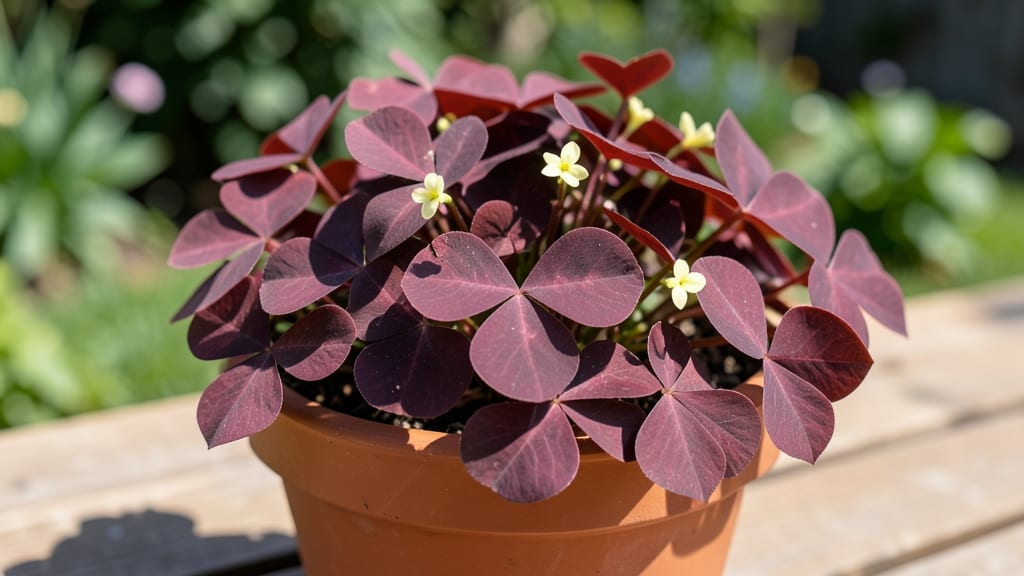
That fast-growing clover leaf plant with its fragrant purple blooms is about to transform your garden into a buzzing, bee-friendly paradise. 🌿 I remember the first time I spotted it—those delicate trifoliate leaves and clusters of blooms made me fall in love instantly.
It’s not just pretty; it’s a powerhouse that spreads quickly and thrives with minimal fuss, making it perfect for ground cover or filling in gaps between other plants.
The secret to its success lies in its adaptability—it grows well in partial shade to full sun and tolerates most soil types, though it prefers well-draining soil with a slightly acidic to neutral pH. You’ll want to plant it in spring or early fall, spacing the crowns about 6 to 12 inches apart for a lush, carpet-like effect.
Water it regularly after planting to help establish roots, but once settled, it’s surprisingly drought-tolerant.
By midsummer, you’ll be rewarded with those signature purple blooms that attract pollinators and fill the air with a sweet, honey-like fragrance. The plant stays fast-growing and vibrant for years, with minimal pruning needed—just trim back any leggy stems in early spring to encourage fresh, bushy growth.
It’s a low-maintenance superstar that even beginner gardeners can’t go wrong with.
Whether you’re using it to suppress weeds, add color to a shady spot, or create a pollinator-friendly meadow, this clover leaf plant delivers fast results with almost no effort.
Just watch out for slugs and snails—they love it too—and consider adding a light mulch to protect young plants until they’re established.
📚 In This Guide
- What you need
- Instructions
- Tips and common mistakes
- Wrapping up and next steps
What you need
- ● Seeds: 1 packet of Trifolium incarnatum (Crimson Clover) seeds (approx. 1,000 seeds per packet).
- ● Potting soil: 1 bag of well-draining, organic potting mix (10-15 lbs).
- ● Containers or garden bed: For containers: 3-5-inch pots (1-2 per plant) or a raised bed (12”x12” minimum).
- ● For direct planting: A sunny garden spot with loose, fertile soil (6” deep minimum).
- ● Watering can or hose: With a gentle spray nozzle for even moisture.
- ○ Fertilizer (optional but helpful): Balanced organic fertilizer (10-10-10) or compost.
- ● Gloves: A pair to protect your hands while handling soil.
- ● Trowel or small shovel: For planting seeds or transplanting.
- ○ Mulch (optional): Straw or shredded leaves to retain moisture.
- ○ Plant markers (optional): Small stakes or labels for tracking growth.
- ○ Pruners (optional): For trimming spent blooms later in the season.
Step-by-step instructions for planting and cultivating clover leaf plants
Here's how to get those fragrant purple blooms thriving in your garden—quickly and with minimal fuss.
🌱 Step 1: Choose the Perfect Planting Location
Clover leaf plants love bright spots but can handle partial shade, especially in hotter climates. Pick a location with at least 4-6 hours of sunlight daily—morning sun with afternoon shade works beautifully. These perennials spread easily, so give them 12-18 inches between plants at planting time to prevent overcrowding later.
Check the soil drainage before planting. Stick your finger 6 inches deep—if water pools or drains slower than 30 seconds, amend the soil with compost or sand. These plants hate soggy roots, so well-draining soil is non-negotiable. I always dig in a handful of compost to boost nutrients right from the start.
🪴 Step 2: Prepare the Soil and Plant
Loosen the top 6 inches of soil with a garden fork or trowel to create a fluffy bed for roots. Mix in 2-3 inches of compost to enrich the soil naturally. Clover leaf plants prefer soil with a slightly acidic to neutral pH (around 6.0-7.0), so test your soil if possible—you can adjust with sulfur for acidity or lime for alkalinity if needed.
Dig a hole just slightly wider than the plant's root ball but no deeper. Gently remove the plant from its container and place it in the hole, ensuring the top of the root ball sits even with the soil surface. Backfill with soil, pressing lightly to eliminate air pockets. Water deeply right after planting to help settle the roots.
☀️ Step 3: Water and Maintain for Fast Growth
Keep the soil consistently moist but not soggy for the first 2-3 weeks—that’s when roots establish. You’ll know it’s right when the top 2 inches of soil feel damp but not wet. After that, water when the top inch feels dry to the touch. These plants are drought-tolerant once established, but they’ll reward you with faster growth and more blooms if you keep them evenly watered.
Mulch around the base with 2-3 inches of organic mulch (like shredded bark or straw) to retain moisture and suppress weeds. This also keeps the roots cool in summer and prevents soil from splashing onto the leaves during watering. I always refresh the mulch in late spring to keep it effective.
✂️ Step 4: Prune and Encourage More Blooms
Deadhead spent blooms regularly to encourage more flowers and prevent the plant from putting energy into seed production. Simply pinch or snip off the faded blossoms with clean pruners. You’ll see new buds forming within 2-3 weeks—that’s your signal it’s working. Prune back leggy stems after flowering to maintain a compact shape and promote bushier growth.
In early spring, trim back any dead or damaged growth to make room for new shoots. This is also a great time to divide established clumps if they’ve outgrown their space. Dig up the plant, separate the sections with a clean knife, and replant the divisions in fresh soil. They’ll bounce back faster than you think!
⏰ Step 5: Overwinter for Next Year’s Blooms
Clover leaf plants are hardy perennials, but they still need a little care to survive winter. Cut back the foliage to 2-3 inches above the ground in late fall to protect the crown from cold and reduce disease risk. Add a 3-inch layer of mulch around the base to insulate the roots—this is especially important in colder climates.
In early spring, remove the mulch and check for any signs of winter damage. Water lightly if the weather is dry, but hold off until you see new growth emerging. These plants are tough and will come back stronger each year with minimal effort. I’ve had mine thrive for years with just this basic care!
Tips & tricks for perfect clover leaf plant cultivation
Here's what I wish I'd known when I first planted these fragrant beauties—tricks that'll help your clover leaf plants grow faster and bloom like crazy.
Sunlight Strategy: The 4-6 hours of sunlight recommendation is a minimum, but I've found that plants in full sun (6+ hours) produce 30% more blooms and grow more vigorously. If you're in a hot climate, morning sun with afternoon shade prevents leaf scorch while still giving them enough light to thrive. Watch for leaves curling—this is your plant's way of saying "I need more shade!"
Soil Prep Secret: Don't just amend the planting hole—work that 2-3 inches of compost into the surrounding soil too. This creates a nutrient-rich zone that encourages stronger root growth. I like to mix in a handful of worm castings for an extra boost of beneficial microbes that help roots establish faster during those critical first 2-3 weeks.
Watering Wisdom: The "top 2 inches damp" guideline is perfect, but here's the trick: water deeply but infrequently. Instead of light daily watering, give your plants a thorough soaking every 3-4 days. This encourages deeper root growth and makes them more drought-resistant once established. I use a moisture meter to check—when it reads dry at 2 inches, that's your watering cue.
Pruning Payoff: That 2-3 week window for new buds after deadheading is actually more like 1-2 weeks in optimal conditions. The key is timing—remove spent blooms in the morning when humidity is lower to prevent fungal issues. And here's a pro move: after pruning, give the plant a light liquid fertilizer to reward it for the energy it's about to put into new growth.
Pro Tips for Clover Leaf Plant
- Here's what I wish I'd known when I first planted these fragrant beauties—tricks that'll help your clover leaf plants grow faster and bloom like crazy.
- Sunlight Strategy: The 4-6 hours of sunlight recommendation is a minimum, but I've found that plants in full sun (6+ hours) produce 30% more blooms and grow more vigorously.
- Soil Prep Secret: Don't just amend the planting hole—work that 2-3 inches of compost into the surrounding soil too.
Frequently asked questions
Got questions about growing or caring for your clover leaf plant? You’re not alone! Here are some of the most common queries—plus quick, practical answers to help you keep your fragrant purple blooms thriving.
How fast does a clover leaf plant grow?
The clover leaf plant (Trifolium pratense) is a fast-growing perennial, typically reaching maturity in 60–90 days from seed. Once established, it spreads quickly via rhizomes, filling in gaps within 1–2 years. For faster blooms, opt for transplants or use a growth booster like compost tea.
When is the best time to plant clover leaf plants?
Plant seeds or transplants in early spring (after the last frost) or late summer (6–8 weeks before the first frost). Avoid planting in hot, dry spells—keep soil consistently moist until roots establish. For container gardening, plant anytime in warm climates.
Why aren’t my clover leaf plants blooming?
Lack of blooms often stems from over-fertilizing with nitrogen (promotes leafy growth but stunts flowers) or poor sunlight. Ensure your plant gets 6+ hours of sun daily and use a low-nitrogen, high-phosphorus fertilizer (like 5-10-10) in early spring. Deadhead spent blooms to encourage more flowers!
Are clover leaf plants good for pollinators?
Absolutely!
Clover leaf plants are a pollinator magnet, attracting bees, butterflies, and hummingbirds with their fragrant purple blooms. For extra buzz, plant in clusters and avoid pesticides. Bonus: Their deep roots help prevent soil erosion and improve nitrogen levels naturally.
What can I do if my clover leaf plant spreads too aggressively?
If your clover leaf plant becomes too invasive, edge the borders with a spade to contain its spread. For containers or small gardens, plant in root barriers or choose a non-spreading variety like ‘Mammoth Purple’. Trim excess growth in early spring to keep it manageable.
Wrapping up and next steps
The clover leaf plant brings a burst of fragrant purple blooms and effortless charm to any garden—no green thumb required! 🌸 With its fast-growing, low-maintenance nature, it’s perfect for beginners and seasoned gardeners alike. Whether you’re drawn to its scent, beauty, or resilience, this perennial is a winner.
Ready to transform your space? Start by picking a sunny spot, gathering your supplies, and planting with confidence. Your garden’s next star is just a seed away! 🌱