
Pests
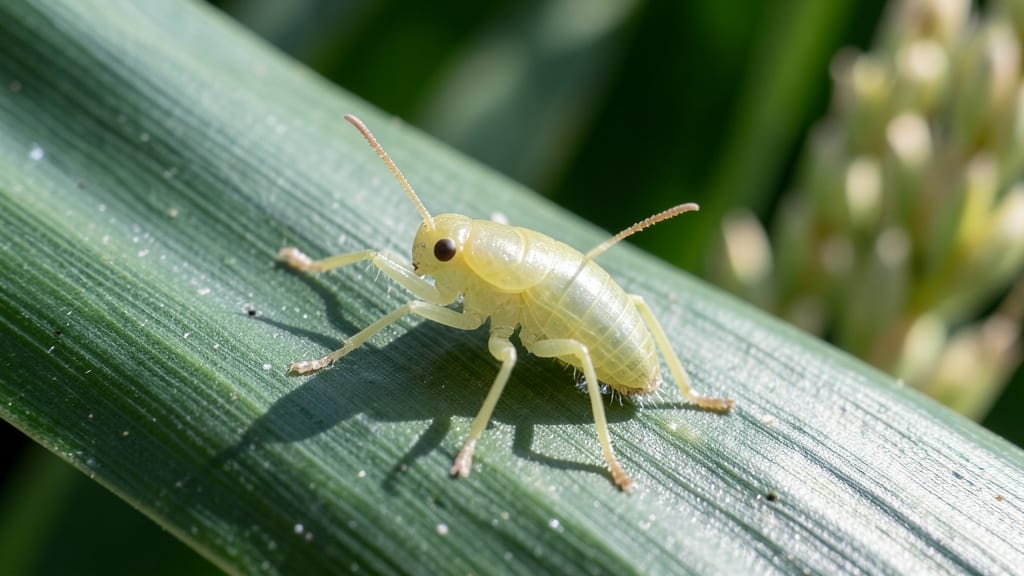
Corn leaf aphids turn your golden stalks into sticky, curled messes faster than you can say "harvest season." 🌽 I've watched these tiny green invaders drain the life out of my sweet corn—until I learned to spot the damage early and strike back with the right treatments.
The key is acting before the aphids colonize, because once they do, your plants fight back with stunted growth and yellowing leaves.
These sap-sucking pests leave behind a trail of clues: curled leaf edges, shiny honeydew droplets, and black sooty mold that looks like someone dripped tar on your plants.
The damage starts small—just a few aphids on the undersides of leaves—but if you ignore it, your entire stand can collapse by midsummer. I've seen corn yields drop by 50% when aphids go unchecked, and that's a heartbreaking loss for any gardener.
Here's the good news: you can stop them cold with simple sprays (neem oil works like a charm) or introduce their natural predators (ladybugs and lacewings are aphid-eating machines). The secret weapon? Prevention—regular scouting, especially after planting, and removing weeds where aphids hide.
Once you know what to look for, you'll catch infestations before they become a full-blown crisis.
This works for sweet corn, field corn, and even popcorn varieties—just adjust your treatment timing based on your growing season. Let's get your corn back to its full, healthy glory before the aphids win the battle.
Root Causes Of Aphid Outbreaks
Corn leaf aphids don’t just appear out of nowhere—they thrive due to a mix of environmental, agricultural, and biological factors. Understanding these triggers helps you take proactive steps to minimize damage before it starts. Below are the key reasons these pests become a problem in your fields.
Aphids are opportunistic pests—they target plants that are already stressed, making them easier to feed on and colonize. Here’s why your corn might be sending out a welcome mat:
- Nutrient Deficiencies 📉 Corn lacking essential nutrients like nitrogen (N), phosphorus (P), or potassium (K) becomes less resilient. Aphids detect these deficiencies through plant sap and are drawn to weaker, slower-growing foliage.
A quick soil test can reveal imbalances—look for yellowing leaves (nitrogen deficiency) or stunted growth (phosphorus or potassium shortages).
- Water Stress 💧🔥 Overwatering or drought can both weaken corn. Excess moisture creates ideal conditions for fungal diseases (like Fusarium), which aphids exploit as secondary pests.
Meanwhile, drought-stressed plants produce less sap, making them more vulnerable to aphid probing. Irrigation scheduling and mulching can help maintain steady moisture levels.
- Previous Pest or Disease Damage 🦟🌿 If your corn has already battled corn earworms, armyworms, or fungal infections (like gray leaf spot), the resulting damage weakens the plant’s defenses.
Aphids move in to feed on the compromised tissue, accelerating further decline. Crop rotation and resistant varieties can break this cycle.
Aphids reproduce exponentially in the right conditions—typically 60–85°F (15–30°C) with moderate humidity. Here’s how climate plays a role:
- Early Season Warmth 🌞🔥 Corn planted in warmer-than-average springs germinates faster, but aphids (like the **corn leaf aphid, Rhopalosiphum maidis) emerge earlier too.
These pests migrate from overwintering hosts (like grasses or small grains) and arrive just as corn is vulnerable. Delayed planting or early scouting can help you catch infestations before they explode.
- High Humidity & Light Rain 🌧️💦 While aphids dislike heavy rain, light showers and high humidity slow natural predators (like lady beetles and lacewings) while speeding up aphid reproduction.
A single female aphid can produce 50–100 nymphs in ideal conditions—meaning a small colony can become a full-blown infestation in weeks.
- Monoculture Farming 🌾🚫 Large, uniform cornfields provide aphids with endless food sources without natural barriers. Polyculture (mixed crops) or field borders with diverse vegetation can disrupt aphid movement and attract beneficial insects that prey on them.
Aphids are not the only players in the field—they’re part of a complex food web. When their predators disappear, populations skyrocket:
- Pesticide Overuse 💊🚫 Broad-spectrum insecticides (like pyrethroids) kill both aphids and their natural enemies—lady beetles, hoverflies, parasitic wasps, and spiders. This creates a vacuum effect, where aphids rebound with no competition. Targeted treatments (like neonicotinoids or insect growth regulators) preserve beneficial insects.
- Loss of Habitat for Predators 🏡🌿 Clean-tilled fields with no weeds, cover crops, or hedgerows remove shelter and food sources for predator insects. Diverse field edges with clover, alfalfa, or wildflowers provide refuge for lacewings, syrphid flies, and ground beetles, which hunt aphids relentlessly.
- Late-Planted or Stunted Corn 🌽⏳ If corn grows slowly due to poor soil or cool temps, it stays in the aphid-friendly "soft growth" stage longer. Fast-growing, healthy corn outpaces aphid damage by reaching maturity before infestations peak. Starter fertilizers and optimal planting dates help corn develop resilience faster.
Sometimes, farming techniques unintentionally create the perfect storm for aphids:
- Excessive Nitrogen Fertilizer 🧪💥 While nitrogen boosts growth, too much leads to lush, tender leaves that aphids love. Soil testing and precision application (like split applications) prevent over-fertilization while keeping plants strong.
- Poor Sanitation Between Crops 🧹🚫 Leftover corn stalks, weeds, or volunteer plants harbor aphids and their eggs over winter. Thorough tillage or cover cropping (like rye or clover) smothers overwintering pests before the next planting season.
- Ignoring Early Signs 👀🚨 Many growers wait until damage is visible (yellowing, curled leaves, honeydew) before acting. By then, aphids have already reproduced 10–20 generations. Weekly scouting (especially whorl stage and tasseling) catches infestations at controllable levels.
Aphid outbreaks aren’t random—they’re the result of imbalances in your field’s health, climate, and ecosystem. By addressing plant stress, predator support, and smart farming practices, you can reduce aphid pressure before it becomes a crisis. The goal? Healthy corn + happy predators = fewer aphids.** 🎯
Stopping Aphid Spread Fast
Once you’ve spotted those pesky corn leaf aphids munching away on your crops, acting quickly is key to saving your harvest. Below, we break down the most effective solutions—whether you’re dealing with early infestations or full-blown outbreaks.
Each fix targets the root cause while keeping your approach practical, budget-friendly, and eco-conscious where possible.
Catching aphids before they multiply is your best defense. If you notice:
- Sticky residue (honeydew) on leaves or stalks
- Curling or yellowing leaves (aphids inject toxins as they feed)
- Small, green/black bugs clustered on new growth
Act fast with these steps:
👨🍳 Manual Removal (Best for Small Patches)
For minor infestations, physical removal is the simplest and safest method:
- Spray with a strong stream of water (💦) to dislodge aphids from leaves. Repeat every 2–3 days for 2 weeks.
- Wipe leaves with a damp cloth or sponge dipped in soapy water (1 tsp mild dish soap per gallon of water).
- Crush eggs or nymphs on stems with your fingers (wear gloves!).
Pro tip: 🌞 Do this in the early morning or late evening when aphids are least active.
🐝 Encourage Natural Predators (Long-Term Fix)
Aphids have natural enemies that can help control populations without chemicals:
- Ladybugs (eat 5,000 aphids in a lifetime!)
- Lacewings (their larvae devour aphids)
- Parasitic wasps (lay eggs inside aphids)
- Birds and spiders (attract them with diverse plantings)
How to attract them:
- Plant dill, fennel, or marigolds nearby as aphid-free "buffet" plants.
- Avoid broad-spectrum pesticides (they kill predators too!).
- Leave some weeds or wildflowers at field edges for habitat.
If aphids persist, try these non-toxic but effective solutions:
🌿 Homemade Sprays (Safe for Edible Crops)
Mix these in a spray bottle and apply directly to aphid hotspots (avoid flowering plants if bees are active):
| Spray Recipe | How to Use |
|---|---|
| Neem Oil Spray 1 tbsp neem oil + 1 tsp mild soap + 1 quart water |
Spray every 5–7 days until aphids disappear. Disrupts aphid feeding and reproduction. |
| Garlic & Chili Pepper Spray 1 crushed garlic clove + 1 tsp cayenne pepper + 1 quart water (steep 24 hours) |
Spray leaves thoroughly. Aphids hate the smell! |
| Potassium Soap Spray 2 tbsp horticultural oil soap + 1 gallon water |
Apply in the evening to avoid harming bees. Reapply after rain. |
Pro tip: 🌡️ For neem oil, mix with a small amount of alcohol (1 tsp) to help it stick to leaves.
🌱 Companion Planting (Preventative Shield)
Interplanting aphid-repelling crops can reduce infestations by up to 70%:
- Onions, garlic, or chives near corn (their strong scent deters aphids).
- Basil or mint (aphids avoid these herbs).
- Nasturtiums (trap aphids away from corn).
Bonus: These plants also improve soil health and attract pollinators!
If aphids cover every leaf or you’re dealing with a large-scale farm, targeted pesticides may be necessary. Opt for:
- Pyrethrin-based sprays (derived from chrysanthemums; breaks down quickly).
- Insecticidal soap (must make contact with aphids; reapply after rain).
- Systemic granules (e.g., imidacloprid; follow label instructions carefully).
⚠️ Critical safety notes:
- Apply early in the morning or late evening to protect bees.
- Avoid spraying during flowering if bees pollinate your crop.
- Rotate pesticides to prevent resistance.
Pro tip: ✨ If using chemicals, test a small area first to ensure it won’t harm your plants.
Once you’ve tackled the current outbreak, prevent future infestations with these habits:
- Rotate crops annually to disrupt aphid life cycles.
- Remove plant debris in fall/winter (aphids overwinter in dead leaves).
- Monitor new growth weekly—aphids love tender young leaves!
- Use reflective mulch (aluminum foil or silver plastic) to confuse aphids.
- Keep fields weed-free (weeds harbor aphids and pests).
Pro tip: 🎯 Healthy plants resist pests better! Ensure your corn has proper nitrogen (but not too much), water, and sunlight.
With these strategies, you’ll minimize damage, save your harvest, and keep your corn thriving—without relying on harsh chemicals. Start with prevention, act early, and let nature (or your spray bottle) do the rest! 🚀
Frequently asked questions
What do corn leaf aphid eggs look like, and where should I look for them?
Corn leaf aphid eggs are tiny (0.3mm long) and oval-shaped, often yellow or pale green. Look for them on the undersides of leaves, especially near leaf veins, or in the leaf whorls of young corn plants. They typically appear in late summer/fall and overwinter on corn stalks or nearby weeds.
How long does it take for corn leaf aphid damage to become visible?
Visible damage usually appears within 7-10 days of initial infestation. You'll first notice sticky honeydew residue, followed by curled leaf edges and yellowing within 2-3 weeks if left untreated. Severe cases can cause stunted growth and reduced yields in just 4-6 weeks.
Can corn leaf aphids survive winter in my garden?
Yes, they overwinter as eggs on corn stalks, weeds, or grassy areas. The eggs hatch in spring when temperatures reach 50°F (10°C). Removing corn debris after harvest and keeping fields weed-free can reduce next year's infestation by up to 80%.
Will neem oil work if I spray it when aphids are already covering my corn?
Neem oil is most effective for prevention and early-stage infestations. For heavy infestations, combine it with manual removal (water blasts) and introduce natural predators like ladybugs. Spray in the evening when bees are less active, and reapply every 5-7 days until aphids disappear.
Are there any corn varieties that naturally resist corn leaf aphids?
Some hybrid varieties like 'Pioneer 39F53' and 'DKC64-70' show better resistance. However, no variety is completely immune. Planting resistant varieties along with companion plants (like garlic or marigolds) creates a two-pronged defense that significantly reduces aphid pressure.