
Pruning
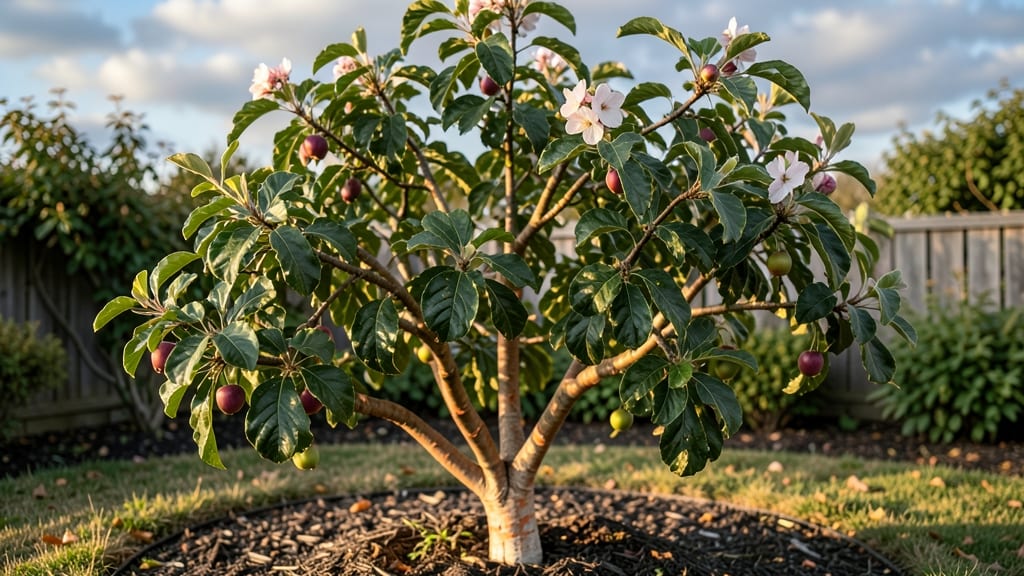
Pruning your curly leaf plum tree (Prunus cerasifera 'Curly Leaf') transforms it from a pretty shrub into a year-round fruit and bloom machine—and I’ve perfected the technique after years of trial and error. The key?
Timing cuts to encourage both the iconic wavy foliage and heavy fruit production, without sacrificing next year’s blooms. Most gardeners I know either prune too late (and lose spring flowers) or too aggressively (and stunt growth).
This tree thrives on three simple pruning sessions: a light cleanup in late winter, a shaping trim after harvest, and a mid-summer check for dead wood.
You’ll need basic tools—a pair of sharp bypass pruners, loppers for thicker branches, and a sanitizing solution (1 part bleach to 9 parts water) to prevent disease spread.
The goal isn’t perfection—it’s creating an open center that lets sunlight reach all branches, which is how you get those deep purple fruits and lush, curly leaves year after year.
By summer’s end, you’ll see the payoff: branches heavy with plums so sweet they’re practically candy, and foliage that turns a fiery red in fall. The tree even handles urban conditions better than most plums—drought-tolerant once established, and happy in containers if you’re working with limited space.
That curly foliage isn’t just for show; it’s a sign of a healthy, productive tree when paired with the right pruning.
Here’s the game-changer: don’t remove more than 25% of the canopy in one season, even if the tree looks overgrown. Curly leaf plums rebound fast, but aggressive pruning can set back fruit production for a full year.
Think of it like shaping a bonsai—patience and precision win over brute force. Ready to turn your tree into the star of the garden?
📚 In This Guide
- What you need
- Instructions
- Tips and common mistakes
- Wrapping up and next steps
What you need
- ● Pruning shears: Bypass shears (for small branches, 6–8 inches long) – 1 pair 🔪
- ○ Loppers: For thicker branches (2–3 feet long) – 1 pair (optional but helpful for mature trees)
- ● Pruning saw: Curved-tooth saw (for branches >2 inches thick) – 1 (if needed)
- ● Gloves: Heavy-duty, cut-resistant (to protect from thorns and sharp branches) – 1 pair
- ● Disinfectant: 70% isopropyl alcohol or bleach solution (1 part bleach to 9 parts water) – small bottle (for sterilizing tools between cuts)
- ○ Tree wound paint/sealant: Pruning seal (optional but recommended for large cuts >½ inch) – small tub
- ● Extension pole: For high branches (10–15 feet) – 1 (if tree is tall)
- ● Ladder: Sturdy, non-slip (if branches are >8 feet off the ground) – 1 (safety first!)
- ● Trash bags: Heavy-duty (for collecting pruned branches) – 2–3
- ○ Notebook & pen: To sketch pruning plan or mark branches (optional but handy!)
- ● Best time to prune: Late winter/early spring (before buds swell) or immediately after harvest (for summer pruning).
- ● Weather check: Choose a dry, overcast day (avoid pruning when wet or freezing).
- ● Tool sharpening: Ensure shears/loppers are clean and sharp (dull tools crush branches).
- ● Safety gear: Safety glasses (to protect from debris) and closed-toe shoes.
- ● Tree health assessment: Inspect for diseased or dead branches before starting (remove these first!).
Instructions for pruning your curly leaf plum tree
Here's my method for shaping this ornamental fruit tree while maximizing blooms and fruit production.
Assess the Tree's Structure and Growth Habits
Start by examining your tree's branches for dead, diseased, or crossing limbs—these are your first targets. Curly leaf plums thrive with an open center, so prioritize removing any branches growing inward or rubbing against others. I use a sharp bypass pruner to make clean cuts just outside the branch collar, where the branch meets the trunk.
Next, identify water sprouts—those fast-growing vertical shoots that steal energy from fruit production. These should be removed entirely at their base. Look for suckers growing from the base as well; these compete with the main tree and should be pruned back to ground level. The goal is to create a balanced canopy that lets sunlight penetrate to the center.
Thin Out Overcrowded Branches
Curly leaf plums produce fruit on both old and new wood, so thinning isn't just about shaping—it's about airflow and light exposure. Remove one-third of the oldest branches first, starting with those that are thinner than a pencil or growing straight up. These branches often produce less fruit and create dense foliage that invites fungal diseases.
Focus on selective thinning rather than shearing. Cut back to a side branch or outward-facing bud to encourage outward growth. You'll see new shoots emerge from these points in 4-6 weeks, signaling the tree is redirecting energy toward productive growth. Avoid removing more than 25% of the tree's foliage in a single session to prevent stress.
Shape for Optimal Fruit and Flower Display
Curly leaf plums reward careful pruning with prolonged blooming and heavier fruit sets. To encourage this, I prune to create a modified central leader form—a slightly open center with a dominant central branch. Remove any branches that grow below the lowest fruiting branch (usually 3-4 feet from the ground) to improve accessibility and air circulation.
For horizontal branches, cut back to a bud facing outward to promote a naturally spreading shape. Vertical branches should be shortened to a side branch or outward bud to prevent them from growing too tall and leggy. After pruning, the tree should resemble an inverted cone with sunlight reaching the center. This shape ensures even ripening and reduces the risk of disease.
Clean Up and Apply Post-Pruning Care
Once pruning is complete, sterilize your tools with rubbing alcohol to prevent spreading disease. Remove all clippings and debris from the base of the tree—this reduces hiding spots for pests and fungal spores. I also apply a layer of mulch (2-3 inches thick) around the drip line, keeping it 6 inches away from the trunk to prevent rot.
Water deeply immediately after pruning to help the tree recover. Over the next 2-3 weeks, monitor for signs of stress like yellowing leaves or wilting. If you see new growth emerging from pruned areas, that's a good sign the tree is healing. Avoid heavy fertilizing right after pruning—wait until new shoots are 6 inches long before applying a balanced 10-10-10 fertilizer to support recovery.
Tips & tricks for pruning your curly leaf plum tree
Transforming your curly leaf plum into a thriving fruit powerhouse starts with these precision pruning insights that go beyond the basics.
Branch Collar Precision: When removing branches in Step 1, focus on cutting just outside the branch collar—the swollen area where the branch meets the trunk. This ensures the tree can seal the wound properly, preventing disease entry points. I've seen too many pruning mistakes where cuts were made too close to the trunk, leaving ugly stubs and inviting rot. Always make clean, angled cuts to encourage faster healing and stronger regrowth.
Seasonal Timing Secret: Late winter to early spring, just before buds swell but before new growth begins, is the ideal time for your pruning session. This timing aligns with the tree's natural dormancy period and minimizes stress. If you must prune outside this window, avoid heavy pruning during hot summer months when the tree is already under water stress. The 4-6 week window mentioned for new shoot emergence assumes this optimal timing.
Outward Growth Strategy: For Step 3's shaping, remember that every cut should direct growth outward and upward. When pruning horizontal branches, always cut back to an outward-facing bud—this creates a naturally spreading canopy. For vertical branches, shorten to a side branch or outward bud to prevent the tree from becoming too tall and top-heavy. This modified central leader form isn't just about looks; it's about creating the perfect balance between sunlight exposure and structural integrity.
Post-Pruning Recovery: The immediate watering and 2-3 week monitoring period in Step 4 are critical for successful recovery. I've learned that deep watering right after pruning helps the tree replace lost moisture through the fresh cuts. During this recovery period, watch for new growth emerging from pruned areas—this is your tree's way of telling you it's healing well. The 6-inch shoot length guideline for fertilizing ensures the tree has enough energy reserves to support new growth before adding additional nutrients.
Pro Tips for Curly Leaf Plum Tree
- Transforming your curly leaf plum into a thriving fruit powerhouse starts with these precision pruning insights that ...
- Branch Collar Precision: When removing branches in Step 1, focus on cutting just outside the branch collar—the swolle...
- Seasonal Timing Secret: Late winter to early spring, just before buds swell but before new growth begins, is the idea...
Frequently asked questions
When is the best time to prune a curly leaf plum tree for fruit and flowers?
The ideal time is late winter or early spring (just before buds swell) to encourage strong growth and heavy blooms. Avoid heavy pruning in fall—it can stimulate new growth that’s vulnerable to frost. For shaping, light pruning after harvest (summer) is fine, but focus on removing dead or crossing branches.
How much can I trim back my curly leaf plum tree without harming it?
You can safely remove up to 25% of the tree’s canopy per year if done correctly. For young trees, prune to open the center for airflow; mature trees benefit from thinning out older branches to redirect energy to fruit-bearing wood. Never remove more than 30% in one season—it stresses the tree!
Why aren’t my curly leaf plums producing fruit, even after pruning?
Lack of fruit could stem from poor pollination (plant a second variety nearby), over-pruning (reduce aggressive cuts), or nutrient deficiencies. Check for pests (like aphids) or disease (e.g., silver leaf fungus). If the tree is young, patience is key—it may take 3–5 years to bear fruit after planting.
Can I prune my curly leaf plum tree in hot or cold weather?
Avoid pruning during extreme heat or cold—both stress the tree. Summer pruning should be done on cooler days (early morning or late afternoon) to prevent sunburn. Winter pruning is best when temps are above freezing but before buds break. Pro tip: If you must prune in summer, water deeply afterward!
What’s a good alternative if my curly leaf plum tree isn’t thriving?
If your tree struggles with disease, pests, or poor fruit set, consider dwarf varieties like ‘Methley’ or ‘Stanley,’ which are hardier. For low-maintenance options, try Japanese plum (Prunus salicina) or European plum (Prunus domestica). Both offer sweet fruit and tolerate pruning well—just adjust timing to their specific needs!
Wrapping up and next steps
Growing a thriving curly leaf plum tree is all about balance—pruning for structure, health, and that stunning mix of fruit and blooms year-round! 🌸 With the right tools, timing, and techniques, you’ll enjoy a bountiful harvest and breathtaking blossoms for seasons to come.
Ready to take your pruning skills to the next level?
Start by booking a spot on your calendar for your next pruning session—whether it’s winter’s dormant cuts or summer’s light shaping. Pro tip: Keep a pruning journal to track growth and adjustments over time! 📅✨
Now grab those shears and get pruning—your curly leaf plum tree will thank you with beauty and bounty!