
Plants
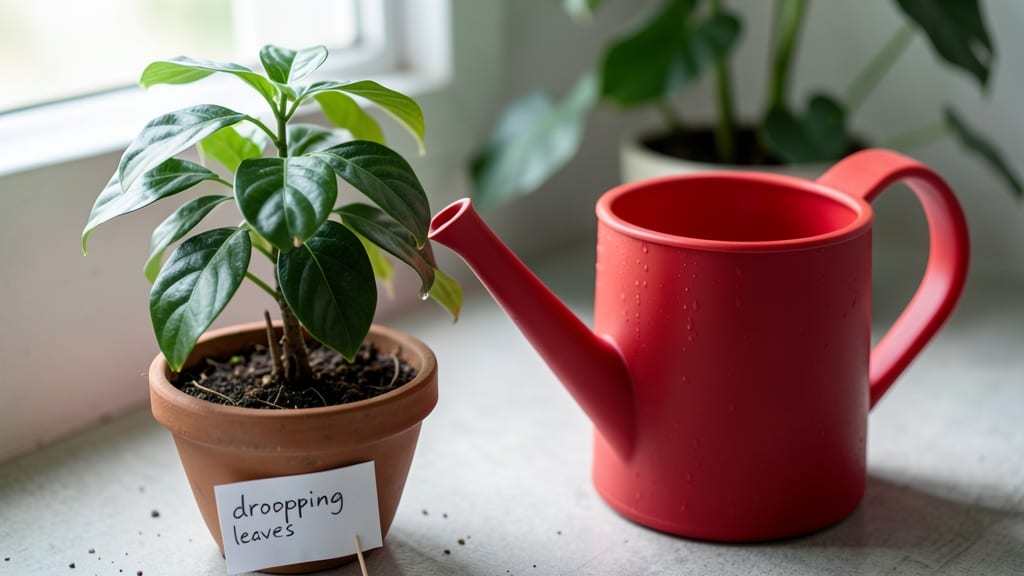
Your curry leaf plant’s drooping leaves might be its way of saying, "I need a little help." 🌿 I’ve seen this happen when the balance of water, light, or even hidden pests throws the plant off—yet fixing it is simpler than you’d think.
The key is identifying the exact stressor, whether it’s dry soil, too much moisture, or something sneaking between the leaves.
Most drooping starts with water—either too much or too little. My thumb learned this the hard way after drowning a plant last spring. Check the soil: if it’s bone-dry 2 inches down, water deeply until it drains from the bottom.
If it’s soggy, hold off until the top 1 inch feels dry. Light matters too—these plants crave bright, indirect sun for 4-6 hours daily.
Once you adjust water and light, inspect the leaves for pests like spider mites or scale. A damp cloth wipe or neem oil spray can work wonders. Within 2-3 weeks, you’ll see leaves perk up, and new growth will signal your plant’s gratitude.
The secret? Consistency—curry leaf plants thrive on routine once they’re happy.
Prevention is easier than rescue: water when the topsoil is dry, rotate the pot monthly for even light, and fertilize lightly every 6-8 weeks during growing season. Your plant will reward you with fragrant, glossy leaves—and maybe even tiny white flowers if you’re lucky. Let’s bring it back to life!
Root Causes Behind Drooping Leaves
When your curry leaf plant’s leaves start sagging like a tired chef after a long shift, it’s usually a cry for help from the roots upward. Understanding the why behind the droop is half the battle—because once you know the cause, you can fix it faster.
Let’s break down the most common culprits and why they’re making your plant look so defeated.
Curry leaf plants (Murraya koenigii) are tropical but hate soggy feet. Overwatering or containers without drainage holes trap excess moisture, suffocating the roots and cutting off oxygen. This leads to:
- Root rot: Fungal or bacterial infections thrive in waterlogged soil, rotting roots and blocking nutrient uptake.
- Nutrient starvation: Waterlogged soil creates anaerobic conditions, preventing roots from absorbing essential minerals like nitrogen or potassium.
- Weak structure: Healthy roots anchor the plant; rotted roots can’t support leaf weight, causing droop.
Actionable fix: Let the top 1–2 inches of soil dry out between waterings. If your pot lacks drainage holes, repot into a well-draining mix (50% cactus/succulent soil + 30% perlite + 20% coconut coir). For severe rot, trim black/mushy roots and treat with a fungicide like copper sulfate.
Curry leaf plants are sun-lovers but burn easily in harsh afternoon rays. Meanwhile, low light weakens photosynthesis, draining energy reserves. Both extremes cause droopy leaves:
| Symptom | Cause | Fix |
|---|---|---|
| Yellowing edges, crispy brown patches | Direct sunburn (e.g., south-facing windows in peak summer) | Move to morning sun + dappled afternoon shade. Use a sheer curtain if indoors. |
| Pale, thin leaves; slow growth | Low light (e.g., north-facing windows or deep shade) | Relocate to bright indirect light (east/west exposure). Supplement with a grow light 12–14 hours/day if needed. |
Pro tip: 🌡️ If leaves droop only in the afternoon, it’s likely heat stress—water deeply and mist leaves to cool them down.
Curry leaf plants thrive in 60–85°F (15–30°C) but wilt when temperatures swing wildly or humidity plummets. Common triggers:
- Cold drafts: AC vents, open windows in winter, or sudden temperature drops (below 50°F/10°C) shock the plant, causing leaves to curl and droop.
- Low humidity: Air dryness (common in heated homes or winter) makes leaves lose moisture faster than roots can replace it, leading to wilting.
- Heat stress: Temperatures above 90°F (32°C) without humidity can scorch leaves, even if the plant is well-watered.
Actionable fix:
- Move the plant away from drafts (e.g., 3+ feet from AC/heaters).
- Increase humidity with a pebble tray or humidifier (aim for 50–70% humidity).
- For heat stress, water deeply at dawn and avoid afternoon sun.
Droopy leaves can also signal a hunger strike—or a fertilizer overdose. Here’s how to spot the difference:
| Issue | Visual Clues | Solution |
|---|---|---|
| Nitrogen deficiency | Older leaves turn yellow (chlorosis) while new growth stays small and droopy | Feed with a balanced liquid fertilizer (10-10-10) every 4–6 weeks in growing season (spring–fall). |
| Potassium/magnesium deficiency | Yellowing between leaf veins (interveinal chlorosis); weak stems | Use a potassium-rich fertilizer (e.g., banana peel tea) or Epsom salt (1 tsp/gallon water, monthly). |
| Over-fertilization | Brown leaf tips, crispy edges; soil feels salty; droop despite wet soil | Flush the soil with water (repeat 3x over a week) to leach excess salts. Avoid fertilizing for 2 months. |
Pro tip: 💡 Curry leaf plants are light feeders—more fertilizer ≠ more growth. Stick to half-strength doses and only during active growth.
Most drooping issues stem from one (or a combo) of these four factors. The good news? Once you identify the root cause, your curry leaf plant can bounce back with minimal effort. Next up: Step-by-step fixes to revive those perky leaves!
Quick Fixes for Reviving Droopy Curry Leaves
Drooping curry leaf plant leaves can be frustrating, but with the right care, your plant can bounce back to its vibrant self! Below are practical, step-by-step solutions tailored to the most common causes—plus prevention tips to keep your plant thriving long-term.
If your curry leaf plant’s leaves are drooping due to excess moisture or root rot, act fast to save it.
🔥 Step 1: Stop Watering Immediately
- Let the soil dry out completely before watering again.
- Pro Tip: Stick your finger 1-2 inches into the soil—if it’s damp, wait another day.
🍳 Step 2: Check the Pot & Drainage
- Ensure your pot has drainage holes (if not, repot ASAP).
- If roots are mushy or black (signs of rot), trim the affected roots with sterilized scissors.
👨🍳 Step 3: Repot in Fresh, Well-Draining Soil
- Use a mix of cactus/succulent soil + perlite (or coconut coir) for better aeration.
- Prevention Tip: Water only when the top 2 inches of soil are dry—curry leaves hate soggy roots!
Curry leaf plants thrive in bright, indirect sunlight. If leaves droop from light deprivation, move it to a sunnier spot.
🔥 Step 1: Move to a Sunlit Window
- Place it near an east or west-facing window (avoid harsh midday sun).
- Pro Tip: Rotate the pot weekly for even growth.
🌡️ Step 2: Supplement with Grow Lights (If Needed)
- Use a full-spectrum LED grow light for 6-8 hours/day if natural light is insufficient.
- Keep it 6-12 inches away from the leaves.
🎯 Step 3: Gradually Acclimate to Sun
- If moving from shade to sun, do it slowly (1-2 hours extra sunlight per day) to avoid leaf scorch.
Curry leaf plants hate sudden temperature drops or cold drafts, which can cause drooping.
❄️ Step 1: Keep It Warm & Consistent
- Ideal temperature: 60-80°F (15-27°C).
- Avoid placing near AC vents, windows in winter, or drafty doors.
🔥 Step 2: Protect from Cold Stress
- If indoors, keep it away from cold windows (use a sheer curtain as a buffer).
- Prevention Tip: If growing outdoors in winter, bring it inside before temps drop below 50°F (10°C).
Too much (or too little) fertilizer can stress your plant.
📊 Step 1: Flush the Soil
- Water the plant thoroughly with plain water to leach out excess salts.
- Let it dry before fertilizing again.
💪 Step 2: Use a Balanced, Diluted Fertilizer
- Feed with a liquid fertilizer (10-10-10 or 20-20-20) once a month in growing season (spring-summer).
- Prevention Tip: Never fertilize a stressed or drooping plant—wait until it recovers!
Pests like spider mites, aphids, or mealybugs can weaken your plant, causing droop.
🔪 Step 1: Identify & Remove Pests
- Spider mites? Wipe leaves with a neem oil-soaked cloth.
- Aphids? Spray with soapy water (1 tsp mild soap per quart of water).
- Mealybugs? Scrape off with a soft brush or use rubbing alcohol on a cotton swab.
🌿 Step 2: Isolate & Quarantine
- Move the plant away from others to prevent spread.
- Prevention Tip: Inspect new plants before bringing them home!
Follow this weekly checklist to keep your curry leaf plant healthy: ✅ Water only when topsoil is dry (check with your finger). ✅ Ensure bright, indirect light (6+ hours/day). ✅ Avoid cold drafts & extreme temps. ✅ Fertilize lightly in growing season. ✅ Check for pests weekly (especially under leaves).
💡 Final Pro Tip: If your plant is severely drooping, don’t panic—trim dead leaves to help it focus energy on recovery! With the right care, your curry leaf plant will bounce back stronger than ever. 🌿✨
Frequently asked questions
Why do my curry leaf plant's leaves droop only in the afternoon?
This is usually a sign of heat stress or transpiration from intense afternoon sun. The leaves lose moisture faster than roots can supply water. Try moving your plant to a spot with morning sun + dappled shade in the afternoon, or mist the leaves lightly to help cool them down.
Can I revive a curry leaf plant with completely wilted leaves?
Yes! First, check if the soil is dry or waterlogged. If the roots are still firm (not mushy), trim any dead leaves and water deeply at the base. Place it in bright indirect light and avoid fertilizing until new growth appears. With patience, your plant can recover in 2-4 weeks.
How often should I water my curry leaf plant to prevent drooping?
Water only when the top 1-2 inches of soil feel dry to the touch. In summer, this might be every 3-5 days, while winter care requires watering every 10-15 days. Always use a pot with drainage holes to prevent root rot, which causes drooping.
What are the tiny white bugs I see on my drooping curry leaf plant?
Those are likely mealybugs or scale insects, common pests that suck plant sap and weaken leaves. Wipe them off with a cloth dampened in rubbing alcohol (70% isopropyl) or spray with neem oil solution (1 tsp neem oil + 1 quart water). Isolate the plant to prevent spreading.
Is it normal for new curry leaf plant leaves to droop slightly?
Yes! New growth often appears soft and droopy as it hardens. This is normal and not a sign of distress. Just ensure the plant has bright indirect light and consistent moisture (not soggy soil). The leaves will firm up within 1-2 weeks as they mature.