
Pests and Diseases
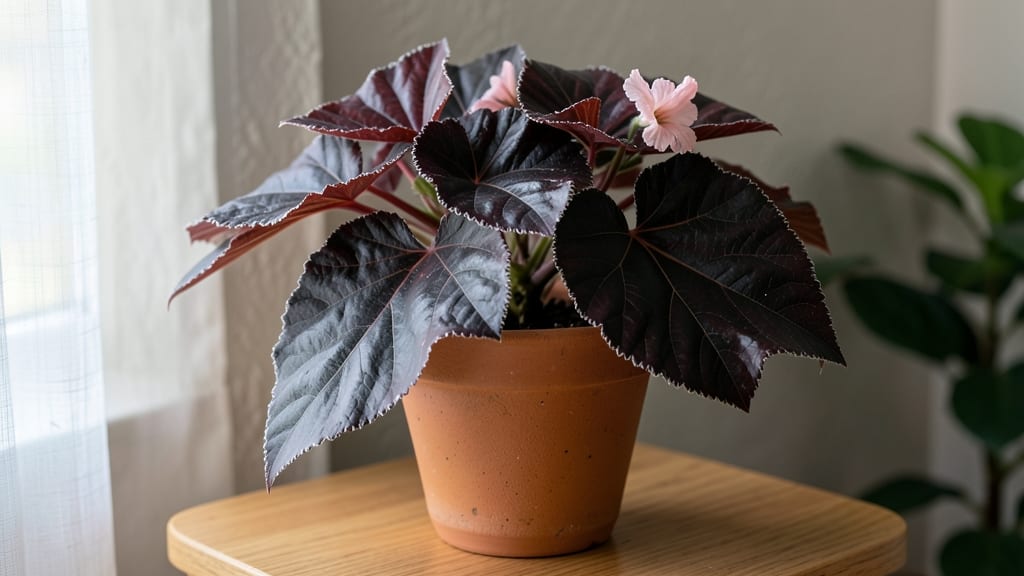
That first droop of your dark leaf begonia’s velvety foliage is a wake-up call—copper spray can revive it before it’s too late. 🌿 I’ve nursed back more than my share of these beauties, and the secret lies in understanding their finicky needs: bright, indirect light that mimics their jungle home, humidity that keeps those leaves plump, and soil that drains fast enough to avoid root rot.
One wrong move, and those stunning dark leaves turn sad and limp.
Start with the right setup: a 4-6 inch pot with airy potting mix (equal parts peat, perlite, and compost), and keep temperatures between 65-75°F—any cooler and growth stalls. Water when the top inch feels dry, but never let them sit in soggy soil.
The payoff? Those dramatic, nearly black leaves stay glossy and upright, not wilted and yellowing. Even a single copper spray treatment can stop fungal issues before they start.
Propagation is where things get fun—snip a stem cutting just below a leaf node, dip it in rooting hormone, and watch new roots form in 2-3 weeks.
Or try leaf cuttings: score the underside of a healthy leaf, lay it on damp perlite, and wait for tiny plantlets to emerge. It’s like magic, but with science. The key is patience; these plants grow slow but reward you with months of lush foliage when happy.
When pests strike (usually spider mites or aphids), blast them off with water first, then follow up with neem oil or copper spray—it’s the difference between losing a plant and saving it.
My dark leaf begonia collection thrives now because I treat problems early. Once you master their quirks, you’ll have a year-round display of these striking, low-maintenance beauties.
📚 In This Guide
- What you need
- Instructions
- Tips and common mistakes
- Wrapping up and next steps
What you need
- ● Dark leaf begonia plant – A healthy or struggling specimen with drooping leaves (🌿).
- ● Copper fungicide spray – Choose a ready-to-use or concentrated liquid formula (e.g., Copper Sulfate or Copper Octanoate). Look for organic options if preferred.
- ● Spray bottle or garden sprayer – A 16-ounce (or larger) sprayer with a fine mist nozzle for even coverage.
- ● Water – Room-temperature, distilled, or rainwater (avoid tap water with high chlorine).
- ● Gloves – Nitrile or rubber gloves (copper can irritate skin).
- ● Pruning shears – Sterilized scissors (for trimming severely damaged leaves).
- ● Newspaper or plastic sheet – To protect surfaces while treating.
- ● Humidity tray – A shallow tray with pebbles and water to boost humidity post-treatment.
- ● Fungicide booster – Neem oil (1 tsp per quart of water) for added pest/disease prevention.
- ● Plant food – A balanced liquid fertilizer (diluted to half-strength) to support recovery.
- ● Grow lights – If your begonia is in low light, a LED grow bulb can aid healing.
Step-by-Step instructions for reviving dark leaf begonias
Here's how I nurse drooping dark leaf begonias back to lush, vibrant health—no fancy tools needed.
🌿 Step 1: Diagnose the Droop and Check Root Health
Start by gently removing the plant from its pot and examining the roots. Healthy roots should be firm and white or pale tan, while mushy, dark roots signal overwatering or rot. I like to tap the pot gently to loosen the root ball before pulling—this prevents stem breakage.
Inspect the leaves too. Yellowing with crispy edges means underwatering, while soft, mushy leaves with black spots mean overwatering or fungal issues. Dark leaf begonias are especially sensitive to water stress, so I check the soil moisture by sticking my finger 1 inch deep—if it feels dry, it's time to water.
💧 Step 2: Adjust Watering and Improve Drainage
Water your begonia only when the top inch of soil feels dry to the touch. I use room-temperature water and pour it slowly at the base until it drains freely from the bottom. Never let the plant sit in saucer water—empty excess within 15 minutes of watering.
If your pot lacks drainage holes, repot immediately. I drill ¼-inch holes in the bottom and sides of plastic pots to improve airflow. For terra cotta, I add a layer of ½-inch gravel at the bottom before adding soil—this prevents compaction and keeps roots aerated.
✂️ Step 3: Prune Damaged Foliage and Boost Airflow
Use clean, sharp scissors to trim any yellow, brown, or mushy leaves back to the stem. I sterilize my scissors with rubbing alcohol between cuts to prevent spreading disease. Pruning encourages new growth and redirects energy to healthy stems.
Place your begonia in a spot with bright, indirect light—direct sun burns the dark leaves, while dim light causes leggy growth. I rotate the pot a quarter turn weekly to ensure even exposure. Avoid drafts, including air conditioning vents or heated windowsills.
☀️ Step 4: Apply Copper Spray for Fungal Prevention
Mix 1 teaspoon copper fungicide (like copper sulfate) with 1 gallon of water in a spray bottle. Lightly mist the undersides of leaves—this is where fungal spores often hide. I spray in the early morning so the foliage has time to dry before evening moisture sets in.
Apply the copper spray once every 2 weeks during active growth (spring through fall). If your begonia shows signs of powdery mildew (white fuzzy patches), increase frequency to weekly until the symptoms clear. Always test a small leaf first—some begonias react to copper.
🪴 Step 5: Fertilize Lightly and Encourage New Growth
Use a balanced liquid fertilizer (like 10-10-10) diluted to half-strength once a month during spring and summer. I avoid fertilizing in winter when growth slows. Over-fertilizing burns roots and makes begonias more susceptible to disease.
Watch for new leaves emerging from the stem—this signals recovery. If growth stalls, I gently brush the soil surface with my fingers to encourage root contact. Keep humidity high (60%+) by grouping plants together or using a pebble tray with water beneath the pot.
Tips & tricks for reviving dark leaf begonias
These simple strategies will help you bring your drooping dark leaf begonias back to life faster and more effectively.
Root Examination: When checking roots in Step 1, look for a third color—healthy roots should be firm white, while overwatered roots turn dark brown or black. I've learned to gently squeeze the roots between my fingers: if they break easily, they're rotting. This quick test saves me from repotting plants that are already too far gone.
Watering Consistency: The 15-minute drainage rule in Step 2 is non-negotiable for me. I set a timer when watering to ensure I don't leave excess water sitting—this prevents root rot completely. For extra insurance, I use a saucer with pebbles and water underneath (but never touching the pot) to maintain humidity without waterlogging.
Light Positioning: Dark leaf begonias need bright but indirect light, so I place mine about 3 feet from an east-facing window. If your space is too dim, supplement with a grow light for 12 hours daily. Watch for leaves turning pale yellow—this means too much light—while dark spots indicate too little. Rotating weekly ensures even growth all around the plant.
Copper Spray Application: When applying the copper spray in Step 4, I focus on the undersides of leaves where spores hide, but I also mist the stems lightly. The early morning timing is crucial—wet leaves in evening moisture create perfect conditions for fungal growth. I always test a small leaf first because some begonias develop sensitivity to copper over time.
Pro Tips for Dark Leaf Begonia
- These simple strategies will help you bring your drooping dark leaf begonias back to life faster and more effectively.
- Root Examination: When checking roots in Step 1, look for a third color—healthy roots should be firm white, while ove...
- Watering Consistency: The 15-minute drainage rule in Step 2 is non-negotiable for me. I set a timer when watering to ...
Frequently asked questions
Why are my Dark Leaf Begonia leaves drooping even after watering?
Drooping can signal overwatering (root rot) or underwatering. Check the soil: if it’s soggy, let it dry out. If it’s bone-dry, water thoroughly but reduce frequency. Dark Leaf Begonias prefer consistently moist (not soggy) soil—aim for the top inch to dry slightly between waterings.
How often should I water my Dark Leaf Begonia?
Water once a week in summer, but adjust for humidity/climate. Stick your finger 1 inch into the soil—if it’s dry, water until it drains from the bottom. Never let it sit in standing water, as this plant hates wet feet! A self-watering pot or pebble tray can help maintain moisture without overdoing it.
Can I use copper spray for Dark Leaf Begonia pests like aphids or spider mites?
Copper spray is safe and effective for soft-bodied pests like aphids and spider mites. Mix 1 tsp copper sulfate + 1 gallon water, spray undersides of leaves (where pests hide), and repeat every 5–7 days until pests vanish. Test on one leaf first to rule out sensitivity.
What’s the best temperature range for Dark Leaf Begonias?
Keep them cozy in 65–75°F (18–24°C) during the day, with nights no colder than 60°F (15°C). Avoid drafts (AC vents, open windows) and sudden temperature swings. If leaves yellow or crisp, it’s likely too cold—move to a warmer, indirect-light spot.
Are there pest-resistant alternatives to Dark Leaf Begonia?
If pests are relentless, try Begonia rex (more resilient) or Begonia maculata (silver-spotted, less prone to mites). For copper spray alternatives, neem oil or insecticidal soap work well too—just avoid direct sun after spraying to prevent leaf burn.
Wrapping up and next steps
Caring for your dark leaf begonia doesn’t have to be a mystery—with the right tools and techniques, you can bring those drooping leaves back to life! 🌿 Whether it’s tackling fungal issues with copper spray or adjusting your watering habits, small steps make a big difference.
Your plant’s vibrant, healthy glow is just around the corner.
Ready to take action? Start by inspecting your begonia today and applying the copper spray remedy. Keep an eye on progress, and soon, you’ll be proudly showing off your thriving, lush foliage!