
Planting
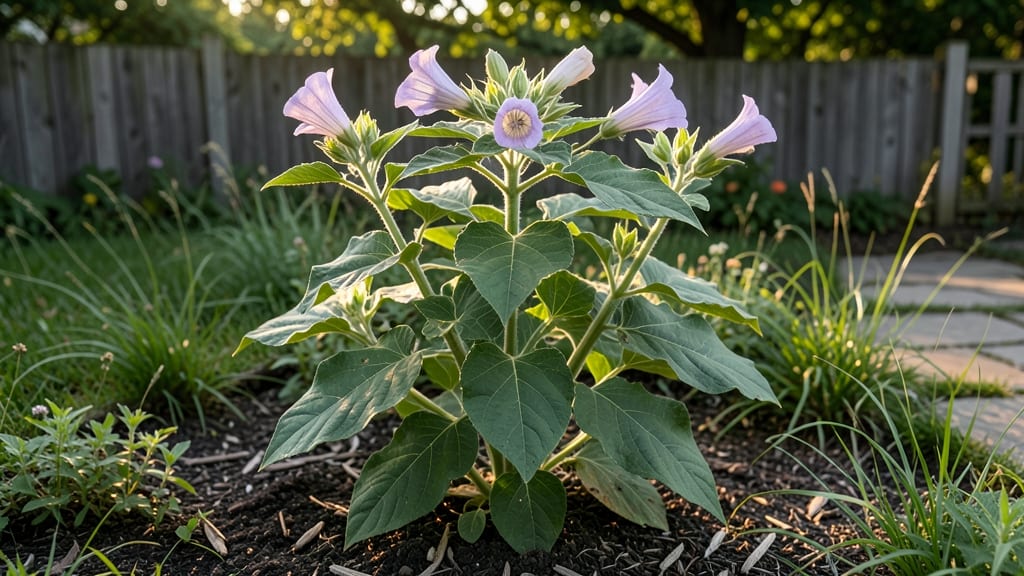
Recognizing a datura plant leaf is your first step before handling this stunning yet dangerous beauty. 🌿 The broad, coarse leaves—deep green, slightly fuzzy, and veined like a map—are unmistakable once you know what to look for.
Unlike most ornamental plants, these leaves aren’t just for show; they’re the plant’s lifeline for photosynthesis while also housing the toxins that make datura so perilous.
Healthy datura leaves should feel thick and slightly rough to the touch, with no yellowing or browning edges. If you spot holes, chewed edges, or black spots, it’s usually slugs or spider mites—common pests that love datura’s soft foliage.
The key to keeping leaves vibrant is consistent watering (but never soggy soil) and full sun exposure, which prevents the leaves from turning pale or developing weak growth.
When harvesting leaves—whether for ornamental purposes or study—always wear gloves and avoid touching your face. The toxins in datura leaves can cause hallucinations, nausea, or even poisoning if ingested or absorbed through broken skin. Even dried leaves retain their danger, so store them in sealed containers labeled clearly as toxic.
This plant’s leaves are a gardener’s paradox: breathtakingly ornamental yet lethally potent. Grow them with caution, admire them from a distance, and never let children or pets near them. The beauty of datura is undeniable—but so are the risks. Handle with respect, not recklessness.
📚 In This Guide
- What you need
- Instructions
- Tips and common mistakes
- Wrapping up and next steps
What you need
- ● Datura seeds – 1–2 packets (choose Datura stramonium or Datura wrightii for common varieties).
- ● Well-draining potting mix – 10–15 lbs (avoid heavy clay soil; mix in perlite or sand for aeration).
- ● Containers or garden bed – Containers: 5–10 gallon pots with drainage holes (1–2 per plant).
- ● Garden bed: Full sun exposure (6+ hours/day) and space for plants to spread (3–5 feet apart).
- ● Watering can or hose – With a gentle spray nozzle (datura dislikes soggy roots!).
- ● Gloves – Nitrile or thick leather (mandatory—all parts are toxic!).
- ● Pruning shears – Sharp, sterilized (for harvesting leaves/stems).
- ● Label tags – To mark plants (datura looks like other toxic plants like angel’s trumpet).
- ● Slow-release fertilizer – Balanced 10-10-10 (apply sparingly; datura thrives in lean soil).
- ● Mulch – Straw or wood chips (to retain moisture and suppress weeds).
- ● Spray bottle – For misting seedlings (if starting indoors).
- ● First-aid kit – Include activated charcoal (in case of accidental ingestion or skin contact).
- ● Camera or sketchbook – To document growth (datura’s moonflower blooms are stunning!).
Step-by-step instructions for growing and handling datura plants safely
Here’s how to cultivate datura’s striking foliage while keeping yourself—and curious pets—protected.
🌱 Step 1: Choose the Right Location and Prepare the Soil
Datura thrives in full sun (at least 6-8 hours daily) and well-draining soil. I always pick a spot with afternoon shade in hot climates—otherwise, leaves scorch. Amend heavy soil with compost or sand to prevent root rot, which datura hates.
Test soil moisture by squeezing a handful—it should crumble easily when dry. If your garden stays soggy after rain, consider a raised bed or container with drainage holes. Datura’s deep roots need oxygen, and waterlogged soil invites fungal diseases that weaken the plant.
🌱 Step 2: Plant Seeds at the Correct Depth and Spacing
Sow seeds ¼ inch deep in spring after the last frost, spacing them 18-24 inches apart. Datura grows large and sprawling, so crowding leads to weak stems and poor airflow. I plant mine in clusters of 4 for visual impact, but give each seedling room to mature.
Germination takes 10-20 days in warm soil (70-80°F). Don’t rush watering—keep soil lightly moist until sprouts appear. Overwatering at this stage causes seeds to rot before they sprout. Once seedlings emerge, thin to the strongest plant per location.
☀️ Step 3: Monitor Growth and Maintain Ideal Conditions
Datura’s large, tropical leaves signal it’s happy—watch for 3-4 inch broad foliage as a sign of healthy growth. Feed with a balanced 10-10-10 fertilizer every 4-6 weeks during the growing season. Too much nitrogen makes leaves lush but weakens the plant’s natural defenses.
Deadhead spent flowers to encourage more foliage production. I pinch off blooms as they fade, which redirects energy to leaf growth. If leaves yellow or wilt, check for overwatering—datura prefers soil that’s dry to the touch between waterings.
✂️ Step 4: Harvest Leaves Safely and Store Properly
Harvest leaves in the morning after dew has dried but before the sun peaks. Use clean, sharp pruners to avoid damaging stems. Wear gloves—datura’s sap contains toxic alkaloids that can irritate skin. I collect 3-4 mature leaves per plant at a time, leaving enough foliage for the plant to thrive.
Dry leaves in a well-ventilated area away from direct sunlight. Spread them on a screen or hang bundles upside down. Once completely dry (about 1-2 weeks), store in airtight containers labeled “TOXIC—HANDLE WITH CARE.” Never consume datura leaves or any plant part—even small amounts can be deadly.
🚨 Step 5: Handle Risks and Prevent Accidents
Keep datura plants in secure, childproof locations. I place mine near my back fence, far from play areas. If you have pets, ensure they can’t access the plant—even chewing a leaf can cause poisoning. Symptoms include hallucinations, seizures, and respiratory failure.
Wash hands thoroughly after handling datura, even if you wore gloves. If accidental ingestion occurs, seek emergency medical help immediately. Store harvested leaves in a locked cabinet, and never use them in teas, tinctures, or any form of preparation—datura’s effects are unpredictable and dangerous.
Tips & tricks for growing datura plants safely
Working with datura requires careful attention—here's how to maximize its beauty while minimizing risks.
Sunlight Strategy: While datura needs that full sun (6-8 hours daily), I've found that adding afternoon shade in hot climates prevents leaf scorch. If you notice brown edges, move plants to partial shade for a few hours during peak afternoon sun. The leaves will stay vibrant and healthy for harvesting.
Germination Insight: Those 10-20 days of germination can feel like forever, but patience pays off. I've learned to keep soil consistently moist but never soggy—think damp sponge, not dripping wet. A humidity dome (plastic wrap over seedlings) can cut germination time by 3-5 days, especially if your climate stays dry during planting season.
Fertilizer Timing: When feeding with 10-10-10 fertilizer every 4-6 weeks, I always apply it after watering. This prevents root burn from concentrated salts. Split the recommended dose if your plants show nitrogen overload (dark green leaves with weak stems)—half the amount every 8 weeks works better for datura's natural defenses.
Harvesting Precision: For those 3-4 mature leaves per plant, I look for leaves that are fully expanded but still firm to the touch. The veins should be clearly visible but not bulging. Harvesting at this stage ensures you get the most potent (and safest to handle) foliage while keeping the plant healthy for future harvests.
Pro Tips for Datura Plant Leaf
- Working with datura requires careful attention—here's how to maximize its beauty while minimizing risks.
- Sunlight Strategy: While datura needs that full sun (6-8 hours daily), I've found that adding afternoon shade in hot climates prevents leaf scorch.
- Germination Insight: Those 10-20 days of germination can feel like forever, but patience pays off.
Frequently asked questions
about Datura plant leaves—because safety and curiosity go hand in hand! Here’s what you need to know before diving into this striking yet hazardous plant.Can I grow datura in my backyard safely?
While possible, Datura stramonium (Jimsonweed) should never be grown casually. Its seeds, leaves, and flowers contain toxic alkaloids like atropine and scopolamine. If growing, use extreme caution: wear gloves, store securely, and keep it away from pets and children. Consider growing in a locked greenhouse if you’re a seasoned gardener.
How long does it take for datura leaves to mature?
Datura leaves typically mature in 6–8 weeks after germination, but full toxicity peaks when flowers bloom (about 3–4 months total). Young leaves are less potent, but all parts remain dangerous. Harvest only if absolutely necessary, and never ingest—even "small amounts" can cause severe poisoning.
Are there non-toxic alternatives to datura for ornamental use?
If you love datura’s dramatic look, try these safer alternatives:
- Angel’s Trumpet (Brugmansia) – Stunning but mildly toxic (keep away from pets).
- Moonflower (Ipomoea alba) – Non-toxic, fragrant, and night-blooming.
- Datura’s cousin: Brugmansia sanguinea – Less toxic but still requires caution.
What should I do if someone ingests datura leaves?
Call emergency services or Poison Control immediately
(U.S.: 1-800-222-1222). Symptoms include:
- Dilated pupils, hallucinations, rapid heartbeat.
- Dry mouth, confusion, or seizures in severe cases.
Can datura leaves be used in cooking or herbal remedies?
No, never.
Datura has no safe culinary or medicinal use—it’s been linked to poisonings, hospitalizations, and even deaths. Some cultures historically used it in shamanic rituals, but modern medicine condemns it. If you’re researching herbalism, explore approved plants like chamomile or valerian instead.
Wrapping up and next steps
The datura plant leaf is a striking yet dangerous beauty that demands respect and caution. Whether you’re drawn to its mesmerizing blooms or its historical uses, always prioritize safety—never ingest any part of the plant, and handle it with gloves and care.
If you’ve been inspired to grow datura, start small, research local regulations, and enjoy its allure from a safe distance.
Ready to dive deeper? Explore ethical alternatives like non-toxic night-blooming flowers or consult a local botanist to expand your gardening horizons safely! 🌙✨