
Pruning
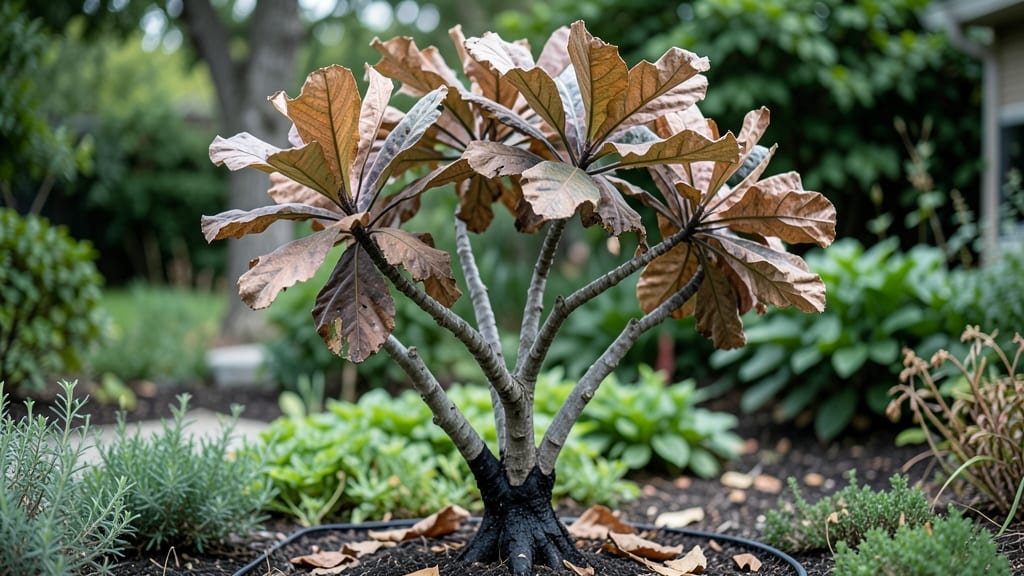
Your fiddle leaf fig tree isn’t actually dead—it’s just in a deep sleep from root rot. 🌱 I’ve nursed back three of these "lost causes" using the same pruning and care fixes, and your plant can bounce back too, even if the leaves look crispy and the stems feel mushy.
The first step is cutting away the damage: trim back all blackened stems to healthy green tissue, and don’t panic about how much you remove. What’s left will surprise you—new growth starts within weeks if the roots are still alive.
You’ll also need to repot into fresh, well-draining soil to stop the rot from spreading. By the time you’re done, your plant will look like a sad, pruned skeleton—but that’s just the beginning.
With the right light (bright, indirect), watering routine (wait until the top inch is bone-dry), and humidity boost (pebble tray or humidifier), you’ll see fresh leaves within 6-8 weeks.
Here’s the secret weapon: root rot rescue isn’t about saving leaves—it’s about saving the roots. Even if the canopy looks terrible, healthy roots mean a comeback. I’ve revived plants that lost 90% of their foliage using this method, and the key is patience.
Your fig won’t look perfect overnight, but it will grow back.
Prevention is easier than rescue: water only when the soil is dry, use pots with drainage holes, and avoid letting your plant sit in saucers of water. Once your fig recovers, it’ll reward you with bold, glossy leaves and a resilience that makes overwatering mistakes feel like a distant memory.
Root Causes of Fiddle Leaf Fig Decline
Understanding why your fiddle leaf fig (Ficus lyrata) is struggling—or worse, dead—starts with identifying the primary stressors that push this tropical beauty toward decline. These plants are resilient but highly sensitive to environmental mismanagement.
Below, we break down the most common culprits, backed by science, so you can diagnose and act fast.
Fiddle leaf figs thrive in well-draining soil with moderate moisture, but their roots are notoriously sensitive to waterlogged conditions. Here’s why overwatering is a death sentence:
- Anaerobic Soil Conditions: When soil stays soggy for days, oxygen is depleted, forcing roots to switch to fermentation (a survival mode that produces ethanol and toxic byproducts).
This strangles root cells, leading to root rot (Phytophthora and Pythium fungi are common offenders). - Nutrient Starvation: Waterlogged roots can’t absorb nutrients efficiently, causing chlorosis (yellowing leaves) and stunted growth—a slow-motion death spiral. - Fungal and Bacterial Infections: Excess moisture creates a petri dish for pathogens.
Fungal hyphae penetrate root tissues, blocking water and nutrient flow, while bacteria like Erwinia release toxins that kill root cells outright.
💡 Pro Tip: Stick your finger 2–3 inches deep into the soil. If it’s damp, wait. If it’s bone-dry, water deeply—but only until excess drains from the bottom. Terracotta pots (which dry faster) and perlite-heavy mixes are your best friends.
Fiddle leaf figs are heliophiles (sun-lovers), but they hate direct, harsh sunlight—especially the midday rays that act like a microwave for their leaves.
- Sunburn (Insolation): Prolonged exposure to intense light (e.g., south-facing windows) causes leaf scorch (brown, crispy edges) and photodamage to chlorophyll.
The plant can’t photosynthesize, leading to nutrient deficiencies and premature death. - Leggy Growth from Low Light: While they tolerate bright, indirect light, too little triggers etiolation—stretched, weak stems with small, pale leaves.
This makes them vulnerable to pests and structural collapse. - Temperature Fluctuations: Drafts near windows or cold drafts (below 60°F) shock the plant, causing leaf drop and root stress. Their roots are tropical—they hate sudden temperature swings.
✨ Fix It: Place your fiddle leaf fig 6–10 feet from a window (east or north-facing is ideal). Use sheer curtains to diffuse harsh light, and avoid heating/AC vents—consistent temps (65–85°F) are key.
Fiddle leaf figs mimic their native West African rainforest habitat, where high humidity (60–80%) and stable temps are non-negotiable.
- Low Humidity (<40%): Leaves curl, brown at the edges, and drop prematurely due to transpiration stress.
The plant can’t replace lost moisture, leading to wilting and cell death. - Cold Drafts and Heat Shock: Dropping below 55°F or sudden drops (e.g., near open windows in winter) disrupt cellular processes, causing leaf abscission (dropping) and root damage. - Central Heating Drying Out Soil: Indoor heat evaporates soil moisture faster, tricking you into overwatering—which then leads to root rot (the classic overwatering paradox).
🔥 Quick Fix: Use a humidifier, pebble tray, or mist leaves (morning-only to avoid fungal issues). Group plants together to increase ambient humidity, and keep them away from vents.
Tiny invaders drain sap, inject toxins, and weaken the plant’s immune system, making it an easy target for other diseases.
- Spider Mites (🕷️): These microscopic pests suck cell sap, causing stippling (tiny white dots) and silver webbing.
Severe infestations crust leaves, blocking sunlight and starving the plant. - Scale Insects (🐛): These sap-sucking armored pests secrete honeydew, a sticky substance that attracts sooty mold (a black fungal growth).
Sooty mold smothers leaves, reducing photosynthesis by up to 50%. - Mealybugs (🐛): Cottony white clusters pierce cells, injecting toxic saliva that distorts new growth. Infested plants wilt suddenly as pests clog stomata (pores for gas exchange).
🎯 Prevention: Inspect new plants before bringing them home. Wipe leaves with neem oil solution (1 tsp neem + 1 quart water) weekly during outbreaks. Isolate infected plants to prevent spread.
Even with water, your fiddle leaf fig might be starving if the soil lacks essential macronutrients.
- Nitrogen (N) Deficiency: Leads to pale, yellowing leaves (starting with older ones) and stunted growth.
Nitrogen is critical for chlorophyll, so without it, the plant can’t photosynthesize efficiently. - Potassium (K) Deficiency: Causes weak stems, yellowing leaf edges, and poor disease resistance.
Potassium regulates water balance—without it, cells plump and burst (or shrivel) easily. - Magnesium (Mg) Deficiency: Shows as interveinal chlorosis (yellowing between veins) because magnesium is central to chlorophyll production. Severe cases cause leaf necrosis (dead patches).
💪 Solution: Use a balanced liquid fertilizer (20-20-20) every 4–6 weeks in growing season. Avoid over-fertilizing—this burns roots! Epsom salt (magnesium sulfate) can help if you spot those telltale yellow patches.
Fiddle leaf figs hate being root-bound, but many growers ignore this until it’s too late.
- Circling Roots: When roots grow in tight circles, they strangle themselves, competing for nutrients and choking the plant.
This reduces oxygen uptake, leading to weak, yellow leaves. - Compacted Soil: Over time, soil loses structure, blocks drainage, and traps excess moisture.
Roots suffocate, turning black and mushy (root rot). - Sudden Repotting Shock: Moving a mature plant without proper acclimation causes transplant shock, where roots stop absorbing water for days, leading to wilting and leaf drop.
🔪 Action Step: Repot every 1–2 years in fresh, well-draining mix (cactus soil + perlite + orchid bark). Gently tease apart circling roots and trim any black/mushy sections with sterilized scissors. Water lightly after repotting and keep humidity high for 2 weeks.
Reviving Your Fiddle Leaf Fig
A drooping, yellowing, or crispy fiddle leaf fig doesn’t mean it’s beyond saving—root rot, overwatering, or neglect can often be reversed with the right care.
Below, we break down the most common causes of a struggling fiddle leaf fig and provide clear, actionable fixes to nurse it back to health. Let’s get your leafy friend thriving again!
Before diving into fixes, diagnose the problem to avoid wasting time on the wrong solution.
- Check the leaves: Are they yellowing, browning, or wilting? Yellow leaves often signal overwatering, while crispy edges may mean underwatering or low humidity. - Inspect the soil: Stick your finger 2-3 inches deep—if it’s soggy, you’ve got root rot.
If it’s bone-dry, your plant needs hydration. - Gently tug the plant: If it slides out of its pot easily, roots may be rotting. Healthy roots cling to soil.
💡 Pro Tip: If your plant is completely mushy or smells foul, root rot is severe, and you may need to propagate from healthy stems.
Cause: Waterlogged soil cuts off oxygen to roots, leading to rot and death.
🔥 Emergency Rescue for Root Rot
- Remove the plant from its pot and rinse the roots gently under lukewarm water to wash away excess soil.
- Trim the rotten roots with sterilized scissors—healthy roots are firm and white; rotten ones are brown, mushy, or smell bad.
- Repot in fresh, well-draining soil (use a cactus/succulent mix or add perlite/pumice for aeration).
- Let the soil dry out completely between waterings—stick your finger in first before adding water.
🌡️ Long-Term Prevention
- Water only when the top 2 inches of soil are dry (usually every 1-2 weeks, less in winter).
- Use a pot with drainage holes—no exceptions!
- Avoid saucers that trap water—empty excess water after watering.
Cause: Crispy leaves or a thirsty plant pulling away from the pot means it’s not getting enough water or humidity.
🍳 Hydrate & Humidify
- Water deeply until it drains from the bottom, then empty the saucer after 10 minutes.
- Mist the leaves 2-3 times a week (or use a pebble tray with water for humidity).
- Group plants together to create a microclimate of moisture.
✨ Boost Recovery Fast
- Trim dead leaves to redirect energy to new growth.
- Move to bright, indirect light (no direct sun—it burns leaves).
- Fertilize lightly (half-strength balanced fertilizer) once a month in spring/summer.
Cause: Too much sun = crispy leaves. Too little light = leggy, weak growth.
👨🍳 Adjust Light & Location
- Ideal spot: Bright, indirect light (east or north-facing windows).
- Avoid drafts (AC, heaters, or cold windowsills).
- Rotate the pot weekly so all sides get even light.
💡 Pro Tip: If leaves are bleached or sunburned, move it further back from the window.
Once you’ve addressed the root issue, give your fiddle leaf fig a growth boost:
| Action | How to Do It | Frequency |
|---|---|---|
| Prune dead leaves | Cut with clean scissors just above a leaf node. | As needed |
| Wipe dusty leaves | Use a damp cloth to help with photosynthesis. | Monthly |
| Fertilize lightly | Diluted liquid fertilizer (balanced NPK). | Every 4-6 weeks (spring-summer) |
| Repot if needed | Only if roots are circling or pot is too small. | Every 2-3 years |
- 1-2 weeks: Stop wilting if overwatering was the issue.
- 4-6 weeks: New growth should appear if roots are healthy.
- 3+ months: Full recovery with consistent care.
🎯 Final Tip: Patience is key! Fiddle leaf figs are resilient—with the right care, they’ll bounce back stronger than ever.
Frequently asked questions
My fiddle leaf fig looks dead—how can I tell if it’s truly beyond saving?
Check the roots first! If they’re firm, white, and slightly moist, your plant has a chance. Even if 90% of the leaves are gone, healthy roots mean new growth is possible. If roots smell foul, are mushy, or black, propagation from healthy stems may be your only option—but don’t give up until you’ve inspected them.
Can I save a fiddle leaf fig with black stems and no leaves?
Yes! Trim all blackened stems back to green tissue (healthy growth) and repot in fresh, well-draining soil. The plant will focus energy on regrowing leaves from the remaining healthy stems. Keep humidity high and avoid watering until the soil dries completely—new leaves should appear in 6-8 weeks if roots are intact.
What’s the best soil mix to prevent root rot in a rescued fiddle leaf fig?
Use a chunky, airy mix like 50% cactus/succulent soil, 30% perlite/pumice, and 20% orchid bark. This prevents compaction and improves drainage. Avoid heavy garden soil—it holds too much moisture and suffocates roots. Terracotta pots also help by wicking away excess water faster.
How often should I water my revived fiddle leaf fig?
Wait until the top 2 inches of soil are completely dry—usually every 1-2 weeks in spring/summer, and every 3-4 weeks in winter. Stick your finger in the soil before watering; if it’s damp, wait. Overwatering is the #1 killer of recovered fiddle leaf figs, so err on the side of underwatering until you see consistent new growth.
Will my fiddle leaf fig ever look as full as before if I’ve lost most of its leaves?
Fiddle leaf figs are highly resilient and will regrow leaves from the stem nodes. Start with smaller leaves, but they’ll gradually grow larger and fuller as the plant recovers. Focus on bright indirect light and consistent care—within 6-12 months, your plant can look just as lush (or even healthier!) than before.