
Leaf Blower
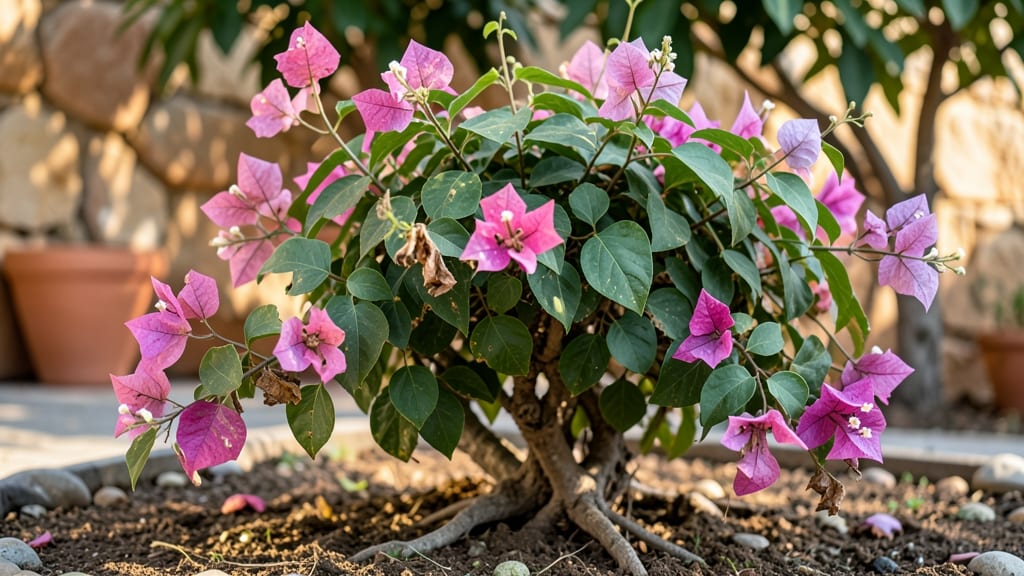
Bougainvillea leaf problems turning yellow aren’t just frustrating—they’re a cry for help from your plant. 🌿 I’ve seen everything from nutrient starvation to hidden pests turn those vibrant leaves into sad, limp paper, and I’m here to help you diagnose and fix the real problem before it’s too late.
The key is acting fast, because bougainvillea is tough but not indestructible.
Most yellowing starts with one of three culprits: too much water drowning the roots, not enough nutrients feeding the growth, or tiny pests sucking the life out of the leaves. I’ve had bougainvillea recover from all three—even when I thought the plant was done for.
The fix often comes down to adjusting your watering schedule, giving it the right fertilizer, or a targeted spray for pests like spider mites or thrips.
Within 2-4 weeks of correcting the issue, you’ll see fresh, deep-green leaves pushing out, and those signature papery bracts will return with a vengeance. The secret is catching problems early—before the yellow spreads to the entire plant.
I’ll walk you through the step-by-step fixes, so you can save your bougainvillea and keep it thriving for years.
Whether you’re dealing with spots, wilting, or just general leaf decline, this guide covers the most common fixes—including when to prune, what to spray, and how to adjust your care routine. No more guessing games: just clear, actionable steps to bring your bougainvillea back to its bold, colorful best.
Root causes behind bougainvillea leaf struggles
Bougainvillea plants are resilient, but their leaves can signal distress in surprising ways—yellowing, wilting, or even dropping off. Understanding the why behind these issues is the first step to reviving your plant.
Below, we break down the most common culprits, backed by science, so you can diagnose and fix the problem with confidence.
Bougainvilleas thrive in USDA Zones 9-11, where they bask in full sun and warm temperatures. When exposed to extreme heat (above 95°F) or sudden temperature swings, their leaves react with:
- Heat scorch: Brown, crispy edges or bleached patches appear due to oxidative stress—when excess sunlight damages chlorophyll. This is common in afternoon sun in hot climates.
- Cold shock: Temperatures below 50°F can cause leaf yellowing (chlorosis) or blackened spots. Bougainvilleas are tropical; they cannot tolerate frost.
- Windburn: High winds dry out leaves faster than roots can replace moisture, leading to desiccation (premature browning).
Actionable fix: Provide afternoon shade in peak summer (use shade cloth, not full blockage) and mulch the root zone to stabilize soil temps. In cooler zones, grow bougainvillea in containers and bring them indoors before frost.
Bougainvilleas are succulent-like and hate soggy roots. Overwatering triggers:
- Root rot: Caused by Phytophthora or Pythium fungi, which thrive in waterlogged soil. Symptoms include yellowing leaves, mushy stems, and a musty smell at the base.
- Nutrient leaching: Excess water washes away essential minerals like iron, magnesium, and nitrogen, leading to interveinal chlorosis (yellowing between veins).
- Oxygen deprivation: Compacted or clay-heavy soil cuts off root oxygen, causing wilting even when soil feels moist.
Actionable fix:
- ✅ Test soil moisture by sticking your finger 2 inches deep—water only if dry.
- ✅ Use well-draining soil (mix equal parts potting soil, perlite, and coarse sand).
- ✅ Elevate pots with feet or plant on a slope to prevent water pooling.
Humidity and poor airflow create the perfect storm for pathogens. Common bougainvillea infections include:
| Problem | Symptoms | Cause |
|---|---|---|
| Powdery Mildew | White, powdery patches on leaves (later turning brown and crinkly) | Erysiphe or Oidium fungi, spread by high humidity + poor airflow. |
| Leaf Spot (Alternaria) | Dark, concentric rings or yellow halos around spots | Alternaria alternata, thrives in wet foliage. |
| Bacterial Blight | Water-soaked, yellow-orange lesions with oozing bacteria | Xanthomonas bacteria, spread by contaminated tools or rain. |
Actionable fix:
- 💡 Prune infected leaves immediately (sterilize shears with 70% rubbing alcohol).
- 🌡️ Improve airflow by spacing plants 3–4 feet apart and avoiding overhead watering.
- ✨ Apply fungicide (copper-based or neem oil) preventatively during humid months.
Bougainvilleas are light feeders but need a balance of nutrients. Deficiencies show up as:
- Yellowing between veins: Nitrogen (N) or magnesium (Mg) deficiency—common in alkaline soils (pH >7.0), where magnesium becomes unavailable.
- Purple or red stems/leaves: Phosphorus (P) deficiency, often due to overwatering or old, exhausted soil.
- Brown leaf tips: Potassium (K) deficiency or chloride toxicity (from tap water or fertilizers with high salt content).
- Stunted growth + small leaves: Iron (Fe) deficiency, common in calcareous (limy) soils.
Actionable fix:
- 📊 Test soil pH (ideal: 5.5–6.5). Amend with sulfur to lower pH if needed.
- 💪 Use a balanced fertilizer (e.g., 10-10-10) every 6–8 weeks during growing season.
- 🍎 Add organic matter like compost or worm castings to replenish micronutrients.
Most bougainvillea leaf problems stem from a mix of environmental stress and cultural mistakes. The good news? Once you identify the root cause, fixes are usually straightforward. Next, we’ll cover how to treat these issues before they spiral—so your bougainvillea can bounce back with vibrant blooms in no time!
Quick Fixes for Bougainvillea Leaf Troubles
Revitalizing your bougainvillea’s leaves starts with identifying the root cause—but once you’ve pinpointed the issue, action is key! Below are practical, step-by-step solutions for common bougainvillea leaf problems, from nutrient deficiencies to pest invasions. We’ve also included prevention tips to keep your plant thriving long-term.
1️⃣ Check the Soil & Adjust Watering
Yellow leaves often signal overwatering or poor drainage.
Bougainvilleas thrive in well-draining soil and hate soggy roots. - 🔥 Step 1: Stick your finger 2 inches into the soil—if it’s damp, wait before watering again. - 🍳 Step 2: If soil is waterlogged, repot your plant into a container with cactus/succulent mix (add perlite or sand for extra drainage). - 👨🍳 Step 3: Water only when the top 1-2 inches of soil are dry—typically every 5-7 days in summer, less in winter.
✨ Pro Tip: If your bougainvillea is in ground soil, consider raising the planting bed or adding gravel beneath the root zone to prevent water pooling.
2️⃣ Fertilize for a Nutrient Boost
Yellowing can also mean nitrogen deficiency (lower leaves) or iron/magnesium lack (upper leaves).
- 📊 Step 1: Use a balanced, water-soluble fertilizer (10-10-10) once a month during growing season (spring-fall).
- 💪 Step 2: For yellowing with green veins (iron deficiency), apply chelated iron or Epsom salt (1 tbsp per gallon of water, spray on leaves).
- 🥗 Step 3: Avoid high-nitrogen fertilizers in winter—they encourage weak, yellow growth.
💡 Prevention: Test your soil every 2-3 years to check pH (ideal: 6.0-7.0) and adjust with lime (to raise pH) or sulfur (to lower it).
1️⃣ Spot & Squash Soft-Bodied Pests (Mealybugs, Aphids)
These pests suck sap, causing sticky leaves, wilting, or curled edges.
- 🔪 Step 1: Wipe leaves with a soapy water solution (1 tsp mild dish soap + 1 quart water) using a soft cloth or sponge.
- 🌡️ Step 2: For severe infestations, spray with neem oil (1 tbsp neem oil + 1 tsp soap + 1 quart water). Reapply every 5-7 days for 2-3 weeks.
- 🎯 Step 3: Isolate the plant until pests are gone to prevent spreading.
✨ Pro Tip: Ladybugs and lacewings are natural predators—introduce them to your garden for long-term control!
2️⃣ Combat Stubborn Pests (Scale, Spider Mites)
These pests leave webbing or brown bumps on stems/leaves.
- 🕷️ Step 1: Scrape off scale insects with a soft toothbrush dipped in rubbing alcohol (70% isopropyl).
- 🕸️ Step 2: For spider mites, blast them off with a strong stream of water, then treat with horticultural oil (follow label instructions).
- ⏰ Step 3: Prune heavily infested branches and dispose of them in sealed bags (not compost).
💡 Prevention:
- Mist leaves regularly (spider mites hate humidity).
- Encourage beneficial insects with dill, fennel, or marigolds nearby.
1️⃣ Hydrate & Protect from Harsh Sun
Brown, crispy edges usually mean underwatering or sun scorch.
- 💦 Step 1: Water deeply until it drains from the bottom—bougainvilleas love moisture but hate wet feet.
- 🌞 Step 2: If leaves are bleached or sunburned, provide afternoon shade (especially in 100°F+ heat).
- 🌱 Step 3: Trim damaged leaves to encourage new growth—bougainvilleas are fast regrowers!
✨ Pro Tip: Mulch around the base (with gravel or bark) to retain moisture and protect roots from extreme temps.
2️⃣ Boost Humidity (For Indoor or Dry-Climate Plants)
If your bougainvillea is indoors or in a desert climate, low humidity can cause leaf edges to crisp.
- 🌧️ Step 1: Group plants together or place a humidifier nearby.
- 💧 Step 2: Mist leaves lightly 2-3 times a week (avoid soggy soil).
- 🌿 Step 3: Use a pebble tray (fill a tray with water + pebbles, place plant on top).
💡 Prevention: Acclimate plants slowly to outdoor heat/sun to avoid sudden shock.
To keep your bougainvillea lush and pest-free, follow this quick maintenance guide:
| Issue | Fix It | Prevent It |
|---|---|---|
| Yellowing leaves | Check watering, fertilize, repot | Test soil pH, use well-draining mix |
| Brown/crispy edges | Water deeply, shade from sun | Mulch, avoid afternoon heat exposure |
| Pest infestation | Neem oil, soapy water, prune | Introduce beneficial insects, mist leaves |
| Slow growth | Fertilize (low-nitrogen), prune | Trim regularly to encourage blooms |
Final Thought: Bougainvilleas are hardy but finicky—they reward consistent care with vibrant blooms and glossy leaves. With these fixes, your plant should bounce back in weeks! 🌸💚
Frequently asked questions about bougainvillea leaf problems
Why are my bougainvillea leaves turning yellow?
Yellowing leaves usually signal either overwatering (causing root rot) or nutrient deficiencies like nitrogen or magnesium. Check soil moisture first—bougainvilleas prefer dry soil between waterings. If leaves show yellowing between veins, it’s likely a magnesium deficiency, while yellowing at leaf edges suggests nitrogen issues.
What should I do if my bougainvillea leaves have brown spots?
Brown spots often mean fungal infections (like Alternaria leaf spot) or bacterial blight. Prune affected leaves immediately with sterilized shears, then improve airflow by spacing plants 3-4 feet apart. Apply a copper-based fungicide or neem oil spray every 7-10 days until the issue clears. Avoid overhead watering to prevent spreading.
How can I tell if my bougainvillea has spider mites?
Look for tiny webs on undersides of leaves and tiny yellow specks (mite droppings). Spider mites thrive in dry conditions, so check leaf edges for browning or stippling. Blast leaves with water to dislodge mites, then treat with horticultural oil or insecticidal soap. Increase humidity by misting leaves 2-3 times weekly.
Can I save a bougainvillea with root rot?
Early-stage root rot can be treated! Remove the plant from its pot, trim away mushy roots with sterilized scissors, then repot in fresh, well-draining cactus mix. Water lightly for 2 weeks to let roots recover, then resume normal care. If over 50% of roots are rotted, the plant may not survive—start fresh with a cutting instead.
Why do my bougainvillea leaves curl?
Curling leaves usually indicate underwatering or pest damage. First, check soil moisture—bougainvilleas need water when the top 1-2 inches are dry. If pests like aphids or mealybugs are present, wipe leaves with soapy water and apply neem oil. For indoor plants, low humidity can also cause curling—try a pebble tray or humidifier.