
Vegetables
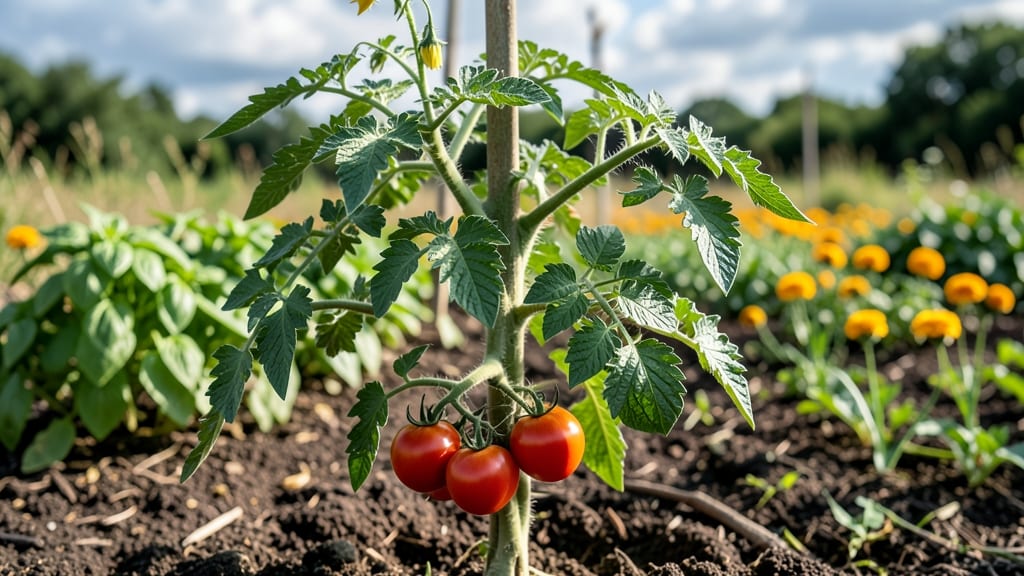
Diagnosing leaf problems in your tomato plants is easier than you think—and their leaves are whispering the answers if you know how to listen. 🌱 Those mysterious spots, curled edges, or yellow patches aren’t random; they’re clues pointing to exactly what’s wrong.
The key to saving your harvest lies in matching the visual symptoms to their causes, from fungal infections to nutrient deficiencies.
Start with a magnifying glass and a notebook. I've spent years comparing leaf patterns to disease charts, and the differences between early blight and septoria leaf spot become obvious once you know what to look for.
Yellowing between veins? Likely iron deficiency. Tiny holes? Could be flea beetles. The first step is always observation—not guessing.
What you'll discover is a clear pattern: each problem has a distinct look, from the concentric rings of target spot to the greasy black streaks of bacterial speck.
By the end, you'll confidently identify issues before they spread, saving your plants and your sanity. No more wasted treatments or helpless frustration.
This method works for backyard gardens, greenhouse setups, and even container-grown tomatoes. Grab a sample leaf, compare it to the visual guide, and start solving the mystery before it ruins your crop. The fix is always simpler than it seems once you know what you're dealing with.
Root Causes Behind Tomato Leaf Troubles
Tomato leaves don’t just act out for fun—they’re sending signals, often tied to environmental stress, pests, or pathogens. Understanding the why behind common tomato leaf problems helps you intervene before the plant’s health spirals. Below, we break down the most frequent culprits, from invisible invaders to simple oversights.
Tomatoes thrive in a narrow comfort zone, and straying from ideal conditions triggers visible distress. These issues are often reversible with quick adjustments:
- Temperature Extremes - Too Hot: Temperatures above 90°F (32°C) cause sunscald—leaves develop pale, crispy patches or curl upward to protect themselves.
Heat also weakens cell walls, making plants more susceptible to sunscald spots (brown, leathery patches). - Too Cold: Below 50°F (10°C), growth slows, and leaves may turn purple (a sign of phosphorus deficiency) or develop blackened edges from cold damage. Frost?
Instant ice crystals rupture cells, leading to mushy, discolored leaves.
- Water Woes - Overwatering: Soggy soil cuts off oxygen, leading to root rot (often from Phytophthora fungi). Leaves yellow between veins (chlorosis), wilt, or develop brown, greasy spots as toxins build up. - Underwatering: Leaves curl downward (to reduce water loss) and develop crispy, brown edges.
Severe drought causes blossom-end rot (a calcium deficiency symptom) and leaf drop.
- Light Imbalance - Too Little Light: Stems stretch (etiolation), leaves grow large and pale, and plants become leggy. Chlorophyll production drops, leading to weak, yellowing leaves. - Too Much Light (Burn): Intense afternoon sun (especially on young leaves) causes white or grayish patches (sunscald).
Use shade cloth if growing in hot climates.
Fungi, bacteria, and viruses hijack tomato leaves, often leaving behind telltale patterns. These thrive in humid, stagnant conditions—so ventilation and cleanliness are key.
- Fungal Infections 🍄 - **Early Blight (Alternaria solani): Dark, concentric rings (like bullseyes) on lower leaves. Spores spread via water splashes—remove infected leaves immediately and space plants for airflow. - Late Blight (Phytophthora infestans): Irregular, greasy brown spots with white mold underneath.
This devastating pathogen spreads rapidly in wet weather; copper fungicides can help. - Powdery Mildew**: White, powdery coating on upper leaves (caused by Oidium fungi). It thrives in shady, humid conditions—neem oil or baking soda sprays disrupt its lifecycle.
- Bacterial Diseases 🧫 - **Bacterial Spot (Xanthomonas perforans): Tiny, water-soaked spots with yellow halos. Bacteria spread via rain splashes or contaminated tools—rotate crops and sterilize pruners. - Bacterial Speck (Pseudomonas syringae): Small, olive-green spots with yellow borders.
Overhead watering worsens it; copper-based sprays suppress bacteria.
- Viral Infections 🦠
Insects don’t just nibble—they inject toxins, steal nutrients, and create entry points for diseases. Here’s how they sabotage your tomatoes:
- Sap-Suckers 🍃 - Aphids: Cluster on undersides, leaving sticky honeydew (leading to sooty mold). Leaves curl, yellow, and distort as they drain sap. - Whiteflies: Tiny white moths flutter when disturbed; their excrement causes black mold.
Leaves yellow and drop prematurely. - Spider Mites 🕷️: Almost invisible until they weave webs on undersides. Leaves develop bronze or stippled patterns from their piercing mouthparts.
- Chewers 🍅 - Tomato Hornworms: Giant green caterpillars devour leaves overnight, leaving skeletons and black droppings.
Handpick them (they’re easy to spot!) or use Bt (Bacillus thuringiensis). - Cutworms: Young plants get severed at the stem—check for brown, looped caterpillars at soil level. Collars or diatomaceous earth deter them.
Tomatoes are heavy feeders, and imbalances show up fast. Soil tests help, but here’s a quick guide to leaf clues:
| Symptom | Likely Cause | Quick Fix |
|---|---|---|
| Yellow between veins | Iron deficiency (chlorosis) | Apply chelated iron or Epsom salt (magnesium sulfate). |
| Purple stems/leaves | Phosphorus deficiency | Side-dress with bone meal or compost. |
| Brown leaf edges | Potassium deficiency | Use wood ash or potassium-rich fertilizer. |
| Stunted growth | Nitrogen deficiency | Add blood meal or fish emulsion. |
Pro Tip: 💡 Over-fertilizing (especially with nitrogen) can burn roots, causing yellowing. Always water deeply after feeding to dilute salts.
Mistakes in fertilizers, pesticides, or even hard water can scorch leaves faster than a pest ever could.
- Fertilizer Burn: Crusty white residue on soil or brown leaf tips mean you overdid it. Flush soil with water and reduce fertilizer strength. - Pesticide Drift: Bleached or curled leaves?
Nearby herbicide spray (like glyphosate) can drift. Cover plants when spraying neighbors’ lawns. - Hard Water Buildup: White mineral deposits on leaves? Use rainwater or distilled water for irrigation.
Sometimes, the problem isn’t biological—it’s mechanical:
- Hail or Wind: Ragged tears or bruised spots on leaves. Prune damaged foliage to reduce stress. - Poor Pruning: Snapped stems or exposed wounds invite disease.
Always cut above a leaf node with clean shears. - Transplant Shock: Wilting or yellowing after moving plants? Mulch heavily and water deeply** to help roots recover.
Quick Fixes for Tomato Leaf Troubles
Tomato leaves are like the plant’s early warning system—when they show signs of distress, it’s time to roll up your sleeves and take action! 🌱🔧 The good news? Most issues are fixable with a few simple steps.
Below, we’ve mapped out practical solutions for common tomato leaf problems, from fungal infections to pest invasions, plus prevention tips to keep your plants thriving. Let’s get your tomatoes back to their healthy, productive selves!
Fungal infections like early blight, late blight, and powdery mildew thrive in damp conditions. Act fast to prevent them from ruining your harvest!
🔥 Early Blight or Late Blight (Brown/Black Spots)
Fix It: 1. Prune & Remove 🔪 – Snip off infected leaves (especially lower ones) and dispose of them in the trash (not compost!). Avoid wetting foliage when watering—aim for the soil instead.
- Fungicide Spray 💦 – Use a copper-based fungicide (like copper soap) or a baking soda spray (1 tsp baking soda + 1 quart water + a drop of dish soap). Spray every 7–10 days during wet seasons.
- Improve Airflow 🌬️ – Space plants 18–24 inches apart and stake them to reduce humidity buildup.
💡 Prevention Tip: Rotate crops yearly—don’t plant tomatoes in the same spot where nightshades (peppers, eggplants) grew last year.
🌡️ Powdery Mildew (White Dusty Coating)
Fix It: 1. Neem Oil Blast 🌿 – Mix 1 tbsp neem oil + 1 tsp mild soap + 1 quart water. Spray early in the morning (avoid direct sun) every 5–7 days until gone.
- Baking Soda Remedy 🍞 – Spray with 1 tsp baking soda + 1 quart water + a drop of soap weekly.
- Adjust Watering 💧 – Water at the base in the early morning so leaves dry quickly.
✨ Pro Tip: Interplant tomatoes with marigolds or basil—they repel pests and improve airflow!
Pests like aphids, spider mites, and hornworms love tomato leaves. Here’s how to evict them!
🍳 Aphids & Spider Mites (Sticky Leaves, Webbing)
Fix It: 1. Blast ‘Em Off 💦 – Spray leaves with water (strong stream) to knock off aphids. For mites, use a hose spray daily for 3–5 days.
- Insecticidal Soap 🧼 – Mix 2 tbsp castile soap + 1 quart water and spray directly on pests (avoid hot sun).
- Introduce Predators 🐞 – Ladybugs and lacewings eat aphids—buy them online or attract them with dill or fennel nearby.
🎯 Prevention Tip: Yellow sticky traps catch flying pests before they land!
👨🍳 Hornworms (Large Green Caterpillars)
Fix It:
- Handpick & Squish 🙅 – Check leaves daily and drop them in soapy water (they’re fast!).
- Bacillus Thuringiensis (BT) 🦠 – Spray BT (a natural bacteria)—it kills caterpillars but is safe for bees and humans.
- Encourage Birds 🐦 – Hang a bird feeder nearby—they love hornworms!
🔥 Quick Win: Crush egg masses (tiny white ovals on leaves) to stop the next generation!
Sometimes, the problem isn’t pests or disease—it’s overwatering, underwatering, or poor soil.
💧 Overwatering (Yellowing, Wilting, Mushy Leaves)
Fix It:
- Check Soil Moisture 🏜️ – Stick your finger 1 inch deep—if damp, wait to water. Tomatoes prefer deep but infrequent watering.
- Improve Drainage 🚿 – Amend soil with compost or perlite if it stays soggy.
Use raised beds or containers if your garden is clay-heavy. 3. Water Deeply ⏰ – Water early morning (6–8 AM) for 10–15 minutes, soaking roots but not leaves.
💡 Prevention Tip: Mulch heavily (2–3 inches of straw or wood chips) to retain moisture and prevent soil splashing.
☀️ Sunburn or Heat Stress (Bleached or Crispy Leaves)
Fix It:
- Provide Shade 🌞 – Use shade cloth (30–50%) during extreme heat (above 90°F).
- Water More Frequently 💦 – Increase watering to 2x daily in scorching weather.
- Prune for Airflow 🌬️ – Remove crowded leaves to let air circulate.
✨ Pro Tip: Whitewash tomato cages with diluted milk (1:10) to reflect sunlight!
Yellowing or purple leaves often mean nutrient hunger. Fix it with targeted fertilizing!
| Symptom | Likely Cause | Solution |
|---|---|---|
| Yellow Lower Leaves | Nitrogen deficiency | Side-dress with alfalfa meal or compost tea. Use a balanced fertilizer (10-10-10). |
| Purple Stems/Leaves | Phosphorus deficiency | Apply bone meal or rock phosphate at planting. |
| Brown Leaf Edges | Potassium deficiency | Use wood ash or a potassium-rich fertilizer (like banana peel tea). |
| Small, Pale Leaves | Magnesium deficiency | Spray Epsom salt solution (1 tbsp/gallon) or add dolomite lime to soil. |
💪 Prevention Tip: Test your soil every 2–3 years and amend as needed!
Keep your tomatoes healthy before problems start with these easy habits: ✅ Rotate crops – Never plant tomatoes in the same spot two years in a row. ✅ Start strong – Use disease-resistant varieties (like ‘Celebrity’ or ‘Mountain Merit’). ✅ Clean up – Remove all plant debris and mulch in fall to kill overwintering pests/diseases. ✅ Monitor daily – Check leaves every 2–3 days for early signs of trouble.
Final Thought: Most tomato leaf problems are easily reversible with quick action! 🚀 The key is acting fast—whether it’s pruning, spraying, or adjusting water. Once you spot the issue, treat it like a fire drill: contain, remove, and prevent. Your future harvests will thank you! 🍅💚
Frequently asked questions about tomato leaf problems
How do I tell if my tomato leaves have early blight vs. late blight?
Early blight shows concentric rings (like bullseyes) on lower leaves, while late blight creates irregular, greasy brown spots with white mold underneath. Early blight targets mature leaves first, while late blight spreads rapidly to stems and fruit—act immediately if you see this! Use a magnifying glass to check for these key differences.
Why are my tomato leaves curling but there are no visible pests?
Curling leaves often signal heat stress (above 90°F) or underwatering. Check soil moisture—if dry, water deeply. If temperatures are high, provide afternoon shade with shade cloth. Nutrient deficiencies (like potassium) can also cause curling, so try a balanced fertilizer if other signs appear.
Can I still eat tomatoes if the leaves have fungal spots?
Yes, but only if the fruit itself is healthy. Fungal spores (like early blight) rarely spread to tomatoes, but remove infected leaves immediately. For severe cases (late blight), harvest ripe fruit quickly and destroy infected plants to prevent spread. Always wash tomatoes thoroughly before eating.
What’s the fastest way to confirm if my tomato plant has spider mites?
Flip leaves over—look for tiny webs or bronze stippling. Hold a white sheet under the plant and shake it gently; mites will drop onto the fabric. If you spot them, blast leaves with water daily for 3 days, then apply insecticidal soap. Early detection is key!
How often should I check my tomato plants for problems?
Inspect leaves every 2–3 days during growing season, focusing on undersides where pests hide. After rain or extreme heat, check immediately—these conditions trigger outbreaks. Keep a plant journal to track symptoms and solutions for future reference.