
Pests and Diseases
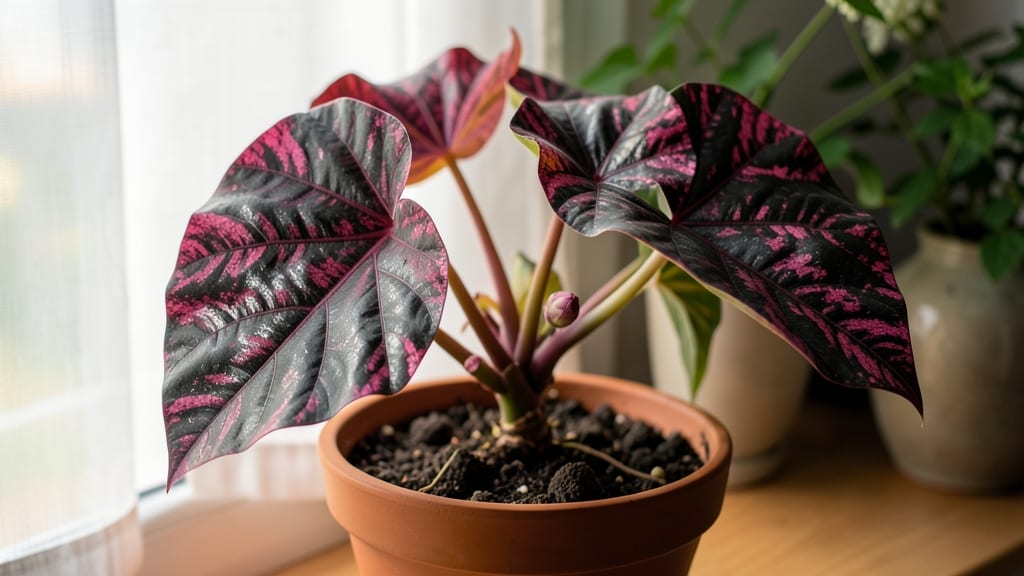
Dragon leaf begonia care turns every corner into a tropical escape with their velvety, deep-green leaves that shimmer like polished jade. 🌿 I’ve grown these for years, and the secret to keeping them thriving isn’t complicated—just a few key habits that mimic their natural rainforest home. These plants reward patience with lush, glossy foliage that lasts all year, even indoors.
Their care routine is simpler than it looks: bright, indirect light (no harsh sun), slightly moist soil that never stays soggy, and humidity levels that keep the leaves from crisping.
I’ve killed my share of begonias by overwatering or letting them dry out completely—once you find the balance, they’ll grow 3-4 inches taller each season with minimal fuss. The real magic happens when you notice new leaves unfurling with that signature deep burgundy underside.
Pruning spent stems in early spring gives them a fresh start, and a light feeding with balanced fertilizer every 6-8 weeks keeps the growth vigorous. Even my black thumb can’t mess this up—just avoid drafts, and they’ll thrive on a sunny windowsill or under grow lights.
The payoff? A plant that looks like it belongs in a conservatory, not a pot on your desk.
Whether you’re dealing with brown edges from dry air or leggy growth from too little light, this guide covers the fixes. Once you master the basics, your dragon leaf begonia will become the star of your space—no greenhouse required. Let’s get those leaves looking their best.
📚 In This Guide
- What you need
- Instructions
- Tips and common mistakes
- Wrapping up and next steps
What you need
- ● Dragon Leaf Begonia plant – Start with a healthy nursery-grown specimen or a propagated cutting.
- ● 6–8 inch pot – Use a container with drainage holes (terracotta or ceramic works best).
- ● Well-draining potting mix – A blend of peat moss, perlite, and orchid bark (or a pre-mixed African Violet mix).
- ● Distilled or rainwater – Avoid tap water (chlorine and minerals can harm the plant).
- ● Humidity tray or pebble tray – Helps maintain 50–70% humidity (critical for this tropical beauty!).
- ● Misting bottle – For occasional leaf hydration (especially in dry climates).
- ● Balanced liquid fertilizer – A 10-10-10 or 20-20-20 formula, diluted to half-strength.
- ● Pruning shears or clean scissors – For trimming leggy stems or dead leaves.
- ○ Fungicide (optional but helpful) – A copper-based or neem oil spray to prevent powdery mildew.
- ● Grow lights (LED or fluorescent) – If natural light is limited (12–14 hours/day).
- ● Plant saucer or drip tray – To catch excess water and prevent root rot.
- ● Soil moisture meter – Ensures you’re watering at the right depth (1–2 inches).
- ● Decorative pebbles or moss – For a stylish humidity tray setup.
Step-by-Step instructions for dragon leaf begonia care
Here's how I keep my dragon leaf begonias thriving with just a few simple routines.
💧 Step 1: Water Consistently Without Overdoing It
Water your dragon leaf begonia when the top inch of soil feels dry to the touch. I stick my finger in the soil—if it's damp just below the surface, wait another day. These plants hate soggy roots, which can cause root rot and yellow leaves. Use room-temperature water to avoid shocking the plant.
Water deeply until you see moisture seeping from the drainage hole at the bottom of the pot. This ensures the roots get fully hydrated. Empty the saucer after 10 minutes to prevent the plant from sitting in standing water. Dragon leaf begonias prefer humidity, so mist the leaves occasionally or place the pot on a tray of pebbles with water to create a natural humid microclimate.
☀️ Step 2: Provide Bright, Indirect Light
Dragon leaf begonias thrive in bright, indirect light. A spot near an east-facing window is ideal, but they can also handle a few hours of morning sun. If you notice the leaves turning pale or the plant stretching toward the light, it's getting too much direct sun. Move it to a slightly shadier spot.
If your home has low light, supplement with a grow light placed 12-18 inches away for 12-14 hours daily. Avoid placing the plant in harsh afternoon sun, as this can scorch the delicate leaves. Watch for brown patches or crispy edges—these are signs of too much sun exposure.
🌿 Step 3: Maintain Ideal Temperature and Humidity
Keep your dragon leaf begonia in a space where temperatures stay between 65-75°F during the day. These plants are sensitive to cold drafts, so avoid placing them near windows or doors that open frequently. If temperatures drop below 60°F, the growth slows, and the leaves may develop brown spots.
Humidity is key for dragon leaf begonias. If your home is dry, especially in winter, place the pot on a humidity tray or group it with other plants to create a more humid environment. You'll see the leaves stay lush and vibrant when humidity levels are right. If the tips of the leaves turn brown and crispy, it's a sign the air is too dry.
✂️ Step 4: Prune and Propagate Regularly
Prune your dragon leaf begonia in early spring to encourage bushier growth. Use clean, sharp scissors to trim back leggy stems just above a leaf node. This encourages new growth and keeps the plant compact. Remove any yellow or damaged leaves immediately to redirect the plant's energy to healthy growth.
Propagate your dragon leaf begonia by taking stem cuttings in spring or summer. Dip the cut end in rooting hormone (optional but helpful) and place it in a small pot with moist potting mix. Keep the cutting in a warm, humid spot until roots form, which usually takes 2-4 weeks. Once rooted, treat the new plant like a mature begonia.
🪴 Step 5: Repot Every Few Years for Fresh Growth
Repot your dragon leaf begonia every 2-3 years or when it outgrows its current container. Choose a pot that's only 1-2 inches larger in diameter than the current one—begonias prefer being slightly root-bound. Use a well-draining potting mix formulated for tropical plants.
Gently remove the plant from its old pot and loosen the roots if they're tightly bound. Place it in the new pot and fill in with fresh soil, pressing lightly to secure it. Water thoroughly after repotting to help the plant settle into its new home. Avoid fertilizing immediately, as the roots need time to adjust to the new environment.
Tips & tricks for perfect dragon leaf begonia care
Keeping your dragon leaf begonia vibrant requires just a few simple habits that make all the difference. Here's what I've learned to keep mine thriving with minimal fuss.
Soil Check Technique: In Step 1, when checking soil moisture, press your finger about 1 inch deep—this is where the roots actively absorb water. If it feels damp, wait another day. I've found that using a wooden skewer instead of my finger gives a more consistent reading, especially in dense soil mixes. The 10-minute saucer drain time is crucial; leaving water sitting longer can lead to root rot, which is the #1 killer of dragon leaf begonias.
Light Rotation Strategy: For Step 2, if your begonia starts stretching toward the light (a sign of legginess), rotate the pot a quarter turn every few days. This ensures even growth and prevents the plant from leaning. I also recommend placing it on a turntable if you have one—this eliminates the need to remember rotations. The 12-14 hours of grow light is ideal, but if you can't commit to that schedule, even 8-10 hours will help maintain decent growth, though the leaves may be slightly smaller.
Humidity Hacks: When increasing humidity in Step 3, place your pot on a bed of pebbles with water underneath—just make sure the pot isn't sitting directly in the water. This creates a natural humid microclimate without overwatering. I've also had great success using a small humidifier near my plants during winter months when indoor air gets dry. The 65-75°F range is perfect, but if your home gets warmer than 80°F, increase humidity slightly to compensate for the drier air.
Pruning Insight: In Step 4, when pruning, always cut just above a leaf node where new growth emerges. I've noticed that using sterilized scissors prevents infections that can spread to healthy parts of the plant. For propagation, spring is ideal, but you can try cuttings in summer too—just be patient as summer heat can slow root development. The 2-4 week rooting time can vary based on your home's humidity levels, so don't be discouraged if it takes longer.
Pro Tips for Dragon Leaf Begonia Care
- Keeping your dragon leaf begonia vibrant requires just a few simple habits that make all the difference.
- Soil Check Technique: In Step 1, when checking soil moisture, press your finger about 1 inch deep—this is where the roots actively absorb water.
- Light Rotation Strategy: For Step 2, if your begonia starts stretching toward the light (a sign of legginess), rotate the pot a quarter turn every few days.
Frequently asked questions
Got questions about keeping your Dragon Leaf Begonia thriving? You’re not alone! Here are answers to the most common concerns—so you can enjoy those stunning, waxy leaves all year long.
How often should I water my Dragon Leaf Begonia?
Water when the top 1–2 inches of soil feel dry to the touch—usually every 5–7 days in summer or every 10–14 days in winter. Overwatering is the #1 killer! Use well-draining soil and a pot with drainage holes to prevent root rot. Pro tip: Stick your finger in the soil—it’s the most accurate way to check!
Can Dragon Leaf Begonias survive winter indoors?
These plants thrive in indoor conditions year-round if you keep them in bright, indirect light (like a north or east-facing window). Reduce watering in winter and avoid cold drafts. A temperature between 65–75°F is ideal. Bonus: They’re perfect for adding a tropical vibe to your space!
What do I do if my begonia leaves turn yellow or brown?
Yellow leaves often mean overwatering, while brown edges or crispy spots usually signal low humidity or underwatering. Check the soil moisture and adjust your watering routine. If pests like spider mites are the culprit, wipe leaves with a damp cloth or use insecticidal soap. Quick fix: Mist the leaves occasionally to boost humidity!
How do I propagate Dragon Leaf Begonia?
Propagation is easy! Snip a healthy stem with at least 2–3 leaves, remove the lower leaves, and place the cutting in water or moist soil. Keep it in bright, indirect light and change the water every few days. Roots should appear in 2–4 weeks. Pro tip: Use a clear glass for water propagation to track root growth!
Are there any non-toxic alternatives for begonia lovers?
If you’re concerned about pet safety, consider Peperomia or Calathea—both are non-toxic and equally stunning. For a similar look, Wax Plant (Hoya) is another great (and pet-friendly) option. Just ensure your space meets their light and humidity needs!
Wrapping up and next steps
Caring for your Dragon Leaf Begonia is simpler than you think—just a little light, water, and love to keep those stunning leaves vibrant year-round! 🌿 With the right balance of humidity, well-draining soil, and occasional pest checks, you’ll enjoy a thriving plant that rewards minimal effort with maximum beauty.
Now that you’re armed with these tips, why not share your progress or experiment with propagation to grow your collection? Happy gardening!