
Diseases
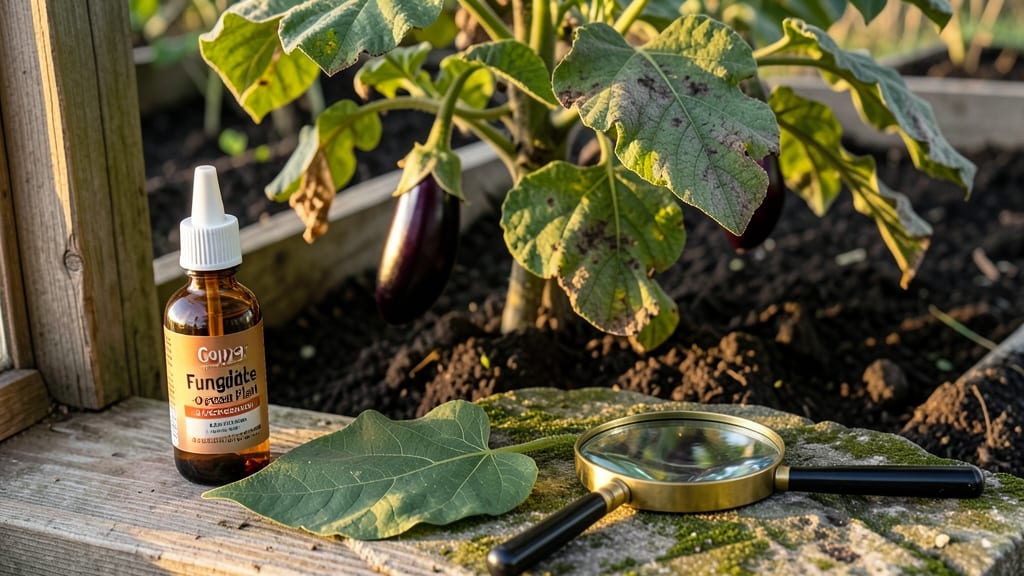
Your eggplant leaves are showing you the pictures of eggplant leaf diseases—and they’re not pretty. 🌱 Those mysterious spots, yellow stains, or blotchy patches aren’t just cosmetic; they’re signs of trouble that can kill your plants if ignored.
This guide breaks down the most common eggplant leaf diseases, what they look like, and how to stop them before they spread.
Most of these problems start with moisture—too much rain, poor airflow, or overhead watering. I’ve seen bacterial wilt turn a thriving plant into a wilted mess in days, while powdery mildew coats leaves like dust.
The good news? Early action keeps your eggplants healthy. Think of it like a diagnostic tool: spot the symptoms, match them to the disease, and treat it before it worsens.
You’ll learn to recognize the key differences between fungal spots (dark, circular marks), bacterial wilt (sudden wilting with yellowing), and powdery mildew (white, powdery patches). Each has a specific fix—from copper sprays to pruning for airflow—so you can act fast. No more guessing what’s wrong with your plants.
By the end, you’ll know when to pull a plant, when to spray, and when to call in reinforcements (like a local extension office). Prevention is easier than cleanup, and once you spot these early signs, your eggplants will thank you with bigger, healthier harvests all season long.
Root Causes Of Leaf Damage
Understanding why eggplant leaves develop diseases starts with recognizing the environmental stressors, pathogens, and cultural practices that create the perfect storm for problems. Eggplants, while resilient, are vulnerable to a mix of fungal, bacterial, and viral infections—often triggered by conditions you might not even notice at first.
Let’s break down the key culprits and why they turn your healthy foliage into a spotted mess.
Eggplants thrive in warm, dry conditions, but when humidity climbs above 75% and airflow stalls, fungal spores get a golden opportunity to thrive. Poor air circulation—common in crowded plantings, thick canopies, or greenhouses without ventilation—traps moisture on leaves.
This damp environment is ideal for: - Fungal diseases like Alternaria leaf spot and Septoria leaf spot, which spread rapidly in stagnant, humid air. - Powdery mildew, a white, powdery fungus that smothers leaves when humidity is high and nights are cool (below 70°F).
Why it happens: Fungal spores land on leaves but need free water (like dew or rain) to germinate. Without airflow, water lingers, and spores multiply uncontrollably. Overhead irrigation (splashing water onto leaves) only worsens the problem by splashing spores from soil to foliage.
Diseases don’t appear out of thin air—they’re waiting in the wings. Here’s how they invade:
🍄 Fungal Infections (Most Common)
Fungi like Phytophthora (root rot), Fusarium, and Verticillium lurk in:
- Infected plant debris (last year’s diseased leaves or soil).
- Contaminated tools, compost, or potting mix (sterilization is key!).
- Waterlogged soil (cutting off oxygen to roots, weakening the plant).
How they strike:
- Spores land on leaves or enter through wounds (like pruning cuts).
- Moisture activates them—they germinate and penetrate leaf tissue.
- Symptoms appear: Brown spots, yellowing, or wilting, often with fungal fruiting bodies (like black dots or fuzzy growths).
🦠 Bacterial Leaf Spots
Bacteria like Pseudomonas syringae or Xanthomonas campestris cause:
- Water-soaked spots that turn brown/yellow with greasy edges.
- Bacterial leaf spot spreads via rain splashes, infected seeds, or contaminated hands/tools.
Why it’s worse than fungi: Bacteria multiply inside plant cells, clogging xylem (water transport) and causing rapid wilting. Unlike fungi, they’re harder to treat with fungicides—copper-based sprays are your best bet.
🦠 Viruses (The Silent Saboteurs)
Viruses (like Tomato spotted wilt virus, TSWV) are spread by:
- Insect vectors (thrips, aphids).
- Grafting or contaminated tools (unlike fungi/bacteria, they don’t survive in soil).
Symptoms: Mottled leaves, stunted growth, or necrotic (dead) patches—often no cure, only prevention.
Eggplants under stress drop their guard, making them easy targets. Common triggers:
- Nitrogen deficiency → Pale, yellowing leaves (weakens plant immunity).
- Phosphorus/potassium imbalance → Poor root health = less disease resistance.
- Over/under-watering → Stress signals attract pests and pathogens.
Why it matters: A weak plant can’t fight off infections as effectively. For example, calcium deficiency leads to blossom-end rot (common in eggplants), which creates entry points for secondary infections.
Eggplants hate sudden changes.
When conditions swing from scorching heat to cold nights or drought to flooding, their defenses falter: - Heat stress (above 90°F) weakens cell walls, making leaves more susceptible to sun scorch or fungal entry. - Cold snaps (below 50°F) slow growth, reducing the plant’s ability to repair damaged tissue. - Flooding → Root rot (Phytophthora) thrives in waterlogged soil, cutting off nutrient uptake.
- Overhead irrigation splashes spores from soil to leaves (use drip irrigation instead).
- Reusing contaminated soil or tools spreads pathogens like Verticillium wilt.
- Ignoring crop rotation → Same spot planted with eggplants (or nightshades) year after year builds up soil-borne diseases.
Often, one issue triggers a cascade:
- Poor drainage → Root rot → Weak plant → Susceptible to leaf spots.
- Aphids feed → Viruses spread → Stunted growth → More stress → Fungal infections take hold.
Key takeaway: Most eggplant leaf diseases are opportunistic—they exploit weaknesses caused by poor growing conditions. Fix the root causes (literally and figuratively), and you’ll see fewer symptoms.
Fixing Fungal and Bacterial Leaf Issues
When your eggplant leaves start showing signs of distress—whether it’s dark spots, yellowing patches, or moldy growth—acting fast is key. Below, we break down the most effective solutions for common eggplant leaf diseases, tailored to the root cause.
Prevention tips are included to keep your plants thriving long-term.
🔥 Remove Infected Leaves Immediately
Fungal spores spread quickly, so the first step is to prune and dispose of infected foliage. Use clean, sharp scissors or shears to avoid spreading spores to healthy leaves. Do not compost—instead, toss infected leaves in the trash or burn them (if safe in your area).
🍳 Apply Fungicidal Sprays (Organic or Chemical)
For a natural approach, mix 1 tablespoon of baking soda + 1 teaspoon of dish soap + 1 gallon of water and spray on leaves (especially undersides). Reapply every 7–10 days or after rain.
For severe cases, use a copper-based fungicide (like copper sulfate) or a neem oil solution (1% neem oil + water + a drop of soap).
🌡️ Improve Air Circulation and Reduce Humidity
Fungi love damp, stagnant air. Space plants 12–18 inches apart to allow airflow, and avoid overhead watering. If growing in containers, ensure pots have drainage holes. In greenhouses, use a fan or open vents to circulate air.
✨ Prevent Future Outbreaks
- Rotate crops: Avoid planting eggplants (or related nightshades like tomatoes) in the same spot yearly.
- Sterilize tools: Wipe pruners with rubbing alcohol between uses.
- Water in the morning: This gives leaves time to dry, reducing fungal growth.
- Use mulch: Apply straw or wood chips to keep soil moist but prevent splashing onto leaves.
👨🍳 Prune and Isolate Infected Plants
Bacterial diseases (like Xanthomonas or Pseudomonas) spread through water and tools. Remove and destroy infected leaves immediately, and wear gloves to avoid spreading bacteria to other plants. If possible, isolate the plant until symptoms disappear.
💡 Use Copper-Based Bactericides
Copper fungicides (like Bordeaux mixture or copper hydroxide) are effective against bacterial infections. Follow label instructions for mixing and application. For organic growers, a hydrogen peroxide spray (1 tablespoon per quart of water) can help disinfect leaves.
🚿 Avoid Overwatering and Wet Foliage
Bacteria thrive in moist conditions. Water plants at the base (not overhead) and ensure soil drains well. If rain is frequent, use a fungicide preventatively every 2 weeks.
🔄 Prevent Recurrence with Crop Rotation
Bacterial pathogens can linger in soil for years. Rotate eggplants with non-nightshade crops (like beans or lettuce) for at least 3 years before replanting.
Viral infections (often spread by insects like aphids) have no cure, but you can manage symptoms and prevent spread:
🔪 Remove Severely Infected Plants
If a plant shows mosaic patterns, stunted growth, or distorted leaves, pull and destroy it to prevent virus transmission to healthy plants.
🐜 Control Insect Vectors
Use insecticidal soap or neem oil to eliminate aphids, whiteflies, and other virus-spreading pests. Yellow sticky traps can also help monitor and reduce insect populations.
🛡️ Strengthen Plant Resistance
Healthy plants resist viruses better. Ensure eggplants get:
- Full sun (6–8 hours daily)
- Well-draining, fertile soil (amend with compost)
- Regular feeding with a balanced fertilizer (like 10-10-10)
🌱 Choose Resistant Varieties
Some eggplant varieties (like ‘Black Beauty’ or ‘Ichiban’) are bred for disease resistance. Check seed packets for virus-resistant labels.
Pro Tip: Always sterilize your hands and tools when moving between plants to avoid cross-contamination. 💡
Frequently asked questions
What’s the difference between brown spots and yellow spots on eggplant leaves?
Brown spots often signal fungal infections like Alternaria or Septoria leaf spot, which appear as dark, concentric rings with gray centers. Yellow spots can mean nutrient deficiency (like nitrogen) or viral infections (mosaic patterns). Check for other symptoms: wilting (fungal) or stunted growth (viral).
Can I still harvest eggplants if the leaves have diseases?
Yes, but only if only the leaves are infected and the fruit itself looks healthy. Remove all diseased foliage first. If the plant is severely wilted or has bacterial spots, harvest what’s left and destroy the plant to prevent spread. The fruit rarely gets infected from leaf diseases.
How do I know if my eggplant has powdery mildew vs. bacterial wilt?
Powdery mildew shows as white, powdery patches on leaf tops (like dust). Bacterial wilt causes sudden wilting with yellowing leaves—cut the stem and look for brown streaks inside. Mildew spreads slowly; wilt happens fast (within days).
Will neem oil work for all eggplant leaf diseases?
Neem oil helps with fungal diseases (like powdery mildew) and pests (aphids), but it’s not effective against bacterial or viral infections. For bacteria, use copper sprays. For viruses, focus on removing infected plants and controlling insect vectors. Always test on a small leaf first.
How long does it take to see results after treating leaf diseases?
With fungal infections, you may see improvement in 7–14 days if treated early (spraying + pruning). Bacterial diseases respond slower (2–3 weeks) or may require plant removal. Viral infections have no cure—only prevention works. Monitor daily and reapply treatments after rain.