
Leaf Blower
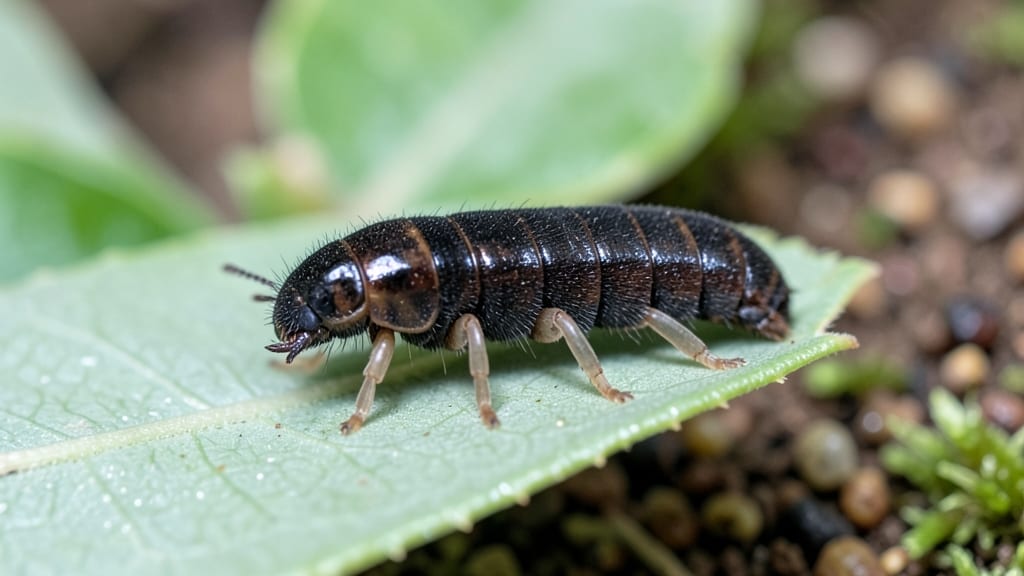
Your eucalyptus tree’s skeletonized leaves are a dead giveaway—those eucalyptus leaf beetle larvae are stripping it bare. 🌿 I’ve watched these striped, voracious caterpillars turn lush foliage into lace within weeks, and the good news is you don’t need harsh chemicals to stop them.
This guide cuts through the panic with organic solutions that actually work, from early intervention to long-term prevention.
The real damage happens fast: larvae hatch in spring, skeletonizing leaves within 10-14 days if left unchecked. Their black-and-yellow stripes make them easy to spot, but by then, your tree’s already stressed.
The key? Disrupt their lifecycle before they pupate—neem oil, kaolin clay, or even a strong hose blast can buy you time while you rebuild the tree’s defenses.
By combining physical removal (handpicking larvae into soapy water) with beneficial predators (ladybugs, lacewings), you’ll see new growth within 4-6 weeks. The trees I’ve saved this way bounce back stronger, with thicker leaves that beetles avoid. No more helplessly watching your shade tree become a skeleton.
Works for all eucalyptus varieties, from towering red gums to compact silver dollars. The secret? Consistency—check weekly during peak season (April-June) and act at the first sign of damage. Your tree’s future depends on it.
Root Causes Of Eucalyptus Defoliation
Understanding why eucalyptus leaf beetle larvae (or Chrysophtharta spp.) target your trees starts with their biology and environmental triggers. These voracious pests don’t just appear out of nowhere—they’re drawn to specific conditions that make your eucalyptus an all-you-can-eat buffet.
Let’s break down the key reasons behind their infestations, so you can address the root of the problem before it spirals out of control.
Eucalyptus trees under stress—whether from drought, poor soil, or overcrowding—emit chemical signals (volatile organic compounds, or VOCs) that attract beetles. Stressed trees are like neon signs for pests, making them prime targets for egg-laying females.
- Why it happens:
- Nutrient deficiency (lack of nitrogen, phosphorus, or micronutrients) weakens leaves, making them easier to digest.
- Water stress (drought or overwatering) alters leaf chemistry, releasing sugars that larvae crave.
- Competition for sunlight in dense plantings forces trees to divert energy from defense mechanisms.
- Actionable fix:
- Prune for airflow to reduce humidity and fungal growth that stresses trees.
- Test soil and amend with compost or organic fertilizers (like fish emulsion or worm castings).
- Water deeply but infrequently to encourage deep root growth.
Eucalyptus leaf beetle larvae thrive in warm, humid conditions—think late spring to early fall in temperate climates. Rainfall patterns also play a role: moderate, frequent rain keeps eggs and larvae hydrated, while prolonged dry spells can temporarily slow them down (but often lead to bigger outbreaks later).
- Why it happens:
- Temperature spikes (above 75°F/24°C) accelerate larval development, leading to faster reproduction cycles.
- High humidity (60%+) prevents eggs from drying out, ensuring higher hatch rates.
- Mild winters allow larvae to survive longer, extending the damage season.
- Actionable fix:
- Monitor weather forecasts and prepare for outbreaks during peak humidity windows.
- Use row covers in early spring to block adult beetles before they lay eggs.
- Encourage natural predators (like birds and parasitic wasps) by maintaining diverse, healthy ecosystems.
In balanced ecosystems, eucalyptus leaf beetle larvae face predators like lizards, birds, parasitic wasps, and fungal pathogens. But when these predators are absent—due to pesticide use, habitat destruction, or monoculture planting—larvae multiply unchecked.
- Why it happens:
- Chemical sprays (even "organic" ones like neem oil, if overused) can kill beneficial insects faster than the beetles.
- Monoculture plantings (rows of identical eucalyptus trees) create "pest hotspots" with no biodiversity to regulate populations.
- Urban or suburban areas often lack the insect diversity found in wild landscapes.
- Actionable fix:
- Avoid broad-spectrum sprays—opt for targeted organic controls (like kaolin clay or horticultural oil).
- Plant companion species (e.g., native shrubs, herbs, or flowering plants) to attract predator insects.
- Create "beetle traps" with pheromone lures to reduce mating success.
Deforestation, land clearing, or even well-meaning landscaping choices can disrupt natural barriers that once kept beetle populations in check.
For example: - Removing understory plants eliminates hiding spots for predator insects. - Introducing non-native eucalyptus species can lack the genetic resistance of native varieties. - Fire suppression (in some regions) allows young, tender eucalyptus growth to thrive—perfect food for larvae.
- Why it happens:
- Young, fast-growing eucalyptus (common in plantations) are more palatable than mature trees.
- Fragmented habitats reduce genetic diversity, making trees more susceptible to pests.
- Human-made irrigation can create ideal microclimates for beetle breeding.
- Actionable fix:
- Mimic natural forest edges by planting mixed species to break up large monocultures.
- Use controlled burns (where safe) to promote resilient, pest-resistant regrowth.
- Choose resistant varieties (e.g., Eucalyptus camaldulensis or E. tereticornis) if replanting.
The sooner you spot the signs—skeletonized leaves, black frass (larval droppings), or adult beetles with bright orange undersides—the easier it is to intervene. Prevention is always cheaper (and less stressful) than eradication.
- 💡 Pro Tip: Inspect trees weekly during peak season (spring to fall) and focus on:
- New growth areas (larvae love tender leaves).
- The undersides of leaves (where eggs are often laid).
- Tree bases (adult beetles hide in bark crevices).
Natural Ways to Stop Beetle Damage
If your eucalyptus trees are under siege by eucalyptus leaf beetle larvae, don’t panic—there are effective, organic solutions to reclaim your trees without harsh chemicals. Below, we’ve mapped common causes to practical fixes, along with prevention tips to keep these pests at bay for good.
Cause: Heavy infestation before you notice damage. Fix:
- 👨🍳 Inspect leaves daily—larvae are small, velvety, and black or brown. Look under leaves and along stems.
- 🔪 Use gloves and a bucket of soapy water to scoop them up. Drop them into the solution to kill them instantly.
- 🌿 Check egg clusters (tiny yellow dots on undersides of leaves) and scrape them off with a stiff brush.
💡 Pro Tip: Do this in the early morning when larvae are sluggish and easier to spot.
Cause: Lack of natural predators in your area. Fix:
- 🐞 Ladybugs, lacewings, and parasitic wasps love munching on beetle larvae. Purchase them from garden centers or attract them with:
- 🌸 Planting companion flowers like dill, fennel, or yarrow near your eucalyptus.
- 💧 Avoid pesticides—they kill beneficial insects too!
- 🐛 Release them at dusk when they’re most active.
✨ Bonus: A healthy tree ecosystem reduces future infestations naturally.
Cause: Larvae have already caused visible damage. Fix:
- 🌿 Mix 2 tbsp neem oil + 1 tsp mild soap + 1 quart water in a spray bottle.
- 💦 Spray both sides of leaves thoroughly, focusing on larvae hotspots.
- ⏰ Reapply every 5–7 days until larvae disappear (neem is non-toxic but needs consistency).
🌡️ Warning: Apply in early morning or late evening to avoid harming bees.
Cause: Larvae are spreading rapidly, and some branches are already skeletonized. Fix:
- ✂️ Trim heavily damaged leaves/branches and bag them immediately (do not compost—they’ll reinfest!).
- 🌳 Focus on new growth—larvae prefer tender leaves, so prune these first.
- 🔄 Sterilize pruners with rubbing alcohol between cuts to prevent disease spread.
🎯 Prevention Tip: Prune in late winter/early spring to encourage fresh, pest-resistant growth.
Cause: Recurring beetle problems due to weak tree health or habitat. Fix:
- 💧 Water deeply but less often—stressed trees attract pests. Aim for 1–2 inches per week.
- 🌿 Mulch with wood chips (2–3 inches) to suppress weeds (which attract beetles) and retain moisture.
- 🌱 Plant pest-repelling herbs like rosemary or thyme nearby—their scent deters beetles.
- 🌳 Keep trees healthy with balanced fertilizer (avoid nitrogen-heavy mixes, which attract beetles).
🔥 Emergency Move: If infestations persist, relocate heavily damaged trees to a less hospitable area (beetles prefer young, stressed eucalyptus).
Final Thought: With consistent monitoring and organic methods, you can restore your eucalyptus without chemicals. Start with handpicking and neem oil, then boost natural defenses—your trees (and the planet) will thank you! 🌿💚
Frequently asked questions
How do I tell eucalyptus leaf beetle larvae apart from other caterpillars?
Look for their distinctive black or dark brown bodies with yellow stripes along the sides. Unlike many caterpillars, they’re velvety to the touch and leave behind black, grainy droppings (frass) on leaves. Adult beetles have bright orange undersides when disturbed.
Can I use neem oil if I have bees or other pollinators nearby?
Yes, but apply it only in early morning or late evening when bees are less active. Neem oil disrupts larvae’s feeding and growth, but it’s non-toxic to bees when used correctly. Avoid spraying flowers directly where pollinators gather.
What’s the best time of year to treat eucalyptus leaf beetle larvae?
Start treatments in late spring (April-May) when larvae first hatch, and continue through early fall (September-October). This covers their 10-14 day lifecycle before they pupate. Check weekly during peak season to catch new infestations early.
Will pruning my eucalyptus help prevent beetle infestations?
Prune to improve airflow (reduces humidity beetles love) and remove damaged leaves (which attract more pests). Focus on new growth—larvae prefer tender leaves. Sterilize pruners with rubbing alcohol to prevent disease spread.
Are there any eucalyptus varieties less prone to beetle damage?
Some varieties show better resistance, like Eucalyptus camaldulensis (river red gum) or E. tereticornis (forest red gum). Mature trees are also harder for larvae to damage. If replanting, choose native species adapted to your local climate.