
Transplanting
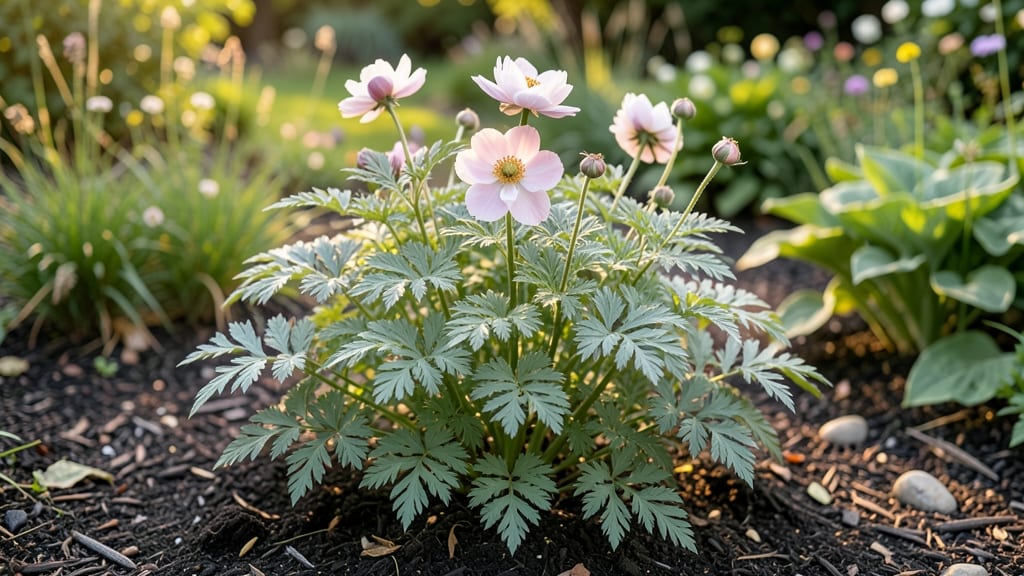
Fern-leafed peonies transform your garden with bold, layered blooms that last longer than most varieties—if you plant them right. 🌿 I’ve struggled with peonies that flopped after one season, but this technique keeps mine thriving for years, with deep green fern-like foliage that stays lush even after blooms fade.
The secret isn’t fancy soil or constant care—it’s understanding their layered root system. Planting too deep or disturbing those roots can kill them in a season. Instead, dig a shallow hole, mound the roots so they sit just below soil level, and backfill gently to avoid compacting.
Most beginners make one of two mistakes: either burying the crown too deep (which rots it) or planting too shallow (which causes flopping). Once established, these peonies reward you with vibrant pink, white, or coral blooms that appear in late spring and last for weeks.
The foliage stays attractive all season, and the plants multiply over time. Water them deeply but infrequently—once a week in dry spells—and avoid overhead watering to prevent fungal issues.
They thrive in full sun to partial shade and well-draining soil, making them perfect for borders, cottage gardens, or even container growing in cooler climates. With the right care, your fern-leafed peonies will become the showstopper of your garden for decades.
📚 In This Guide
- What you need
- Instructions
- Tips and common mistakes
- Wrapping up and next steps
What you need
- ● Fern-leafed peony plants: 1-3 bare-root or container-grown plants (depending on desired density). Choose healthy specimens with 3-5 eyes (buds) per root.
- ● Well-draining soil: A mix of 60% garden soil, 30% compost, and 10% coarse sand or perlite (1-2 cubic yards per 100 sq. ft. of planting area).
- ● Organic mulch: 2-3 inches of wood chips or straw to retain moisture and regulate soil temperature.
- ● Transplanting tools: Garden trowel or spade (for digging)
- ● Garden fork (for loosening soil)
- ● Pruners (for trimming dead foliage)
- ● Watering supplies: Hose with a gentle spray nozzle or watering can
- ● 5 gallons of water per plant (for initial watering)
- ● Slow-release fertilizer: 1 lb of 10-10-10 or 5-10-10 NPK blend mixed into the soil to boost early growth.
- ● Root stimulator: A mycorrhizal inoculant or seaweed extract to encourage root establishment.
- ● Plant supports: Small stakes or cages (if planting in windy areas).
- ● Soil pH tester: To ensure the soil is slightly acidic to neutral (pH 6.5-7.0).
- ● Drip irrigation system: For consistent moisture during the first growing season.
Step-by-step guide to planting and establishing fern leafed peonies
Here's how to coax those lush, layered roots and legendary blooms from your fern leafed peony.
🌱 Step 1: Select and Prepare the Planting Site
Fern leafed peonies thrive in full sun to partial shade—at least 6 hours of direct sunlight daily—but tolerate morning shade in hot climates. Choose a spot with well-draining soil and shelter from strong winds that can damage their delicate stems. I always test the soil pH first—these peonies prefer 6.5 to 7.5. If your soil is too acidic, amend it with lime before planting.
The key to long-lasting blooms lies in the roots. Dig a hole twice as wide as the root ball but only as deep as the top of the roots—planting too deep smothers the crown and prevents flowering. Loosen the soil at the bottom of the hole with a fork to encourage root penetration. Fern leafed peonies develop their signature layered roots when given space to spread, so avoid compacted soil.
🪴 Step 2: Plant the Bare-Root Peony Correctly
Gently separate the roots if they’re tightly bound, but avoid breaking them—each root should have 2-3 inches of space between clusters. Place the peony in the hole so the eyes (buds) sit just below the soil surface—no deeper than 2 inches. The roots should spread naturally outward, not forced downward. This positioning ensures the plant establishes strong, horizontal roots that support its top-heavy blooms.
Backfill with the native soil, tamping lightly to remove air pockets but not compacting it. Water deeply to settle the soil around the roots. I always add a 2-inch layer of mulch (like shredded bark) after planting to retain moisture and regulate soil temperature. Avoid organic mulches too close to the crown—they can rot and invite fungal diseases.
☀️ Step 3: Water and Fertilize for Root Development
Water deeply once a week during the first growing season, ensuring the soil stays evenly moist but not soggy. Fern leafed peonies are drought-tolerant once established, but young plants need consistent moisture to develop their layered root system. You’ll know you’re watering correctly when the soil feels damp 2 inches below the surface—stick a finger in to check.
Wait 4-6 weeks before fertilizing—this gives the roots time to establish without competing with rapid top growth. Apply a balanced, slow-release fertilizer (10-10-10) in early spring, then again after the first flush of blooms. I avoid high-nitrogen fertilizers; they encourage leafy growth at the expense of flowers. Instead, focus on phosphorus and potassium to support root development and blooming.
✂️ Step 4: Prune and Support for Long-Term Health
Deadhead spent blooms as soon as they fade to redirect energy to root growth. Cut back stems to just above a leaf node—never remove more than one-third of the foliage in a season. Fern leafed peonies store energy in their roots, and pruning too aggressively weakens next year’s blooms. Leave the foliage until it yellows naturally in fall; this process feeds the roots for winter.
Stake tall stems before flowering if needed, but avoid heavy supports that can damage the delicate stems. I use flexible bamboo stakes tied loosely with soft twine. In late fall, cut back stems to 2 inches above the ground and apply a 4-inch layer of mulch to insulate the crown. This protects the roots from freeze-thaw cycles, which can heave the plant and damage the crown.
⏰ Step 5: Monitor and Adjust for Seasonal Changes
Check the soil moisture monthly after the first year—fern leafed peonies become drought-tolerant but still need 1 inch of water weekly during dry spells. You’ll notice the leaves wilt slightly before the soil dries out; this is your cue to water. Overhead watering can spread fungal diseases, so always water at the base of the plant.
Every 3-4 years, divide mature clumps in early fall to maintain vigor. Dig up the plant, separate the roots into 3-5 inch sections, each with 3-5 eyes, and replant immediately. This rejuvenates the plant and encourages even more layered root growth for stronger blooms. Fern leafed peonies reward patience—once established, they’ll bloom reliably for decades.
Tips & tricks for perfect fern leafed peony establishment
These practical insights will help you cultivate the ideal conditions for your fern leafed peony's legendary layered roots.
Site Selection Wisdom: When evaluating sunlight exposure, prioritize locations with morning sun and afternoon shade in hotter climates—this prevents leaf scorch while still providing the essential 6 hours of sunlight. I've found that eastern exposures work beautifully for these delicate perennials. The wind protection tip is crucial: even gentle breezes can snap the heavy blooms, so plant near a fence or building if your yard is open.
Planting Depth Secret: The 2-inch depth guideline for crown placement is non-negotiable—any deeper and you'll smother the buds, any shallower and they'll be vulnerable to temperature fluctuations. Use a small stake to mark the planting depth before positioning your peony, then verify the crown sits exactly at this level. This precision ensures proper root development and flowering potential.
Watering Technique: That 2-inch soil dampness check is your golden rule for watering. I recommend using a moisture meter for accuracy, especially during the first growing season when consistent moisture is critical. Watering deeply once weekly encourages deeper root penetration, while shallow watering promotes weak, surface roots that can't support those heavy blooms.
Pruning Strategy: The one-third foliage rule is about maintaining balance—never cut more than that in a single season, or you'll weaken next year's blooms. I've seen gardeners accidentally remove too much foliage in fall cleanup, which actually starves the roots of winter energy reserves. Use sharp pruners and always cut just above a leaf node to encourage healthy regrowth.
Pro Tips for Fern Leafed Peony
- These practical insights will help you cultivate the ideal conditions for your fern leafed peony's legendary layered roots.
- Site Selection Wisdom: When evaluating sunlight exposure, prioritize locations with morning sun and afternoon shade in hotter climates—this prevents leaf scorch while still providing the essential 6 hours of sunlight.
- Planting Depth Secret: The 2-inch depth guideline for crown placement is non-negotiable—any deeper and you'll smother the buds, any shallower and they'll be vulnerable to temperature fluctuations.
Frequently asked questions
Got questions about fern-leafed peonies?
You’re not alone! This stunning perennial has unique care needs, especially when it comes to transplanting and root care. Here are answers to the most common queries to help you grow thriving fern-leafed peonies with ease.
When is the best time to transplant a fern-leafed peony?
The ideal window is early fall (4–6 weeks before your first frost) or early spring (before buds swell). Avoid transplanting in summer—heat stress can damage roots. If you must move it later, water deeply 2–3 days beforehand to reduce shock.
How deep should I plant the roots of a fern-leafed peony?
Fern-leafed peonies have long, layered roots, so plant them with the eyes (buds) 2–3 inches below soil level. Deeper planting prevents stem rot, while shallower planting may cause weak stems. Use a trowel to gently tuck roots into the soil, avoiding bending.
Why aren’t my fern-leafed peonies blooming after transplanting?
Blooms may take 1–2 years to return after transplanting due to root stress. Ensure full sun (6+ hours/day), well-draining soil, and consistent watering (1 inch/week). Over-fertilizing can also delay flowers—use a balanced 10-10-10 fertilizer lightly in spring.
Can I divide a mature fern-leafed peony to propagate it?
Yes! Divide in early fall when the plant is dormant. Dig up the clump, separate roots with a clean knife, and replant immediately. Each division should have 3–5 eyes. Avoid dividing too often—healthy peonies thrive for decades without frequent splitting!
What’s the biggest mistake when transplanting fern-leafed peonies?
Buried eyes or disturbed roots are top culprits. Never cut roots during transplanting—let them spread naturally. Also, avoid planting in soggy soil; fern-leafed peonies hate wet feet. Amend clay soil with compost or sand to improve drainage.
Are fern-leafed peonies deer-resistant?
While not fully deer-proof, they’re less appealing than other peonies due to their fern-like foliage. For extra protection, plant near deer-resistant companions like lavender, Russian sage, or alliums. A physical barrier (like fencing) may be needed in high-traffic areas.
Wrapping up and next steps
The fern-leafed peony is a stunning addition to any garden, offering long-lasting blooms and a unique, layered root system that makes it a favorite among gardeners. By understanding its transplanting needs—like well-draining soil, proper spacing, and seasonal timing—you’ll set it up for years of vibrant growth. 🌸
Ready to give your garden a showstopper? Start by choosing a sunny spot and dig in—your future blooms will thank you! For extra care tips, explore our Peony Care Guide next.