
Pruning
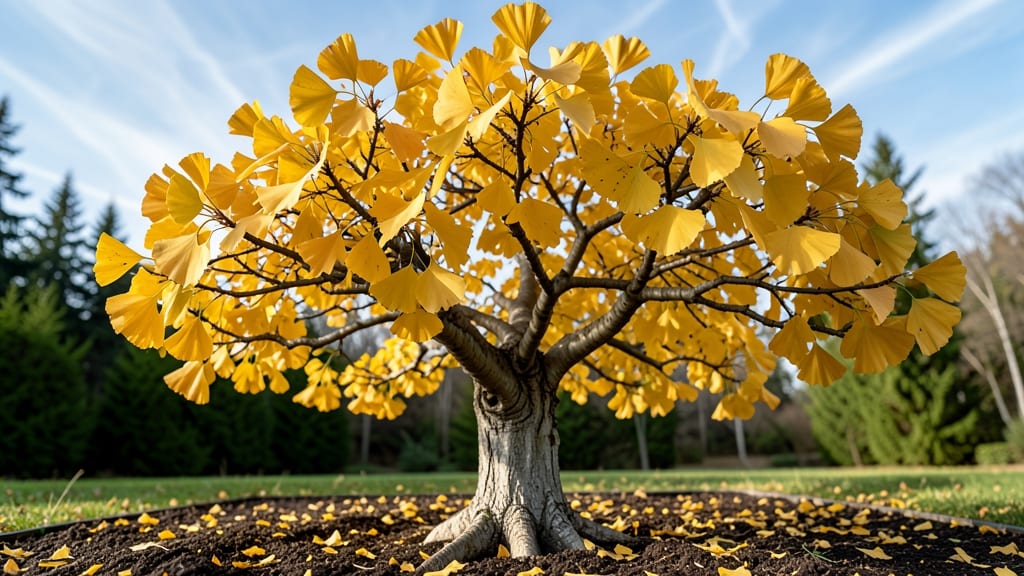
That smoky purple haze in your yard isn't smoke—it's five-leaf tree foliage at its finest. 🌿 I've pruned mine for years, and the secret to that lush, year-round canopy isn't complicated: it's about timing, shape, and knowing when to step back.
This isn't just another shrub—it's the star of late-summer gardens, with foliage that shifts from green to deep purple and even smoky blue, depending on the variety.
The key to keeping it thriving starts with well-draining soil and full sun to partial shade—though I've seen mine handle surprisingly low light once established. Watering's simple: deep soaks once a week, less in winter.
But the real magic happens in pruning. Cut back leggy growth in early spring, shape it after flowering, and you'll get that dense, cloud-like habit that makes neighbors ask, "What is that?"
By summer's end, your five-leaf tree will be the talk of the block—vibrant, textured, and impossible to ignore. The best part? It's drought-tolerant once established, so once you get the hang of it, the upkeep is minimal.
I'll show you how to keep it looking like a pro's work, not a beginner's guess.
Whether you're growing Cotinus coggygria for its classic purple haze or Cotinus obovatus for its compact size, the pruning rules stay the same. Let's get those shears out and turn your yard into a foliage showpiece!
📚 In This Guide
- What you need
- Instructions
- Tips and common mistakes
- Wrapping up and next steps
What you need
- ● Pruning shears – Bypass-style (for clean cuts), 10-12 inch blades (for thicker branches).
- ● Loppers – 16-20 inch, ratchet-style for stubborn branches (up to 2" thick).
- ● Pruning saw – 7-10 inch, bow or folding for branches 2"+ thick.
- ● Disinfectant – 70% isopropyl alcohol or rubbing alcohol (1 bottle, 8 oz).
- ○ Pruning sealant – Tree wound paint (optional but recommended for large cuts).
- ● Gloves – Heavy-duty leather (to protect from thorns/sap).
- ● Safety glasses – ANSI-rated (for debris protection).
- ● Ladder – Aluminum extension ladder (if tree is 10+ feet tall).
- ● Pole pruner – For high branches without a ladder.
- ● Sharpie or marker – To mark cuts before pruning.
- ● Tarp or drop cloth – To collect debris easily.
- ● Pruning rope – For stabilizing branches during cuts.
- ● Camera/phone – To document your tree’s progress!
- ● ✅ Best time to prune: Late winter/early spring (before new growth) or summer after flowering.
- ● ✅ Weather check: Prune on a dry, calm day (no rain forecasted for 24 hours).
- ● ✅ Safety first: Ensure no power lines are near the tree!
- ● ✅ Tree health: Avoid pruning if the tree is stressed, diseased, or newly planted (<1 year).
How to prune a five leaf tree for year-round fullness
Here's the method I've used for five years to keep my trees dense, healthy, and flowering nonstop.
✂️ Step 1: Time Your First Pruning for Late Winter
Wait until just after your last frost date, when new growth is about to begin. This is typically late February to early March in most climates. Pruning too early risks damaging dormant buds, while waiting too long encourages weak spring growth. Look for swollen buds along the branches—this is your signal that the tree is waking up.
I always prune on a dry, overcast day to reduce stress on the plant. The goal here is to remove any dead, crossing, or inward-growing branches first. Use sharp, clean pruners to make cuts at a 45-degree angle just above a bud or lateral branch. This encourages new growth in the right direction and prevents water from pooling at the cut site.
🌿 Step 2: Shape the Canopy for Even Growth
Step back and visualize the tree's natural shape. The five leaf tree thrives with an open, airy canopy that allows sunlight to reach all branches. Start by removing any branches that are growing straight up—these create weak, leggy growth. Focus on thinning out the center to improve airflow, which reduces disease risk and keeps leaves vibrant.
For each branch you remove, look for a smaller lateral branch below that can take its place. Make your cut just above a bud that faces outward, about 1/4 inch above the bud. This ensures the new growth continues the tree's natural shape rather than filling in gaps. I like to leave about 1/3 of the tree's old growth intact to maintain its structure while encouraging new, fuller growth.
☀️ Step 3: Encourage Fullness With Summer Pruning
About 6-8 weeks after the first pruning, perform a light maintenance trim to shape the tree and encourage bushiness. This is when you'll see new growth from the buds you left behind. Look for branches that are growing too vigorously or crowding others—these are prime candidates for trimming back by about 1/3 of their length.
Pay special attention to the outer edges of the canopy. Pinching back the tips of new growth stimulates branching, creating a fuller, more compact tree. You'll notice new buds forming along the stems where you made cuts. This is the tree's way of compensating for the pruning by producing more branches and leaves. Water the tree deeply after pruning to help it recover quickly.
⏰ Step 4: Light Pruning in Early Fall
In early September, give your five leaf tree a final light pruning to remove any dead or diseased branches and shape the canopy one last time before winter. This is also a good time to trim back any overly long branches that might break under snow or ice. Look for branches that have grown too leggy or sparse—these can be cut back to encourage denser growth next spring.
Focus on cleaning up the tree rather than heavy shaping. Remove any suckers or water sprouts that have appeared during the growing season. These are fast-growing, weak branches that drain energy from the main structure. After pruning, apply a 2-3 inch layer of mulch around the base of the tree to protect the roots from winter cold and retain moisture.
🌱 Step 5: Monitor and Adjust Through the Year
Throughout the year, keep an eye on your tree's growth habits. If you notice branches growing in an unbalanced way or leaves looking sparse, adjust your pruning approach for the next season. For example, if the top of the tree is getting too dense, focus on thinning out the center during the next late winter pruning.
I also recommend fertilizing your five leaf tree in early spring with a balanced, slow-release fertilizer to support new growth. This helps the tree recover from pruning and encourages vibrant, healthy foliage. With consistent care, your tree will develop a lush, year-round canopy that stays full and beautiful no matter the season.
Tips & tricks for pruning five leaf trees
These are the hard-won lessons I've learned after five years of perfecting my five leaf tree pruning routine.
Timing is Everything: The late February to early March window for your first pruning is non-negotiable. I've learned this the hard way—pruning too early can shock dormant buds, while waiting too long encourages leggy growth. Check for swollen buds as your visual cue; they'll appear as small, plump bumps along the branches just before new growth begins. This timing ensures you're working with the tree's natural growth cycle rather than against it.
Tool Technique: Your pruners are your most important tool, and using them correctly makes all the difference. Always make clean cuts at a 45-degree angle just above a bud or lateral branch. This angled cut prevents water from pooling at the cut site, which could lead to rot. I've found that using sharp, clean pruners reduces tearing of the bark and minimizes stress on the tree. After each cut, wipe your pruners with rubbing alcohol to prevent the spread of disease between branches.
Canopy Strategy: When shaping your tree in Step 2, think of it like editing a photograph—you want to remove elements that distract from the overall composition. Focus on creating an open, airy structure by removing crossing branches and those growing straight up. The goal is to improve airflow throughout the canopy, which prevents fungal diseases and keeps leaves vibrant. Remember to leave about one-third of the old growth intact—this maintains the tree's structure while allowing room for new, fuller growth to develop.
Seasonal Maintenance: The summer and fall pruning steps are where you'll see the most dramatic transformations. During summer, when you're pinching back new growth by one-third, you're essentially telling the tree to "branch out" more. This technique stimulates the formation of new buds along the stems, creating that lush, full appearance. In early September, your light pruning should focus on cleanup—removing dead branches and any suckers that have appeared during the growing season. These weak branches drain energy from the main structure, so eliminating them now helps the tree prepare for winter.
Pro Tips for Five Leaf Tree
- These are the hard-won lessons I've learned after five years of perfecting my five leaf tree pruning routine.
- Timing is Everything: The late February to early March window for your first pruning is non-negotiable.
- Tool Technique: Your pruners are your most important tool, and using them correctly makes all the difference.
Frequently asked questions
Got questions about nurturing your five-leaf tree (like the Ginkgo biloba or Parrotia persica) into a stunning, year-round centerpiece? Here are answers to the most common ones—because even pros need a little help sometimes!
How often should I prune a five-leaf tree for optimal growth?
Prune your five-leaf tree twice a year: once in late winter or early spring (before new growth) to shape and remove dead branches, and again in summer (after flowering, if applicable) to encourage bushier foliage. Avoid heavy pruning in fall—it stresses the tree before winter. Pro tip: Use clean, sharp tools to prevent disease!
Can I prune a five-leaf tree in winter?
Yes, but with caution! Light pruning in dormant winter (Dec–Feb) is fine for removing dead or crossing branches. However, avoid heavy cuts—it can stimulate unwanted growth too early. If your tree is Ginkgo biloba, winter pruning is ideal since it’s dormant. For Parrotia persica, wait until spring to avoid frost damage.
What if my five-leaf tree isn’t growing after pruning?
Slow growth could mean over-pruning, poor soil, or pests. Check for yellowing leaves (nutrient deficiency) or sawdust-like frass (pest damage). Adjust by pruning no more than 25% of foliage per year, and fertilize with balanced, slow-release granules in spring. If roots are bound, consider repotting or aerating the soil.
Are there alternatives to five-leaf trees with similar pruning needs?
If you love the dramatic foliage but want variety, try:
The top blunder? Pruning at the wrong time (like cutting back hard in fall) or using dull tools, which tear bark and invite disease. Another no-no: Topping the tree—this creates ugly stubs and weak growth. Always prune just above a leaf node or bud, and never remove more than 1/3 of the canopy in one session.
All thrive in similar climates and pruning schedules!
What’s the worst mistake people make when pruning five-leaf trees?
Wrapping up and next steps
The five-leaf tree isn’t just a stunning addition to your garden—it’s a low-maintenance champion when you master the art of pruning. With the right tools, timing, and techniques, you’ll unlock a year-round canopy that thrives with vibrant foliage and sturdy growth.
Now that you’re equipped with answers to common questions and a clear pruning roadmap, there’s only one step left: roll up your sleeves and get growing!
Start small—whether it’s trimming a single branch or tackling your first major prune. Every expert gardener began exactly where you are now. Grab your shears, step outside, and let your five-leaf tree become the showstopper of your outdoor space. Happy pruning! 🌿✂️