
Plants
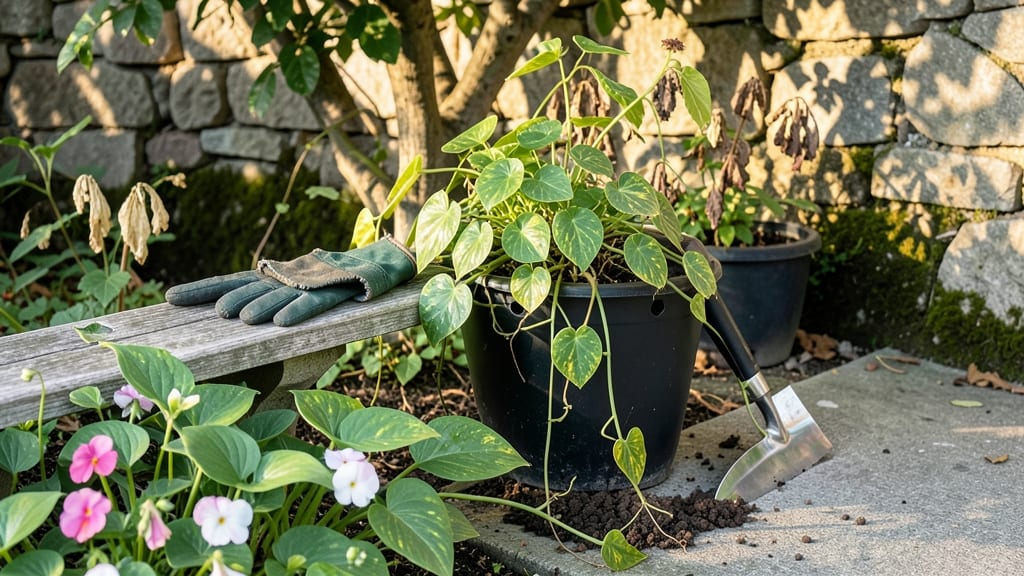
That five-leaf vine creeping across your patio or climbing your fence isn’t a harmless ground cover—it’s an aggressive weed that smothers plants and cracks foundations. 🌿 I’ve spent years wrestling with Virginia creeper and poison ivy lookalikes, and I’ll show you how to spot them, remove them completely, and stop them from coming back without harsh chemicals.
The first step is knowing what you’re dealing with: five-leaf vines like Virginia creeper have glossy leaves and tendrils, while poison ivy grows in clusters of three. Both spread rapidly, so quick action prevents them from taking over your garden or yard.
Grab some thick gloves, a pruner, and a tarp—this is where the real work begins. Once you’ve identified and cut the vines at the base, you’ll need to smother regrowth with cardboard or landscape fabric. The roots are stubborn, but consistent pressure over 3-6 months breaks them down naturally.
I’ve seen stubborn patches surrender after just a few weeks of this method. This works for patios, garden beds, and even tree trunks—just adapt the approach to your space. Let’s get that invasive vine under control for good.
📚 In This Guide
- What you need
- Instructions
- Tips and common mistakes
- Wrapping up and next steps
What you need
- ● Garden gloves – Heavy-duty, chemical-resistant (e.g., nitrile or rubber) to protect your hands from sap and sharp edges. (1 pair)
- ● Hand trowel or digging fork – A sturdy, sharp-edged tool (5–7 inches long) to pry out roots. (1)
- ● Pruning shears or loppers – For cutting thick stems/vines (bypass pruners work best). (1 pair)
- ● Heavy-duty trash bags or bucket – To collect and dispose of weeds (20–30 gallon capacity). (1–2)
- ○ Vinegar (20–30% acetic acid) – For spot treatment (1 gallon). (Optional but effective!)
- ● Boiling water or salt solution – 1 gallon water + 2 cups salt (for stubborn regrowth areas).
- ● Mulch (straw, wood chips, or cardboard) – To smother remaining roots (2–3 inches thick). (1–2 bags)
- ● Label or marker – To tag infested areas for follow-up checks.
- ● Solarized water sprayer – For eco-friendly weed control (fill a spray bottle with water + a drop of dish soap).
- ● Root killer (natural) – Corn gluten meal or vinegar-based herbicide (follow label instructions).
- ● Garden hose with nozzle – To rinse tools and wash off sap after removal.
- ● Camera or phone – To document the weed for future reference or expert ID.
Step-by-step guide to eradicating five-leaf vine weed
Here's how I tackle this stubborn vine—no harsh chemicals, just targeted techniques that work.
🌿 Step 1: Identify and Confirm the Weed
Five-leaf vine spreads aggressively, so positive identification saves time. Look for its signature five-pointed leaves arranged alternately along the stem, with hairy stems and white flowers that resemble tiny orchids. I always check the roots too—this weed develops a thick, woody taproot that can reach 3 feet deep. If you're unsure, snap a photo and compare it to local invasive species guides.
Don't confuse it with other vines like morning glory or kudzu. Five-leaf vine has palmately compound leaves (like a hand with five fingers) while others have lobed or heart-shaped leaves. Grab a pair of gloves and inspect the area carefully—you'll often find multiple plants connected by underground runners.
✂️ Step 2: Remove the Plant Completely
Pulling isn't enough—this weed regrows from even tiny root fragments. Use a sharp garden spade to dig around the base, working your way 6 inches outward from the visible plant. I aim to remove a 1-foot diameter of soil to catch those hidden runners. Lift the plant carefully, shaking off excess soil to check for attached roots.
For stubborn roots, I use a hand trowel to pry them free. If the root breaks, leave the broken piece in the hole—it won't regrow. Wear gloves; the sap can irritate skin. After removal, inspect the soil for any remaining root pieces or green shoots. Even a 1-inch fragment can sprout into a new plant.
💧 Step 3: Smother Remaining Growth
Once the main plant is gone, cover the area with cardboard or thick layers of newspaper (at least 4 sheets) to block sunlight. Secure it with landscape fabric or rocks to prevent wind from lifting it. This smothers any dormant roots or seeds in the soil. I leave it in place for at least 4 weeks during warm weather—consistent darkness prevents regrowth.
For larger areas, consider black plastic sheeting instead. Poke holes in the plastic to let rainwater drain through, but keep it sealed tightly. Check weekly for any new shoots poking through. If you spot any, remove them immediately—they'll be small and easy to pull.
☀️ Step 4: Prevent Future Regrowth
Five-leaf vine thrives in disturbed soil, so I recommend mulching heavily with 3-4 inches of wood chips or straw after removal. This creates a barrier that discourages new growth and retains moisture. For high-risk areas, I also apply corn gluten meal (a natural pre-emergent) at the rate of 20 pounds per 100 square feet—it prevents weed seeds from germinating.
Monitor the area for at least 2 growing seasons. If you see any new vines, act immediately—don't wait. Regular inspections (every 2 weeks) catch regrowth before it becomes established. I also avoid tilling the soil, as it can spread any remaining root fragments deeper.
🌱 Step 5: Maintain Vigilance Long-Term
This weed is persistent, so I treat it like a marathon, not a sprint. After the first year, I switch to weekly visual inspections during the growing season. Look for new leaves or runners along garden edges, fence lines, or under shrubs—these are common hiding spots. If you find any, remove them immediately with the same digging method.
For landscapes, I plant dense ground covers like creeping thyme or clover in treated areas. These plants outcompete five-leaf vine for space and sunlight. In containers, I use gravel or decorative rocks to prevent soil from harboring seeds. Consistency is key—one missed vine can lead to a full-blown infestation within a year.
Tips & tricks for eradicating five-leaf vine weed
Common pitfalls—and how to sidestep every one when tackling this tenacious vine.
Identification is Key: I can't stress this enough—mistaking five-leaf vine for other plants wastes time and lets the real problem spread. The palmately compound leaves (five distinct points) are your best clue, but check the stems too. Hairy stems and white orchid-like flowers confirm it's the weed we're fighting. I always carry a small notebook with photos of similar vines when I'm working in new areas.
The Digging Technique That Changed Everything: When you're digging around that 1-foot diameter, don't just pull—work the spade in a circular motion around the base. This breaks up those hidden runners you can't see. I learned this the hard way after missing a 6-inch runner that sprouted new growth just 2 weeks later. For stubborn roots, I use my hand trowel to gently pry rather than yanking—this prevents the root from breaking and leaving viable pieces behind.
Smothering Secrets: That 4-week smothering period is non-negotiable in warm weather, but I've found a few tricks to make it work better. First, wet down the cardboard or newspaper before placing it—this helps it stay in place longer. Second, I add a layer of mulch (about 1 inch) over the top before securing with landscape fabric. This keeps the material from blowing away and adds extra weight. For plastic sheeting, I use bricks or pavers at the edges to create a tight seal.
Long-Term Prevention: The 20 pounds of corn gluten meal per 100 square feet might seem like a lot, but it's worth it for high-risk areas. I apply it after my initial removal and again in early spring. For the weekly inspections, I've created a simple checklist: garden edges, fence lines, and under shrubs. I mark my calendar every 2 weeks during growing season—setting a reminder helps me stay consistent when I get busy.
Pro Tips for Five Leaf Vine Weed
- Common pitfalls—and how to sidestep every one when tackling this tenacious vine.
- Identification is Key: I can't stress this enough—mistaking five-leaf vine for other plants wastes time and lets the real problem spread.
- The Digging Technique That Changed Everything: When you're digging around that 1-foot diameter, don't just pull—work the spade in a circular motion around the base.
Frequently asked questions
Got questions about five leaf vine weed?
You’re not alone! Here are some of the most common concerns—and straightforward answers—to help you tackle this pesky plant like a pro.
How do I tell five leaf vine weed apart from other vines or plants?
The key is in the leaves! Five leaf vine weed has five distinct, deep lobes (like a starfish shape) with jagged edges. Unlike poison ivy (which has three leaves), this vine grows aggressively with a thick, woody stem and tiny white flowers in summer. Snap a leaf—if it’s lobed and smells slightly sweet, it’s likely our unwanted guest.
How long does it take to remove five leaf vine weed completely?
Patience is key! Hand-pulling or cutting works for small patches, but regrowth is common. For full eradication, repeat treatments every 2–4 weeks for 3–6 months. Use a mix of manual removal, vinegar spray, or natural herbicides (like boiling water or salt solutions) for best results. Consistency beats speed!
Why does it keep coming back after I remove it?
This vine spreads via underground rhizomes and seeds. Even a tiny root fragment can regrow! To stop it:
- Pull all roots (use a shovel for stubborn clumps).
- Apply a mulch barrier (cardboard + wood chips) to block sunlight.
- Monitor for new sprouts—act fast!
Think of it like a game of whack-a-mole… but with more mulch.
Are there natural alternatives to chemical herbicides?
Try these DIY fixes:
- Vinegar spray: 1 gallon vinegar + 1 oz dish soap (reapply weekly).
- Boiling water: Pour directly on the roots (best for small patches).
- Salt solution: 2 cups salt + 1 gallon water (use sparingly—harms soil over time).
- Corn gluten meal: Sprinkle as a pre-emergent (prevents seeds from sprouting).
For heavy infestations, combine methods for maximum impact.
Is five leaf vine weed toxic to pets or humans?
While not as toxic as poison ivy, some people may experience mild skin irritation from sap contact. Symptoms include redness or itching—wash affected areas with soap and water. Keep pets away during treatment, and wear gloves when handling the plant. When in doubt, consult a doctor or vet if reactions occur.
Pro Tip: Prevent future growth!
After removal, smother the area with thick mulch or landscape fabric to starve remaining roots. Regularly inspect your yard—early detection saves time and effort. And if all else fails? Call a local garden center for targeted organic herbicides!
Wrapping up and next steps
Dealing with five-leaf vine weed doesn’t have to be overwhelming—you now have the tools to identify, remove, and prevent it naturally! 🌱 From manual extraction to vinegar sprays, these methods empower you to reclaim your garden without harsh chemicals.
Start small, stay consistent, and soon you’ll enjoy a weed-free space that thrives.
Ready to take action? Pick one method from this guide and try it this weekend—your future self (and your plants!) will thank you. 🌿✨