
Planting
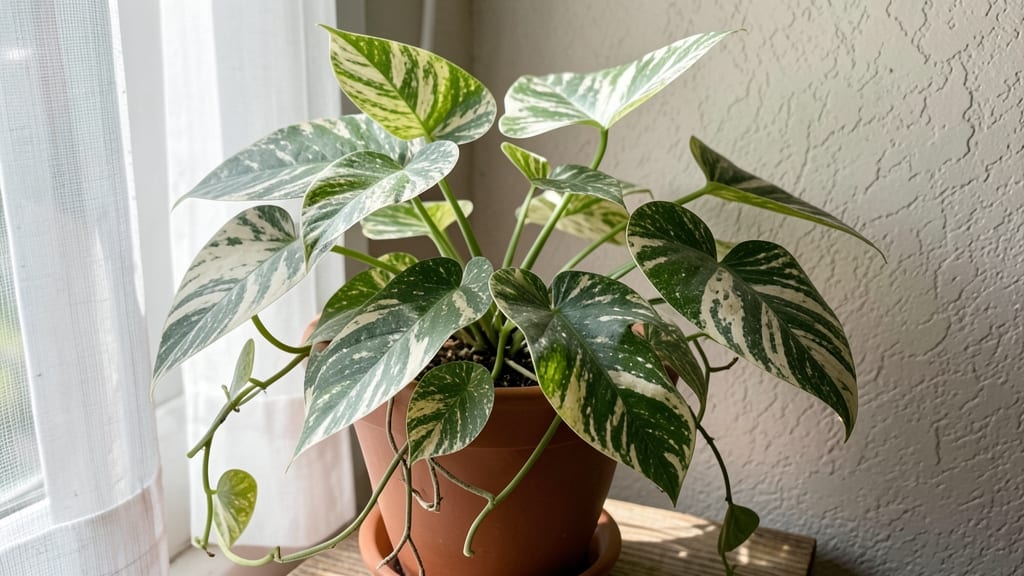
The five-point leaf plant (Tradescantia pallida) grows so fast it looks like magic—those striking purple stems and glossy leaves spread across shelves in weeks. 🌿 I’ve watched mine go from a single cutting to a cascading display in just 6 weeks, and it’s the easiest houseplant I’ve ever kept alive.
The secret? Bright, indirect light and a little neglect tolerance that makes it perfect for busy gardeners.
This plant thrives in medium to bright indirect light, tolerating a few hours of morning sun. Too much direct sunlight bleaches the purple stems, while low light dulls the foliage. Well-draining potting mix keeps roots happy, and watering only when the top inch feels dry prevents root rot.
Overwatering is the biggest mistake—my first plant nearly died from soggy soil before I learned the "damp finger test."
You’ll love how it multiplies effortlessly from stem cuttings—just snip a 4-inch piece, dip in water, and root in soil or water. Within 2-3 weeks, you’ll have a new plant ready to trail over shelves or climb a trellis.
The leaves stay vibrant all year, and it even purifies indoor air, making it a low-maintenance, high-impact addition to any space.
Watch for spider mites in dry conditions or fungal spots if water pools on leaves. A quick wipe-down with soapy water solves both. Whether you’re filling a sunny windowsill or adding drama to a terrarium, this plant delivers fast, lush growth with almost no effort. Let’s get yours thriving!
Understanding Leaf Stress Triggers
If your five-point leaf plant (also known as Pothos or Epipremnum aureum) is struggling, it’s often due to environmental or care-related factors that disrupt its natural growth patterns. These plants are hardy, but even resilient varieties need the right conditions to thrive.
Below, we break down the most common reasons why your plant might be showing signs of distress—so you can fix the issue before it worsens.
The five-point leaf plant thrives in stable, moderate temperatures between 60–85°F (15–29°C). When exposed to sudden temperature swings—like drafts from air conditioning, chilly windowsills, or hot radiators—the plant’s leaves can develop brown edges, crispiness, or even drop prematurely.
- Cold Stress: Below 50°F (10°C), growth slows, and leaves may turn yellow or blacken. This is especially true if the plant is near drafty doors or windows.
- Heat Stress: Above 90°F (32°C), leaves can scorch (turning brown and papery) or wilt due to excessive transpiration.
- Low Humidity: Dry air (common in homes with central heating or AC) causes leaf tips to brown and curl. These plants prefer 40–60% humidity—any lower, and they’ll signal distress.
Actionable Fix: Move your plant away from vents, use a humidifier nearby, or place it on a pebble tray with water to boost moisture levels.
One of the most common killers of five-point leaf plants is root rot, caused by soggy soil and poor drainage. These plants store water in their vines and roots, so they prefer drying out slightly between waterings rather than sitting in wet soil.
- Signs of Overwatering:
- Yellowing leaves (especially lower ones)
- Mushy, black stems or roots
- Stagnant, foul-smelling soil
- Why It Happens:
- Using pots without drainage holes (water pools at the bottom)
- Watering on a strict schedule (instead of checking soil moisture)
- Compacted or heavy soil that doesn’t dry quickly
Actionable Fix: Let the top 1–2 inches of soil dry out before watering, and repot in a mix with perlite or orchid bark for better aeration.
Five-point leaf plants are adaptable but hate direct sunlight. Too much light causes leaf bleaching or sunburn, while too little leads to leggy growth (long, weak stems) and pale leaves.
The ideal spot is bright, indirect light—like near an east-facing window or a few feet back from a south-facing one.
- Signs of Light Stress:
- Sunburn: White or brown patches on leaves (common in summer)
- Etoliation: Stems stretch toward light, leaves grow small and sparse
- Why It Happens:
- Placing the plant in a south-facing window without a sheer curtain
- Moving it from low light to bright direct sun too quickly (causes shock)
- Keeping it in a dark corner or under artificial lights for too long
Actionable Fix: Rotate the plant weekly for even growth, and use sheer curtains to diffuse harsh sunlight.
While five-point leaf plants are low-maintenance, they can suffer from nutrient deficiencies or burns if fertilized incorrectly. Overdoing it with synthetic fertilizers (especially in winter) leads to leaf tip burn, yellowing, or even leaf drop.
- Common Deficiencies:
- Nitrogen Deficiency: Pale, yellow leaves (plant isn’t getting enough protein for growth)
- Magnesium Deficiency: Yellow patches between leaf veins (often from overwatering or poor soil)
- Potassium Deficiency: Weak stems, brown leaf edges (plant struggles to regulate water)
- Why It Happens:
- Using high-salt fertilizers without flushing the soil (builds up over time)
- Fertilizing in winter or dormancy periods (plant isn’t actively growing)
- Using tap water high in chlorine/fluoride (can alter soil chemistry)
Actionable Fix: Switch to a balanced, diluted fertilizer (like 10-10-10) every 6–8 weeks in spring/summer, and flush the soil with water every few months to prevent buildup.
Though tough, five-point leaf plants can fall prey to pests and fungal issues if stressed. Common culprits include spider mites, mealybugs, and fungal leaf spot, all of which thrive in dry or crowded conditions.
- Pest Signs:
- Spider Mites: Tiny webs, stippled (speckled) yellow leaves
- Mealybugs: Cottony white clusters in leaf axils
- Scale Insects: Brown, shell-like bumps on stems/leaves
- Disease Signs:
- Fungal Leaf Spot: Dark spots with yellow halos (from overwatering)
- Powdery Mildew: White, powdery coating on leaves (humidity + poor airflow)
- Why It Happens:
- Bringing an infested plant home (quarantine new plants for 2 weeks!)
- Low humidity + dry air from heating (attracts spider mites)
- Overcrowded pots (reduces airflow, encourages fungal growth)
Actionable Fix: Isolate the plant, wipe leaves with neem oil or insecticidal soap, and improve airflow by pruning dense vines.
Fixing Common Five-Leaf Plant Woes
Got a struggling five-point leaf plant (like Pentas lanceolata or Tradescantia pallida)? Don’t panic! With the right care tweaks, you can revive drooping leaves, yellowing foliage, or stunted growth. Below, we’ve mapped out practical fixes for the most common issues—plus prevention tips to keep your plant thriving long-term.
Cause: Too much water (root rot) or lack of essential nutrients (like nitrogen or iron). Fix It:
- 🔥 Adjust Watering: Let the top 1–2 inches of soil dry out between waterings. Stick your finger in—if it’s damp, wait!
- 🌡️ Drainage Check: Ensure pots have drainage holes. Add perlite or sand to heavy soil to improve airflow.
- 💡 Fertilize Lightly: Use a balanced liquid fertilizer (10-10-10) every 4–6 weeks during spring/summer. For nutrient deficiencies, try a chelated iron supplement.
Prevention Tip: 🎯 Water in the morning so excess moisture evaporates by night. Avoid soggy soil!
Cause: Stretching toward light (etiolation) means your plant isn’t getting enough brightness. Fix It:
- 👨🍳 Move to Brighter Spot: Place near an east- or west-facing window, or under grow lights (12–14 hours/day).
- 🔪 Prune Strategically: Trim leggy stems just above a leaf node to encourage bushier growth. Propagate cuttings in water or soil!
- 🌿 Rotate Occasionally: Turn the pot weekly so all sides get even light exposure.
Prevention Tip: ✨ If indoors, supplement with a full-spectrum LED bulb if natural light is limited.
Cause: Dry air (common indoors) or salt buildup from fertilizer burning the leaves. Fix It:
- 💧 Boost Humidity: Mist leaves 2–3 times weekly or place the pot on a pebble tray with water. Group plants together!
- 🚿 Flush the Soil: Run water through the soil for 30 seconds to leach out excess salts. Repeat monthly.
- 🥗 Reduce Fertilizer: Cut back to once every 8–10 weeks in winter or if using high-salt fertilizers.
Prevention Tip: 🌡️ Wipe leaves with a damp cloth weekly to remove dust and improve photosynthesis.
Cause: Dry air or weak plants attract these sap-sucking pests. Fix It:
- 🔪 Isolate & Inspect: Quarantine the plant and check undersides of leaves for webs or cottony clusters.
- 🍳 Natural Remedies:
- Spider Mites: Spray with neem oil (1 tsp per quart of water) or a strong stream of water to knock them off.
- Aphids/Mealybugs: Wipe off with soapy water (1 tsp mild soap + 1 quart water) or use insecticidal soap.
- 🌿 Repeat Treatment: Apply every 5–7 days until pests vanish.
Prevention Tip: 💡 Introduce beneficial insects like ladybugs or release predatory mites for long-term control.
Cause: Roots circling the pot or temperatures below 60°F (15°C) stunt growth. Fix It: - 🌱 Repot if Root-Bound: Gently remove the plant and trim tangled roots. Use a pot just 1–2 inches larger. - 🌡️ Adjust Temperature: Keep in 65–80°F (18–27°C) ranges.
Avoid drafts or AC vents! - 💡 Boost Growth: Feed with a phosphorus-rich fertilizer (like 5-10-5) to encourage leafy growth.
Prevention Tip: 🎯 Repot every 1–2 years to prevent root congestion.
Pro Tip: 🌟 When in doubt, observe your plant’s environment! Most issues stem from water, light, or air imbalances. Tweak one thing at a time (e.g., water first, then light) to pinpoint the fix. Happy growing!
Frequently asked questions
Why does my five-point leaf plant have purple stems?
The purple stems are a natural trait of Tradescantia pallida, often called "Purple Heart." This color appears when the plant gets bright, indirect light—too little light dulls the color, while too much direct sun can bleach it. The purple hue deepens in cooler temperatures, making it a stunning ornamental feature.
Can I grow this plant outdoors in my climate?
Yes, but only in USDA zones 9-11 where winter temps stay above 40°F (4°C). In colder areas, treat it as an annual or grow it in containers you can bring indoors before frost. It thrives in partial shade and well-draining soil, making it perfect for hanging baskets or ground cover in mild climates.
How do I propagate my five-point leaf plant?
Propagation is ridiculously easy! Snip a 4-inch stem just below a leaf node, remove the lower leaves, and place it in water or moist soil. Roots form in 2-3 weeks. For faster results, use rooting hormone powder. Once rooted, transplant to soil and watch it grow—this plant spreads like wildfire!
What should I do if my leaves are turning yellow?
Yellow leaves usually mean overwatering or nutrient deficiency. Let the top 1-2 inches of soil dry out before watering again, and check for drainage holes. If the yellowing started at the bottom, it’s likely natural aging—prune those leaves. For new yellowing, try a balanced fertilizer every 6 weeks during growing season.
Is this plant toxic to pets?
Yes, it's considered mildly toxic to cats and dogs if ingested. The plant contains insoluble calcium oxalates that can cause oral irritation, drooling, or vomiting. Keep it out of reach of pets, especially curious cats that love chewing leaves. If your pet shows symptoms after exposure, contact your vet immediately.