
Flowers
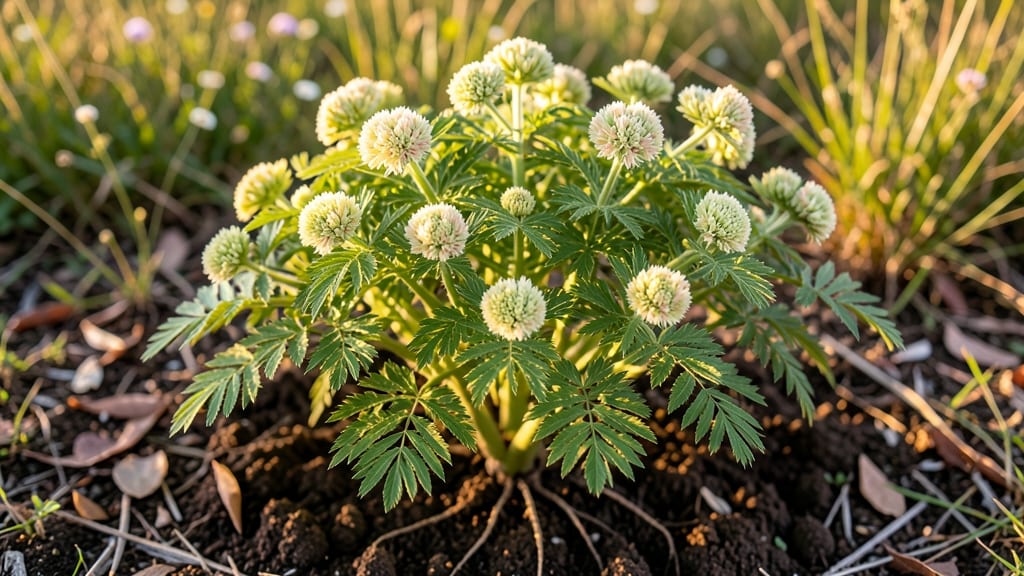
That flower that looks like a leaf you're staring at might actually be a snake plant—it fools everyone with its striking, leaf-like blooms. 🌱 I've had mine for years, and I still get messages asking if it's a succulent or some kind of modern art.
The secret? Those upright, sword-shaped "leaves" are actually modified leaves called phytotels—but the real showstopper is when they bloom in rare, fragrant white flowers that look like tiny trumpets.
The care routine is shockingly simple: bright, indirect light, water only when the soil is bone-dry, and a pot with drainage. Overwatering is the #1 killer, so I test soil moisture with my finger before reaching for the watering can.
Even my black thumb can't kill these—once established, they thrive on neglect.
What you'll end up with is a low-maintenance air purifier that removes toxins like formaldehyde and benzene while adding drama to any space. The plants grow taller over time, developing that iconic architectural shape, and the rare blooms (yes, they happen!) smell like vanilla.
Confession: I've propagated mine by dividing roots, and it's the easiest way to get more plants. Just separate the rhizomes in spring, pot them up, and watch them bounce back. Perfect for beginners or anyone who wants a plant that's basically indestructible.
Genetic Tricks Behind Leafy Blooms
Some plants pull off the ultimate optical illusion—flowers that mimic leaves so perfectly, they fool even seasoned gardeners! 🌿✨ For the Sansevieria trifasciata (snake plant) and other species, this quirky trait isn’t just a fluke; it’s often a survival strategy or genetic quirk.
Let’s break down the science behind why these "flowers" look more like foliage than blossoms.
In the wild, plants with subtle, leaf-like flowers avoid drawing attention to themselves—or their predators. Here’s how it works:
- Predator Avoidance: Bright, showy blooms attract pollinators and herbivores. Leafy flowers blend into the plant’s existing foliage, making them harder for insects or mammals to spot. 🐛🚫
- Energy Efficiency: Producing flashy petals requires extra resources (sugars, water). Leaf-like flowers skip the flash and invest energy in survival instead of flashy displays.
- Pollinator Strategy: Some plants lure pollinators (like moths or beetles) with scent or texture rather than color. Snake plants, for example, release fragrance at night to attract nocturnal pollinators—no need for a flashy billboard!
Actionable Tip: If your snake plant’s flowers look more like tiny leaves, don’t prune them—they’re still functional! Let them fade naturally to support the plant’s pollination goals.
Sometimes, a plant’s "leafy flowers" are the result of genetic glitches or breeding experiments. Here’s what’s happening:
| Cause | What It Means | Examples |
|---|---|---|
| Chimeric Mutations | Cells in the flower bud mix up their genetic instructions, causing parts of the bloom to grow like leaves. Think of it as a "copy-paste error" in the plant’s DNA. | Some Sansevieria cultivars with variegated or leaf-textured flowers. |
| Hybridization | Breeders cross plants to create new traits. If two parent plants have subtle, leaf-like blooms, their offspring might inherit the look. | Certain Dracaena or Zamioculcas hybrids with foliage-like inflorescences. |
| Juvenile Phase | Young plants sometimes produce immature flowers that resemble leaves before developing into typical blooms as they age. | Snake plants may start with tiny, leafy flower spikes that mature into the classic tubular shape. |
Pro Tip: If you’re growing from cuttings or seeds, observe the parent plant—leafy flowers may run in the genetics! 🔍
Believe it or not, stress can turn flowers into foliage. Here’s how:
- Light Deprivation: Low light forces plants to conserve energy by producing smaller, simpler structures. Snake plants in dim rooms may grow shriveled or leaf-like flower stalks instead of robust blooms.
- Nutrient Deficiencies: Lack of phosphorus or nitrogen (key for flower development) can cause buds to abort or resemble leaves. Yellowing leaves + leafy flowers = a cry for fertilizer!
- Temperature Shocks: Sudden cold or heat can disrupt flowering signals. Snake plants prefer 60–85°F—keep them stable to avoid "leafy blooms." ❄️🔥
Fix It:
- Move your plant to bright, indirect light (e.g., near an east-facing window).
- Fertilize with a balanced houseplant food (like 10-10-10) every 2–3 months.
- Avoid drafts—keep away from AC vents or heaters.
How to Fix Leaf-Like Flowers
If your snake plant is producing strange, leaf-like growths instead of its signature upright blades, don’t panic—there’s a solution! The key is to identify the root cause (literally and figuratively) and take targeted action.
Below, we break down the most common triggers and practical fixes to restore your plant’s health and encourage proper growth.
Fix: Adjust your watering routine and improve drainage.
- Stop Watering Immediately 💧
- Let the soil dry out completely between waterings. Stick your finger 2 inches into the soil—if it’s damp, wait longer.
- Repot for Better Drainage 🏺
- Use a pot with drainage holes (if not already present) and switch to a well-draining mix, like:
- 60% cactus/succulent soil
- 30% perlite or pumice
- 10% orchid bark (optional)
- Avoid heavy garden soil, which retains too much moisture.
- Use a pot with drainage holes (if not already present) and switch to a well-draining mix, like:
- Check for Root Rot 🔍 - Gently remove the plant from its pot and inspect the roots.
Healthy roots are firm and white; mushy or black roots mean rot. - If rot is present, trim affected roots with sterilized scissors, let the plant dry for 2–3 days, then repot in fresh soil.
💡 Prevention Tip:
- Water only when the soil is bone-dry (usually every 2–4 weeks, depending on humidity).
- Use a moisture meter to avoid guesswork.
Fix: Move your snake plant to brighter conditions.
- Assess Light Levels 📏
- Snake plants thrive in bright, indirect light (e.g., near an east- or west-facing window).
- If leaves are stretching or turning yellow, it’s not getting enough light.
- Relocate Gradually ☀️
- Avoid sudden moves to full sun, which can scorch leaves. Instead:
- Start with 2–3 hours of morning sun per day.
- Gradually increase exposure over 1–2 weeks.
- Avoid sudden moves to full sun, which can scorch leaves. Instead:
- Supplement with Grow Lights 💡
- If natural light is limited, use a full-spectrum LED grow light 10–12 inches above the plant for 6–8 hours daily.
💡 Prevention Tip:
- Rotate the pot occasionally so all sides get even light exposure.
Fix: Create a stable, snake-plant-friendly environment.
- Adjust Temperature ❄️☀️
- Ideal range: 60–85°F (15–29°C).
- Avoid drafts (AC vents, open windows in winter) or extreme heat (near radiators).
- Monitor Humidity 💦
- Snake plants prefer low to moderate humidity (40–50%).
- If your home is dry (e.g., winter heating), mist leaves lightly 1–2 times a month or use a pebble tray with water beneath the pot.
- Avoid Sudden Changes 🌡️
- Protect the plant from cold drafts or heat spikes (e.g., near fireplaces).
💡 Prevention Tip:
- Group plants together to create a microclimate with more stable humidity.
Fix: Balance soil nutrients and feeding habits.
- Flush the Soil 🚿
- Over-fertilizing can burn roots. Repot in fresh soil or flush the current soil by:
- Watering thoroughly with room-temperature water until it drains from the bottom.
- Repeat 2–3 times over a week.
- Over-fertilizing can burn roots. Repot in fresh soil or flush the current soil by:
- Adjust Fertilizer Use 🌱
- Use a balanced, diluted fertilizer (e.g., 10-10-10) only in spring and summer, every 8–12 weeks.
- Skip fertilizer in fall/winter—snake plants are dormant.
- Test Soil pH 📊
- Ideal pH: 6.0–7.5 (slightly acidic to neutral).
- Use a soil test kit to check and amend with lime (to raise pH) or sulfur (to lower it) if needed.
💡 Prevention Tip:
- Always water before fertilizing to prevent root burn.
Fix: Observe and wait (or prune if needed).
- Identify the Growth 🔍
- Some snake plants (like Sansevieria 'Futura Superba') produce pups that resemble leaves but are actually baby plants.
- Variegated varieties may develop solid green "revert" leaves—this is normal!
- Prune Unwanted Growth ✂️
- If the leaf-like growth is unsightly or stunted, snip it at the base with clean scissors.
- Do not prune more than 1/3 of the plant at once.
- Encourage Healthy Growth 🌿
- Focus on the mother plant’s care (light, water, nutrients). Healthy roots = better pups!
💡 Prevention Tip:
- If you want to propagate pups, gently separate them during repotting and root them in their own pots.
✅ Water only when soil is dry (no soggy roots!). ✅ Place in bright, indirect light (avoid dark corners). ✅ Use well-draining soil (never heavy clay). ✅ Fertilize lightly (or not at all in winter). ✅ Monitor temperature/humidity (keep it stable).
With these fixes, your snake plant should bounce back—and soon, you’ll see those glorious, air-purifying leaves returning! 🌱✨
Frequently asked questions
Why does my snake plant have growth that looks like leaves instead of flowers?
Those "leaf-like" growths are often pups (baby plants) or immature flower stalks. Snake plants rarely bloom indoors, but when they do, the flowers grow on tall spikes that can resemble leaves at first glance. If your plant is healthy, these are normal—just wait and see if they develop into proper blooms (or new plants!).
Can I propagate snake plant pups that look like leaves?
These pups are easy to propagate. Gently separate them from the mother plant during repotting, ensuring each has some roots. Plant them in well-draining soil and keep the soil lightly moist until they establish. Within a few weeks, they’ll grow into full-sized snake plants—just like the parent!
Are there other plants with flowers that look like leaves?
Yes! Besides snake plants, look for ZZ plants (Zamioculcas zamiifolia), peace lilies (Spathiphyllum), and peperomias. These plants often produce subtle, leaf-like growths that might confuse beginners. The key is to check for tiny details—like the texture or arrangement—that give them away as flowers!
How do I tell if my snake plant’s “leaves” are actually flowers?
True snake plant flowers grow on tall, thin stalks (up to 2–3 feet) and have a trumpet-like shape with a waxy texture. Leaf-like growths, on the other hand, will be broad, flat, and attached directly to the base. If you’re unsure, wait a few weeks—real flowers will develop further!
Will pruning leaf-like growths help my snake plant grow better?
Only prune if the growth is yellow, brown, or diseased. Healthy pups or flower stalks should stay put—they’re either new plants or potential blooms! If you remove them, you might stunt the mother plant’s growth. Let nature take its course unless there’s a clear issue.