
Planting
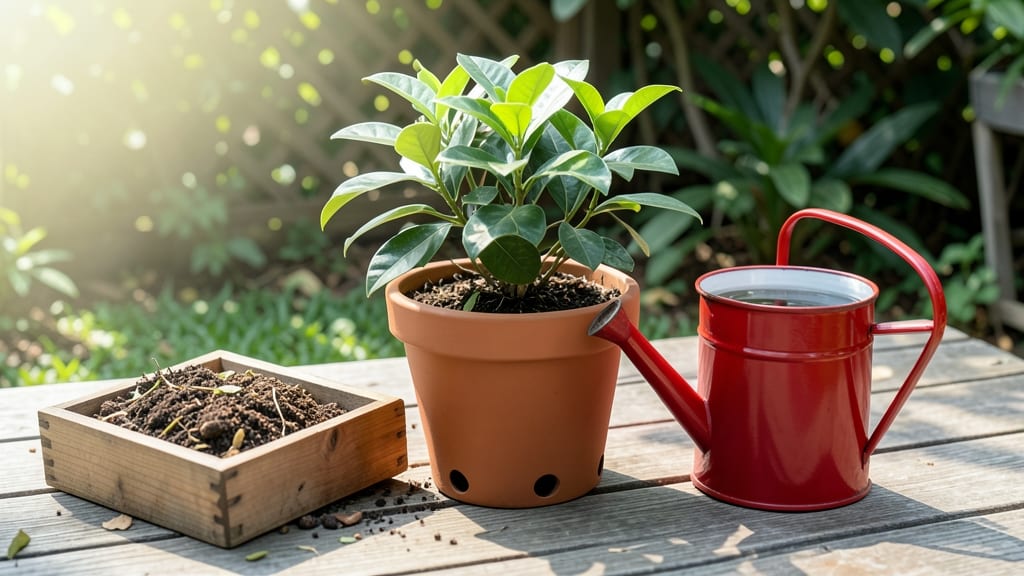
How to take care of a curry leaf plant means unlocking that fast, fragrant kitchen staple right on your windowsill. 🌿 I’ve grown mine for years, and the secret to lush, productive plants starts with sunlight—too little and it stretches; too much and it burns. The right balance turns this tropical shrub into a leaf-producing machine. You’ll need a sunny south-facing window (or grow lights) for 6+ hours daily, well-draining potting mix, and a pot with drainage holes. Water when the top inch of soil feels dry—overwatering is the #1 killer. Prune leggy stems in early spring to encourage bushier growth, and pinch back new growth to keep it compact. By summer, you’ll be snipping fresh curry leaves for cooking, with the plant staying productive for years. The aroma alone makes it worth the effort. Yellowing leaves? Usually overwatering or low light—adjust and watch it bounce back. Works for kitchens, balconies, or greenhouses. Here’s how to keep yours thriving all year.
📚 In This Guide
- What you need
- Instructions
- Tips and common mistakes
- Wrapping up and next steps
What you need
- ● Curry leaf plant: Seeds, cuttings (4–6 inches long with 2–3 leaves), or a young sapling (1–2 feet tall). Pro tip: Cuttings root faster than seeds!
- ● Well-draining potting mix: 2–3 gallons of a blend of coconut coir (50%), perlite (25%), and compost (25%). Avoid heavy clay soil.
- ● Pot or container: 12–18 inches in diameter (or larger for mature plants). Ensure it has drainage holes!
- ● Watering can or spray bottle: For gentle hydration—curry leaves hate soggy roots.
- ● Fertilizer: Balanced liquid fertilizer (10-10-10 or 20-20-20) or organic options like fish emulsion or compost tea.
- ● Pruning shears: Sharp, clean pair for trimming leggy growth or harvesting leaves.
- ○ Support (optional but helpful): A small trellis or bamboo stake if your plant grows tall (3–5 feet).
- ● Grow lights: LED full-spectrum lights (12–14 hours/day) if natural sunlight is limited.
- ● Humidity tray: A shallow tray with pebbles and water to boost humidity in dry climates.
- ● Mulch: Organic mulch (like straw or wood chips) to retain moisture and regulate soil temp.
- ● pH test kit: To monitor soil pH (ideal range: 6.0–7.0).
- ● Insecticidal soap: For battling pests like aphids or spider mites.
Step-by-Step guide to caring for your curry leaf plant
Here’s how to coax rapid, aromatic growth from your curry leaf plant—no guesswork, just proven techniques.
☀️ Step 1: Master Light Requirements for Vigorous Growth
Curry leaf plants thrive in bright, indirect sunlight for at least 6-8 hours daily. Place yours near an east-facing window where morning light is gentle but intense enough to fuel photosynthesis. South-facing windows work too, but filter the light with sheer curtains to prevent leaf scorch—you’ll spot this as crispy brown edges.
If indoor light is weak, supplement with a grow light positioned 12-18 inches above the plant. Keep it on for 12-14 hours daily to mimic natural daylight. Watch for leggy growth (stems stretching toward light) as your signal to adjust. Rotate the pot a quarter turn weekly so the plant grows evenly toward all sides.
💧 Step 2: Water Deeply but Avoid Soggy Roots
Water your curry leaf plant when the top 1-2 inches of soil feel dry to the touch. Stick your finger in—if it comes out clean, it’s time. Water thoroughly until liquid drains from the bottom, then empty the saucer to prevent root rot. Overwatering is the #1 killer of these tropical plants, so I err on the side of underwatering until I see wilting leaves.
Curry leaves are sensitive to chlorine, so use filtered or rainwater if possible. If you must use tap water, let it sit out for 24 hours before watering. You’ll know your watering routine is right when new leaves emerge plump and glossy, not yellow or drooping.
🌿 Step 3: Fertilize Lightly for Fragrant Leaves
Feed your plant every 4-6 weeks during spring and summer with a balanced liquid fertilizer (10-10-10 or 20-20-20) diluted to half-strength. Over-fertilizing burns roots and causes salt buildup, which you’ll spot as white crust on the soil surface. Flush the soil with water after fertilizing to rinse away excess salts.
In fall and winter, cut back to feeding every 8-12 weeks or stop entirely if the plant shows dormancy (slower growth, fewer leaves). The key is consistency—never let the soil stay bone dry between feedings. You’ll notice the difference in leaf aroma within 2-3 weeks of proper fertilization.
✂️ Step 4: Prune for Bushier, More Productive Growth
Prune your curry leaf plant in early spring to encourage bushiness. Cut back leggy stems by one-third just above a leaf node (where leaves meet the stem). This triggers branching and denser foliage. Remove any yellow or damaged leaves immediately—they drain energy from the plant.
Harvest leaves regularly by snipping individual leaves from the stem. Never take more than one-third of the plant at once, or you’ll stunt new growth. The best leaves are the younger, lighter-green ones near the tips. After harvesting, give the plant a light misting to reduce stress and encourage faster regrowth.
🪴 Step 5: Repot When Roots Outgrow the Container
Curry leaf plants need repotting every 2-3 years or when roots circle the pot’s bottom. Choose a container just 1-2 inches larger in diameter—bigger pots hold too much moisture and risk root rot. Use a well-draining potting mix with perlite or sand to improve aeration.
Gently remove the plant, loosen tangled roots with your fingers, and place it in the new pot. Fill gaps with fresh soil and water lightly. The first few weeks after repotting are critical—keep the plant in bright, indirect light and avoid fertilizing until new growth appears. You’ll know it’s settled in when fresh leaves emerge within 3-4 weeks.
Tips & tricks for perfect curry leaf plant care
Took me years to figure out these tricks—here's how to accelerate your curry leaf plant's growth and keep those leaves fragrant for months.
Light Positioning: That 6-8 hours of bright, indirect light is non-negotiable, but here's the secret: move your plant every 2-3 weeks to prevent one-sided growth. I place mine near my east window in the morning, then rotate it to face south by afternoon. This mimics natural sunlight patterns and prevents those unsightly lopsided stems.
Soil Moisture Test: The finger-check method in Step 2 works, but I've found a more precise trick: use a wooden chopstick inserted 1-2 inches deep. If it comes out dry, water thoroughly. If it's damp, wait another day. This prevents the guesswork that leads to overwatering—my biggest early mistake was drowning these tropical plants!
Fertilizer Timing: Those 4-6 week intervals during growing season are perfect, but here's what I do differently: I always fertilize in the morning when the plant is actively photosynthesizing. This gives the roots maximum time to absorb nutrients before the next watering. I also mix a pinch of Epsom salt (magnesium sulfate) into the fertilizer—it enhances chlorophyll production and makes those leaves even more vibrant.
Pruning Precision: When you're cutting back those leggy stems by one-third, focus on removing stems that are growing away from the center. These are the ones that won't contribute to bushier growth. I always sterilize my pruning shears with rubbing alcohol between cuts to prevent bacterial infections—especially important for tropical plants with sensitive foliage.
Pro Tips for Take Care Of Curry Leaf Plant
- Took me years to figure out these tricks—here's how to accelerate your curry leaf plant's growth and keep those leave...
- Light Positioning: That 6-8 hours of bright, indirect light is non-negotiable, but here's the secret: move your plant...
- Soil Moisture Test: The finger-check method in Step 2 works, but I've found a more precise trick: use a wooden chopst...
Frequently asked questions
Got questions about your curry leaf plant? You’re not alone! Here are answers to the most common concerns—from pruning to pests—to keep your fragrant green friend thriving.
How often should I prune my curry leaf plant?
Prune your curry leaf plant every 3–4 months to encourage bushier growth and better leaf production. Focus on removing yellow or damaged leaves and trimming back overgrown branches. Always use sterilized scissors to avoid infections. Pro tip: Prune after the monsoon season for optimal recovery!
Why are my curry leaves turning yellow?
Yellow leaves usually signal overwatering, nutrient deficiency, or fungal issues. Check the soil—it should be slightly moist but not soggy. If roots smell rotten, repot in fresh, well-draining soil. For yellowing edges, boost potassium with a balanced fertilizer. Pro tip: Ensure 6–8 hours of sunlight daily to prevent stress!
Can I grow curry leaves in a pot indoors?
Use a 12–15 inch pot with drainage holes and a mix of garden soil, sand, and compost. Place near a sunny window (south-facing is ideal) or under grow lights for 4–6 hours daily. Rotate the pot weekly for even growth. Pro tip: Mist leaves occasionally to mimic humidity!
How do I get rid of pests like aphids or mealybugs?
Start with a neem oil spray (mix 1 tsp neem oil + 1L water + a drop of dish soap). Spray early morning or evening to avoid leaf burn. For severe infestations, wipe leaves with a soapy water cloth (1 tsp mild soap per liter). Keep your plant well-ventilated to deter pests. Pro tip: Introduce ladybugs for natural pest control!
How long does it take for a curry leaf plant to bear leaves?
With proper care, a healthy sapling will sprout leaves in 4–6 weeks. Mature plants (1–2 years old) produce fragrant leaves year-round. Speed up growth by ensuring bright indirect light and fertilizing every 2 months during the growing season. Pro tip: Harvest leaves sparingly until the plant is 1–2 feet tall!
What’s a good alternative if curry leaves are hard to grow?
If curry leaves prove tricky, try cilantro, mint, or basil for similar culinary benefits. For a fragrant leafy green, stevia or purslane are easy alternatives. If you’re set on curry flavor, dried curry powder or fresh curry paste can substitute in cooking. Pro tip: Grow lemon grass—it’s just as resilient and aromatic!
Wrapping up and next steps
Taking care of your curry leaf plant is easier than you think—just follow the sunlight secrets, proper soil, and a little patience! With the right balance of warmth, water, and nutrients, you’ll soon enjoy fresh, fragrant leaves for cooking and natural remedies. 🌿
Ready to see your plant thrive? Start by monitoring its growth and adjusting care as needed. Share your progress with fellow plant lovers or even gift a cutting to a friend—your green thumb is growing stronger every day! 🌟