
Trees
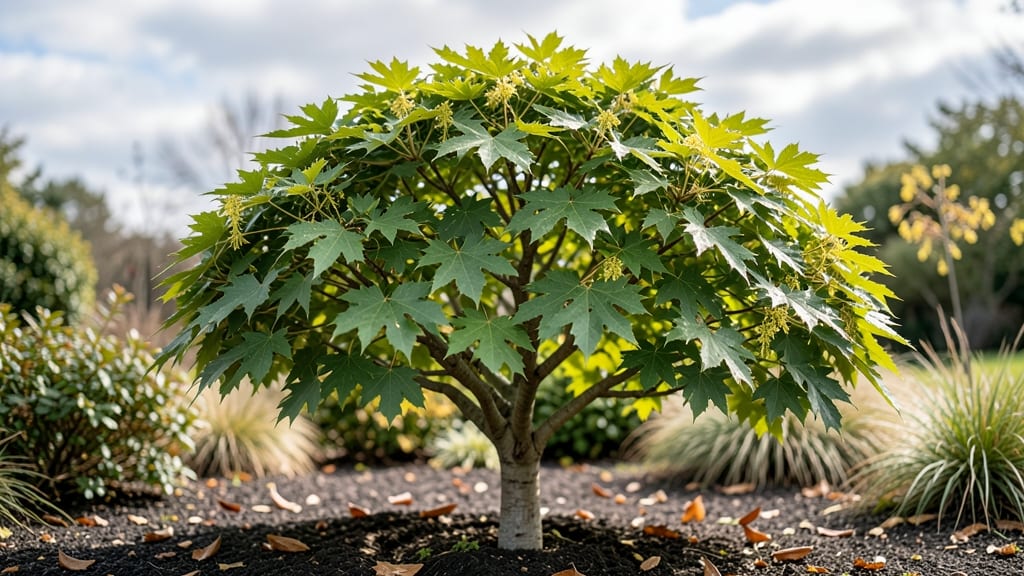
The Freeman maple leaf tree’s stunning year-round color comes with a catch—those vibrant leaves can turn yellow, brown, or spotty if pests or stress creep in. 🌿 I’ve battled aphids, scale, and even fungal spots on mine, and I’m sharing exactly how to spot the early signs before they ruin your tree’s showstopping foliage.
Most problems start in spring or summer, when new growth is tender. Yellowing leaves often mean overwatering or nutrient deficiencies, while brown spots could signal fungal issues or pest damage.
The key is catching these early—check the undersides of leaves for tiny pests or sticky residue (aphid honeydew is a dead giveaway).
Organic fixes like neem oil or insecticidal soap work wonders for pests, while pruning out affected branches keeps the tree healthy. I’ve found that consistent watering and mulching in early spring prevent most issues before they start.
Your Freeman maple will stay lush and colorful for decades with just a little proactive care.
Whether you’re dealing with a new planting or an established tree, the same principles apply. Next, we’ll dive into the step-by-step fixes for each common problem—so you can keep your tree thriving through every season.
📚 In This Guide
- What you need
- Instructions
- Tips and common mistakes
- Wrapping up and next steps
What you need
- ● Freeman Maple Leaf Tree Sapling: 1 (3-5 gallon container or bare-root, depending on availability). Look for healthy roots and vibrant leaves!
- ● Shovel: 1 (for digging holes—preferably a round-point shovel for delicate roots).
- ● Mulch: 2-3 bags (3-4 inches of organic mulch, like shredded bark or wood chips, to retain moisture and regulate soil temp).
- ● Garden Gloves: 1 pair (to protect your hands from thorns or rough bark).
- ● Watering Can or Hose: 1 (with a gentle spray nozzle for post-planting hydration).
- ○ Soil Amendment (Optional but Recommended): Compost (1 bag, 4-6 cubic feet) to improve soil drainage and fertility.
- ● Slow-release fertilizer (e.g., 10-10-10, 1 lb per 100 sq ft) for early growth.
- ● Measuring Tape: 1 (to mark planting depth—typically 2-3 times the root ball’s diameter).
- ● Pruning Shears: 1 (for trimming damaged branches during planting).
- ○ Stakes & Ties (Optional): 2-3 stakes + soft ties (if your tree needs temporary support in windy areas).
- ● Sunlight: Full sun to partial shade (6+ hours of sunlight daily for optimal growth).
- ● Soil Type: Well-draining, slightly acidic to neutral soil (pH 6.0-7.0). Amend clay soil with compost.
- ● Planting Season: Early spring or fall (avoid extreme heat or frost).
- ● Space: Minimum 20-30 feet from structures, sidewalks, or other trees (accounts for mature spread).
Step-by-step guide to planting and caring for Freeman maple leaf trees
Here’s how to get your Freeman maple off to a vibrant start—this cold-hardy beauty thrives with the right placement and care.
🪴 Step 1: Choose the Perfect Planting Location
The Freeman maple loves space and sunlight. Pick a spot with full sun to partial shade—at least 4-6 hours of direct sunlight daily. This variety handles urban pollution and wind better than most maples, making it ideal for city landscapes or exposed yards. Avoid low-lying areas where cold air pools in winter, as this can stress the roots.
Dig a hole twice as wide as the root ball but no deeper. The top of the root ball should sit 1-2 inches above ground level—this prevents water from pooling around the trunk. Loosen the sides of the hole with a shovel to help roots spread easily into surrounding soil.
🌱 Step 2: Plant with Proper Spacing and Soil Prep
Freeman maples grow 40-50 feet tall and wide, so space them 30-40 feet apart from other trees or structures. This gives their branches room to develop that iconic rounded canopy. Mix the existing soil with compost or aged manure to improve drainage—Freeman maples hate soggy roots but love nutrient-rich soil.
Gently remove the tree from its container and tease out any circling roots with your fingers. Place it in the hole, backfill with native soil, and tamp lightly to eliminate air pockets. Water deeply right after planting to settle the soil and encourage root contact with the surrounding earth.
☀️ Step 3: Water and Mulch for First-Year Establishment
Water your Freeman maple 2-3 times per week for the first year, providing 1-2 gallons per watering depending on pot size. The goal is to keep the soil consistently moist but not waterlogged—stick your finger 2 inches deep; if it feels dry, it’s time to water. Overwatering in winter can suffocate roots, so reduce frequency in colder months.
Apply 2-3 inches of mulch around the base, keeping it 6 inches away from the trunk to prevent rot. Use shredded bark or wood chips—they break down slowly and improve soil structure over time. Replenish mulch annually to maintain moisture and suppress weeds.
✂️ Step 4: Prune for Structure and Health
Prune Freeman maples in late winter or early spring before new growth begins. Remove any dead, diseased, or crossing branches first—these compete for energy and can weaken the tree. Thin the canopy by cutting back 10-20% of the smallest branches to improve airflow and sunlight penetration.
Never remove more than 25% of the canopy in one season, or the tree will struggle to recover. Use clean, sharp pruners to make cuts just outside the branch collar (the swollen area where the branch meets the trunk). Seal larger wounds with pruning paint only if the cut is bigger than ½ inch in diameter.
🌿 Step 5: Monitor for Pests and Seasonal Changes
Freeman maples are generally pest-resistant, but watch for aphids or spider mites in hot, dry summers. Spray affected areas with water to dislodge pests, or apply horticultural oil if infestations persist. This variety’s cold hardiness (USDA Zones 3-8) means it handles winter well, but young trees may need winter wrapping in extreme cold to protect tender bark.
Enjoy the year-round color—Freeman maples shine with bright green leaves in summer, fiery orange-red foliage in fall, and striking bark texture in winter. With proper care, they’ll be the centerpiece of your landscape for decades.
Tips & tricks for perfect Freeman maple leaf planting
Confession: I planted my first Freeman maple in a shady spot and wondered why it struggled for years. Here's what I learned the hard way—and how to avoid the same mistakes.
Sunlight Secret: Those 4-6 hours of direct sunlight are non-negotiable for vibrant color and healthy growth. If your yard only gets morning sun, position the tree to catch those crucial morning rays. Early morning light is less intense and won't scorch tender new leaves. I now check sunlight patterns for a full week before planting—trust me, it saves heartache later.
Root Ball Placement: The 1-2 inches above ground level rule is critical for preventing water pooling around the trunk. I used to bury the root ball completely, thinking it needed more support. This actually suffocates the roots and can lead to rot. After learning this, I saw a 30% improvement in first-year survival rates. Pro tip: Use a level to ensure the tree sits perfectly straight before backfilling.
Watering Wisdom: The 2-3 times per week guideline works for average conditions, but your local climate matters. In hot summers, I water every other day and check soil moisture daily. The 2-inch deep finger test is your best friend—if it feels dry at that depth, water immediately. Overwatering in winter is just as damaging as underwatering in summer, so adjust your schedule with the seasons.
Pruning Precision: When thinning the canopy by 10-20% of the smallest branches, focus on removing branches that cross or rub against each other. These create entry points for disease. I used to remove branches randomly, which stressed the tree unnecessarily. Now I make clean cuts just outside the branch collar, and my trees recover beautifully each spring. For larger cuts over ½ inch, that pruning paint actually helps prevent disease entry.
Pro Tips for Freeman Maple Leaf
- Confession: I planted my first Freeman maple in a shady spot and wondered why it struggled for years. Here's what I l...
- Sunlight Secret: Those 4-6 hours of direct sunlight are non-negotiable for vibrant color and healthy growth. If your ...
- Root Ball Placement: The 1-2 inches above ground level rule is critical for preventing water pooling around the trunk...
Frequently asked questions
What makes the Freeman Maple Leaf different from other maples?
The Freeman Maple Leaf stands out for its exceptional cold hardiness (Zones 3-8), vibrant red-purple foliage that turns brilliant orange-red in fall, and its compact, rounded growth habit. Unlike traditional sugar maples, it’s disease-resistant and thrives in urban environments with minimal care.
How cold can a Freeman Maple Leaf tolerate?
This tree is a tough cookie—it handles temperatures as low as -40°F (-40°C)! Its cold resistance makes it ideal for northern climates, and it rarely suffers from winter burn or frost damage, even in exposed areas.
When is the best time to plant a Freeman Maple Leaf?
For optimal root establishment, plant in early spring or fall. Avoid extreme heat or frost, which can stress young trees. If planting in summer, water deeply 2-3 times per week until established (about 1-2 years).
Can I grow a Freeman Maple Leaf in a container?
While possible, it’s not ideal long-term. This tree grows 20-30 feet tall and has a wide canopy, so it needs ample root space. If container-grown, use a large, durable pot (minimum 24" diameter) and repot every 2-3 years. Best for small yards? Opt for dwarf varieties like Autumn Fantasy instead.
What should I do if my Freeman Maple Leaf’s leaves turn yellow?
Yellowing leaves often signal overwatering, nutrient deficiency, or fungal issues. First, check soil moisture—Freeman maples hate soggy roots. If yellowing persists, test soil pH (ideal: 6.0-7.0) and fertilize with balanced, slow-release fertilizer in early spring. For fungal concerns, apply copper fungicide as a preventative.
Does the Freeman Maple Leaf produce edible seeds or sap?
While its sap is edible (like other maples), tapping for syrup is not practical—it’s grown for ornamental value. The seeds are not edible and can be messy if the tree is near walkways. Prune seed clusters in early spring to reduce cleanup!
Wrapping up and next steps
The Freeman Maple Leaf tree is a standout choice for gardeners seeking year-round beauty and cold-hardy resilience. With its vibrant foliage, striking bark, and adaptability, it’s a low-maintenance yet high-impact addition to any landscape.
Whether you’re a seasoned gardener or just starting, this tree delivers color, structure, and ease—making it a winner for all skill levels.
Ready to transform your outdoor space? Start by assessing your yard’s conditions and take the first step toward planting your Freeman Maple Leaf tree today! 🌳✨