
Neem Oil
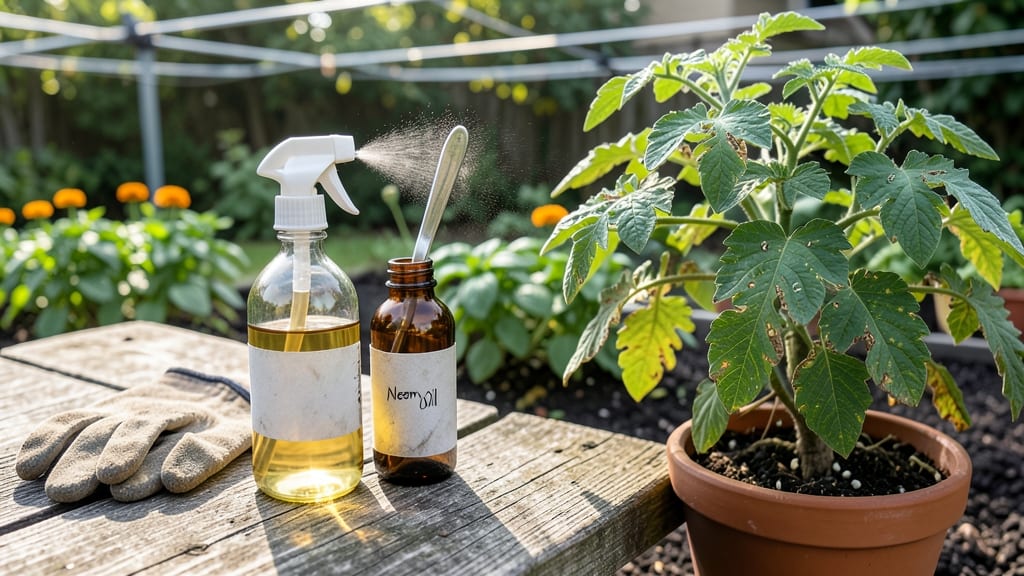
When leaf miners turn your plants into skeleton leaves, neem oil is your organic game-changer. 🌱 I've seen it work in just 24 hours—the telltale white squiggles fade, and new growth stays untouched. The key is timing and technique, not just spraying.
Most gardeners overlook the importance of even coverage and proper dilution. Too strong, and you risk burning foliage; too weak, and the miners keep munching. I learned this the hard way with my basil last summer. The right mix stops the damage while keeping your plants happy.
By the end of your first treatment, you'll notice fewer tunnels and healthier leaves. The real win? No harsh chemicals lingering in your garden. Just a few applications, and your plants bounce back stronger than ever.
Works for tomatoes, peppers, and even houseplants—just adjust the spray frequency based on the infestation. Let's get those miners out for good!
Root Causes of Leaf Miner Infestations
Leaf miners are a persistent challenge for gardeners and farmers, but understanding why they strike can help you prevent—or even outsmart—them. These tiny pests don’t just appear out of nowhere; they’re drawn to specific conditions that make your plants irresistible.
Let’s break down the key factors that turn your greenery into a leaf miner buffet.
Leaf miners target plants that are already struggling. When plants are stressed—whether from poor nutrition, disease, or environmental factors—their natural defenses weaken, making them prime targets.
- Nutrient Deficiencies: Plants lacking essential nutrients (like nitrogen, phosphorus, or potassium) produce thinner, weaker leaves. Leaf miners detect this vulnerability and lay their eggs on the undersides, where larvae can easily burrow in. - Water Stress: Overwatering or underwatering both create ideal conditions.
Too much moisture softens leaves, making them easier to penetrate, while drought-stressed plants release volatile organic compounds (VOCs) that attract pests. - Disease Presence: Fungal or bacterial infections (like powdery mildew or bacterial leaf spot) create entry points. Leaf miners exploit these damaged areas, accelerating decay.
Pro Tip: 💡 Conduct a soil test to check nutrient levels and adjust fertilization. Mulching can also stabilize soil moisture, reducing stress signals that attract pests.
Leaf miners thrive in specific climates and microclimates. Warm temperatures, high humidity, and sheltered spots create the perfect breeding ground.
- Warmth & Sunlight: Most leaf miners (like Liriomyza species) prefer temperatures between 70–85°F (21–29°C). Greenhouses, conservatories, or south-facing gardens with afternoon sun provide ideal warmth. - Humidity: High humidity (especially above 60%) keeps eggs and larvae hydrated.
Greenhouses and dense foliage trap moisture, accelerating their lifecycle. - Sheltered Leaves: Leaf miners avoid exposed leaves. They favor: - Undersides of leaves (where predators like birds or wasps can’t reach). - Compact or bushy plants (like basil, beans, or citrus) where airflow is poor.
Actionable Fix: 🌡️ Improve airflow with pruning and spacing plants 12–18 inches apart. Use shade cloth in hot climates to prevent overheating.
Leaf miners reproduce fast—some species complete a full lifecycle in just 2–3 weeks. This exponential growth means a few eggs can turn into a full-blown infestation overnight.
- Egg Laying: Adult females deposit eggs on leaf undersides using a specialized ovipositor. They target young, tender leaves first. - Larval Feeding: Once hatched, larvae tunnel between leaf layers, creating serpentine mines.
They molt 3–4 times before pupating. - Pupation & Emergence: Pupae form on leaves or soil, emerging as adults in 7–10 days—ready to start the cycle again.
Warning Sign: ⏰ If you notice white eggs or tiny black specks on undersides, act immediately. A single generation can destroy a plant in weeks.
Not all plants are equally tempting to leaf miners. Some are magnets, while others are naturally resistant. Knowing which plants are high-risk helps you prioritize prevention.
| High-Risk Plants | Moderate Risk | Low-Risk (Resistant) |
|---|---|---|
| Basil | Tomatoes | Marigolds |
| Beans | Peppers | Nasturtiums |
| Citrus | Eggplant | Garlic |
| Cole Crops (cabbage, etc.) | Spinach | Onions |
| Celery | Lettuce | Thyme |
Strategy: 🎯 Interplant high-risk crops with resistant varieties (like marigolds or garlic) to disrupt leaf miner behavior. Rotate crops annually to break their lifecycle.
Sometimes, our gardening habits invite leaf miners. Unintentional mistakes can turn a small problem into a full-blown crisis.
- Over-Fertilizing with Nitrogen: While nitrogen boosts growth, it also makes leaves softer and more appealing to larvae.
Use a balanced fertilizer (10-10-10) instead. - Ignoring Early Signs: Tiny white eggs or faint trails are often missed until mines appear. Weekly inspections (especially on undersides) catch infestations early. - Bringing in Infested Plants: Purchasing or transplanting infected plants spreads leaf miners.
Quarantine new plants for 2 weeks before introducing them to your garden.
Pro Tip: 🔥 Use blue sticky traps near plants to monitor adult fly activity. If you catch even a few, treat immediately.
Quick Fixes for Leaf Miner Damage
Leaf miners can turn your lush plants into a skeleton of their former selves, but with the right approach, you can stop the damage fast—and even save your plants. Neem oil is your secret weapon, but knowing how to use it (and when) makes all the difference.
Below, we break down the best ways to tackle leaf miners, from immediate fixes to long-term prevention, so you can reclaim your garden without harsh chemicals.
If you’ve just spotted the first signs—tiny white trails, speckled leaves, or frass (the miners’ poop!)—you’re in luck. Early intervention means less damage and easier treatment.
🌿 Step 1: Isolate the Problem - Remove heavily infested leaves with a pair of clean pruners or your fingers (wear gloves if you’re squeamish).
Drop them into a sealed bag and toss them in the trash—do not compost, or you’ll risk spreading the eggs. - Check nearby plants—leaf miners love to hop from plant to plant. Inspect leaves thoroughly, especially the undersides where larvae hide.
🍃 Step 2: Neem Oil Spray (The Game-Changer)
Neem oil disrupts the leaf miners’ life cycle by:
- Smothering larvae on contact
- Repelling adult flies before they lay eggs
- Breaking down their protective layers
How to apply it effectively:
- Mix your solution: Combine 1 tablespoon of neem oil with 1 teaspoon of mild liquid soap (like Castile soap) and 1 quart of water. The soap helps the oil stick to leaves.
- Spray thoroughly: Focus on the undersides of leaves (where larvae hide) and the top surfaces. Use a fine mist setting on your sprayer for even coverage.
- Reapply every 5–7 days for 2–3 weeks, or until you see no new damage. Consistency is key—leaf miners are persistent!
> 💡 Pro Tip: Spray in the early morning or late evening to avoid burning leaves in direct sunlight. Also, shake the bottle well before each use—neem oil separates!
If your plants are already skeletonized, you’ll need a combination of treatments to starve out the miners and protect new growth.
🔥 Step 1: Physical Removal + Beneficial Insects - Handpick larvae: For small plants, run your fingers along the undersides of leaves to feel for wiggly larvae.
Drop them into soapy water to kill them instantly. - Introduce predators: Ladybugs, lacewings, and parasitic wasps (like Diglyphus isaea) eat leaf miner larvae. Buy them online or attract them with neem oil-free plants like dill, fennel, or yarrow.
🍳 Step 2: Strengthen Your Neem Oil Routine - Add diatomaceous earth (DE): Sprinkle food-grade DE lightly on soil around the base of plants. It’s a natural abrasive that dehydrates larvae crawling on the ground.
Reapply after rain. - Boost with garlic or chili spray: Mix 1 chopped garlic clove + 1 tablespoon cayenne pepper into your neem solution for extra repellent power. The strong scent confuses adult flies.
⏰ Step 3: Monitor and Repeat
- Check daily for new frass or eggs (tiny yellow dots on leaves).
- Rotate treatments: Alternate neem oil with kaolin clay (a physical barrier) or insecticidal soap to prevent resistance.
Once you’ve won the battle, don’t let your guard down. These simple habits will keep your plants miner-free:
🌡️ Maintain Plant Health
- Water deeply but less often: Overwatering stresses plants, making them more vulnerable. Aim for 1 inch of water per week (adjust for climate).
- Fertilize wisely: Too much nitrogen = soft, tasty leaves that miners love.
Use a balanced organic fertilizer (like compost or fish emulsion) in spring and summer.
🎯 Garden Hygiene
- Clean up debris: Remove fallen leaves, dead plants, and mulch from the base of plants—these are hiding spots for pupae.
- Rotate crops: If you grow vegetables like basil, beans, or tomatoes (leaf miner favorites), change their location each year to break the cycle.
🔍 Early Detection
- Inspect new plants: Before bringing home nursery starts, give them a quick leaf-by-leaf check. Quarantine new plants for a week to monitor for pests.
- Use yellow sticky traps: Place them near infested areas to catch adult flies before they lay eggs.
- For houseplants: Wipe leaves with a neem oil-soaked cloth instead of spraying to avoid over-wetting soil.
- Combine with horticultural oil: Mix 1 part neem oil + 1 part horticultural oil for extra smothering power (test on a small area first).
- Preventative spray: Apply neem oil every 2 weeks during peak miner season (spring to early summer) to deter infestations before they start.
With these strategies, you’ll not only stop leaf miners in their tracks but also protect your plants long-term—all while keeping your garden chemical-free. 🌿💪
Frequently asked questions
How quickly will I see results after using neem oil?
You may notice a reduction in new damage within 24-48 hours, but complete control typically takes 2-3 weeks of consistent applications. The oil disrupts the miners' life cycle, so you'll see fewer eggs and larvae over time. For severe infestations, combine with physical removal of infested leaves.
Can I use neem oil on edible plants like tomatoes or herbs?
Yes, neem oil is safe for edible plants when used properly. Wait 24 hours after spraying before harvesting leaves or fruits. Always use the recommended dilution (1 tablespoon per quart of water) and avoid spraying flowers to protect pollinators. Organic-certified neem oil is ideal for home gardens.
What's the best time of day to apply neem oil?
Apply in the early morning or late evening when temperatures are below 85°F (29°C). This prevents leaf burn from direct sunlight and allows the oil to work overnight. Avoid spraying when dew is present, as moisture can wash away the treatment. Shake the bottle well before each use—neem oil separates!
Will neem oil kill beneficial insects too?
Neem oil primarily targets soft-bodied insects like leaf miners while being less harmful to bees and ladybugs. However, it can affect beneficial insects if overused. To protect pollinators, apply only when flowers aren't open and avoid spraying bees directly. For extra safety, alternate with insecticidal soap or kaolin clay treatments.
How do I know if my leaf miner problem is severe enough for neem oil?
Look for these signs: white serpentine trails, tiny black specks (pupae), or frass (miner poop). If you see more than 10% of leaves damaged or new mines appearing daily, neem oil is your best organic solution. For early-stage infestations, handpicking larvae and improving plant health may suffice. Check undersides of leaves regularly!