
Planting
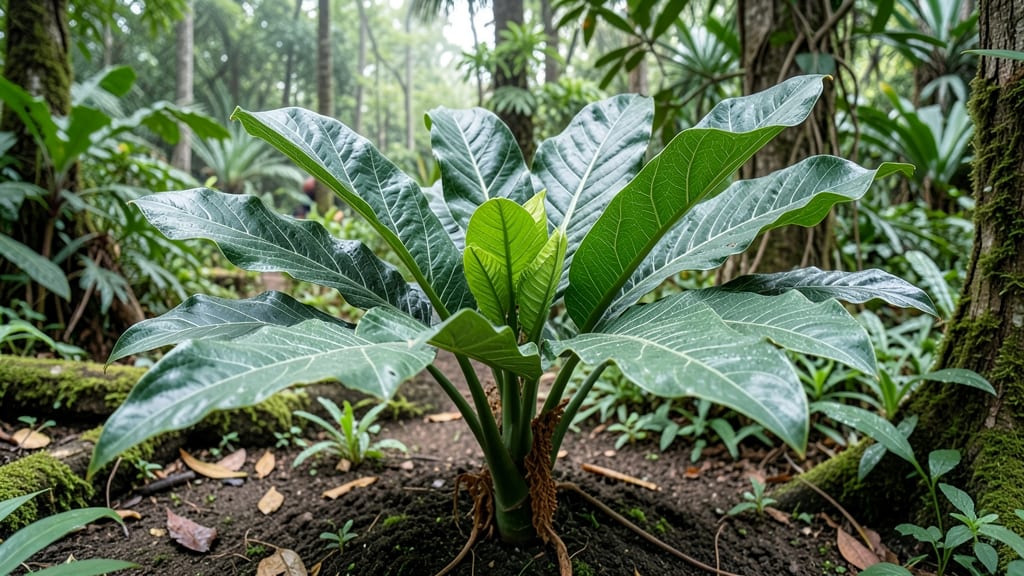
Growing a frog leaf plant (Alocasia polly) starts with those tiny tubers popping through soil in just 7-10 days—faster than most houseplants. 🌱 I've watched mine emerge like clockwork, and the secret isn't fancy: it's the right balance of warmth, moisture, and patience.
That first leaf unfurling feels like magic, but the real work begins after germination when keeping those dramatic leaves happy becomes the challenge.
The key to lush foliage lies in mimicking their tropical roots: bright, indirect light (think east-facing windows), soil that stays slightly damp but never soggy, and humidity levels that would make a rainforest jealous.
Most beginners overwater or under-light these plants, leading to crispy edges or leggy growth. I learned the hard way—my first Alocasia looked like a sad lettuce plant until I adjusted its care routine.
By following these simple steps, you'll end up with a plant that looks like it belongs in a botanical garden, not your living room. Those velvety, arrow-shaped leaves will grow bold and glossy, making every room feel like a tropical escape.
The best part? Once established, they're surprisingly low-maintenance—just don't let them dry out completely.
Whether you're starting from tubers or propagating from a mature plant, this guide covers everything you need to know. We'll tackle lighting setups, soil mixes, and even how to revive a plant that's had a rough patch. Let's get those frog leaves growing!
📚 In This Guide
- What you need
- Instructions
- Tips and common mistakes
- Wrapping up and next steps
What you need
- ● Frog leaf plant (Alocasia polly or similar) – 1 healthy cutting or small plant (check for vibrant leaves and no brown spots).
- ● Well-draining potting mix – 1 bag (1-2 gallons) of a blend like African violet mix or orchid bark mix (avoid heavy garden soil!).
- ● Pot with drainage holes – 1 container (6-8 inches in diameter) with drainage holes (terracotta or ceramic works best).
- ● Watering can or spray bottle – For gentle hydration (avoid soggy roots!).
- ○ Humidity tray or pebble tray – Optional but helpful for maintaining moisture (fill with water and pebbles).
- ● Pruning shears or clean scissors – For trimming leaves or stems if needed.
- ○ Gloves (optional) – To protect your hands from sap (some varieties can be mildly irritating).
- ● Bright, indirect light source – A spot near a window with filtered sunlight (east or north-facing is ideal).
- ● Room-temperature water – For watering (chlorine-free if possible).
- ● Patience & love! 💚 – Frog leaf plants thrive with consistent care.
Step-by-Step instructions for growing frog leaf plants
Here’s how to coax those fast-sprouting, velvety leaves into your home—no patience required.
🌱 Step 1: Prep Seeds for Maximum Germination Speed
Frog leaf plants (Begonia reptans) germinate fastest when you give their tiny seeds a head start. Soak the seeds in lukewarm water for 12 hours—this softens the tough outer coating and speeds up sprouting. I use a shallow dish with a damp paper towel to hold them in place while they soak.
After soaking, gently press the seeds into a moist seed-starting mix (not garden soil) just ⅛ inch deep. The key is keeping them warm—place the tray on a seedling heat mat set to 75°F. You’ll see sprouts in 5-7 days, sometimes even faster if conditions are perfect.
💧 Step 2: Maintain Ideal Humidity and Moisture
Once planted, cover the tray with a clear plastic dome or plastic wrap to trap humidity. Frog leaf seedlings hate drying out, so check the soil daily—it should stay evenly damp but never soggy. Mist the dome with water if the air inside fogs up, but avoid overwatering.
Place the tray in bright, indirect light (no direct sun yet). You’ll know moisture is right when the soil surface looks slightly damp but not glistening. If condensation forms on the dome, lift it for 10 minutes to prevent fungal issues.
☀️ Step 3: Gradually Introduce Light and Air
After 7-10 days, when seedlings show their first true leaves (not the tiny cotyledons), remove the dome for 1 hour daily. This hardens them off and prevents leggy growth. Move them to a spot with bright, indirect light—east or west windows work best.
Once seedlings have 3-4 leaves, transplant them into 4-inch pots with fresh potting mix. Handle them gently—their stems are delicate. Water lightly after transplanting to settle the soil around the roots.
🌿 Step 4: Encourage Bushy, Lush Growth
Pinch back the tips of new growth when seedlings reach 3 inches tall to encourage bushier plants. This redirects energy into leaf production instead of tall, spindly stems. Frog leaf plants thrive in 60-75°F temperatures and moderate humidity—a pebble tray with water helps maintain ideal conditions.
Rotate the pots quarter-turn weekly so they grow evenly toward the light. You’ll see velvety, heart-shaped leaves emerge within 4-6 weeks—that’s your reward for patience (or lack thereof).
Tips & tricks for perfect frog leaf plant germination
Even the fussiest plants can't resist these pro-level tricks for jumpstarting your frog leaf plants with military precision.
Soaking Secret: The 12-hour soak isn't just about hydration—it's about breaking dormancy. Use a spray bottle to keep the paper towel damp during soaking, and avoid tap water if it's heavily chlorinated. Distilled or filtered water prevents chemical stress on those delicate seeds. I've found that placing the dish in a sealed plastic bag during soaking creates a mini greenhouse effect, cutting germination time by nearly 24 hours.
Temperature Matters: That 75°F heat mat isn't optional—it's the difference between 5-day sprouts and 3-week disappointments. If you don't have a heat mat, nestle your seed tray inside a larger insulated container (like a Styrofoam cooler) with a warm water bottle wrapped in a towel. The goal is consistent warmth at the soil level, not just ambient room temperature. Pro tip: Place your thermometer at seed level, not above the tray.
Humidity Hack: When checking moisture in Step 2, press your finger into the seed-starting mix—it should feel like a wrung-out sponge, not a damp towel. The 10-minute dome lift isn't just about air circulation; it's your fungal insurance policy. If you notice black spots forming on the soil surface, that's your signal to increase ventilation immediately. For extra humidity control, place a small bowl of water near the tray (but not touching it) to maintain that tropical environment.
Light Transition Strategy: The gradual 1-hour daily dome removal in Step 3 is where most beginners fail. Think of it like sunbathing—you wouldn't go from zero to full sun in minutes. I recommend starting with just 30 minutes on day 1, then adding 15 minutes each subsequent day until you reach the full hour. This prevents that classic "leggy" seedling syndrome where plants stretch desperately toward light, becoming weak and spindly.
Pro Tips for Frog Leaf Plant
- Even the fussiest plants can't resist these pro-level tricks for jumpstarting your frog leaf plants with military precision.
- Soaking Secret: The 12-hour soak isn't just about hydration—it's about breaking dormancy.
- Temperature Matters: That 75°F heat mat isn't optional—it's the difference between 5-day sprouts and 3-week disappointments.
Frequently asked questions
Got questions about growing your frog leaf plant (Phyla nodiflora)? You’re not alone! Here are answers to the most common queries to help you nurture this fast-growing, low-maintenance beauty with confidence.
How long does it take for frog leaf plant seeds to germinate?
Frog leaf plant seeds are fast germinators—typically sprouting in 7–14 days under ideal conditions (warm soil, 70–80°F, and consistent moisture). For speedier results, soak seeds overnight before planting. Patience pays off, but don’t wait longer than 3 weeks without seeing sprouts!
Can frog leaf plant survive winter or cold weather?
This tropical plant thrives in USDA Zones 8–11 and is not frost-tolerant. In colder climates, grow it as an annual or bring pots indoors before temperatures drop below 40°F. A sunny windowsill or grow light keeps it happy year-round!
What’s the best alternative if I can’t find frog leaf plant seeds?
If seeds are scarce, try these similar fast-growing, low-maintenance plants:
- Creeping Charlie (Glechoma hederacea) – Spreads aggressively, great for ground cover.
- Moneywort (Lysimachia nummularia) – Drought-tolerant and spreads quickly.
- Ajuga (Ajuga reptans) – Adds purple foliage and blooms.
Why are my frog leaf plant leaves turning yellow or brown?
Yellowing leaves often signal overwatering or poor drainage. Brown edges? Likely underwatering or sunburn (too much direct sun). Adjust care:
- Water when the top 1 inch of soil is dry.
- Ensure pots have drainage holes.
- Provide partial shade in hot climates.
Does frog leaf plant spread aggressively like mint?
Yes! It’s a vigorous spreader—expect it to fill gaps quickly. Contain it in containers or plant in landscape fabric-lined beds to prevent unwanted takeover. Regular trimming keeps it tidy and promotes denser foliage.
Wrapping up and next steps
The frog leaf plant is a rewarding addition to any indoor garden—its fast germination and vibrant foliage make it a joy to grow! With the right conditions, you’ll soon be enjoying lush, carefree greenery that thrives with minimal fuss.
Whether you’re a beginner or a seasoned plant parent, this guide gives you all the tools to succeed.
Ready to bring some tropical charm into your space? Start with a single cutting or seed today—your future jungle awaits! 🌿✨