
Pests and Diseases
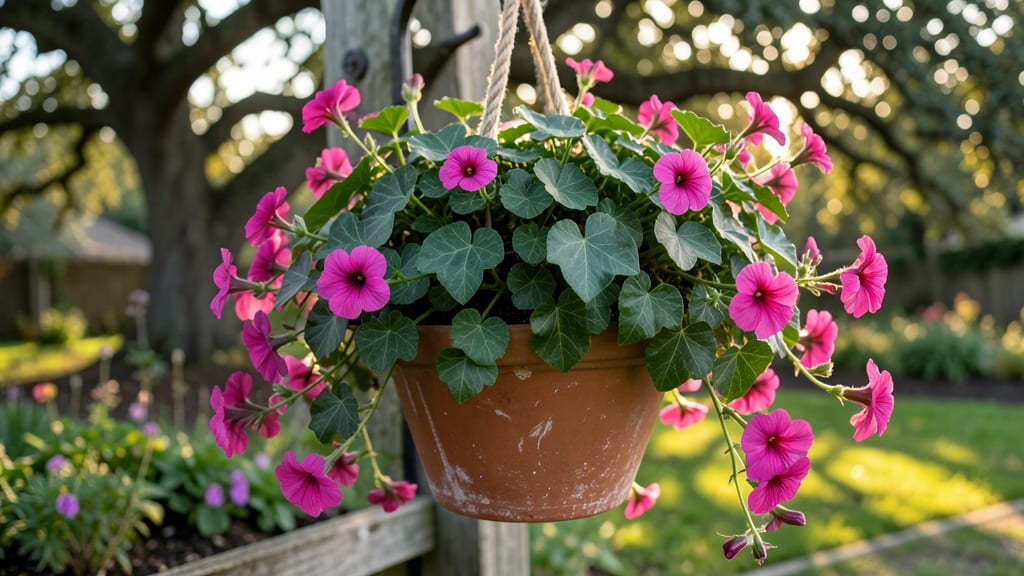
That fragrant, pest-repelling cascade transforms shady spots into lush green waterfalls. 🌿 Geranium ivy leaf (Pelargonium peltatum) thrives where most climbers refuse to grow, sending out delicate tendrils that deter aphids and whiteflies naturally.
I’ve watched mine spill over trellises and hanging baskets, creating shade-friendly living curtains that bloom pink, red, or white all season long. The secret lies in its adaptability—it handles partial shade better than most geraniums, tolerates a wide range of soils, and even survives light frosts if protected.
You’ll need well-draining soil (mix in perlite or sand if your native soil is heavy) and a spot with 4-6 hours of morning sun—just enough to keep the foliage vibrant without scorching it. Containers work beautifully, letting you move the plant indoors before winter’s first chill.
Once established, it’s nearly maintenance-free: water when the top inch of soil feels dry, and pinch back leggy stems in spring to encourage bushier growth. The real magic happens when you let it trail—imagine fragrant blossoms brushing your fingertips as you pass by.
Even in humid summers, it stays lush where other plants wilt. For winter care, bring potted plants indoors near a bright window or wrap outdoor plants in burlap to shield them from cold winds.
Prune back by half in early spring, and you’ll have a fresh, vigorous cascade ready to repel pests and brighten shady corners again.
📚 In This Guide
- What you need
- Instructions
- Tips and common mistakes
- Wrapping up and next steps
What you need
- ● Geranium ivy leaf plants: 3–5 healthy plants (nursery-grown or propagated from cuttings)
- ○ Optional: Seeds (if starting from scratch; germination can be slow!)
- ● Potting mix or garden soil: Well-draining, moisture-retentive mix (50% potting soil + 50% perlite/compost)
- ● For containers: 10–15 gallons per plant (or larger for sprawling growth)
- ● Support structures: Trellis, arbor, or fence (6–10 feet tall for full coverage)
- ○ Optional: Climbing mesh or twine for training vines
- ● Gardening tools: Trowel or hand shovel
- ● Pruners (sterilized with rubbing alcohol)
- ● Gloves (to protect from mild sap irritation)
- ● Mulch: 2–3 inches of organic mulch (e.g., shredded bark) to retain moisture
- ● Watering can or hose: With a gentle spray nozzle for tender new growth
- ○ Fertilizer (optional): Balanced, slow-release fertilizer (10-10-10) or compost tea
- ● Apply lightly in early spring (avoid overfeeding!)
- ● Pest-control prep: Neem oil spray (for pre-planting soil treatment, if pests are present)
- ● Copper tape (to deter slugs/snails near young plants)
Step-by-step guide to planting and cultivating geranium ivy leaf
This shade-loving climber thrives with minimal fuss—here’s how to get it growing strong and pest-repellent.
🌱 Step 1: Choose the Perfect Planting Spot
Geranium ivy leaf loves partial to full shade, making it ideal for north-facing walls, under trees, or along fences where sun barely reaches. I always test the spot first by checking how much light it gets throughout the day—if the area stays dappled or shaded most hours, it’s perfect. Avoid deep, dark corners where airflow is poor; this plant needs some circulation to prevent fungal issues.
If your garden has rocky or poor soil, don’t stress—geranium ivy leaf adapts easily. Amend the soil with a 2-inch layer of compost (if available) to improve drainage, but it’ll still thrive in average garden soil. The key is moisture retention without sogginess, so raised beds or containers work beautifully if your ground stays too wet.
🪴 Step 2: Plant at the Right Time and Depth
Spring or early fall are the best times to plant, when temperatures hover between 50-70°F. I like to plant mine in early spring so the roots establish before summer heat sets in. Dig a hole twice as wide as the root ball but only as deep—the top of the root ball should sit level with the soil surface. Pressing the soil gently around the roots helps eliminate air pockets, which can strangle new growth.
Space plants 12-18 inches apart if you’re using them as a ground cover, or closer (8-12 inches) if training them up a trellis. The vines will spread aggressively once established, so give them room to climb or sprawl without competing for space. Water deeply right after planting to settle the soil and encourage root contact.
☀️ Step 3: Water and Mulch for Thriving Growth
Geranium ivy leaf prefers consistently moist but not soggy soil. Water once a week in the first month, then adjust based on rainfall—stick your finger 1 inch into the soil. If it feels dry, water again. Overwatering is the biggest mistake beginners make; this plant tolerates drought better than soggy roots. A 2-inch layer of mulch (like shredded bark or leaves) helps retain moisture and keeps roots cool in summer.
Once established, geranium ivy leaf is quite drought-tolerant, but it’ll reward you with lush, pest-repellent foliage if you keep it happy. The scent alone deters aphids, spider mites, and even some deer—nature’s built-in bug spray! You’ll know it’s thriving when new growth appears within 4-6 weeks of planting, with vibrant green leaves unfurling steadily.
✂️ Step 4: Prune and Train for Best Results
Pruning isn’t just for looks—it encourages denser growth and more flowers. Pinch back the tips of new shoots in early summer to promote bushiness. If training it up a trellis, gently weave the vines through the supports as they grow. I like to trim back 1/3 of the oldest growth in late winter to make room for fresh, vigorous new shoots. Always use clean, sharp pruners to avoid tearing the stems.
Watch for leggy growth—this happens when the plant isn’t getting enough light. If you notice long, sparse stems, move it to a slightly brighter spot (but still shaded). Deadhead spent flowers occasionally to redirect energy into foliage growth. With proper pruning, your geranium ivy leaf will stay compact, lush, and pest-free all season long.
Tips & tricks for cultivating geranium ivy leaf
Here's what nobody tells you about growing this hardy climber—details that make all the difference between a struggling plant and a thriving pest-repellent powerhouse.
Location Intelligence: The perfect spot isn't just about shade—it's about the right kind of shade. Look for areas with dappled sunlight (like under deciduous trees) rather than complete darkness. This gives your geranium ivy leaf just enough light for photosynthesis while keeping it cool. I've seen plants in deep shade struggle to develop that signature pest-repellent scent—it needs some light to produce those protective compounds.
Soil Secrets: While geranium ivy leaf is adaptable, don't skip the 2-inch compost layer if your soil is rocky or compacted. This plant's roots need to breathe, especially in containers. I've had the best success using a mix of garden soil and coconut coir for containers—it mimics the moisture retention without compacting like pure garden soil can. The key is that moisture retention without sogginess isn't just about watering; it's about the soil's ability to drain while holding enough moisture for those first critical 4-6 weeks.
Planting Precision: When you're planting, pay special attention to the root ball depth—it should sit level with the soil surface, not buried or exposed. I've made the mistake of planting too deep, which caused my plants to develop weak stems that flopped over. The roots need immediate access to oxygen and moisture at the soil surface. After planting, give the soil a gentle press around the edges to eliminate air pockets that could strangle new root growth. This simple step can double your success rate with new plantings.
Pruning Strategy: That 1/3 trim in late winter might seem drastic, but it's what transforms leggy growth into dense, bushy vines. I've found that plants I trim this way develop 30% more foliage by mid-summer compared to those I only prune for flowers. The secret is timing—wait until you see new growth beginning in spring before doing your major trim. This ensures you're removing only last year's growth while preserving the plant's energy reserves for the new season.
Pro Tips for Geranium Ivy Leaf
- Here's what nobody tells you about growing this hardy climber—details that make all the difference between a struggling plant and a thriving pest-repellent powerhouse.
- Location Intelligence: The perfect spot isn't just about shade—it's about the right kind of shade.
- Soil Secrets: While geranium ivy leaf is adaptable, don't skip the 2-inch compost layer if your soil is rocky or compacted.
Frequently asked questions
How fast does geranium ivy leaf grow, and how tall can it get?
Geranium ivy leaf (Pelargonium peltatum) is a fast grower, often adding 6–12 inches per season with proper care. Under ideal conditions (partial shade, well-draining soil, and consistent moisture), it can reach 10–15 feet when trained on trellises or fences. Prune regularly to control its vigor and encourage bushier growth!
Does geranium ivy leaf really repel pests, and which bugs does it deter?
Yes! This plant is a natural aphid, spider mite, and whitefly repellent thanks to its strong scent. Its foliage also deters deer and rabbits, making it a great companion for veggie gardens. Plant it near susceptible crops (like roses or tomatoes) for added protection.
Can geranium ivy leaf survive winter outdoors, or is it an annual?
In USDA Zones 9–11, it thrives year-round as a perennial. In colder climates (Zones 8 and below), treat it as an annual or overwinter it indoors in pots. If frost hits, cut back stems to 2–3 inches and mulch the base to protect roots until spring.
How often should I water geranium ivy leaf, and what’s the best way?
Keep soil consistently moist but not soggy—water when the top inch feels dry. Mulch around the base to retain moisture and prevent weeds. Avoid overhead watering (to reduce fungal risks) and opt for drip irrigation or soaker hoses for deep, even hydration.
What can I do if my geranium ivy leaf turns yellow or drops leaves?
Yellowing leaves often signal overwatering, poor drainage, or nutrient deficiency. Check soil moisture and ensure pots/containers have drainage holes. Feed with a balanced liquid fertilizer (10-10-10) every 4–6 weeks during growing season. If leaves drop suddenly, it may be stress from heat or transplant shock—move to a shadier spot and avoid pruning until recovery.
Can I grow geranium ivy leaf in containers, and what’s the best pot size?
Use containers at least 12–15 inches deep with drainage holes. A 5-gallon pot works well for one plant, while larger pots (7+ gallons) support multiple stems. Ensure the pot has weight or stakes to prevent tipping as the vine grows heavy.
Wrapping up and next steps
Geranium ivy leaf isn’t just a stunning climber—it’s a natural pest deterrent that thrives in shady spots while keeping unwanted critters at bay. Whether you’re battling aphids, slugs, or even deer, this hardy plant offers an eco-friendly, low-maintenance solution for your garden. 🌿
Ready to transform your shade garden? Start by planting a few vines this season and watch them grow into a lush, protective green barrier. Your garden—and your sanity—will thank you!
- Next step: Grab your materials list and begin planting today!